


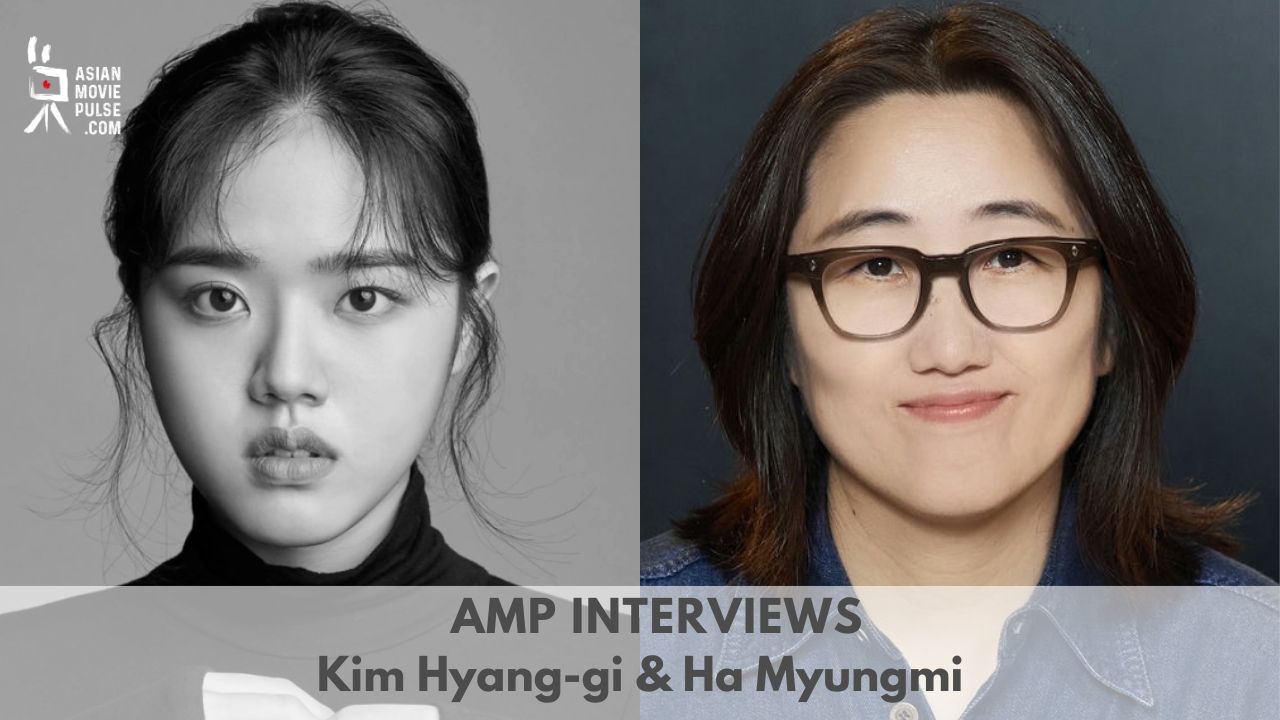
The prestigious New York Asian Film Festival (NYAFF) played host to the highly anticipated North American premiere of "Hallan," a poignant cinematic exploration of war and its enduring human cost. The event provided a unique platform for director and writer Ha Myung-mi, alongside the film’s lead actress Kim Hyang-gi, to engage in an in-depth discussion about their creative process, the profound themes woven into "Hallan," and their shared vision for a more hopeful future. The premiere, held amidst the vibrant cultural landscape of New York City, underscored the festival’s commitment to showcasing diverse and impactful stories from across Asia.
A Deep Dive into "Hallan": Conception and Creation
The journey of "Hallan" from script to screen was a deliberate and deeply personal endeavor for Ha Myung-mi. Speaking at the NYAFF, the director emphasized her initial motivation: to grapple with the complex legacy of war and its ripple effects across generations. "The seeds of ‘Hallan’ were sown from a desire to understand the unspoken trauma that war leaves behind," Ha explained. "It’s not just about the battlefield; it’s about the quiet endurance, the resilience of the human spirit in the face of unimaginable loss, and how these experiences shape not only individuals but entire societies."
The writing process, according to Ha, was an extensive period of research and introspection. She delved into historical accounts, personal testimonies, and sociological studies related to conflict zones, aiming to capture an authentic portrayal of the psychological and emotional toll of war. "I wanted to move beyond the sensationalism often associated with war films," she stated. "My focus was on the intimate, the personal, the everyday struggles that become amplified by the backdrop of conflict. It was crucial to portray the characters not just as victims of circumstance, but as individuals with agency, desires, and the capacity for love and hope even in the darkest times."
The collaboration with Kim Hyang-gi, who delivers a captivating performance as the film’s central character, was described as a synergistic partnership. Kim, a seasoned actress with a remarkable range, shared her own perspective on inhabiting the role. "When I first read Ha’s script, I was immediately drawn to the depth and vulnerability of the character," Kim recounted. "It was a role that demanded a profound emotional connection, a willingness to explore the darkest corners of human experience. My approach was to deeply understand her motivations, her fears, and her unwavering will to survive and protect what she held dear."
Kim further elaborated on the preparation involved. "We spent a considerable amount of time discussing the character’s backstory, her relationships, and the specific historical context of the film. Ha provided me with extensive resources, and we engaged in numerous conversations that helped me build a comprehensive understanding of her inner world. It was about finding the nuances, the subtle expressions that would convey the weight of her experiences without overt exposition."
Thematic Resonance: War, Memory, and the Human Spirit
"Hallan" delves into the multifaceted nature of war, extending its narrative beyond the immediate physical conflict to explore its lingering psychological and societal ramifications. The film tackles themes of displacement, loss, resilience, and the enduring power of memory. Ha Myung-mi highlighted the importance of portraying war not as a singular event but as a pervasive force that continues to shape lives long after the cessation of hostilities.
"War is a wound that doesn’t always heal," Ha observed. "It leaves scars on individuals, families, and communities. ‘Hallan’ attempts to capture this enduring legacy, the way memories of conflict can shape present-day realities and influence future aspirations. It’s about understanding how trauma can be passed down, but also how healing and reconciliation are possible, however arduous the path may be."
Kim Hyang-gi’s performance is central to conveying these themes. Her portrayal of a character navigating the complexities of war-torn environments and its aftermath is marked by a raw emotional honesty. "The character I play embodies a spirit of defiance and an unyielding hope," Kim explained. "Even in the direst circumstances, she finds strength in human connection, in the memories of what was lost, and in the possibility of a brighter future. It was essential to convey that even amidst destruction, the human capacity for love, compassion, and resilience remains."
The film’s narrative structure, while not explicitly detailed in the initial excerpt, likely employs a non-linear approach or evocative flashbacks to piece together the protagonist’s journey and the historical context of the conflict. This approach would serve to deepen the audience’s understanding of the character’s present-day struggles by illuminating the events that shaped her.
An Image of a Better World: Hope in the Face of Adversity
Despite its unflinching examination of the horrors of war, "Hallan" is ultimately a film imbued with a message of hope. Both Ha Myung-mi and Kim Hyang-gi emphasized that their artistic intention was not to dwell solely on despair, but to highlight the enduring human spirit and the possibility of rebuilding and healing.
"While we cannot shy away from the realities of war, it is equally important to explore the avenues for recovery and the potential for a more peaceful existence," Ha Myung-mi stated. "The film’s ultimate message is one of resilience, of the human capacity to endure, to love, and to strive for a better world, even after experiencing the most profound losses. It’s about finding light in the darkness and the strength to rebuild, not just physically, but emotionally and spiritually."
Kim Hyang-gi echoed this sentiment, emphasizing the importance of individual agency in shaping a more positive future. "The characters in ‘Hallan’ may be scarred by their experiences, but they are not defined by them," she said. "They continue to fight for their lives, for their loved ones, and for the possibility of a future free from violence. The film suggests that even in the aftermath of immense suffering, the seeds of hope can be sown and nurtured through acts of kindness, empathy, and a collective desire for peace."
The filmmakers expressed their hope that "Hallan" would serve as a catalyst for dialogue and reflection. "We hope that audiences will connect with the characters on a human level, that they will be moved by their struggles and inspired by their resilience," Ha Myung-mi concluded. "Ultimately, we want ‘Hallan’ to spark conversations about the importance of peace, the devastating consequences of conflict, and the shared responsibility we all have in creating a better world for future generations."
Context of the New York Asian Film Festival
The North American premiere of "Hallan" at the New York Asian Film Festival is a significant event, placing the film within a globally recognized platform dedicated to celebrating and promoting Asian cinema. Established in 2001, NYAFF has become a vital institution for introducing audiences to a diverse range of Asian films, from critically acclaimed masterpieces to groundbreaking independent productions. The festival is renowned for its discerning selection, often featuring emerging talent alongside established filmmakers, and for its commitment to fostering cultural exchange and understanding.
NYAFF typically screens a curated selection of films from various Asian countries, covering a wide spectrum of genres and themes. Its programming often highlights films that explore pressing social issues, delve into complex cultural narratives, and offer fresh perspectives on filmmaking. The festival’s audience comprises cinephiles, industry professionals, and a general public eager to discover the rich tapestry of Asian cinematic expression.
The inclusion of "Hallan" in the NYAFF lineup speaks to the film’s perceived artistic merit and its thematic relevance to a global audience. The festival’s spotlight on the film provides an invaluable opportunity for its creators to gain international exposure and for audiences in North America to engage with a story that tackles profound human experiences. The festival’s retrospective programming and industry events often facilitate deeper engagement with the films and their creators, offering panels, Q&A sessions, and networking opportunities that enrich the overall festival experience.
Supporting Data and Broader Implications
The themes explored in "Hallan" resonate with contemporary global concerns regarding conflict and its aftermath. According to the United Nations High Commissioner for Refugees (UNHCR), the number of people forcibly displaced worldwide due to conflict and persecution reached an unprecedented 117.3 million by the end of 2023. This staggering figure underscores the persistent reality of war and its devastating impact on civilian populations, a reality that "Hallan" aims to humanize through its narrative.
The film’s focus on intergenerational trauma and the long-term psychological effects of war also aligns with growing research in the field of trauma studies. Studies have consistently shown that the experiences of war can have profound and lasting impacts on individuals, families, and communities, influencing mental health, social cohesion, and economic development for decades. By bringing these complex issues to the forefront, "Hallan" contributes to a broader societal understanding of the multifaceted consequences of armed conflict.
The North American premiere at NYAFF provides "Hallan" with a crucial platform for critical reception and potential distribution deals. Positive reviews and audience engagement at such a prominent festival can significantly influence a film’s trajectory, opening doors for wider theatrical releases, streaming opportunities, and international recognition. For emerging filmmakers like Ha Myung-mi, such exposure is instrumental in building a sustainable career and continuing to bring important stories to the screen.
The discussion at the festival also highlights the growing global interest in Asian cinema as a source of diverse and thought-provoking narratives. Festivals like NYAFF play a pivotal role in bridging cultural divides and fostering cross-cultural understanding by showcasing films that may not otherwise reach mainstream audiences. The success of films like "Parasite" and "Minari" in recent years has demonstrated the growing appetite for Korean cinema and films that explore universal human experiences through a distinct cultural lens.
Official Responses and Future Prospects
While direct official responses from governmental or international bodies specifically to "Hallan" are not detailed in the provided excerpt, the film’s thematic concerns would undoubtedly align with the objectives of organizations dedicated to peacebuilding and conflict resolution. Statements from organizations like UNESCO or the International Committee of the Red Cross often emphasize the importance of cultural narratives in fostering empathy and promoting dialogue around the human cost of war.
The reception of "Hallan" at the New York Asian Film Festival is likely to be closely watched by critics and industry professionals. The festival’s reputation for identifying compelling and impactful cinema suggests that "Hallan" has the potential to resonate deeply with audiences and critics alike. The success of its North American premiere could pave the way for further festival engagements and a wider distribution strategy, allowing its message of resilience and hope to reach a global audience.
The filmmakers’ expressed desire for "Hallan" to spark conversations about peace and the importance of a better world is a testament to the power of cinema as a tool for social commentary and advocacy. As the film embarks on its international journey, its ability to connect with viewers on an emotional level and to inspire reflection on the enduring impact of war will be its ultimate measure of success. The collaboration between Ha Myung-mi and Kim Hyang-gi, two artists dedicated to exploring profound human experiences, promises a cinematic work that is both artistically significant and deeply relevant to the contemporary world.