



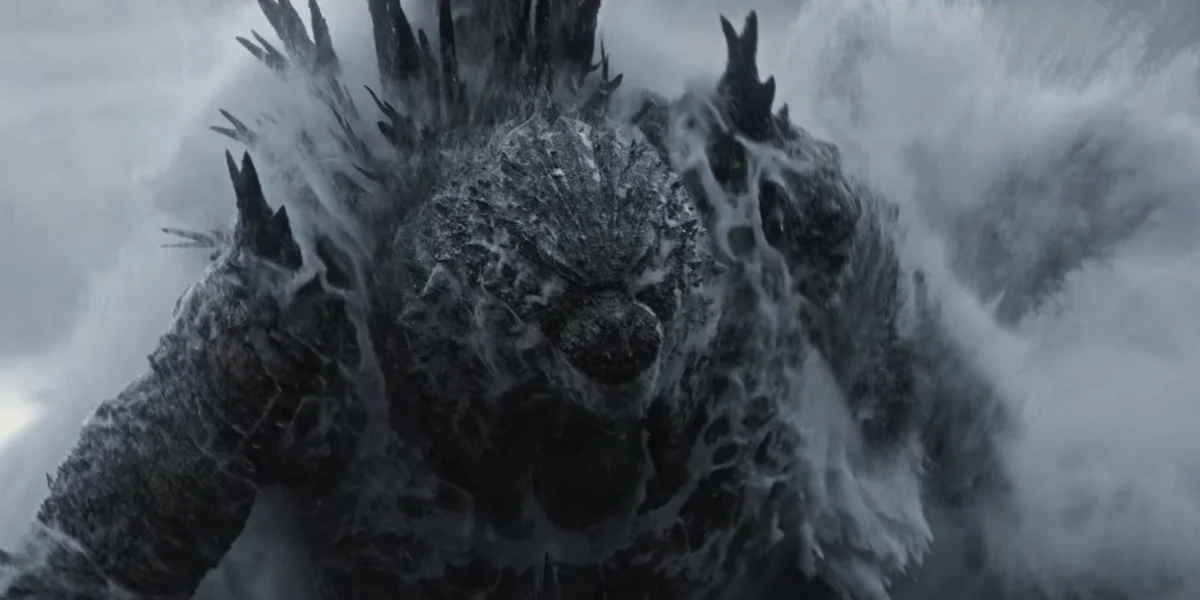
The cinematic landscape of 2023 was irrevocably altered by the arrival of Godzilla Minus One, a production that defied industry expectations by securing an Academy Award for Best Visual Effects on a budget of less than $15 million. Directed by Takashi Yamazaki, the film transcended its status as a genre piece, achieving a 99% approval rating on Rotten Tomatoes and marking a historic milestone as the first Godzilla film to win an Oscar. As the industry turns its attention to the sequel, Godzilla Minus Zero, the question of whether this franchise can replicate its unprecedented success against the looming shadow of high-budget Hollywood spectacles has become a focal point of the upcoming awards season.
A Chronology of Technical Triumph
The success of Godzilla Minus One was not merely a matter of critical acclaim; it represented a strategic shift in how the Academy of Motion Picture Arts and Sciences perceives visual effects. Historically, the Best Visual Effects category has been dominated by massive studio tentpoles. Between 2019 and 2023, winners included high-concept, high-budget epics such as Dune (2021) and Avatar: The Way of Water (2022).
When Godzilla Minus One entered the 96th Academy Awards, it stood in stark contrast to its competition. While films like The Creator offered sophisticated CGI, Yamazaki’s work was characterized by a distinct "passion-project" narrative. Despite being overlooked by major precursors such as the BAFTAs, the film’s victory was secured by the sheer artistry of its execution. This win set a new precedent, proving that technical proficiency and visual storytelling, when paired with strong direction, could overcome the financial disparities inherent in modern filmmaking.
Godzilla Minus Zero: Expanding the Visual Scope
Godzilla Minus Zero builds upon the foundation laid by its predecessor, promising a significant elevation in scale and visual complexity. Early trailers for the sequel suggest that Yamazaki has moved beyond the established parameters of the first film, introducing new variables in action sequences that emphasize both physical destruction and intimate detail.
A technical analysis of the film’s production highlights a focus on tactile realism. Close-up sequences, particularly those focusing on the titular creature’s facial expressions and ocular detail, demonstrate an evolution in the film’s digital rendering capabilities. By increasing the complexity of these assets, the production team aims to bridge the gap between the uncanny valley and photorealistic horror. The visual effects in this installment are designed to be "obvious" in the best sense of the word—they are intended to be seen, felt, and appreciated as a central component of the storytelling rather than a background element.
The Looming Clash with Dune: Part Three
The primary obstacle for Godzilla Minus Zero in the upcoming awards cycle is the anticipated release of Dune: Part Three. The Dune franchise, under the stewardship of director Denis Villeneuve, has established a consistent standard for visual excellence. Each previous installment has secured the Academy Award for Best Visual Effects, creating a formidable "technical sweeper" narrative that voters find difficult to ignore.
The fundamental tension in this category lies in the difference between "seamless" and "spectacular" visual effects. The Dune films are lauded for their total integration, where production design, practical effects, and digital augmentation are woven so tightly that they are often indistinguishable to the average viewer. In contrast, Godzilla Minus Zero relies on the explicit display of its digital assets to convey weight, presence, and emotion. This distinction will be critical when the Academy’s visual effects branch evaluates the nominees.
If Godzilla Minus Zero is to succeed, it must replicate the trajectory of 2015’s Ex Machina. In that instance, the film defeated Mad Max: Fury Road—a massive technical achievement that utilized a blend of practical stunts and CGI—by appealing to the voters’ appreciation for singular, focused artistry over broad-scale technical dominance.
Beyond Visual Effects: The Case for Technical Recognition
While the visual effects category remains the most logical path for recognition, analysts suggest that Godzilla Minus Zero could potentially find support in other technical branches. The film’s sound design, which plays a pivotal role in establishing the physical weight of the monster, and its original score, which heightens the dramatic stakes, are areas where the film demonstrates high-level craft.
Furthermore, the film’s makeup and hairstyling department is a potential dark horse for nomination. The Academy’s makeup branch has shown an increasing willingness to recognize international productions, as evidenced by recent shortlists. The specific sequence involving haunting, transformative makeup work in the film has already garnered internal buzz among critics. Additionally, the lead performance by Ryūnosuke Kamiki—which anchors the film’s emotional narrative—highlights the depth of character work that differentiates the Godzilla franchise from more traditional monster-of-the-week features.
Broader Industry Implications
The emergence of a low-budget, internationally produced franchise as a consistent threat to Hollywood’s dominance in the visual effects category has significant implications for the global film industry. For years, the prevailing belief was that the Oscar for Best Visual Effects was exclusively reserved for films with budgets exceeding $150 million. The success of Yamazaki’s work challenges this assumption, suggesting that efficiency and creative direction are becoming as valuable as raw capital.
Industry experts note that this trend encourages studios to prioritize innovation in digital workflows. As the gap between the budget of an independent international production and a domestic blockbuster widens, the ability to produce high-quality visual effects without a bloated balance sheet becomes a competitive advantage. Should Godzilla Minus Zero secure a nomination or a win, it would likely signal a shift in how major studios view the necessity of "excessive" spending in the post-production process.
Conclusion: The Path Forward
The path to a second consecutive Oscar for the Godzilla franchise is undeniably steep. The film must not only contend with the technical polish of the Dune franchise but also overcome the "sequel bias" that often affects how Academy voters evaluate recurring intellectual properties.
However, the narrative of Godzilla Minus One remains fresh in the minds of the voting body. The industry is currently in a phase of introspection regarding the value of spectacle versus the value of substance. By continuing to prioritize human-centric storytelling alongside cutting-edge technical effects, the team behind Godzilla Minus Zero is positioning itself to be more than just a genre entry; they are positioning themselves as a perennial contender for excellence.
Whether the Academy will favor the seamless, world-building mastery of the Dune universe or the visceral, character-driven intensity of the Godzilla series remains the defining question of the upcoming awards season. Regardless of the outcome, the fact that a Japanese-led production is standing as a primary rival to one of the most expensive and well-regarded franchises in history is a testament to the evolving nature of global cinema and the enduring power of the Godzilla legacy.