


The contemporary cinematic landscape is frequently characterized by cautious storytelling and audience-tested formulas, making bold narrative departures a notable anomaly on the festival circuit. Among the selections at the Sundance Film Festival, Georgia Bernstein’s feature directorial debut, Night Nurse, distinguished itself immediately through its uncompromising psychological premise and distinct aesthetic framework. Centered on the unsettling dynamics within a memory-care facility, the film rejects conventional thriller tropes in favor of a cerebral exploration of manipulation, isolation, and unconventional intimacy. Following its critically discussed premiere in the NEXT competition, the project is scheduled for a wide theatrical release on July 10 via IFC Films, positioning it for broader engagement with audiences seeking challenging, auteur-driven cinema.
Narrative Premise and Character Dynamics
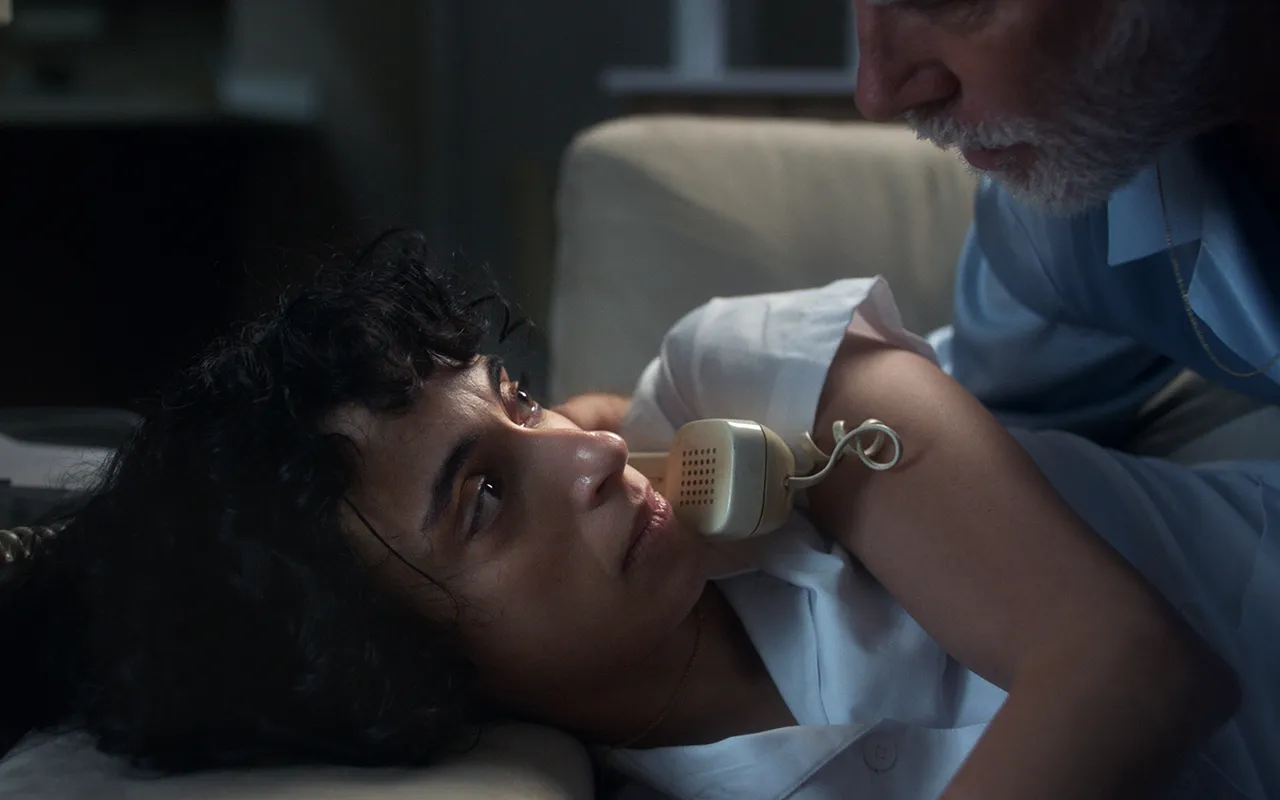
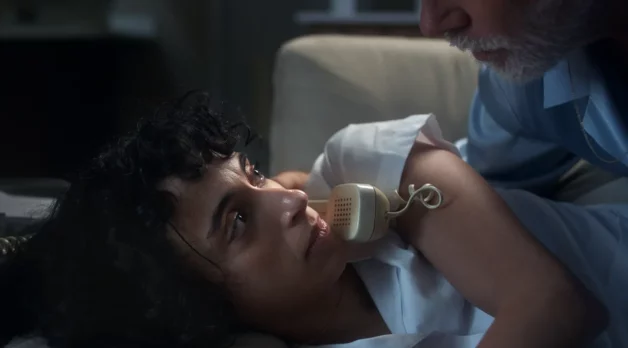
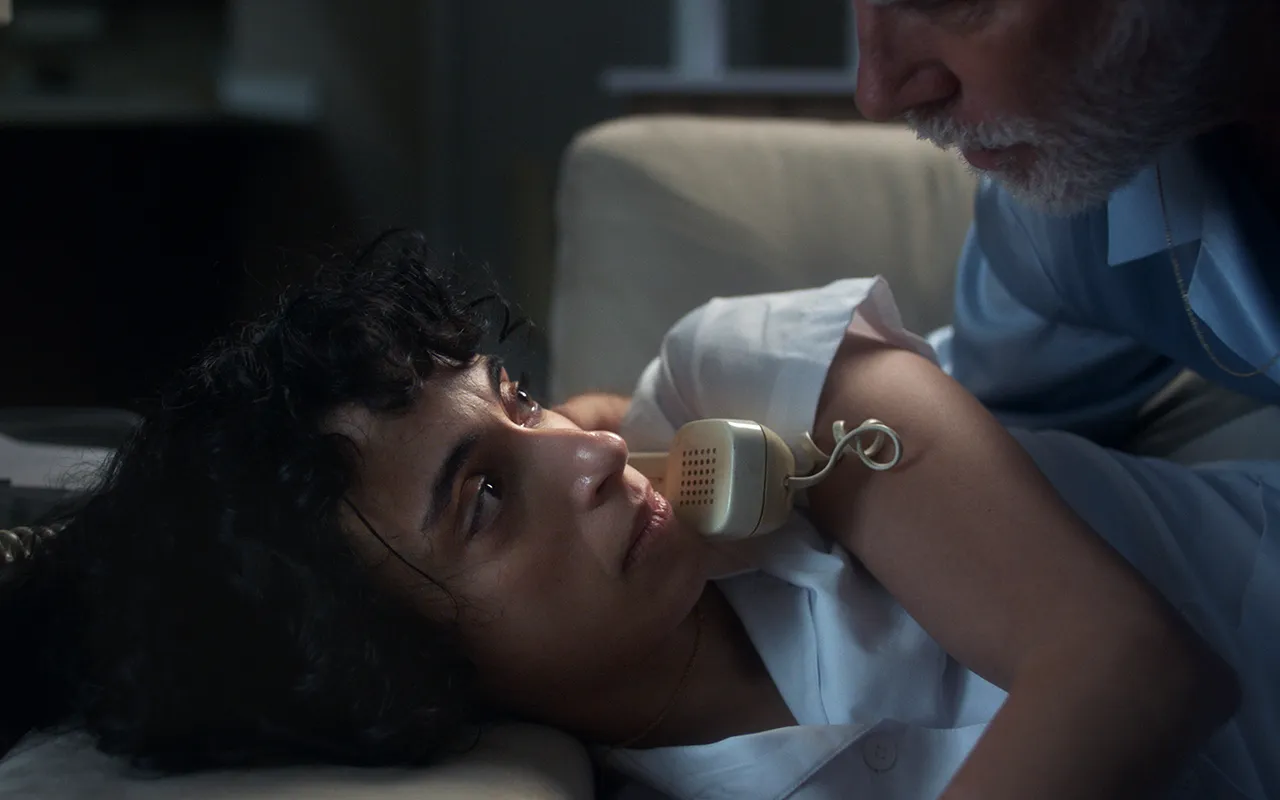
Night Nurse follows Eleni, played by Cemre Paksoy, a newly hired night-shift nurse working in a residential memory-care unit. During her nocturnal hours, she becomes professionally and personally intertwined with Douglas, a patient played by Bruce McKenzie who is currently undergoing evaluation for early-onset Alzheimer’s disease. Rather than maintaining professional boundaries, Eleni is drawn into Douglas’s orbit, eventually becoming his accomplice in a confidence scheme targeting elderly victims over the telephone. The duo operates under the guise of a distressed granddaughter pleading for immediate financial assistance, a predatory act that simultaneously yields monetary gain and a potent psychosexual thrill for both participants.
The psychological architecture of the film hinges on complex power imbalances and the fundamental human desire for validation. As other characters within the facility articulate, the core impulse driving the narrative is the profound pull of feeling needed. This dynamic is reinforced by supporting performances, including Eléonore Hendricks as Mona, who rationalizes the exploitation by framing it as a restorative intervention that injects purpose into otherwise stagnant lives. Bernstein utilizes this premise to test the limits of logic and morality, constructing a narrative where exploitation masquerades as therapeutic connection, leaving the exact boundaries of agency and vulnerability deliberately blurred.
Production Chronology and Collaborative Development
The genesis of Night Nurse reflects a collaborative, grassroots approach to independent filmmaking rooted in the Chicago artistic community. The project evolved from a unique convergence of practical industry collaboration and academic instruction. Following her work as a producer on Alex Phillips’s 2025 feature Anything That Moves, Bernstein connected with fellow producers Eddie Linker and Liane Cunje. Linker, an educator at Northwestern University, incorporated a working draft of Bernstein’s screenplay into a curriculum designed to provide students with hands-on preproduction experience.
Working alongside producer Veronica Barbosa, the creative team utilized the academic setting to teach students foundational industry practices, including the establishment of limited liability corporations, financial budgeting, and state tax credit navigation. By the conclusion of the academic quarter, the foundational preproduction logistics for Night Nurse had been successfully completed. This methodology allowed Bernstein to leverage established regional relationships, assembling a core creative team that included director of photography Lidia Nikonova and an ensemble cast featuring Colleen Rose Trundy.
Aesthetic Choices and Stylistic Influences
Visually and tonally, Night Nurse draws from a lineage of international auteur cinema, frequently invoking comparisons to the clinical psychosexual atmospheres of David Cronenberg and Atom Egoyan. Bernstein, however, has explicitly cited distinct visual inspirations, including Roger Corman’s 1970s nurseploitation trilogy—specifically Stephanie Rothman’s The Student Nurses—alongside the stylistic pacing of Argentine filmmaker Lucrecia Martel.
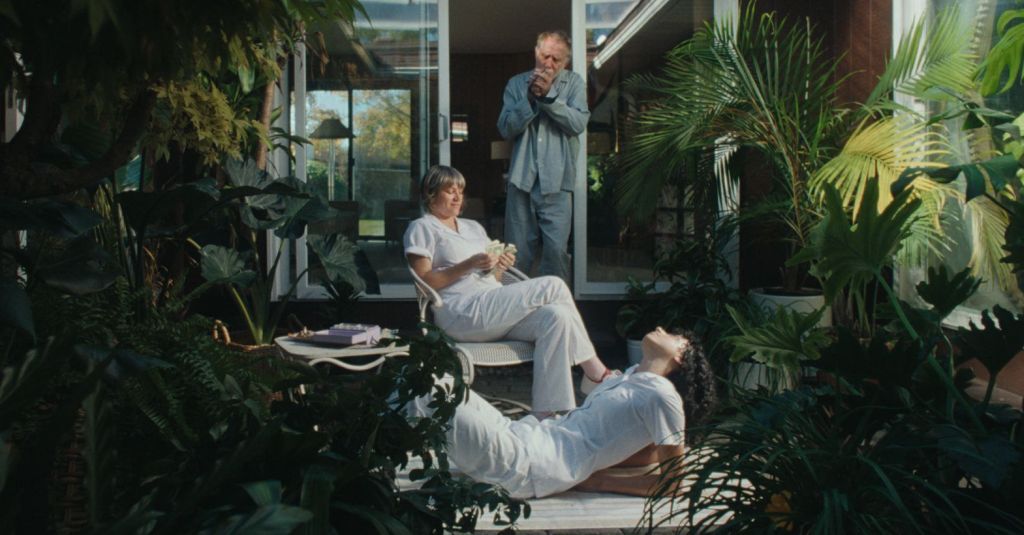
Practical considerations heavily dictated the film’s visual strategy. Budgetary and logistical parameters led Bernstein to shoot the vast majority of the feature inside her grandmother’s residence. The physical constraints of the home informed the choreography of the camera movement; rather than relying on a Steadicam, Nikonova and Bernstein opted almost exclusively for a dolly system. This choice imposed a deliberate, weighty momentum on the framing, echoing the slow, measured cadence associated with the works of Rainer Werner Fassbinder and European arthouse traditions. Furthermore, the production design deliberately eschewed contemporary markers such as smartphones, instead utilizing period-specific wallpaper, outdated landlines, and obsolete currency denominations to foster a disorienting, timeless aesthetic.

Casting and Score Composition
The casting process blended targeted recruitment with traditional auditions. While characters such as Mona and supporting roles were written explicitly with specific actors in mind—drawing from Bernstein’s personal and professional network—the role of Douglas required a traditional casting search. Bernstein initially conceptualized the character through the lens of classic mid-century cinematic archetypes, ultimately casting Bruce McKenzie after mutual acquaintances facilitated an introduction. McKenzie brought an unscripted unpredictability to the role that reshaped the dynamic opposite Paksoy.
The auditory landscape of Night Nurse was constructed by composers Steven B. Jackson and Samm Clapp, who previously collaborated with Bernstein on her producing projects. Eschewing modern digital scoring practices, Jackson and Clapp employed an ensemble of musicians—including players brought in for traditional instruments like the flute and violin—who performed live to the picture. Drawing thematic inspiration from Francis Ford Coppola’s 1974 classic The Conversation, the score utilizes a recurring, hypnotic musical motif designed to mirror the claustrophobic, cyclical nature of the characters’ entrapment within the retirement facility.
Industry Implications and Distribution Context
The acquisition and distribution of Night Nurse by IFC Films highlights a continued commercial viability for mid-budget, provocative independent cinema that prioritizes formal rigor and thematic ambiguity over accessible crowd-pleasing resolutions. In an era where specialty distribution faces structural headwinds, the trajectory of Bernstein’s debut—from a regional academic collaboration and a controlled, localized shoot to a prominent Sundance showcase and a wide summer theatrical rollout—illustrates a viable pipeline for emerging auteur-driven projects.
By engaging directly with taboo subject matter, such as elder exploitation and the blurring lines of institutional caregiving, the film invites critical examination regarding the ethics of representation in contemporary thrillers. As Night Nurse approaches its July 10 release date, its performance at the box office will serve as an indicator of mainstream audience appetite for complex, psychologically dense narratives that subvert traditional genre expectations.