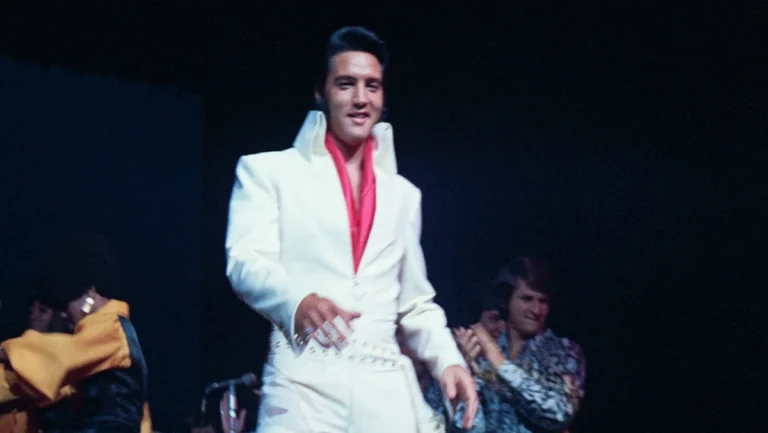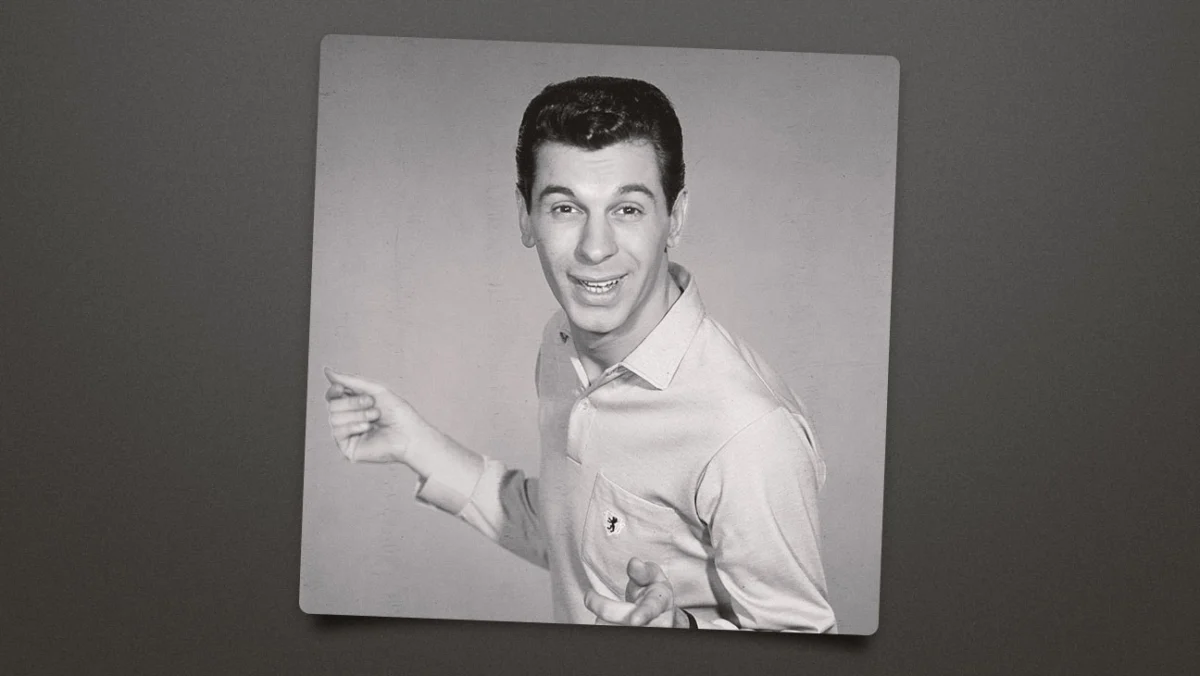
Freddy Cannon, the electrifying rock and roll artist whose exuberant performances and chart-topping hits such as Palisades Park and Tallahassee Lassie defined an era of youthful energy, passed away on Friday at the age of 89. His death, which occurred at a hospice facility in California, was announced by his longtime friend and iHeart Radio personality, Tom Cuddy. Cannon, affectionately known as "Freddy ‘Boom Boom’ Cannon" for his signature energetic sound and rhythmic intensity, leaves behind a legacy of infectious tunes and a remarkable record of perseverance in the music industry. The news of his passing arrived shortly after a planned interview with renowned DJ Cousin Brucie Morrow, scheduled for July 11, had to be canceled due to Cannon being hospitalized the day prior.
An Early Life Rooted in Rhythm and Ambition
Born Frederick Anthony Picariello Jr. on December 4, 1936, in Lynn, Massachusetts, Freddy Cannon’s journey into music began in the vibrant, post-war cultural landscape of New England. From a young age, he exhibited a natural inclination towards rhythm and performance, gravitating towards the burgeoning sounds of rhythm and blues, country, and the nascent genre of rock and roll that was sweeping across America. Growing up in a working-class environment, Cannon honed his musical skills by playing guitar and singing in local bands, often performing at school dances, community events, and teen clubs. His early influences included iconic figures like Little Richard, Elvis Presley, and Jerry Lee Lewis, whose raw energy and rebellious spirit resonated deeply with the young musician.
By his late teens, Cannon had developed a distinctive vocal style characterized by its powerful delivery and a relentless, driving beat that would later become his trademark. It was during this formative period that he connected with local musicians and producers, laying the groundwork for what would become a formidable career. The late 1950s were a period of immense change in American popular music, with independent labels and regional radio stations playing a crucial role in breaking new artists. Cannon navigated this evolving landscape with an unwavering determination to make his mark.
The Breakthrough: Tallahassee Lassie and the Dick Clark Connection
Cannon’s career trajectory took a decisive turn with the recording of an early demo for a track titled Tallahassee Lassie. This song, co-written by Cannon with his mother, Mrs. Antoinette Picariello, and Frank Slay, quickly caught the attention of music industry figures. Its raw, unpolished energy and catchy chorus perfectly encapsulated the youthful exuberance of the era. Crucially, the demo made its way to Dick Clark, the influential host of American Bandstand, the nationally televised dance show that had become a cultural phenomenon and a primary tastemaker for teenage America.
Clark, recognizing the song’s potential and Cannon’s charismatic appeal, became a pivotal advocate. He urged Cannon and his wife, Jeanette, to relocate to Philadelphia, the hub of American Bandstand and a burgeoning center for pop music production. This move proved instrumental. Tallahassee Lassie was officially released in 1959 on Swan Records, an independent label based in Philadelphia. The song was an immediate sensation, its energetic guitar riff and Cannon’s distinctive "boom boom" vocalization resonating with audiences across the country. It rapidly climbed the Billboard charts, peaking at an impressive No. 6 on the Hot 100, marking Cannon’s inaugural entry onto the national music landscape. This success not only launched his career but also solidified his reputation as a vibrant new voice in rock and roll, capable of delivering a sound that was both raw and commercially appealing.
A Record-Setting Presence on American Bandstand
The symbiotic relationship between Freddy Cannon and American Bandstand was unlike any other artist of his generation. Following the success of Tallahassee Lassie, Cannon made his debut appearance on the show in 1960. This was the first of what would become a record-setting 110 appearances on the weekly dance program, a testament to his enduring popularity and Dick Clark’s belief in his talent. For context, most artists would appear a handful of times, perhaps to promote a new single. Cannon’s frequent presence spoke volumes about his connection with the teenage demographic and his ability to consistently deliver engaging performances.
American Bandstand, broadcast from Philadelphia, was more than just a music show; it was a cultural institution. It introduced new songs, showcased dance trends, and provided a platform for artists to connect directly with their fan base. For an artist like Cannon, whose appeal was rooted in energetic performance and relatable themes, Bandstand was the ideal stage. His appearances were eagerly anticipated, and he became a familiar, friendly face to millions of young viewers, solidifying his status as a teen idol and a reliable hitmaker. His consistent presence on the show helped maintain his visibility and ensured that each new release received significant exposure.
Palisades Park: The Pinnacle of Chart Success
While Tallahassee Lassie launched his career, it was the 1962 release of Palisades Park that cemented Freddy Cannon’s place in rock and roll history. This whimsical and catchy tune, penned by the legendary Chuck Barris (who would later gain fame as a game show creator), captured the magic and excitement of a classic amusement park experience. The song’s vibrant lyrics and upbeat melody perfectly aligned with Cannon’s energetic delivery, creating an instant classic.
Palisades Park soared up the Billboard Hot 100, reaching No. 3, becoming his highest-charting single. The song’s vivid imagery of roller coasters, Ferris wheels, and boardwalk romance resonated deeply with listeners, evoking a sense of nostalgic innocence and carefree joy. It became an anthem for summer fun and a staple on radio playlists for decades. The success of Palisades Park further demonstrated Cannon’s ability to adapt and thrive within the rapidly evolving pop music landscape, bridging the gap between the raw energy of early rock and roll and the more polished, pop-oriented sounds that were emerging in the early 1960s. Its enduring popularity ensured that Cannon remained a household name, even as musical trends began to shift.
The "Boom Boom" Sound and Enduring Hits
Freddy Cannon’s distinctive musical style, often referred to as the "Boom Boom" sound, was characterized by its relentless drum beat, often double-tracked or exaggerated, giving his records an undeniable propulsion. This, combined with his powerful, often shout-like vocals and catchy guitar riffs, created an infectious energy that was uniquely his own. His songs were typically short, punchy, and designed to make people dance.
Throughout the early to mid-1960s, Cannon continued to churn out a string of memorable singles that, while perhaps not reaching the heights of Palisades Park, maintained his presence on the charts and solidified his reputation as a consistent hitmaker. These included the spirited Jump Over and Chattanooga Shoe Shine Boy, both released in 1960, which showcased his ability to infuse traditional themes with a contemporary rock and roll twist. Later hits like Abigail Beecher (1964), Action (1965), and The Dedication Song (1966) demonstrated his adaptability, navigating the transition from early rock and roll to the more diverse pop sounds of the mid-60s, even as the British Invasion began to reshape the American music scene. Action, in particular, was the theme song for the popular Dick Clark produced musical variety show Where the Action Is!, further intertwining Cannon’s career with Clark’s media empire.
Beyond Music: Television, Film, and Memoir
Freddy Cannon’s talents extended beyond the recording studio and concert stage. His charismatic personality and energetic presence naturally lent themselves to other forms of entertainment. He made several notable appearances in film and television throughout his career, often capitalizing on his musical persona. His screen credits included the comedy film No Time for Sergeants, the cult classic Village of the Giants (1965), and the musical feature Never Too Young. He also notably appeared on the horror host show Svengoolie, showcasing his enduring appeal to diverse audiences.
In 2011, Cannon released his memoir, Where the Action Is! (named after the television series he was prominently featured on). The book offered fans an intimate look into his life and career, chronicling his rise to fame, his experiences in the early rock and roll scene, and his enduring love for performing. The memoir served as a valuable historical document, providing firsthand accounts of a pivotal era in American popular music and reinforcing his status as a significant figure in its development.
A Legacy of Joy and Rock and Roll Spirit
Freddy Cannon’s impact on rock and roll is multifaceted. He was a quintessential example of the early American rock and roller, embodying the genre’s youthful exuberance, raw energy, and direct appeal. His "Boom Boom" sound, characterized by its driving beat and infectious enthusiasm, left an indelible mark on the sound of the late 1950s and early 1960s. He demonstrated that rock and roll could be both rebellious and wholesome, appealing to a broad audience while maintaining its energetic core.
His unprecedented 110 appearances on American Bandstand underscore his immense popularity and his unique ability to connect with the youth culture of the time. This record is not merely a statistic but a symbol of his sustained relevance and the genuine affection he garnered from his fans. Cannon’s music, particularly Palisades Park and Tallahassee Lassie, continues to be celebrated for its timeless quality and its ability to transport listeners back to a simpler, more joyous era. His songs are frequently featured on oldies radio stations, in film soundtracks, and in nostalgic compilations, ensuring that his vibrant legacy endures for new generations.
Industry figures and fans alike remember Freddy Cannon for his professionalism, his infectious stage presence, and his unwavering dedication to his craft. He was known for his upbeat demeanor and his genuine appreciation for his audience, traits that endeared him to countless individuals throughout his career. His music captured the innocence and excitement of a bygone era, and he remained a beloved figure on the oldies circuit for decades, continuing to perform and share his passion for rock and roll.
Personal Life and Final Farewell
In his personal life, Freddy Cannon faced recent losses. He was preceded in death by his son, John, who passed away in April of this year, and his beloved wife, Jeanette, who passed away earlier in 2024. These recent bereavements undoubtedly cast a shadow on his final months. He is survived by his children Conny Weber and Billy Cannon; his sister, Mary Lou; his son-in-law, Jim; his daughter-in-law, Beth; five grandchildren; and seven great-grandchildren.
Freddy Cannon’s passing marks the end of an era for many who grew up with his music. His contributions to rock and roll, from his pioneering sound to his record-setting television appearances, ensured his place among the legends of popular music. He embodied the spirit of early rock and roll – energetic, optimistic, and relentlessly entertaining. His music will continue to echo, a testament to the "Boom Boom" man who brought so much joy to so many.