

The United States Department of Justice has officially granted regulatory approval for the massive acquisition of Warner Bros. Discovery by Paramount Skydance, effectively clearing a primary federal hurdle for a transaction valued at approximately $110 billion. In a determination released late Friday, the DOJ’s Antitrust Division concluded its multi-month investigation, stating that the evidence suggested the merger would not stifle competition or negatively impact the American consumer. The decision marks a watershed moment for the media and entertainment industry, signaling a massive consolidation of legacy Hollywood assets in an era increasingly dominated by Silicon Valley tech giants.
In its official determination, the Department of Justice noted that the Division had completed a rigorous analysis of the proposed merger. The department’s findings indicated that the transaction is not likely to result in harm to competition, a conclusion that comes despite significant scrutiny over the concentration of media ownership. This federal green light provides a clear path forward for Paramount Skydance CEO David Ellison to realize his vision of a unified media powerhouse capable of leveraging iconic film libraries, sprawling cable networks, and a combined streaming infrastructure to challenge the dominance of platforms like Netflix, Amazon, and Apple.
Strategic Justification and Corporate Response
Following the announcement, a spokesperson for Paramount issued a statement expressing gratitude for the Department of Justice’s thorough review. The company emphasized that the merger is fundamentally "pro-competitive," arguing that the combined entity will be significantly better positioned to navigate an industry defined by intense competition for global audiences, creative talent, and technological innovation. The spokesperson further noted that the deal is designed to deliver long-term benefits to consumers and creators alike by creating a more stable and well-capitalized home for high-quality content production.
David Ellison, who has been a central figure in the negotiations, previously signaled to investors that the merger was essential for survival in the modern media landscape. During an earnings call in April 2026, Ellison underscored that the scale provided by Warner Bros. Discovery’s assets—which include the Warner Bros. film studio, the HBO Max streaming service, and cable staples such as CNN and TBS—would allow the new Paramount Skydance to invest more aggressively in proprietary technology and global distribution.
The financial markets responded positively to the news of the DOJ clearance. Paramount’s stock price rose by approximately 3% in after-hours trading, reflecting investor confidence that the deal will proceed toward its projected September closing date. This uptick follows a period of volatility as analysts weighed the risks of potential antitrust intervention from a federal government that has, in recent years, been increasingly skeptical of large-scale corporate mergers.
The Path to the $110 Billion Merger
The road to this agreement has been characterized by high-stakes bidding wars and strategic pivots. In late February 2026, Paramount upended the industry by offering $31 per share to acquire the entirety of Warner Bros. Discovery’s assets. This move effectively neutralized a competing proposal from Netflix, which had been seeking to acquire WBD’s film and streaming assets while leaving its linear cable networks behind.
The decision by WBD’s leadership and shareholders to favor the Paramount Skydance offer was driven by the desire for a comprehensive integration rather than a piecemeal divestiture. By joining with Skydance, WBD ensures that its storied film studio remains tethered to a robust theatrical distribution model while gaining the technological expertise that Ellison’s Skydance has cultivated through its partnerships in the gaming and animation sectors.
The merger has already received overwhelming approval from Warner Bros. Discovery shareholders, who viewed the $31-per-share offer as a significant premium over the company’s trading price at the time of the bid. The deal also includes a "ticking fee" provision, which was disclosed in regulatory filings. This mechanism increases the cost of the acquisition if the closing is delayed beyond September, providing a strong financial incentive for all parties to finalize the transition as quickly as possible.
A Chronology of the Transaction
To understand the scale of this merger, it is necessary to look at the timeline of events that led to the DOJ’s decision:
- Late 2025: Rumors begin to circulate regarding a potential tie-up between Paramount Global and Skydance Media, led by David Ellison.
- February 2026: Netflix enters formal discussions to acquire the "prestige" assets of Warner Bros. Discovery, specifically targeting the HBO library and the Warner Bros. studio lot.
- February 24, 2026: Paramount Skydance stuns the market with a superior $31-per-share all-cash and stock offer for the entirety of WBD, including its debt-heavy cable division.
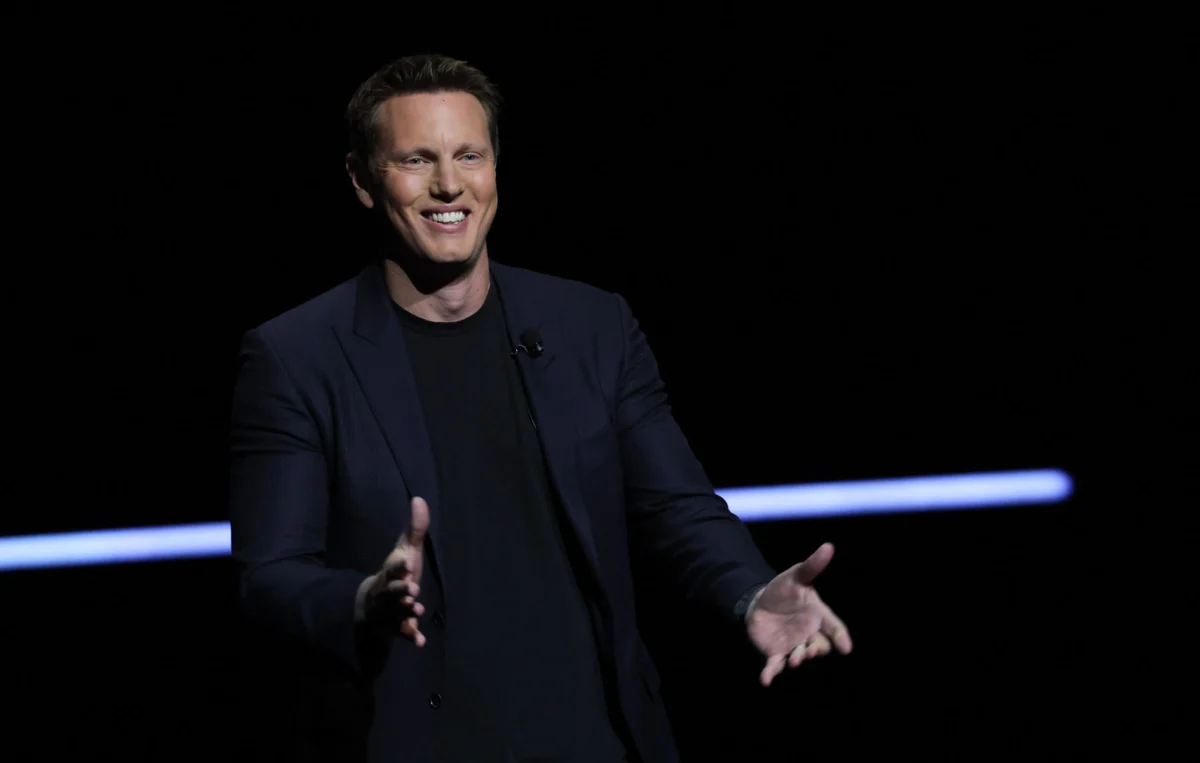
- April 16, 2026: David Ellison appears at CinemaCon in Las Vegas, outlining a vision for a "next-generation" media company that blends traditional storytelling with advanced digital distribution.
- May 4, 2026: During a Q1 earnings call, Paramount executives confirm the deal is on track for a third-quarter close, pending regulatory reviews.
- June 10, 2026: The Australian Competition and Consumer Commission (ACCC) grants approval, marking the first major international regulatory win for the deal.
- June 12, 2026: The U.S. Department of Justice officially clears the merger, citing no significant threat to competition.
Remaining Regulatory Hurdles and State Investigations
While federal approval is a monumental victory, the merger is not yet entirely in the clear. Significant regulatory work remains at both the state and international levels. In California, Attorney General Rob Bonta has maintained an active investigation into the deal’s impact on the local labor market and the state’s massive entertainment economy.
A statement from the California Department of Justice on Friday confirmed that the deal "remains under investigation." State officials are particularly concerned with how the consolidation of two major studios might affect production jobs, union contracts, and the diversity of content being produced within the state. While state-level challenges rarely scuttle a deal of this magnitude after federal approval, they can lead to required concessions, such as guarantees regarding job preservation or specific investments in local infrastructure.
On the international stage, the European Union’s regulatory arm has begun its own vetting process. European officials have set a deadline of July 14, 2026, to provide their initial determination. The EU has historically been more stringent regarding digital competition and data privacy, and the combined streaming footprint of Paramount+ and HBO Max will likely be a focal point of their review. However, the recent approval by Australian regulators suggests a growing international consensus that the merger is a necessary defensive move against the overwhelming scale of global tech platforms.
Industry Implications and the "Big Tech" Defense
The DOJ’s decision to allow the merger reflects a shifting philosophy in antitrust enforcement, one that acknowledges the changing definitions of "market power." In decades past, a merger between two of the "Big Five" Hollywood studios would have been unthinkable. Today, however, regulators appear to be weighing the size of legacy media companies against the gargantuan valuations and data advantages of companies like Alphabet (Google), Amazon, and Apple.
By approving the Paramount Skydance-WBD merger, the DOJ is effectively allowing legacy media to "bulk up" to survive. The combined company will possess one of the most valuable intellectual property portfolios in the world, ranging from the DC Cinematic Universe and Game of Thrones to Mission: Impossible and Star Trek. This library is seen as the primary leverage the company has in negotiating carriage deals with digital distributors and attracting subscribers to its unified streaming platform.
Analysts suggest that the merger will trigger a new wave of consolidation across the industry. With Paramount and WBD joined, pressure will mount on other players, such as NBCUniversal (Comcast) and Disney, to reassess their own scale. The "Streaming Wars," which began as a race for subscriber counts, have evolved into a war of attrition where only those with the deepest libraries and most efficient technology stacks can hope to achieve profitability.
Financial Outlook and Consumer Impact
The combined entity will face the immediate challenge of managing the significant debt load currently held by Warner Bros. Discovery while integrating the disparate corporate cultures of a traditional studio and a tech-forward production house like Skydance. David Ellison’s leadership will be tested as he attempts to streamline operations without stifling the creative output that defines the HBO and Warner Bros. brands.
For consumers, the most immediate impact will likely be the consolidation of streaming services. Industry insiders expect Paramount+ and HBO Max to eventually merge into a single "super-app," offering a mix of live news (via CNN), sports (via CBS and TNT Sports), and premium scripted content. While this may lead to higher monthly subscription fees, the companies argue that the value proposition—access to a vastly larger library under one roof—will justify the cost.
As the September deadline approaches, the media world will be watching closely to see if the remaining state and international regulators follow the DOJ’s lead. For now, David Ellison and the leadership at Paramount Skydance can celebrate a major victory in their quest to redefine the future of Hollywood. The federal government’s stamp of approval signals that in the modern era of entertainment, being "too big to fail" has been replaced by the necessity of being "big enough to compete."