


The landscape of modern television is undergoing a significant shift as it grapples with the rise of the digital creator economy, specifically the proliferation of adult content platforms like OnlyFans. This transition is most visible in two high-profile television properties: Apple TV+’s adaptation of Rufi Thorpe’s 2024 novel, Margo’s Got Money Troubles, and the ongoing third season of HBO’s Euphoria. While television has historically explored the lives of sex workers, these contemporary narratives move away from the street-level tropes of the past to focus on the intersection of technology, social media marketing, and the economic precarity of Gen Z. These shows highlight a new cultural reality: the creator class has become a central allegory for a society where individual lives are increasingly commodified for digital entertainment.
The Humanization of Digital Labor: Margo’s Got Money Troubles
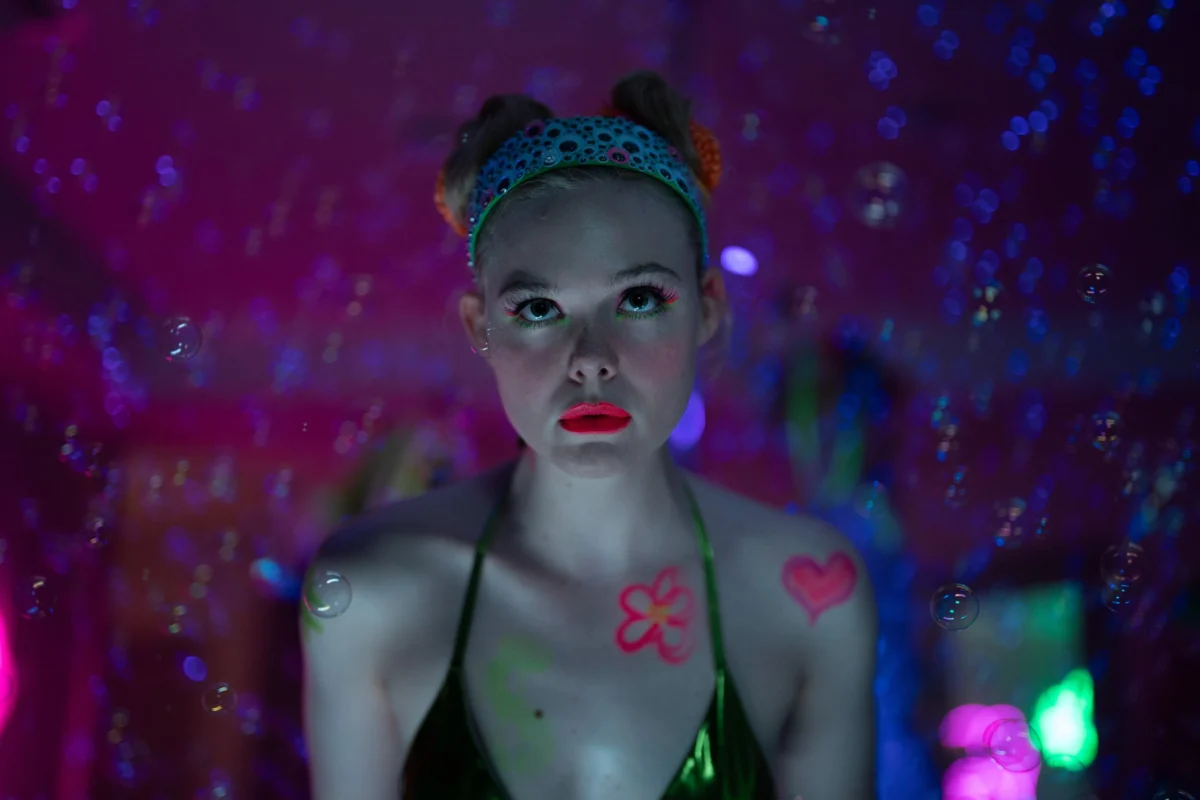
At the center of Apple TV+’s Margo’s Got Money Troubles is Margo Millet, played by Elle Fanning. Millet’s entry into the world of OnlyFans is driven not by a desire for fame, but by the stark reality of financial survival. A 20-year-old college dropout who becomes pregnant following a brief affair with her professor, Margo finds herself in a position common to many in the modern economy: strapped for cash, parenting solo, and facing a sudden doubling of rent after her roommates depart.
Margo’s niche on the platform is "constructive, recreational appendage analysis." For a $20 subscription fee, she provides detailed, often humorous critiques of subscribers’ private parts, often drawing parallels to Pokèmon characters. This specific narrative choice highlights the mundane, creative, and often absurd nature of digital sex work. For instance, she might inform a subscriber that their "Bulbasaur’s special move is Ooze Attack," a reference to "extremely potent pre-cum." This portrayal emphasizes the "work" in sex work, focusing on the labor of building a persona and the psychological insight required to manage a subscriber base.
The series, which concluded its first season on May 20, provides a granular look at the mechanics of the platform. Margo quickly discovers that simply existing on OnlyFans is insufficient for financial success. Because the platform limits its search features as a safety precaution to prevent users from accidentally encountering Not Safe For Work (NSFW) content, creators must find external ways to drive traffic. With the help of a friend, Margo develops the "Hungry Ghost" persona—an alien with an insatiable appetite for the boredom and anxieties of her followers. This narrative arc mirrors the real-world necessity for creators to maintain a cross-platform presence, utilizing TikTok and Instagram as marketing funnels to lead fans to their paid content.
The Growth and Socio-Economic Context of OnlyFans
The narrative focus on OnlyFans in mainstream media is reflective of the platform’s explosive growth over the last decade. Launched in 2016, OnlyFans has transformed from a niche site into a multibillion-dollar enterprise. As of 2024, the platform boasts over 4 million creators and more than 300 million registered users. For many members of Gen Z, the platform represents a viable, albeit controversial, alternative to traditional employment in an increasingly volatile job market.
The "creator class" described in these television shows is a response to real-world economic pressures. According to data from the platform, while the top 1% of creators earn a significant portion of the total revenue, many others use the site to supplement income during periods of financial instability. The portrayal of Margo as a solo parent using the platform to secure a stable income while maintaining a creative outlet is a narrative that resonates with the platform’s stated goal of providing creators with a way to monetize their content directly without traditional gatekeepers.
The Extremes of the Attention Economy: Euphoria’s Narrative Arc
In contrast to the grounded, humanistic approach of Margo’s Got Money Troubles, HBO’s Euphoria leans into the more sensationalized and darker aspects of the digital sex work industry. Created and directed by Sam Levinson, the third season of Euphoria follows Cassie (Sydney Sweeney) as she navigates the platform to fund an extravagant lifestyle, including a $50,000 budget for wedding flowers.
Under the management of her friend Maddy (Alexa Demie), Cassie’s journey becomes a series of escalating performances designed to satisfy the increasingly specific and often humiliating requests of her subscribers. These include foot videos, ASMR, age-play, and "giantess" fantasies. Levinson has stated that he drew inspiration from the 1958 sci-fi horror film Attack of the 50 Foot Woman to frame Cassie’s foray into sex work as a series of absurd hijinks. However, the show also depicts the psychological toll of this labor, showing Cassie engaging in behaviors—such as pretending to be a baby in a diaper—that push the boundaries of platform policies. (In reality, OnlyFans maintains strict acceptable use policies that prohibit the simulation of minors, a fact that highlights the discrepancy between television dramatization and actual platform regulation).
The Euphoria narrative underscores the "attention economy," where controversy and shock value are the primary drivers of growth. This is reflected in Maddy’s advice to Cassie: "You got their attention, now you gotta keep it." The show suggests that in the digital age, fame and infamy are often indistinguishable, and both are equally profitable.
Real-World Creator Perspectives and Industry Reactions
The portrayals in Margo and Euphoria have drawn reactions from real-world creators who navigate these platforms daily. Megan Graves, who performs under the name BigHonkinCaboose and was an inspiration for Thorpe’s novel, emphasizes that humor and authenticity are often more effective than hyperproduced pornography. Graves, who joined the platform in 2020, notes that "sexual things in general can have an air of silliness and absurdity," and that leaning into her personality—including dressing as characters like "Handsome Squidward"—has been her most successful strategy.
On the other hand, Annie Knight, a high-profile creator with over 500,000 followers, suggests that Euphoria’s focus on controversy is not entirely unfounded. Knight, who built her brand on high-visibility challenges—such as sleeping with a different person every day for a year—acknowledges that negative feedback often translates into increased visibility and subscribers. "I definitely realized very quickly that controversy was profitable," Knight told reporters, noting that the more people commented on her "horrible" videos, the more viral they went.
These perspectives highlight a fundamental tension in the industry: the balance between maintaining personal authenticity and the pressure to perform "spectacle" to remain relevant in a crowded marketplace.
The Marketing Funnel: TikTok, Instagram, and Cross-Platform Synergy
A critical element explored in both shows is the integration of adult content into the broader social media ecosystem. Both Margo Millet and Cassie must use mainstream platforms like TikTok and Instagram to build their brands. This "marketing funnel" is a standard practice in the creator economy.
Margo’s "Hungry Ghost" persona is built through "microdramas" on TikTok—short, scripted videos that hint at a deeper narrative available only on her paid page. This strategy bypasses the censorship of mainstream apps while still capturing the attention of their massive user bases. The use of elaborate storylines and high production value in these promotional videos illustrates how digital sex work has evolved into a form of multimedia storytelling. It is no longer just about the "nudes"; it is about the "brand" and the "narrative."
Broader Impact and Societal Implications
The emergence of OnlyFans as a subgenre in pop culture signals a broader societal shift in how we view labor, privacy, and entertainment. The narrative of the "starving artist" or the "struggling student" is being replaced by the "content creator" who uses their body and personal life as capital.
The fact that major streaming platforms like Apple TV+ and HBO are investing heavily in these stories suggests that the "online sexual economy" is no longer a peripheral concern but a central part of the cultural conversation. These shows force audiences to confront the realities of the gig economy, the erosion of the boundary between the private and the public, and the ways in which technology has transformed the oldest profession in the world.
As Margo’s Got Money Troubles and Euphoria demonstrate, there is no single way to tell a story about digital sex work. One show seeks to humanize the experience by focusing on the mundane and the creative, while the other explores the extremes of the profession through the lens of shock and spectacle. Both, however, agree on one thing: in the modern world, we are all, in some capacity, entertainment for one another. The digital economy has created a space where every aspect of the human experience—from financial desperation to sexual fantasy—can be recorded, marketed, and sold in real time.