


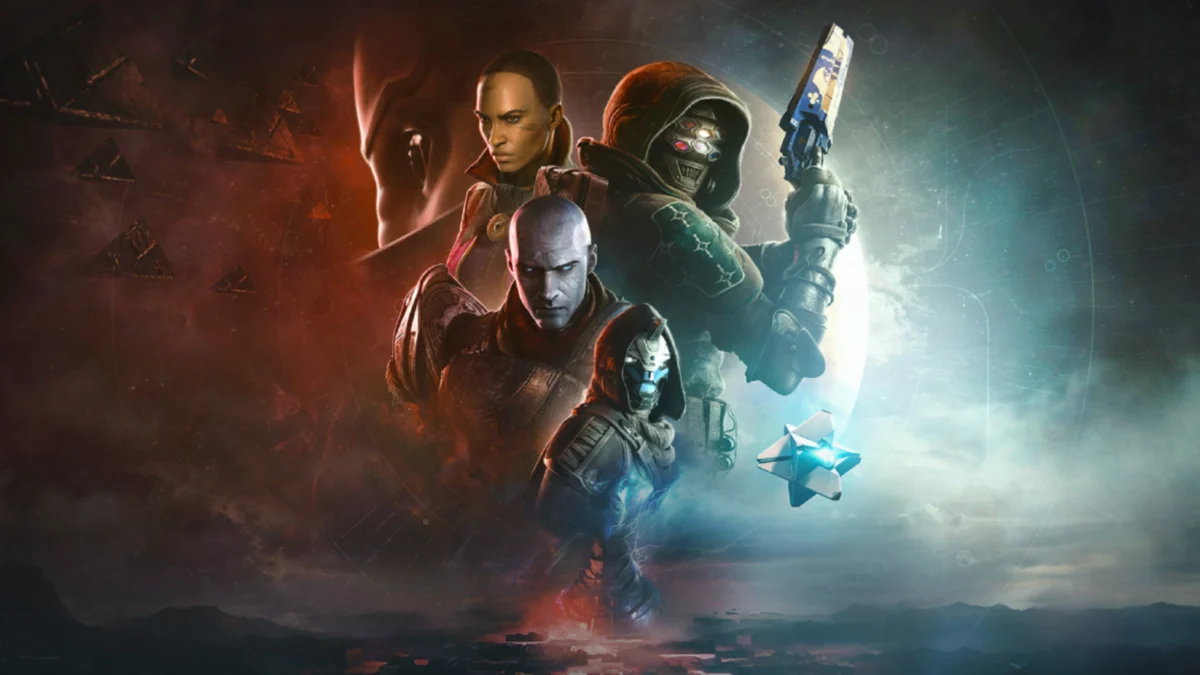
The landscape of the live-service gaming industry shifted significantly this week as Bungie, the veteran developer behind the Halo and Destiny franchises, announced a definitive timeline for the conclusion of active content development for Destiny 2. Nearly a decade after its initial launch, the developer confirmed that the final content update for the storied massive multiplayer online first-person shooter (MMOFPS) is scheduled to arrive on June 9, 2026. This announcement has triggered a volatile reaction within the game’s community, manifesting in a polarized review campaign on the Steam platform that highlights the complex relationship between long-term players and the evolving nature of live-service monetization.
While the studio emphasized that Destiny 2 will remain online and playable—following the precedent set by the original Destiny, which maintains a small but dedicated player base years after its final update—the news has reignited long-standing grievances regarding the game’s direction. Since the announcement, the title’s Steam page has become a digital battleground. Over 2,500 new reviews have been logged, with a significant portion categorized as negative, citing frustration over the game’s perceived decline and the suddenness of the development sunset. Simultaneously, a counter-movement of veteran players has emerged, utilizing the review section to share nostalgic tributes and express gratitude for a decade of social and competitive experiences.
The Timeline of a Decade-Long Odyssey
To understand the current friction within the Destiny 2 community, it is necessary to examine the game’s turbulent history. Launched in September 2017 as a sequel to the 2014 original, Destiny 2 began as a collaborative effort between Bungie and Activision. The title initially faced criticism for oversimplifying the deep RPG mechanics of its predecessor, leading to the "Go Fast" update and the critically acclaimed Forsaken expansion in 2018, which many players believe saved the franchise.
In 2019, Bungie took the unprecedented step of buying out its contract with Activision, becoming an independent self-publisher. This era saw the introduction of the "New Light" free-to-play model and the controversial Destiny Content Vault (DCV). The DCV resulted in the removal of older campaigns and locations to manage the game’s technical "bloat," a move that remains a primary point of contention in current negative reviews.
The acquisition of Bungie by Sony Interactive Entertainment for $3.6 billion in 2022 was intended to provide the studio with the resources needed to expand the Destiny universe. However, despite the narrative success of the "Light and Darkness Saga," which culminated in the 2024 expansion The Final Shape, the studio has faced increasing pressure to maintain revenue targets amidst a cooling market for live-service titles. The June 2026 cutoff represents the final chapter of a ten-year plan that has seen the game transition through three publishers and multiple radical shifts in its economic structure.
Analytical Breakdown of Community Sentiment
The current "review bombing" campaign on Steam serves as a microcosm of the frustrations that have plagued the Destiny 2 player base for years. Analysis of the negative feedback reveals several recurring themes:
- Content Sunsetting and Accessibility: Many players, such as those citing "unplayable campaigns," remain bitter over the removal of paid content. The inability for new players to experience the full story from beginning to end is viewed by many as a fundamental failure in the game’s architecture.
- Monetization Fatigue: Throughout its lifecycle, Destiny 2 has experimented with various revenue streams, including annual expansions, seasonal passes, dungeon keys, and cosmetic microtransactions. Negative reviews frequently highlight a feeling of being "priced out" or "over-monetized."
- The "Next Game" Pivot: A subset of the community expressed anger at the perceived abandonment of Destiny 2 in favor of Bungie’s upcoming extraction shooter, Marathon. Comments such as "dropped one of my favorite games for another game that will last one year" reflect a lack of confidence in Bungie’s ability to capture lightning in a bottle twice.
Conversely, the positive reviews provide a starkly different perspective, focusing on the social bonds formed through the game’s cooperative raids and strikes. Many long-term players have used the announcement to reflect on thousands of hours of gameplay. One user, with over 1,300 hours clocked, invoked the game’s own lore, stating, "We’ve become legend," referencing a tagline that has defined the player’s journey since 2014. These reviews often acknowledge the game’s flaws but argue that the emotional investment and friendships formed over the years outweigh the technical and corporate mismanagement.
.png?width=1200&height=630&fit=crop&enable=upscale)
Internal Turmoil and the Bloomberg Report
The announcement of Destiny 2’s final content drop does not exist in a vacuum. Following the public statement, a report published by Bloomberg’s Jason Schreier has cast a shadow over the studio’s internal health. According to the report, Bungie is poised to undergo "significant" layoffs in the near future as part of a broader restructuring under Sony’s leadership.
Furthermore, the report claims that a direct successor, often referred to by fans as Destiny 3, is not currently in active development. This revelation has been particularly jarring for the community, as many had assumed the end of Destiny 2 would signal the beginning of a next-generation sequel. Instead, it appears Bungie will focus on maintaining Destiny 2 in a "legacy" state while diverting its primary creative resources toward Marathon and other unannounced projects.
This internal instability mirrors broader trends within Sony’s PlayStation Studios. Following the high-profile failure of the live-service shooter Concord, which was shut down just weeks after launch, Sony has reportedly been re-evaluating its aggressive push into the live-service market. Other titles, such as Steel Hunters and Highguard, have faced similar fates, suggesting that the industry is reaching a saturation point where only the most established titles can survive.
The "Maintenance Mode" Reality
What happens to an MMO when development stops? Bungie has clarified that while new content will cease after June 9, 2026, the servers will remain active. This state, often referred to in the industry as "maintenance mode," typically involves a skeleton crew dedicated to server stability, bug fixes, and occasional cycling of existing in-game events.
The precedent set by the original Destiny suggests that the game can survive in this state for years. However, Destiny 2 is a significantly more complex ecosystem. The game relies on a seasonal rotation and a constant influx of new rewards to keep the "loot chase" viable. Without new expansions or seasonal narratives, industry analysts suggest that the player population will likely see a sharp decline following the final update, eventually stabilizing into a niche community of hardcore completionists.
Broader Implications for the Live-Service Genre
The sunsetting of Destiny 2 development marks the end of an era for the "looter-shooter" genre. Alongside titles like Warframe and Tom Clancy’s The Division, Destiny defined a generation of gaming where players expected a "forever game" that would grow and evolve indefinitely.
The current backlash on Steam illustrates the inherent risk of the live-service model: when a developer asks for years of time and hundreds of dollars in investment, the eventual end of that service is viewed by many not as a natural conclusion, but as a breach of trust. The "directional mistakes" mentioned in community reviews—ranging from the sunsetting of weapons to the complexity of the "build-crafting" systems—highlight how difficult it is to balance the needs of hardcore veterans with the accessibility required to attract new players.
As Bungie prepares for its final two years of Destiny 2 content, the studio faces the Herculean task of delivering a satisfying conclusion to a decade of storytelling while navigating internal layoffs and a skeptical audience. The division on Steam serves as a reminder that for many, Destiny 2 was more than just a game; it was a daily habit, a social club, and a significant financial investment. Whether Bungie can transition this legacy into future success with Marathon remains to be seen, but for the Guardians of the Last City, the countdown to June 2026 has officially begun.