
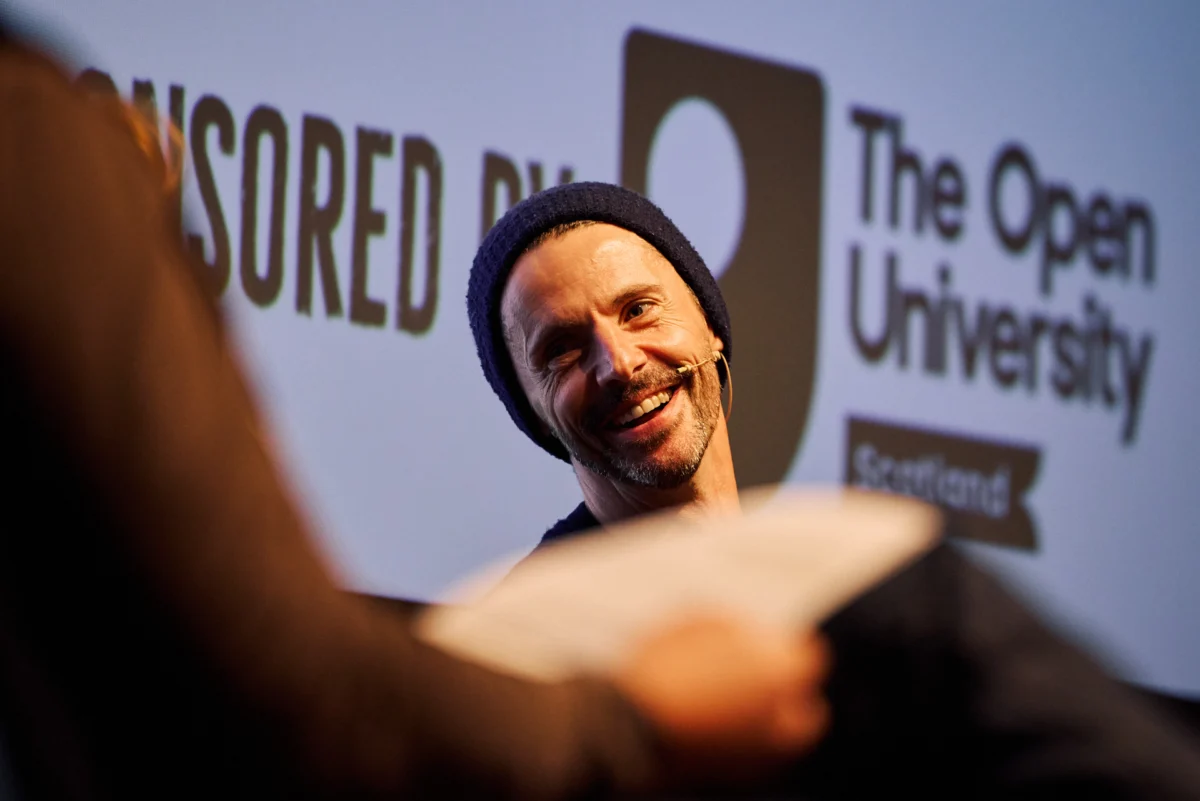
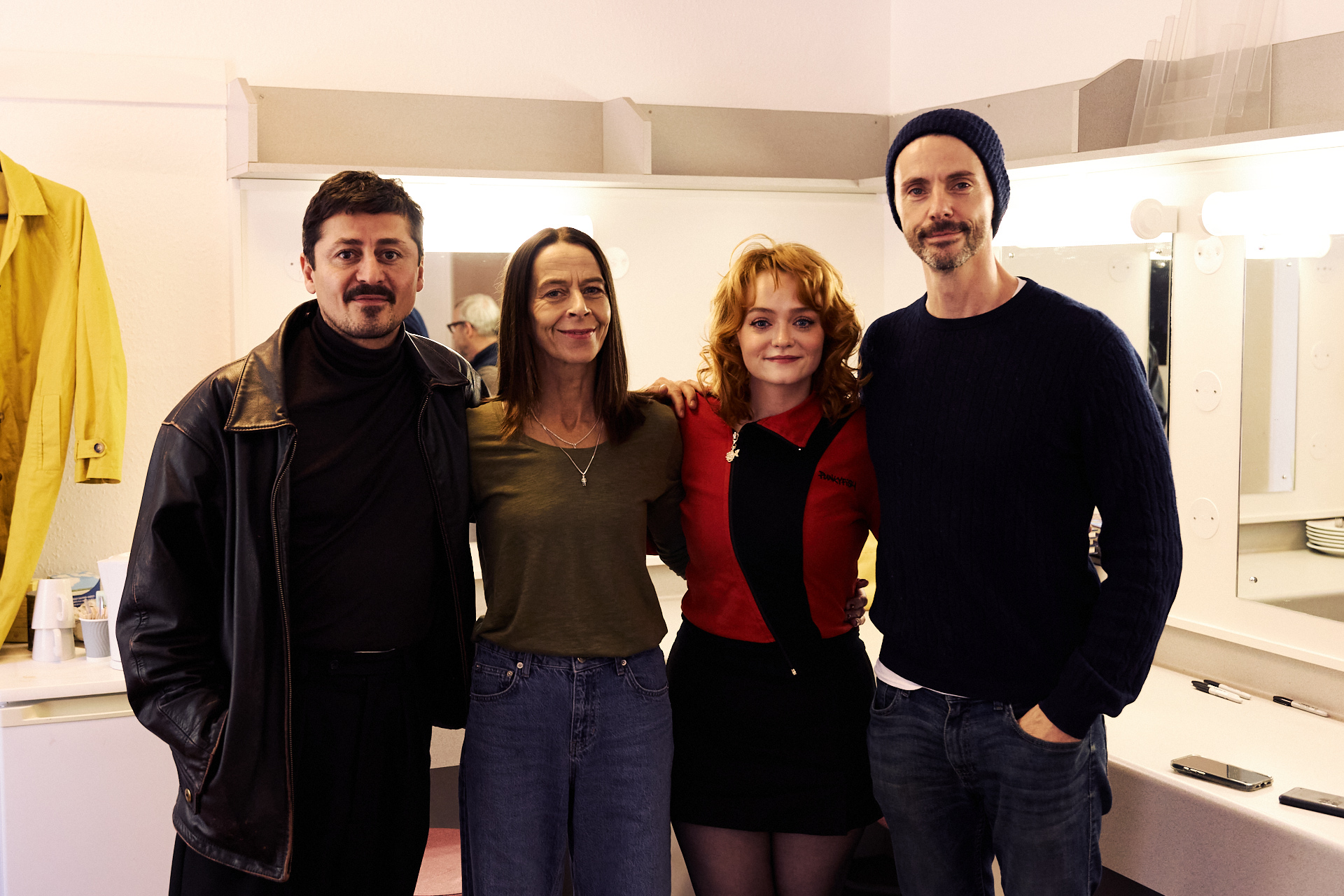
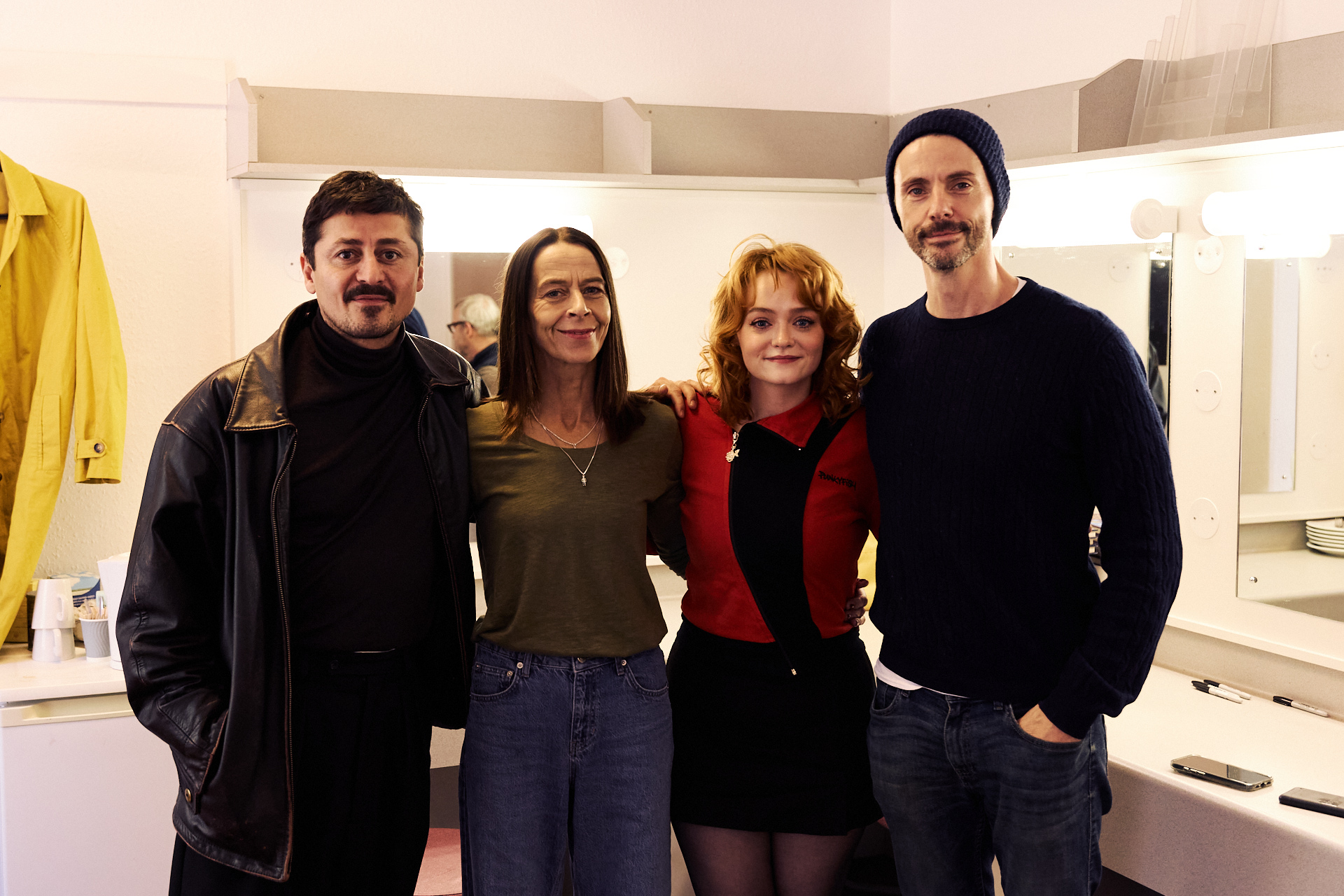
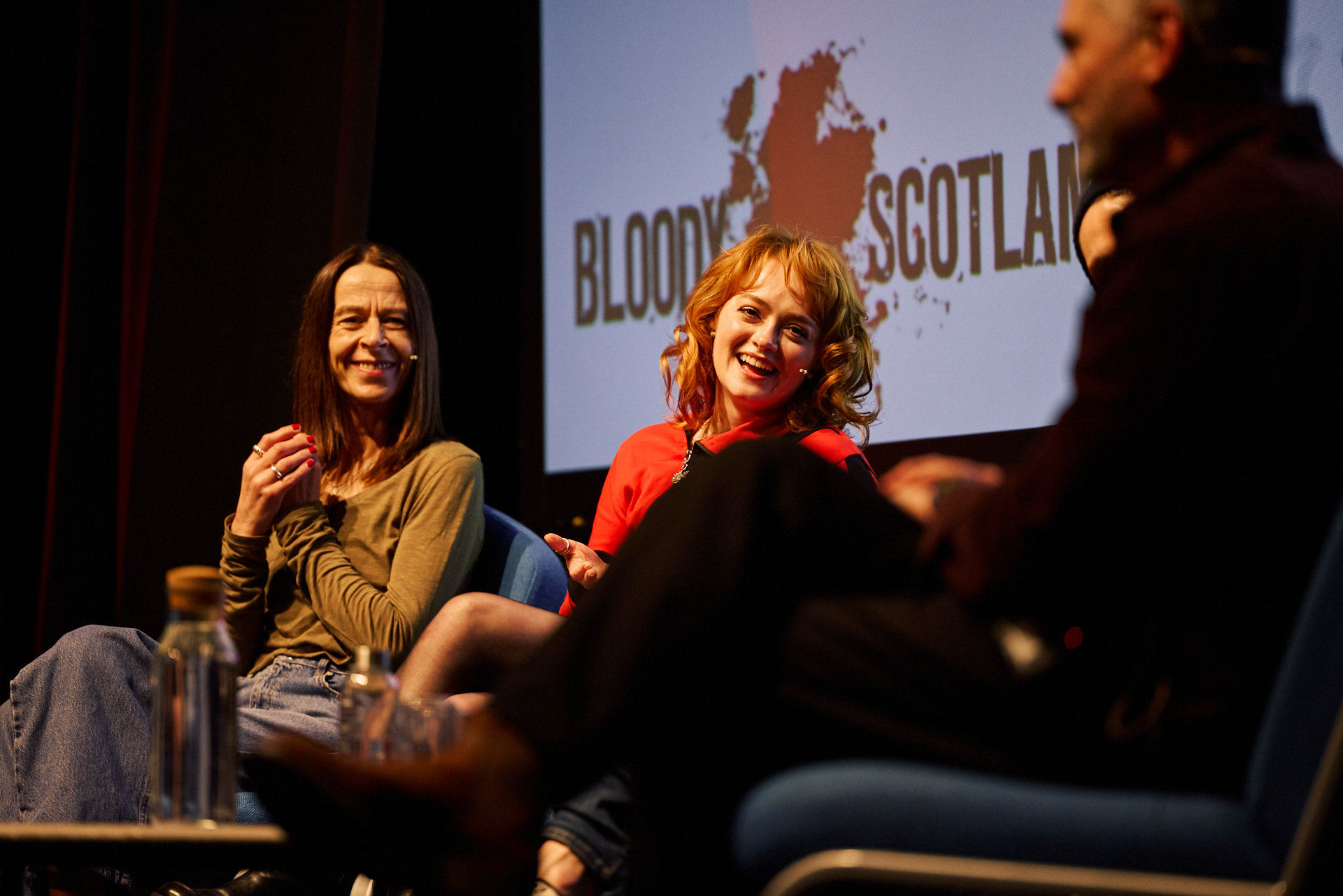
The cast and creative team behind Netflix’s acclaimed Edinburgh-based crime thriller, Dept Q, made a surprise appearance at the Albert Halls in Stirling this past Sunday, marking the closing event of the prestigious Bloody Scotland crime writing festival. Despite being in the midst of a demanding production schedule for the show’s second season, writer-director Scott Frank and lead actors Matthew Goode, Kate Dickie, Alexej Manvelov, and Leah Byrne participated in a panel discussion moderated by executive producer Rob Bullock. The session provided a rare window into the development of the series, clarifying production timelines, character trajectories, and the collaborative dynamics between the showrunners and Netflix.
A Production Update and Timeline Analysis
The logistics of the panel underscored the intensity of the current production cycle. Rob Bullock confirmed that the team is approximately 15 weeks into a 20-week filming block, a schedule further complicated by the inclusion of nocturnal shooting sessions. While early industry speculation suggested a production window concluding in December, internal data and recent updates clarify a more accelerated timeline. Principal photography, which commenced on June 1, is currently tracking toward an October 11 wrap date. This puts the production at day 111 as of the festival appearance, placing the project firmly on schedule for a projected release in the latter half of 2025.
This timeline reflects a strategic approach by Netflix to maintain the momentum established by the show’s inaugural season. By adhering to a rigorous, mid-year production schedule, the streaming giant aims to minimize the "content gap" often experienced by high-end serialized dramas, ensuring that audience engagement remains consistent.
Character Evolution and Narrative Directions
Season two promises a deeper exploration of the core ensemble, moving beyond the procedural constraints that defined the show’s introduction. Scott Frank, known for his subversive approach to genre tropes, offered a characteristically understated take on the upcoming narrative, suggesting that the focus remains firmly on character-driven stakes rather than conventional "whodunnit" mechanics.
Matthew Goode, who portrays the complex DCI Carl Mørck, highlighted the expansion of the relationship between Mørck and his colleague, Akram Salim, played by Alexej Manvelov. "You start finding out about Akram and you’re just like, awesome," Goode noted, hinting at a significant shift in the power dynamics of the team. Manvelov elaborated on this by framing Akram as a foil to Mørck’s volatility. While Mørck is presented as inherently chaotic, Akram serves as a stabilizing force—a character who, despite his own internal trauma, acts as the group’s "stable point of gravity."
The panel also addressed the professional and personal expansion of Chief Superintendent Moira Jacobson. Kate Dickie revealed that the audience will gain unprecedented access to Jacobson’s life outside the precinct, specifically citing scenes filmed in her private residence. Furthermore, the inclusion of more dynamic, location-based filming—including sequences involving aerial support—signals a broader scope for the second season. Frank confirmed that while the show utilizes purpose-built sets for internal sequences, the production has expanded its geographic footprint to include Aberdeen, moving beyond the established Edinburgh locations.
Regarding the absence of Kelly Macdonald, who played Dr. Rachel Irving in the first season, Frank clarified that scheduling conflicts with her commitment to the series Lanterns necessitated her departure. However, he left the door open for a potential return, noting that the fluidity of long-form television allows for future narrative integration should schedules align.
The Methodology of a Creator
A significant portion of the discussion centered on Scott Frank’s unconventional writing process. Frank self-identified as a "pantser"—a writer who develops the story organically rather than through rigid, pre-planned outlines. He admitted that the first season was essentially "building the airplane while we were flying it," with only two episodes scripted at the commencement of principal photography. This admission provides context for the show’s distinct, character-first pacing, which Frank defends as a necessity for establishing emotional resonance.
"The whodunnit is not as important as the whydunnit," Frank asserted. His philosophy centers on the idea that if the audience is deeply invested in the characters’ internal lives, the mystery becomes secondary to the emotional payoff. This approach has resonated with both critics and viewers, transforming the series into a benchmark for modern crime drama on streaming platforms.
Industry Dynamics: The Netflix Partnership
The panel addressed the broader industry narrative regarding the relationship between high-profile showrunners and streaming platforms. There is a persistent belief within the entertainment industry that streamers exert excessive control over creative decisions, particularly regarding aesthetic choices like lighting and color grading. Frank vehemently challenged these claims, labeling them as misconceptions.
"If a show is lit like crap, it’s because the director and the cinematographer lit it like crap," Frank stated. He credited his successful partnership with Netflix to a mutual agreement on creative intent established during the pre-production phase. By securing alignment on the vision early, the collaborative process shifts from a struggle over aesthetics to a pragmatic negotiation of budget and schedule.
This sentiment was echoed by Rob Bullock, who provided insight into the collaborative nature of the pitch meetings. He described a process where Netflix executives actively sought feedback on what elements of the first season resonated most with the audience. By synthesizing this data with the creative goals of the production team, Netflix and the showrunners established a roadmap for the second season that aims to capitalize on the character dynamics that defined the show’s initial success.
Implications for the Franchise
The enthusiasm displayed by the cast, particularly regarding the potential for future seasons, suggests that Dept Q is being positioned as a cornerstone franchise for Netflix UK. Matthew Goode’s expressed interest in continuing the role into a third season indicates a high level of commitment from the talent, supported by the depth of the source material.
The success of Dept Q can be attributed to several factors: the synergy between the cast, the narrative focus on internal character trauma rather than purely external plot points, and the high production values afforded by the current partnership with Netflix UK. As the series moves into its second season, the focus on expanding the scope—geographically and character-wise—demonstrates a commitment to avoiding the stagnation that often affects long-running crime dramas.
By maintaining a "story-first" approach while navigating the logistical complexities of a major streaming production, the team behind Dept Q has successfully navigated the challenges of modern television production. The upcoming release in late 2025 is set to be a significant test of this strategy, as the show attempts to balance the expectations of its established fanbase with the necessity of evolving its core premise. As the production nears its conclusion in October, the industry will be watching closely to see if this blend of improvisational writing and high-stakes production design continues to yield the same level of audience engagement.