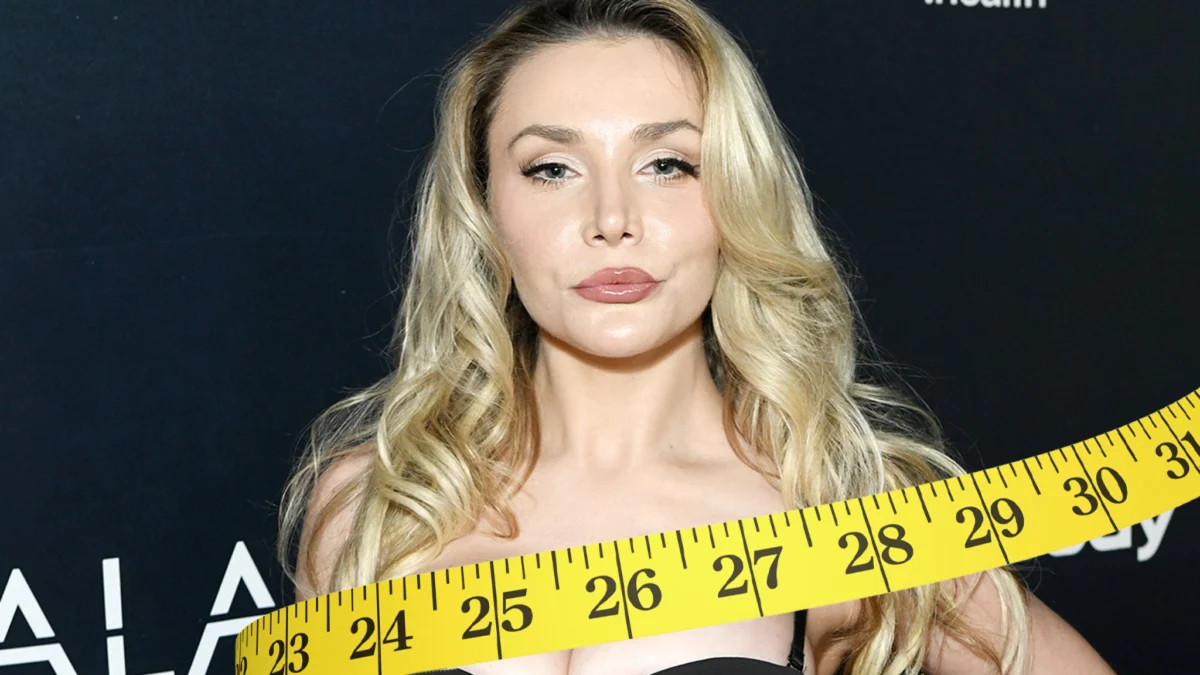
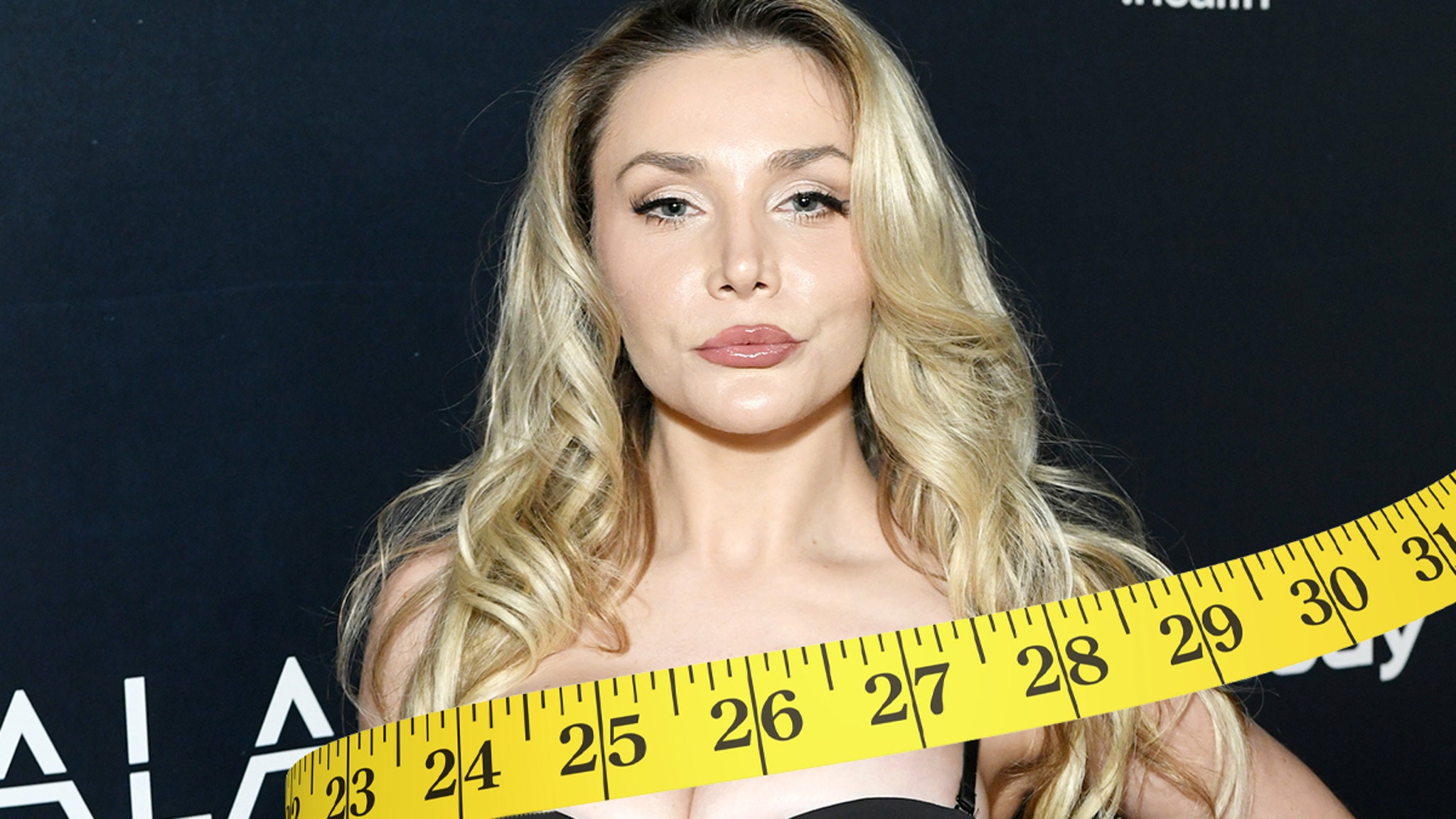
Courtney Stodden, a figure whose early life was thrust into the unrelenting glare of public scrutiny, is poised to undergo a significant breast reduction surgery, an event she has profoundly framed as a pivotal step in reclaiming her autonomy and healing from deeply ingrained trauma. Scheduled for May 21, 2026, the procedure is not merely a cosmetic alteration but a symbolic act of liberation, marking a conscious departure from a past where her physical appearance was, in her words, "consumed" by the public before she had fully matured. This decision, announced through an emotional social media post on May 20, 2026, resonates with a growing trend of public figures re-evaluating and reshaping their physical identities in alignment with their evolving sense of self and well-being.
The Genesis of a Public Persona: Marriage and Scrutiny
Stodden’s journey into the public consciousness began under extraordinary circumstances that would indelibly shape her early adulthood and public perception. On May 20, 2011, at the tender age of 16, she married actor Doug Hutchison, then 51 years old, in a Las Vegas ceremony. The union, which required parental consent to be legally valid in Nevada, ignited an immediate firestorm of controversy. The staggering 35-year age gap, coupled with Stodden’s youth, prompted widespread ethical debates about child marriage, exploitation, and the intense media commodification of young women. This event became the defining narrative of her formative years, casting a long shadow over her identity and public image.
The media, both traditional and nascent digital platforms, descended upon Stodden, frequently framing her as a caricature rather than a complex individual navigating a highly unusual situation. Her physical appearance, already subject to the pressures of an industry that often objectifies young women, became a primary focus. The public gaze was relentless, dissecting her outfits, her demeanor, and her perceived maturity, often ignoring the inherent power imbalance and potential vulnerability of a minor in such a high-profile, adult relationship. This period of intense public scrutiny, coupled with the dynamics of her marriage, contributed to a profound sense of external control over her body and identity, a sentiment she has openly expressed in recent years.
The Evolution of Body Image: Implants and Public Perception
In 2013, upon turning 18, Stodden underwent breast augmentation surgery. At the time, this decision was reportedly driven by a desire to "feel like a woman, and not a child amid her trauma." This statement provides crucial insight into the psychological landscape she inhabited during those early years. The implants, a physical manifestation of a perceived adult identity, were sought not out of pure aesthetic preference but as a coping mechanism, an attempt to align her external presentation with the demanding expectations placed upon her, or perhaps to create a shield against the intense public gaze that had defined her existence. For many young women in the entertainment industry, particularly those who enter it at a young age, cosmetic procedures can sometimes be a response to external pressures to conform to idealized, often hypersexualized, beauty standards, rather than an expression of genuine self-choice. Stodden’s decision, in retrospect, appears to have been deeply intertwined with the psychological aftermath of her controversial marriage and the subsequent objectification she endured.
The implants, while perhaps offering a temporary sense of control or perceived maturity, ultimately became another focal point for public discussion and judgment. Her body, already a battleground for public opinion, continued to be consumed as a spectacle. This experience underscores a broader societal issue where female celebrities, especially those who come of age in the public eye, often find their bodies under perpetual surveillance and subject to relentless commentary, irrespective of their personal motivations for any physical changes.
Reclaiming Autonomy: The Significance of Downsizing
Stodden’s impending breast reduction surgery is a profound act of self-determination, signaling a shift from external validation to internal authenticity. Her declaration, "For the first time in my life, my body feels like it belongs to me instead of the public that consumed it before I even became a woman," encapsulates the essence of this transition. This statement goes beyond a simple cosmetic preference; it speaks to a deep psychological journey of reclaiming ownership over her physical self, disentangling it from the projections, expectations, and trauma of her past.
The decision to downsize, rather than simply remove the implants entirely, suggests a nuanced approach to her body image – not a rejection of femininity, but a redefinition of what it means to her, free from the external pressures that once dictated her choices. A source close to Stodden clarified that the goal is not to eliminate her breasts but to make them "more manageable," indicating a desire for comfort, proportion, and a body that feels more authentically hers. This move can be interpreted as a symbolic shedding of the hypersexualized image she felt compelled to adopt, a deliberate effort to align her physical form with her matured identity and personal sense of comfort, rather than external demands or past trauma responses.
A Broader Context: Celebrity Body Journeys and Mental Health
Stodden’s choice aligns with a burgeoning movement among celebrities and the wider public towards authenticity and mental well-being in relation to body image. In recent years, an increasing number of public figures have openly discussed their decisions to reverse previous cosmetic procedures, remove implants, or embrace more natural aesthetics. This trend reflects a growing societal awareness of the psychological toll that relentless pursuit of perfection or adherence to external beauty standards can take. Stars like Chrissy Teigen, Ashley Tisdale, and others have shared their experiences of implant removal, often citing reasons such as physical discomfort, health concerns, or a desire to feel more "themselves" after years of conforming to industry pressures.
This shift underscores a broader cultural re-evaluation of beauty ideals, moving away from monolithic standards towards a greater emphasis on individual comfort, health, and self-acceptance. It highlights the often-overlooked mental health component of cosmetic surgery, revealing that procedures undertaken in youth or under duress may later be revisited as individuals gain maturity, perspective, and a stronger sense of self. For many, like Stodden, these physical changes are deeply intertwined with a journey of healing and self-discovery, allowing them to reconcile their past public image with their present inner truth.
Courtney Stodden’s Advocacy and Evolving Narrative
Beyond her personal journey, Courtney Stodden has increasingly used her platform to advocate for others who have experienced exploitation and trauma. She has become a vocal proponent against child marriage, sharing her own story as a cautionary tale and calling for legislative reform. Her public narrative has shifted from one of a controversial figure to that of a survivor and an advocate, bravely speaking out about the complexities of her past and the long-term psychological impact of early-life exploitation.
Her emotional Instagram post, preceding the surgery, is indicative of this evolving narrative. By openly sharing her vulnerabilities and the profound significance of this procedure, she contributes to a broader dialogue about trauma, healing, and the right to bodily autonomy. Her candor allows her to connect with a wider audience, particularly those who may have experienced similar feelings of disempowerment or objectification. This act of public vulnerability transforms a personal medical decision into a powerful statement about reclaiming one’s narrative and body.
Implications and Societal Reflection
Stodden’s journey prompts a renewed societal reflection on several critical issues. Firstly, it reignites discussions surrounding child marriage laws in the United States, where, as of 2024, marriage under the age of 18 is still legal in some states with parental consent or judicial approval. Her experience serves as a stark reminder of the potential for exploitation and the long-lasting psychological consequences for minors involved in such unions.
Secondly, it forces a re-examination of media ethics and the responsibility of news outlets and the public in shaping the narratives of young individuals thrust into the spotlight. The "consumption" of Stodden’s body and persona by the public, as she described it, highlights the dehumanizing effect of sensationalized reporting and the ease with which society can participate in the objectification of vulnerable individuals.
Finally, her story contributes to the ongoing conversation about body positivity and body neutrality. While body positivity often focuses on celebrating all body types, body neutrality emphasizes accepting one’s body for its function rather than its appearance. Stodden’s decision, driven by a desire for internal comfort and a sense of ownership, aligns with the core tenets of both movements, asserting the right of an individual to make choices about their body that prioritize their well-being and sense of self, irrespective of external pressures or aesthetic trends.
As Courtney Stodden embarks on this next chapter, her breast reduction surgery stands as more than just a medical procedure. It is a powerful testament to resilience, a courageous step in a lifelong journey of healing, and a resonant message about the profound importance of reclaiming one’s body, one’s narrative, and one’s autonomy after trauma. Her public sharing of this deeply personal decision serves not only her own healing but also contributes to a larger societal understanding of exploitation, body image, and the enduring power of self-determination.