


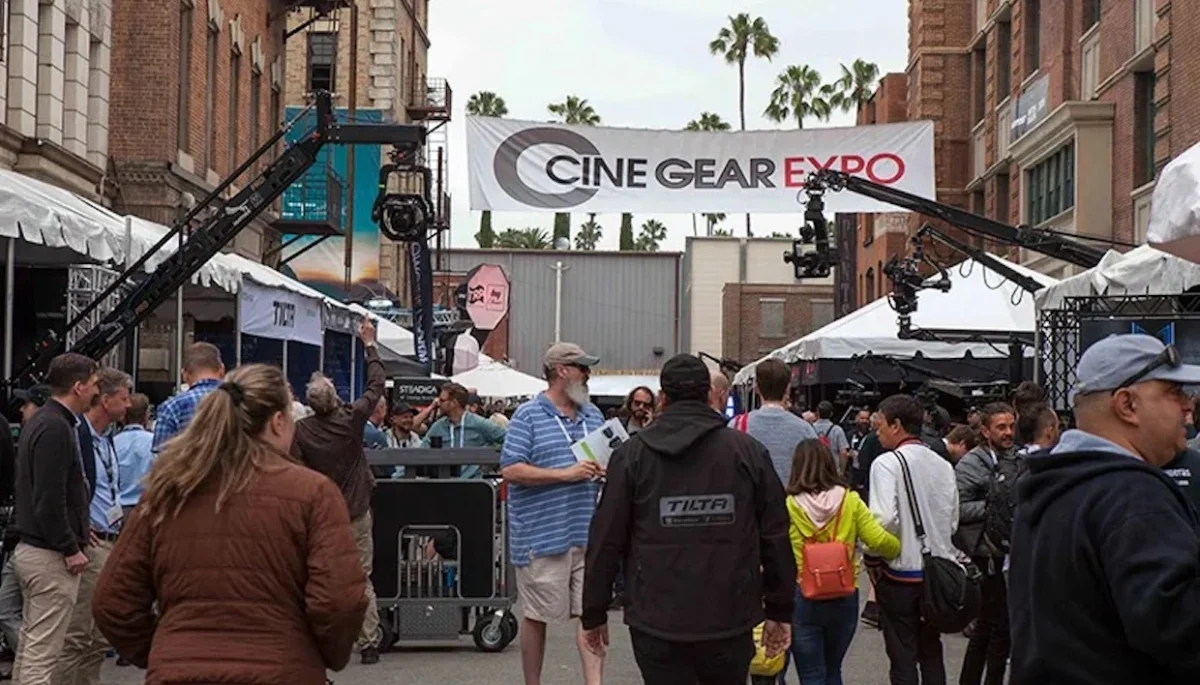
The 2026 Cine Gear Expo, hosted on the historic Universal Studios Lot, marked a pivotal moment for the motion picture industry, blending high-end digital advancements with a significant resurgence in analog film technology. Unlike the broader, more corporate atmosphere of the NAB Show in Las Vegas, Cine Gear Expo 2026 maintained its reputation as a specialized, community-driven gathering for cinematographers, gaffers, and lighting technicians. The two-day event served as a critical platform for industry veterans and a new generation of filmmakers to explore the latest tools of the trade, ranging from cutting-edge LED color engines to the first new 16mm film camera developed in decades.
A Shift in Venue and Demographic Energy
The transition of the expo from its former home at the Warner Bros. lot to the Universal Studios backlot presented both opportunities and logistical challenges for attendees. While the Universal setting provided an iconic Hollywood backdrop, the sprawling layout necessitated a shuttle system between the seminar areas and the vendor tents. Despite these minor hurdles, the atmosphere remained overwhelmingly positive, characterized by what attendees described as an "ethnographic" exploration of the current state of filmmaking.
Industry observers noted a significant demographic shift during the 2026 event. A notable influx of younger attendees—many of whom are film school students or independent creators—was attributed to the viral success of projects like Obsession and The Backrooms. This "Gen Z" interest in cinematography is increasingly focused on the tactile nature of film and naturalistic lighting, signaling a move away from the hyper-processed digital look that dominated the early 2020s. This youthful energy was palpable throughout the Friday sessions, which preceded the arrival of more established union professionals on Saturday.
The American Society of Cinematographers: A Century of Vision
A cornerstone of the expo was the annual American Society of Cinematographers (ASC) panel, which this year featured a prestigious lineup of 15 members. The panel included Academy Award nominees and industry leaders such as Jeff Cronenweth (The Girl with the Dragon Tattoo), Rachel Morrison (Black Panther), Karl Walter Lindenlaub (Independence Day), and Natasha Braier (I Love Boosters).
The discussion transcended technical specifications, focusing instead on the psychological and "body conscious" aspects of the craft. Steven Fierberg (Secretary) emphasized the intuitive nature of camera placement, suggesting that a cinematographer’s physical presence on set often dictates the emotional resonance of a shot. Natasha Braier echoed this sentiment, discussing how her upbringing in Argentina under a military dictatorship informed her use of subtext and shadow. The panel also featured a retrospective montage celebrating over 100 years of ASC history, including glimpses of John Toll’s seminal work on The Thin Red Line.
Rapid Evolution in Lighting and Control Systems
The lighting sector continues to be one of the most rapidly evolving segments of the industry. Professionals at the expo, including veteran gaffers from Local 728, noted that the traditional timeline of lighting innovation—which moved slowly from tungsten to HMI and fluorescent—has been replaced by a cycle of annual updates in LED technology.
Aputure remained a focal point of discussion with its proprietary Blair CG color engine, which promises unprecedented color accuracy and skin tone reproduction. However, the software side of lighting also saw major breakthroughs. The preview of Blackout Lighting Console V3 garnered significant attention for its move toward visual control components. By transitioning from purely numerical value-based processes to an intuitive iPad-controlled interface, Blackout V3 aims to streamline the workflow for lighting programmers on complex sets. This update is expected to be a major competitor in the lighting control market upon its full release later this year.
The Cinelux Sixteen: A New Era for 16mm Film
Perhaps the most discussed hardware reveal at Cine Gear 2026 was the prototype of the Cinelux Sixteen. Developed by Cinelux Cinema Tools and showcased at the CSLA rental house booth, the Cinelux Sixteen is the first new film camera to enter development in several years. What sets this unit apart is its hybrid capability; it is designed to shoot 16mm film and digital footage simultaneously.
The technical specifications of the Cinelux Sixteen include:
- Simultaneous Recording: Captures physical film and 3.2k digital proxies to an SD card.
- Real-time Emulation: The digital files include a film-emulation LUT to provide directors and producers with an immediate approximation of the final developed look.
- Open-Source Philosophy: Chief Engineer Caz Voorhees announced plans to make the magazine designs open-source, allowing users to 3D-print components in emergency situations.
The development team cited the film magazine as the most significant engineering hurdle, requiring a frictionless environment within a highly compressed space. While currently in its third prototype phase, the camera is slated for a mid-2027 release. This innovation is seen as a strategic solution for directors who prefer the aesthetic of film but face pressure from producers to maintain the speed and efficiency of digital dailies.
The Art of Lens Rehousing and Anamorphic Innovation
The "lens department" of the expo showcased a growing trend in "rehousing"—the process of taking vintage or high-quality photography glass and retrofitting it with modern cinema housings. Zero Optik has emerged as a leader in this niche, recently completing a high-profile project for the ASC. The company restored a set of Todd-AO 65mm prime lenses from the 1950s, which were originally used on classics like The Sound of Music. Cinematographer Greig Fraser (Dune: Part Two, Project Hail Mary) collaborated on the project to ensure visual consistency across the set.
Simultaneously, Atlas Lens Co. continues to expand its footprint in the anamorphic market. Founded by Dan Kanes, the company has transitioned from a garage-based startup to a major supplier for blockbusters like Babylon and the upcoming Dune: Part Three. At Cine Gear 2026, Atlas highlighted its new Kaizen Series Anamorphic lenses. These lenses are specifically engineered for large-format sensors, such as the Fujifilm GFX Eterna 55 and the Arri Alexa 265. The Kaizen series maintains the coveted "vintage look" of the 70s and 80s while solving traditional anamorphic issues like high field curvature, allowing for sharp focus across the entire frame in multi-person shots.
Technical Education and Community Integration
The expo concluded with a masterclass in pedagogy from M. David Mullen, a cinematographer renowned for his work on The Marvelous Mrs. Maisel and his contributions to professional forums. Mullen’s seminar, presented by Red Digital Cinema, provided a granular breakdown of complex multi-camera tracking shots. By deconstructing the movement and placement of four simultaneous cameras, Mullen illustrated the logistical precision required for high-end television production.
The event’s finale took place at the ASC Clubhouse in Hollywood for the annual post-expo barbecue. This tradition highlights the unique nature of the cinematography community, where competitors and collaborators gather to share insights in an informal setting.
Broader Implications for the Film Industry
The 2026 Cine Gear Expo signals several key trends that will likely define the next five years of production:
- Analog-Digital Convergence: Rather than digital replacing film, the industry is moving toward a "best of both worlds" approach, as evidenced by the Cinelux Sixteen and the demand for vintage glass on high-resolution digital sensors.
- Accessibility of High-End Tools: The rise of companies like Aputure and Atlas Lens Co. indicates that high-quality cinematography tools are becoming more accessible to independent filmmakers, breaking the monopoly of traditional legacy brands.
- Sustainability of Craft: The focus on "rehousing" and "open-source" components suggests a shift toward the longevity of equipment. Rather than discarding old technology, the industry is finding ways to integrate 20th-century optics into 21st-century workflows.
- Democratization of Knowledge: Seminars by figures like M. David Mullen and the open nature of the ASC panels demonstrate a commitment to passing on specialized knowledge to the "forever-unemployed, freelance" demographic that forms the backbone of the Los Angeles film scene.
As Hollywood continues to navigate the complexities of modern distribution and diminishing theatrical windows, the Cine Gear Expo 2026 stands as a testament to the enduring importance of the visual craft. The innovations displayed on the Universal lot suggest that while the business of cinema may be changing, the technical and artistic passion driving it remains more vibrant than ever.