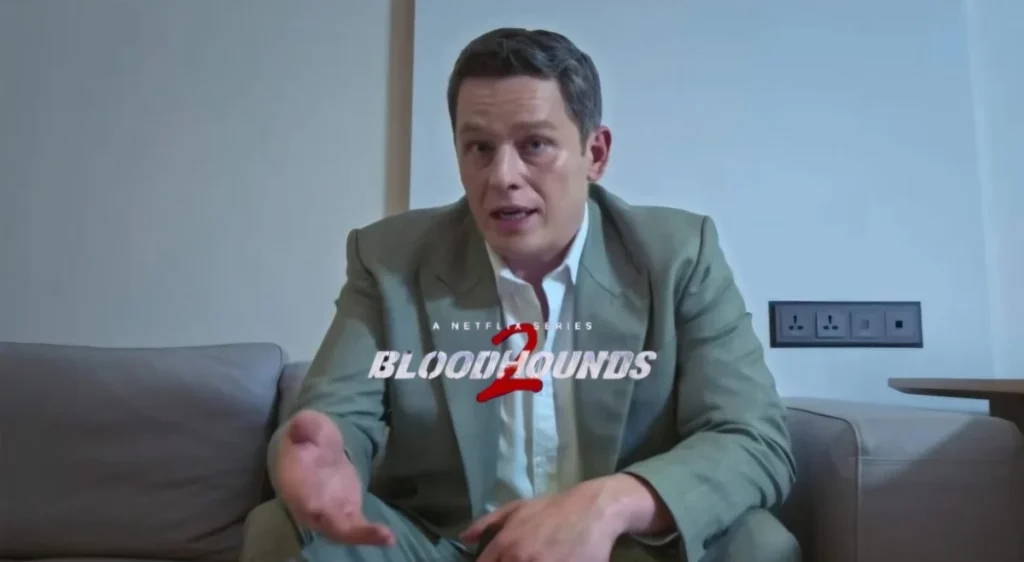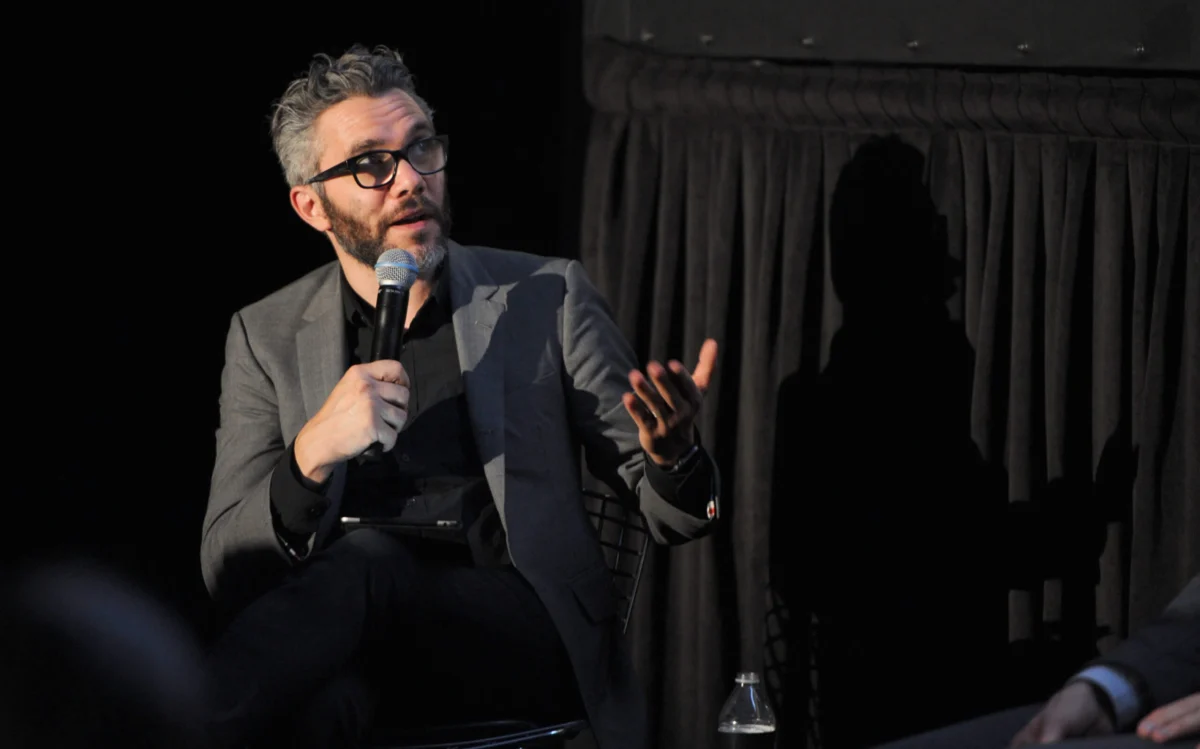
In a move that signals a profound shift in the leadership philosophy of legacy broadcast journalism, CBS News has appointed Nick Bilton as the new executive producer of 60 Minutes. The decision, announced this week, marks the beginning of a transformative era for the most-watched news program in American television history. Bilton, a former New York Times technology columnist and documentary filmmaker, succeeds Tanya Simon, a 30-year veteran of the program who has been instrumental in maintaining its top-tier ratings. The transition represents a stark departure from tradition, as Bilton becomes one of the few individuals to lead the prestigious broadcast without prior experience in running a television newsroom.
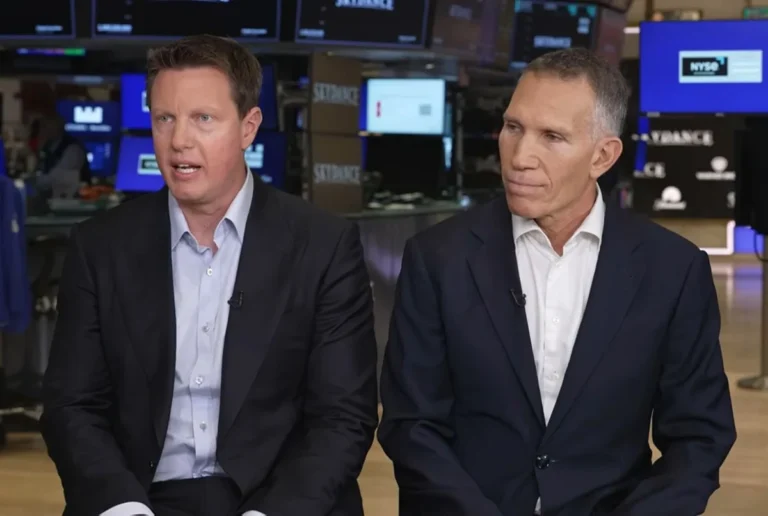
The appointment comes at a critical juncture for CBS News and its parent company, Paramount Skydance. As the media landscape grapples with the decline of linear television and the rise of algorithmic content distribution, Bilton’s background in technology and digital disruption is being positioned as a necessary asset for the program’s survival. Bilton’s relationship with Bari Weiss, the editor-in-chief of CBS News, played a central role in his recruitment. The two reportedly met in Los Angeles and collaborated on high-profile documentary projects, including "Unknown: Killer Robots" and "Biggest Heist Ever." This creative partnership now moves to the helm of a broadcast that has remained the number-one rated news show for 52 consecutive years.
A Changing of the Guard Amid Corporate Consolidation
The installation of Bilton as executive producer is inseparable from the broader corporate restructuring at Paramount Global. Following the merger between Skydance Media and Paramount last year, new leadership under CEO David Ellison has sought to modernize the company’s legacy assets. Ellison is currently navigating a complex regulatory environment as he pursues a potential merger with Warner Bros. Discovery, a deal that would further consolidate the American media industry.
Industry analysts suggest that the leadership change at 60 Minutes is part of a wider effort to align CBS News with the strategic goals of the new administration. The hiring of an "outsider" like Bilton suggests a desire to break away from the established internal hierarchies that have defined the program for decades. However, this shift has not been without internal friction. Bilton’s primary challenge will be to secure the trust of a newsroom that has long prided itself on its independence and traditional journalistic rigor.
Political Turbulence and the Trump Lawsuit Settlement
The timing of Bilton’s arrival is complicated by recent political and legal controversies involving the program. In 2024, Donald Trump, then a presidential candidate, filed a lawsuit against 60 Minutes, alleging that the program had deceptively edited an interview with his opponent, Kamala Harris. The lawsuit focused on a specific segment where Harris’s response to a question about the Israel-Gaza conflict appeared to have been shortened or modified between promotional clips and the final broadcast.
In a move that shocked many within the CBS News organization, Paramount opted to settle the lawsuit for $16 million. The decision to settle rather than litigate was viewed by some veteran correspondents as a capitulation that undermined the program’s editorial integrity. Scott Pelley, a mainstay of the broadcast, was among the most vocal critics of the settlement, expressing concern that it set a dangerous precedent for political figures seeking to influence news coverage.
Furthermore, the program has seen the departure of key talent. Anderson Cooper, who had contributed to 60 Minutes for nearly two decades, announced his exit earlier this month. While Cooper’s departure was framed as a personal career transition, it added to the sense of instability within the corridors of the CBS Broadcast Center. Bilton has acknowledged these tensions, stating in a recent interview that he is committed to proving that his appointment is not a political maneuver. "I will prove it with the work," Bilton said. "I’m dedicated to holding people in power to account."
The Economic Reality: Growth Amidst an Impending Cliff
Despite the internal unrest, 60 Minutes remains a financial and ratings powerhouse. According to Nielsen data, the program’s viewership grew by 9% over the past year, an anomaly in an era where most broadcast news programs are seeing a steady decline in audience share. This growth has provided a cushion for the network, but leadership remains wary of the "Nokia moment"—a reference Bilton uses to describe a company that reaches its peak just as it is about to be rendered obsolete by new technology.
"History tells you disruption doesn’t happen immediately when new technology comes along—it’s usually a few years later," Bilton remarked. He pointed to the fact that Nokia saw its best sales year in 2008, one year after the launch of the iPhone, and The New York Times had record sales in 1999, just as the internet began to erode the traditional newspaper business model. Bilton argues that broadcast television is on a similar precipice, and that 60 Minutes must evolve its format and delivery mechanisms before the decline becomes irreversible.
Timeline of Recent CBS News and Paramount Developments
The leadership change at 60 Minutes is the latest in a series of seismic shifts at CBS:
- September 2023: Skydance and Paramount begin formal merger discussions, signaling a new era of leadership for David Ellison.
- October 2024: Donald Trump files a lawsuit against CBS News over the Kamala Harris interview, alleging "deceptive editing."
- January 2025: Paramount Skydance settles the Trump lawsuit for $16 million, leading to internal dissent among CBS staff.
- May 2025: CBS announces the end of "The Late Show With Stephen Colbert" after 11 seasons, citing a shift in late-night programming strategy.
- June 2025: Anderson Cooper announces his departure from 60 Minutes.
- July 2025: Nick Bilton is officially named Executive Producer of 60 Minutes, replacing Tanya Simon.
Strategic Implications and the Weiss-Bilton Vision
Bari Weiss’s decision to bring in Bilton is viewed by media insiders as an attempt to "re-platform" 60 Minutes for a younger, digitally-native audience. Weiss, who has been a polarizing figure in media since her departure from The New York Times, has emphasized the need for news organizations to move away from "legacy thinking" and embrace more transparent, long-form storytelling that can thrive on social media and streaming platforms.
Bilton has kept his specific plans for the show’s "disruption" under wraps, noting that he intends to meet with the staff and absorb the culture of the newsroom before implementing changes. However, he has indicated that the show will not undergo a "complete overhaul." Instead, the focus will likely be on how the stories are produced, distributed, and marketed in an environment dominated by TikTok, YouTube, and independent creators.
The broader implications for the industry are significant. If Bilton succeeds in modernizing 60 Minutes without alienating its core audience or compromising its journalistic standards, it could provide a blueprint for other legacy news programs facing similar existential threats. Conversely, if the "outsider" approach leads to a decline in editorial quality or a loss of institutional memory, it may accelerate the very decline the network is trying to avoid.
Navigating Regulatory and Political Hurdles
As Bilton takes the reins, the corporate backdrop remains fraught with regulatory challenges. David Ellison’s ambition to merge Paramount with Warner Bros. Discovery is contingent on approval from the Trump administration’s Department of Justice and the Federal Communications Commission (FCC). Critics of the Bilton hire suggest that bringing in a leadership team perceived as less "adversarial" to the administration could be a strategic move to ease the path for merger approvals.
Bilton has pushed back against this narrative, emphasizing his background in investigative journalism and tech criticism. His previous work has often focused on the dark side of Silicon Valley and the ethical dilemmas of emerging technologies—themes that he believes are more relevant than ever in the current political climate.
Conclusion: A High-Stakes Gamble for a Television Icon
The appointment of Nick Bilton as the executive producer of 60 Minutes is one of the most high-stakes gambles in the history of CBS News. By choosing a tech-savvy outsider over a seasoned television producer, the network is prioritizing future-proofing and digital innovation over traditional continuity.
As the program prepares for its 53rd season at the top of the ratings, the eyes of the media world will be on Bilton. His ability to navigate the internal politics of a storied newsroom, the external pressures of a litigious political environment, and the structural challenges of a dying broadcast model will determine whether 60 Minutes remains a cultural touchstone or becomes a relic of a bygone era of journalism. For now, Bilton remains focused on the immediate task at hand: "I’m dedicated to holding people in power to account," he reiterated. "The work will speak for itself."