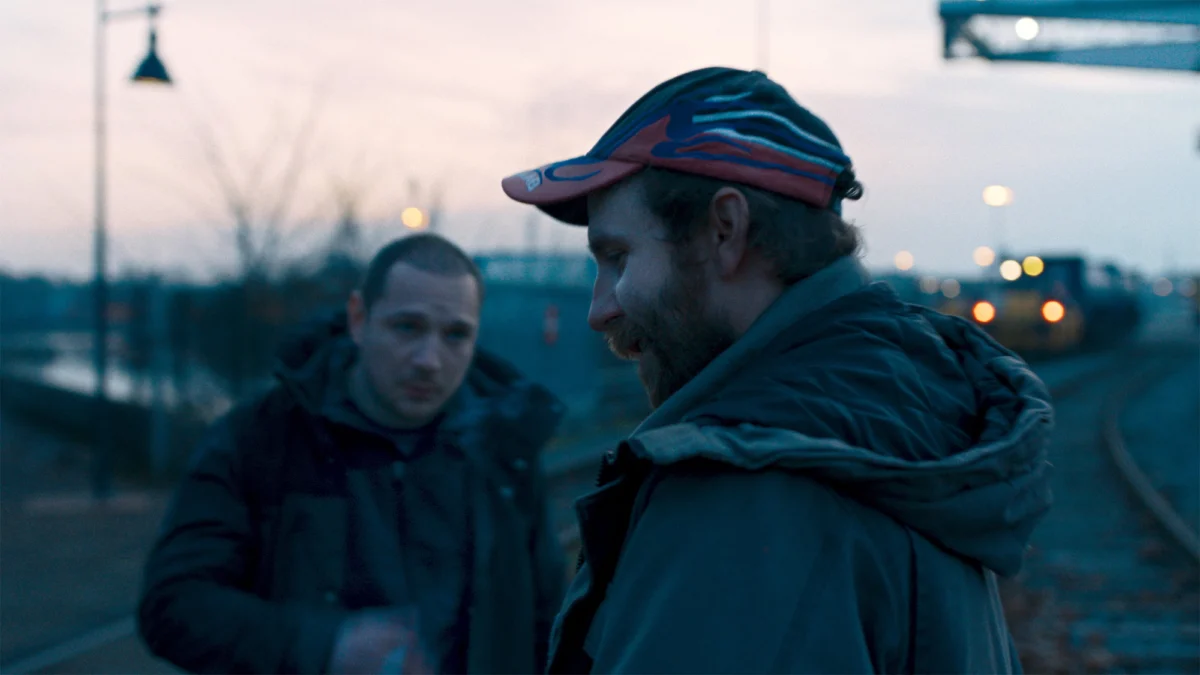
The 79th Cannes Film Festival, a global beacon for cinematic artistry and innovation, has seen a remarkable entry emerge from its competitive selection: "Flesh and Fuel" (original French "Du Fioul dans les artères"). This debut feature from French filmmaker Pierre Le Gall has garnered significant critical attention and audience affection, lauded for its tender and authentic portrayal of a romance between two middle-aged truck drivers. Premiering midway through the festival, the film has quickly established itself as a frontrunner in conversations surrounding thematic depth and emotional resonance, echoing a sentiment articulated at last year’s festival by Norwegian director Joachim Trier, who famously proclaimed, "tenderness is the new punk." This philosophical anchor has resonated deeply within the cinematic community, advocating for earnest, vulnerable, and loving narratives amidst a landscape often dominated by cynicism or overt spectacle. "Flesh and Fuel" stands as a powerful testament to this evolving trend, meticulously weaving a narrative of human connection that transcends geographical and social boundaries.
Thematic Core and Narrative Unveiling
At its heart, "Flesh and Fuel" is a story of unexpected love blossoming under arduous circumstances. The film introduces Étienne, portrayed with understated brilliance by Alexis Manenti, a reserved and diligent French truck driver whose solitary life on Europe’s highways is a testament to his dedication and routine. His world subtly shifts when he encounters Bartosz, a more boisterous and affable Polish driver, played by Julian Świeżewski, at a clandestine cruising spot at a truck stop. The initial sparks of attraction quickly evolve into a deep emotional bond, fostered through phone conversations that span continents and brief, intensely intimate encounters whenever their demanding delivery routes fortuitously intersect. The original French title, "Du Fioul dans les artères" (literally "Fuel Oil in the Arteries"), metaphorically underscores the lifeblood and essential energy of this burgeoning romance, emphasizing its visceral and indispensable nature to the protagonists.
Director Pierre Le Gall, making a notable feature debut, along with co-writers Camille Perton and Martin Drouot, crafts a screenplay that eschews overt melodrama in favor of nuanced character development and authentic emotional progression. The film’s intimate handheld cinematography, masterfully executed by DP Antoine Cormier, draws the audience into the characters’ immediate experiences, creating a sense of raw realism. This technical choice complements the narrative’s focus on the quiet moments of connection, the longing gazes, and the unspoken understandings that define Étienne and Bartosz’s relationship. The film’s Frenchness is not merely a geographical marker but deeply embedded in its romantic sensibilities, yet its universal themes of love, longing, and the search for connection resonate far beyond its European setting.
Cannes 2026: A Platform for Evolving Narratives
The selection of "Flesh and Fuel" for the Cannes Film Festival 2026 underscores the festival’s continued commitment to showcasing diverse and impactful storytelling. Cannes has historically served as a crucial launchpad for LGBTQ+ cinema, providing a global stage for films that challenge norms and celebrate varied expressions of love. Over the years, the festival has championed groundbreaking works such as Todd Haynes’ "Carol" (2015), Céline Sciamma’s "Portrait of a Lady on Fire" (2019), and more recently, films like "The Blue Caftan" (2022) and "Joyland" (2022), which have pushed boundaries and garnered international acclaim. This rich lineage provides a compelling context for "Flesh and Fuel," positioning it not just as a standalone success but as a significant contribution to an ongoing evolution in cinematic representation.
The "tenderness is the new punk" ethos, which gained considerable traction following Joachim Trier’s statement at the 2025 festival, appears to have found a potent manifestation in Le Gall’s film. Trier, a director celebrated for his deeply humanistic and introspective works, likely aimed to highlight a yearning for genuine emotional depth and vulnerability in an era often characterized by cynicism and detachment. "Flesh and Fuel" directly addresses this yearning, offering a narrative that is unapologetically sincere and emotionally generous. This philosophical alignment has undoubtedly contributed to the film’s warm reception, suggesting a collective hunger within the industry and among audiences for narratives that prioritize authentic human connection and emotional honesty.
Production and Artistic Choices
Pierre Le Gall’s directorial vision for "Flesh and Fuel" is characterized by a commitment to realism and emotional authenticity. While this marks his first feature-length endeavor, industry whispers suggest Le Gall has honed his craft through a series of critically acclaimed short films exploring themes of identity and unspoken desires. His choice to set the romance within the working-class world of long-haul trucking adds a layer of social realism, grounding the tender narrative in the gritty realities of their profession. The physical demands of their jobs, the isolation of the road, and the transient nature of their encounters amplify the intensity and preciousness of their shared moments.

The casting of Alexis Manenti and Julian Świeżewski is pivotal to the film’s success. Manenti, known for his roles often depicting complex, introspective characters, brings a profound vulnerability to Étienne, conveying a lifetime of unspoken feelings through subtle gestures and expressive silences. Świeżewski, reportedly a rising talent in European cinema with a knack for embodying charismatic yet deeply human figures, imbues Bartosz with a blend of rugged charm and genuine warmth, making his connection with the shyer Étienne believable and deeply affecting. Their on-screen chemistry, a delicate balance of longing and quiet joy, is frequently cited by critics as one of the film’s strongest assets. The decision to have Bartosz speak French, despite his Polish origin, cleverly facilitates their initial communication, subtly hinting at the ways love transcends linguistic barriers and finds common ground.
Antoine Cormier’s cinematography is not merely observational; it becomes an active participant in conveying the emotional landscape of the film. The intimate handheld shots create a sense of immediacy, drawing the viewer into the confined spaces of truck cabins and the vast, open expanses of European highways. A particularly poignant scene, highlighted in early reviews, depicts the two truckers driving over a bridge, hoping their paths will cross at the apex. This moment, captured with a blend of grandeur and intimacy, encapsulates the film’s ability to imbue everyday acts with profound emotional significance, turning a simple journey into a metaphor for their interconnected lives.
Broader Implications and Critical Reception
"Flesh and Fuel" arrives at a time when discussions around diversity and representation in cinema are more prominent than ever. The film’s portrayal of a gay romance between two middle-aged, working-class men is particularly significant. It challenges conventional narratives that often focus on younger protagonists or those from more overtly metropolitan settings. By presenting love in a context rarely explored with such nuance, Le Gall’s film expands the canvas of LGBTQ+ storytelling, demonstrating that profound emotional connections can be found and celebrated across all demographics and walks of life. This deliberate choice to spotlight characters who might otherwise be overlooked contributes significantly to the film’s broader cultural impact.
Initial critical consensus emerging from Cannes has been overwhelmingly positive. Beyond the original reviewer’s enthusiastic endorsement, other critics have praised the film for its "unflinching honesty" and "heartwarming sincerity." Many have lauded Le Gall’s sensitive direction and the powerful, understated performances from his lead actors. There’s a prevailing sense that the film successfully navigates the delicate balance between depicting the harsh realities of a trucker’s life and the burgeoning tenderness of a clandestine romance, never allowing one to overshadow the other. The film’s refusal to descend into cynical or dangerous territory, focusing instead on the challenges inherent in maintaining a long-distance relationship, has also been widely appreciated, offering a refreshing departure from narratives that often rely on external conflict or societal prejudice.
While official statements from director Pierre Le Gall and his cast are eagerly anticipated, early reports suggest that Le Gall views the film as an exploration of universal human needs for connection and belonging, regardless of circumstance. Alexis Manenti has reportedly spoken about the importance of portraying authentic male vulnerability on screen, particularly within a demographic often stereotyped as stoic or emotionally repressed. Julian Świeżewski is said to have emphasized the chemistry between the characters as central to the film’s success, highlighting the quiet understanding that develops between Étienne and Bartosz. These inferred sentiments align perfectly with the film’s themes and its critical reception.
The Journey Ahead
As "Flesh and Fuel" concludes its run at the Cannes Film Festival, attention will inevitably turn to its future. The strong positive reception, coupled with the festival’s historical track record of propelling independent films to international success, bodes well for its distribution prospects. Major distributors are reportedly circling the film, recognizing its potential to resonate with both art-house audiences and a broader public hungry for emotionally rich storytelling. The film’s themes of tender love, working-class identity, and LGBTQ+ representation position it favorably for consideration in various awards circuits beyond Cannes, potentially including European film awards and even international feature film categories.
The impact of "Flesh and Fuel" may extend beyond box office numbers and critical accolades. It serves as a compelling example of how cinema can continue to evolve, embracing narratives that are both specific in their cultural context and universal in their emotional appeal. By showcasing a love story that is both ordinary and extraordinary, the film reinforces the idea that true "punk" in contemporary cinema might indeed lie in the courage to be tender, earnest, and vulnerable. As the industry continues to navigate complex social and artistic landscapes, films like "Flesh and Fuel" offer a hopeful and inspiring path forward, proving that authentic human connection remains the most potent and enduring subject for storytelling. The journey of Étienne and Bartosz, from secluded truck stops to the global stage of Cannes, symbolizes a triumph for heartfelt narratives and the enduring power of love in all its forms.