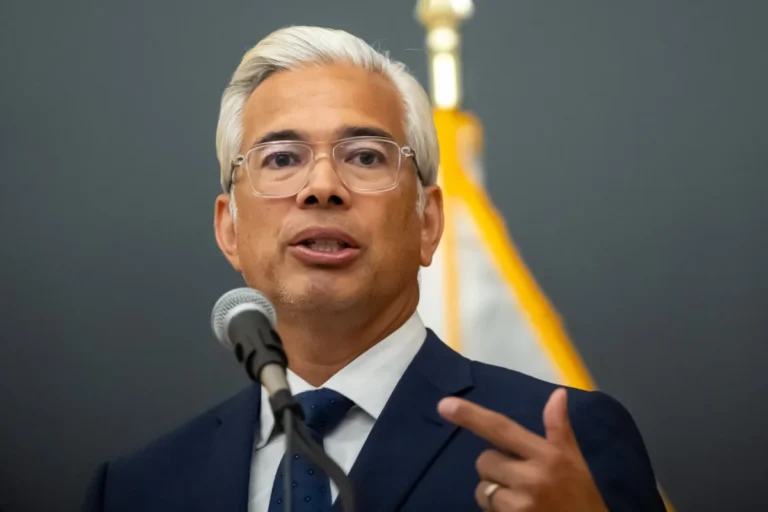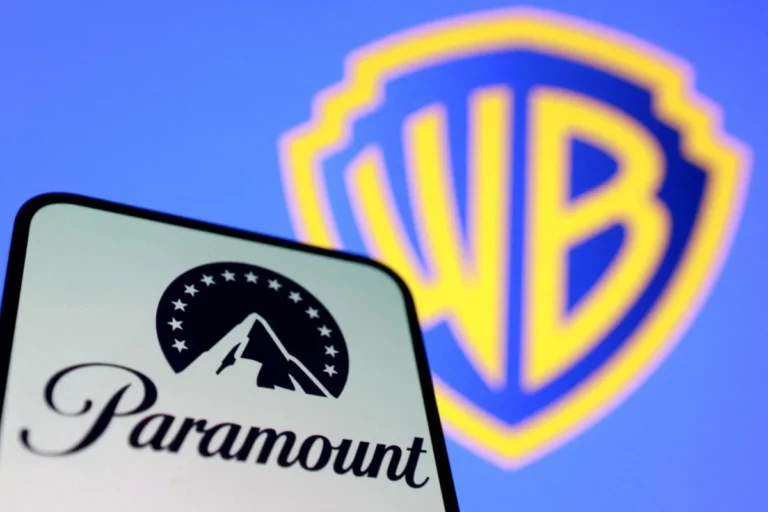




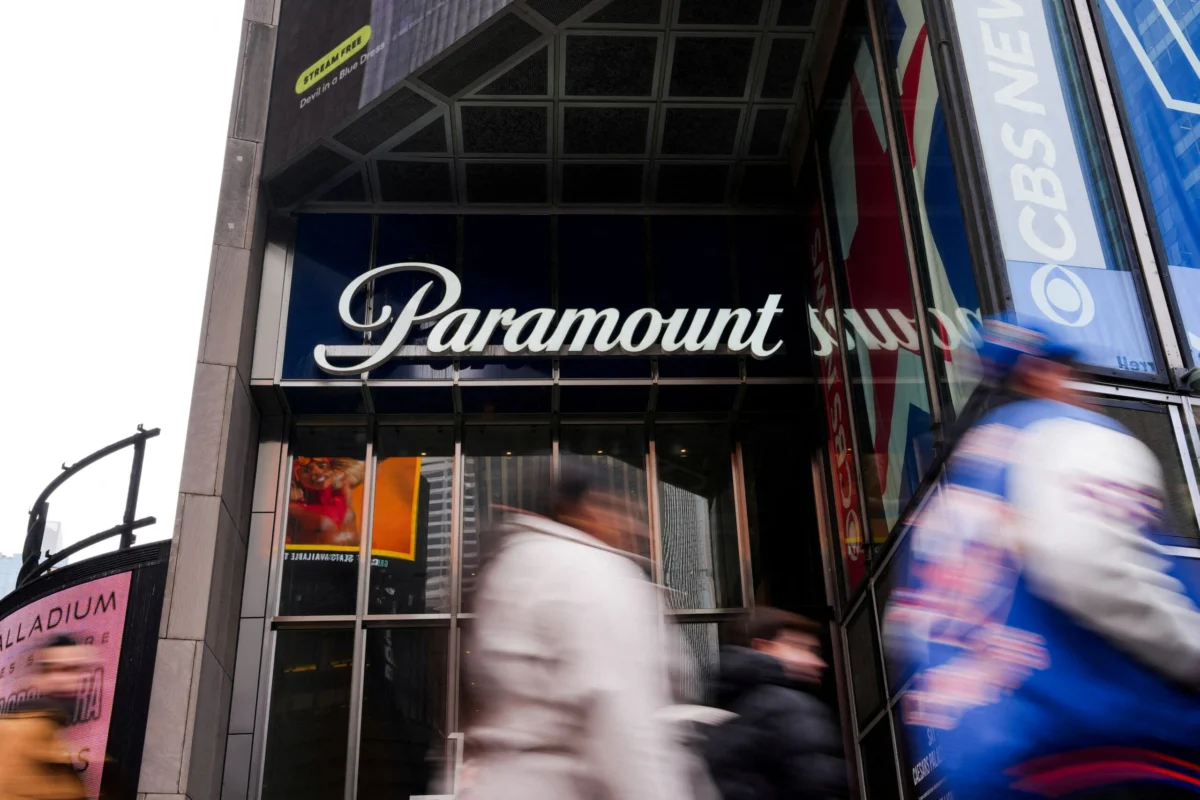
The high-stakes regulatory battle surrounding the $110 billion merger between Paramount Skydance and Warner Bros. Discovery (WBD) hit a volatile impasse this week after California Attorney General Rob Bonta abruptly canceled a scheduled settlement meeting. Citing a profound "lack of good faith" on the part of the media conglomerate, Bonta’s office accused Paramount of leaking and mischaracterizing the substance of private negotiations that took place late last week. This development marks a significant setback in the efforts of both companies to resolve a sprawling antitrust lawsuit before the case heads to a scheduled trial in March 2027.
The cancellation underscores the growing tension between major media consolidators and state-level antitrust enforcers. Bonta, who is spearheading a coalition of 12 state attorneys general, has made it clear that any path to a settlement would necessitate what he describes as "robust structural remedies." For now, the legal stalemate persists, casting a shadow over one of the most ambitious media acquisitions in recent history.
A Timeline of Growing Regulatory Friction
The path to the current confrontation has been marked by a series of legal filings, regulatory challenges, and strategic delays. Understanding the progression of this deal is essential to grasping why the recent leak controversy has caused such a sharp reaction from the California Department of Justice.
- July 2026: A coalition of 12 state attorneys general, led by California, officially filed an antitrust lawsuit to block the proposed acquisition of Warner Bros. Discovery by Paramount Skydance. The states allege that the merger would create an anti-competitive behemoth, unfairly dominating film distribution and basic television programming.
- July 24, 2026: Facing mounting regulatory pressure and the potential for a protracted legal battle, Paramount Skydance agreed to a voluntary delay in the closing of the deal, pushing the target date back to as late as June 2027.
- August 20, 2026: Bonta signaled a willingness to engage in good-faith negotiations, telling media outlets that his office prefers to resolve cases in the boardroom rather than the courtroom. However, he remained firm on the necessity of structural changes.
- August 22, 2026: A confidential meeting between Paramount representatives and the California Attorney General’s office took place.
- August 24, 2026: Reports surfaced in the press detailing the substance of the private talks.
- August 25, 2026: Attorney General Bonta canceled the follow-up meeting scheduled for Monday, formally accusing Paramount of violating the confidentiality of the previous sessions and intentionally misrepresenting the negotiations.
The Breach of Trust and the Fallout
The core of the current conflict lies in the breach of confidentiality regarding the August 22 discussions. In a strongly worded statement, Bonta emphasized that the integrity of the negotiation process had been compromised. "Paramount did not maintain the confidentiality of that meeting. Not only did Paramount leak the alleged substance of settlement discussions, but they misrepresented these discussions, demonstrating a lack of good faith," Bonta stated.
By publicly leaking details, the Attorney General argued, Paramount undermined the very mechanism intended to resolve the dispute. Bonta noted that his office would not entertain further discussions until the company ceased "playing games."
Paramount, for its part, has flatly denied the allegations. In an official statement, the company expressed its disappointment regarding the cancellation of the meeting and maintained that it had "assured" the Attorney General’s office that it was not the source of the leak. "We remain hopeful and stand ready to continue good faith discussions to resolve the Attorneys General suit and move forward with our plans for increased competition and increased output to the benefit of the talent and entertainment workers," the company asserted.
Analyzing the Antitrust Allegations
The lawsuit, which serves as the backdrop for these failed negotiations, is rooted in the fear of market concentration. At $110 billion, the merger is designed to create a singular entity with unprecedented reach across film studios, streaming platforms, and cable networks.
State prosecutors, led by Bonta, are focusing their case on the horizontal integration that would occur if the two entities merge. The primary concerns involve:
- Market Share Dominance: The combination of Paramount’s legacy film library and studio assets with Warner Bros. Discovery’s massive television and media footprint could lead to a reduction in the number of independent buyers and sellers in the creative marketplace.
- Pricing Power: The states argue that the merged entity could exert significant leverage over cable providers and streamers, potentially raising costs for consumers.
- Content Scarcity: Critics of the merger suggest that the consolidation could limit the diversity of voices and programming options available to the public, as a single entity would control a disproportionate share of the "basic TV" programming landscape.
Bonta has clarified that the focus of the current litigation is not on the streaming wars or international regulatory concerns, but specifically on the domestic antitrust implications of the combination of the two companies’ traditional media assets.
Structural Remedies: The Path to Resolution?
During his public comments last week, Bonta described the lawsuit as a "black-and-white" antitrust case. This phrasing suggests that the Attorney General’s office views the structural issues as non-negotiable. "Structural remedies" generally imply that for the deal to move forward, the companies would likely need to divest significant assets—such as specific cable channels, regional sports networks, or studio subsidiaries—to maintain a competitive balance.
For Paramount and Warner Bros. Discovery, such divestitures could dilute the projected value of the merger, which was touted to investors as a "synergy-rich" transaction. The difficulty in finding a compromise that satisfies both the state regulators and the corporate leadership explains why the negotiation process has been so volatile.
Market Implications and Future Outlook
The uncertainty surrounding the merger has had a palpable impact on the entertainment industry. As the companies wait for the March 2027 trial date, they remain in a state of operational limbo. Talent agencies, production partners, and advertising firms are watching the litigation closely, as any structural changes ordered by the court or negotiated in a settlement could lead to shifts in corporate strategy, leadership, and production priorities.
Wall Street analysts have noted that the delay until 2027 provides a window for potential resolution, but the recent breakdown in talks suggests that the companies and the regulators are still far apart. If the case proceeds to trial, the discovery process will likely bring to light more details about the internal financial projections and competitive strategies of both companies—information that investors and competitors are eager to parse.
The Role of the Attorney General in Media Consolidation
This case represents a broader trend of state-level intervention in federal-scale corporate mergers. While the Department of Justice and the Federal Trade Commission often take the lead on national antitrust cases, the active involvement of state AGs—who have their own distinct mandates to protect consumers within their jurisdictions—has become a potent tool in the modern regulatory environment.
Bonta’s refusal to engage in negotiations until he is satisfied that the process is being conducted in good faith serves as a warning to other corporations. It highlights the shifting power dynamics in an era where antitrust enforcement is being treated with renewed rigor.
As the industry looks toward the upcoming court proceedings, the focus will remain on whether Paramount and the state coalition can reset their relationship. For now, the boardroom doors remain firmly shut, and the courtroom looms as the final arbiter of this massive corporate transformation. The resolution of this dispute will likely set a significant precedent for how media conglomerates navigate the regulatory landscape for years to come.