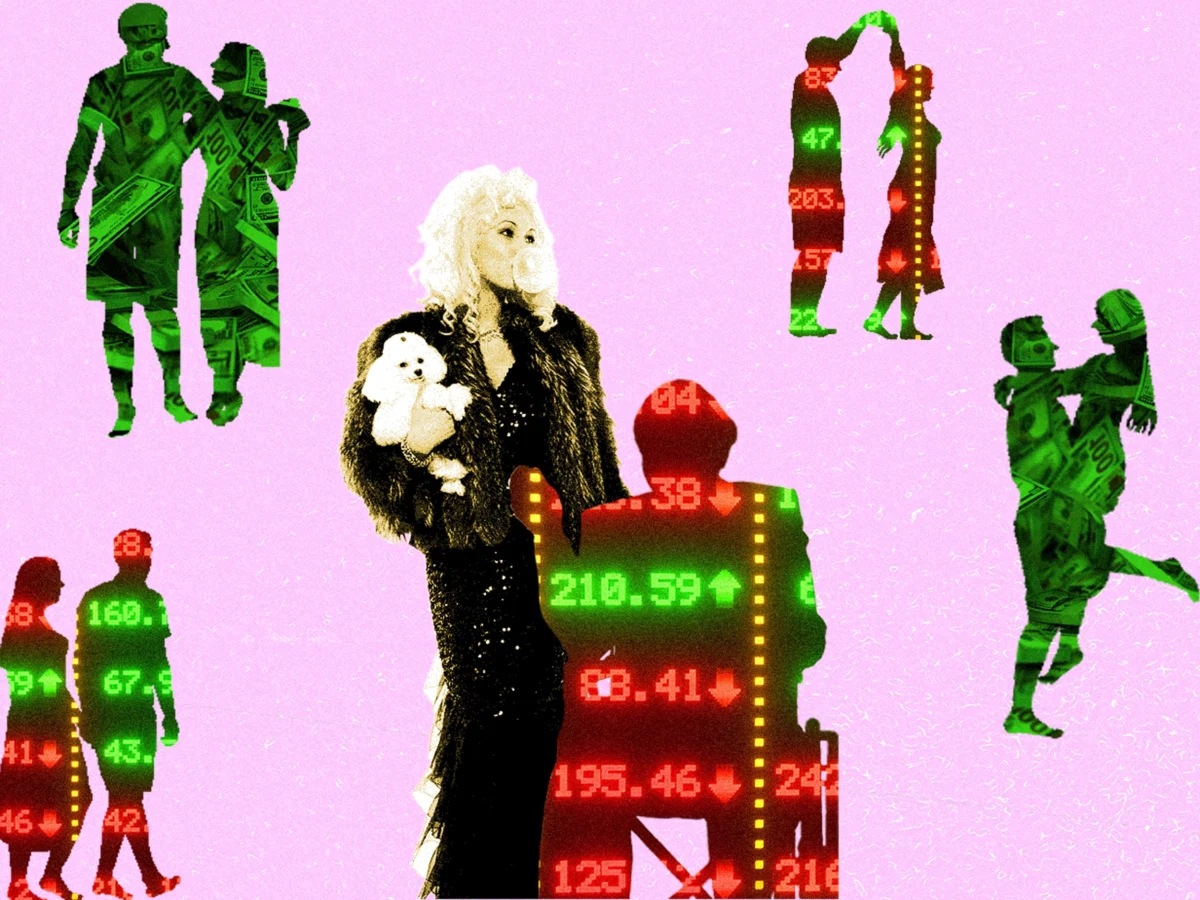
The landscape of transactional dating, long characterized by high-stakes luxury and discretionary spending, is currently undergoing a significant structural transformation as global economic pressures begin to weigh on even the most affluent demographics. What was once an ecosystem defined by $20,000 monthly allowances and spontaneous first-class travel is evolving into a more conservative, advice-driven market. This shift, colloquially referred to by participants as a "sugar recession," reflects broader macroeconomic trends including persistent inflation, a cooling labor market, and the unpredictable impact of political discourse on global financial stability. As the cost of living surges and traditional employment becomes increasingly precarious, the motivations and strategies of both "sugar babies" and "sugar daddies" are pivoting from immediate consumption toward long-term financial survival and literacy.
The Shift from Allowances to Asset Management
For Nikki Saryan, a 30-year-old resident of Los Angeles and a prominent figure in the sugaring community under the TikTok handle SugarBabyBestie, the change in the market became apparent during a routine outreach to a former benefactor. Saryan, who once commanded a lifestyle that included frequent trips to New York City and substantial monthly stipends, found herself seeking a different kind of capital: financial expertise. In a conversation with a former partner—a finance professional in his late sixties—the discussion bypassed the usual negotiations of companionship for a deep dive into investment strategy.
Saryan’s inquiry regarding which stocks might offer a safe haven for her accumulated savings was met with a sobering reality check. Rather than encouraging aggressive participation in Wall Street, her contact advised a move toward low-risk, slow-growth vehicles, specifically suggesting a Charles Schwab investment account. The rationale provided was rooted in the current volatility of the markets, where a single social media post from political figures like Donald Trump can trigger instantaneous fluctuations in global indices. This advice highlights a growing trend within the "sugar bowl": the exchange of intellectual capital and financial mentorship is becoming as valuable, if not more so, than direct cash transfers.
Macroeconomic Drivers of the Sugar Recession
The contraction in the sugaring market does not exist in a vacuum; it is a direct reflection of the broader American economy. Recent data from the Bureau of Labor Statistics and various financial outlets indicate that hiring has reached historic, pandemic-era lows. In February, U.S. businesses added workers at the slowest pace since the height of the COVID-19 lockdowns, creating an environment of professional stagnation. Simultaneously, the Consumer Price Index (CPI) has remained stubbornly high, eroding the purchasing power of middle-to-upper-class individuals who typically fund these arrangements.
The "sugar recession" is characterized by a classic imbalance of supply and demand. As the "vanilla" job market tightens, more individuals are entering the sugaring space to supplement their income, leading to a surplus of "sugar babies." Conversely, the pool of "sugar daddies" is shrinking or becoming more fiscally conservative. Brian, a tech professional in his forties, notes that the current economic climate—marked by the threat of new tariffs and the disruptive rise of generative AI—has forced him to exit the lifestyle entirely. Brian suggests that while the ultra-wealthy remain insulated, the "low-level millionaires"—those with a few million in assets who comprise the majority of active benefactors—are seeing their discretionary income evaporate.
Chronology of a Changing Industry
To understand the current downturn, one must look at the evolution of transactional dating over the last decade.
- The Growth Era (2014–2019): Platforms like SeekingArrangement (now Seeking.com) saw a massive influx of users as the "gig economy" took hold. Transactional dating became more mainstream, often marketed as a way for students to pay off loans or for young professionals to network.
- The Pandemic Pivot (2020–2021): While physical meetings decreased, the stimulus-fueled economy and the rise of "digital sugaring" through platforms like OnlyFans and Zoom kept the market buoyant. High liquidity meant that benefactors were still willing to spend, often on virtual companionship.
- The Inflationary Peak (2022–2023): As the Federal Reserve began a series of interest rate hikes to combat inflation, the "cheap money" era ended. Tech sector layoffs and a cooling housing market began to impact the disposable income of high earners.
- The Sugar Recession (2024–Present): The combination of high living costs, political uncertainty, and a stagnant labor market has led to a "race to the bottom" in terms of allowances. Participants report that even when benefactors can afford to pay higher rates, they are increasingly unwilling to do so, citing a "market correction" in the cost of companionship.
The Psychological Shift: Survival Over Luxury
The shift in the market is not merely financial but psychological. Will, a Milwaukee-based accountant and active sugar daddy, compares the current climate to everyday consumer behavior. He observes that even the wealthiest individuals do not pay $100 for a $5 cup of coffee simply because they have the means. This "value-seeking" behavior has permeated the sugar bowl, where men are now looking for more "economical" arrangements.
For women who have relied on these arrangements as their primary source of income, the implications are dire. Roxanne, a 42-year-old veteran of the lifestyle based in Denver, has observed the impact of this environment over her 20-year involvement in the community. She notes that the economic squeeze has forced many women to take on multiple benefactors or return to traditional "vanilla" employment, which often pays significantly less than their previous sugaring stipends. In some cases, the desperation has led to a blurring of the lines between sugaring—which is often framed as a relationship-based arrangement—and more overt forms of sex work.
Financial Literacy as the New Currency
As cash flows tighten, financial literacy has emerged as a critical asset for those remaining in the lifestyle. Nikki Saryan’s transition from a recipient of luxury to a student of investment reflects a broader realization that the "sugar" may not be permanent. Her TikTok content has shifted to address these realities, teaching her followers not just how to find a benefactor, but how to vet them for stability and how to avoid the myriad of scammers who prey on economic desperation.
The move toward safer, slow-growth investments like those offered by Charles Schwab indicates a departure from the "get rich quick" mentality that characterized the early 2020s crypto and meme-stock booms. The advice Saryan received—to "calm down and relax" because the market is currently too volatile—is a sentiment echoed by many financial advisors who are currently prioritizing wealth preservation over aggressive growth.
Broader Implications and Future Outlook
The "sugar recession" serves as a micro-indicator of the health of the broader discretionary economy. When luxury services and niche dating markets contract, it often signals a broader tightening of the belt among the upper-middle class. The implications of this shift are multi-faceted:
- Market Consolidation: Smaller, niche platforms may struggle to survive as users migrate to larger, more established sites that offer better verification and safety features.
- Professionalization of Sugaring: As competition for benefactors increases, "sugar babies" are increasingly viewing the lifestyle through a professional lens, focusing on branding, networking, and long-term financial planning.
- Socio-Economic Vulnerability: The downturn highlights the precarious nature of transactional dating as a primary income source. Without the safety nets of traditional employment—such as health insurance, 401(k) contributions, and unemployment benefits—participants are uniquely vulnerable to market shocks.
In conclusion, the sugaring world is no longer just about the "sweet life" of luxury handbags and private jets. It has become a complex arena of economic strategy, where participants must navigate the same headwinds as any other sector of the global economy. As Nikki Saryan and others like her adapt to this new reality, the focus has shifted from the size of the monthly allowance to the sustainability of the investment portfolio. In a world where a single political post or a shift in AI technology can upend a career or a market, the most valuable "sugar" a benefactor can provide may indeed be the wisdom to survive the coming storm.