


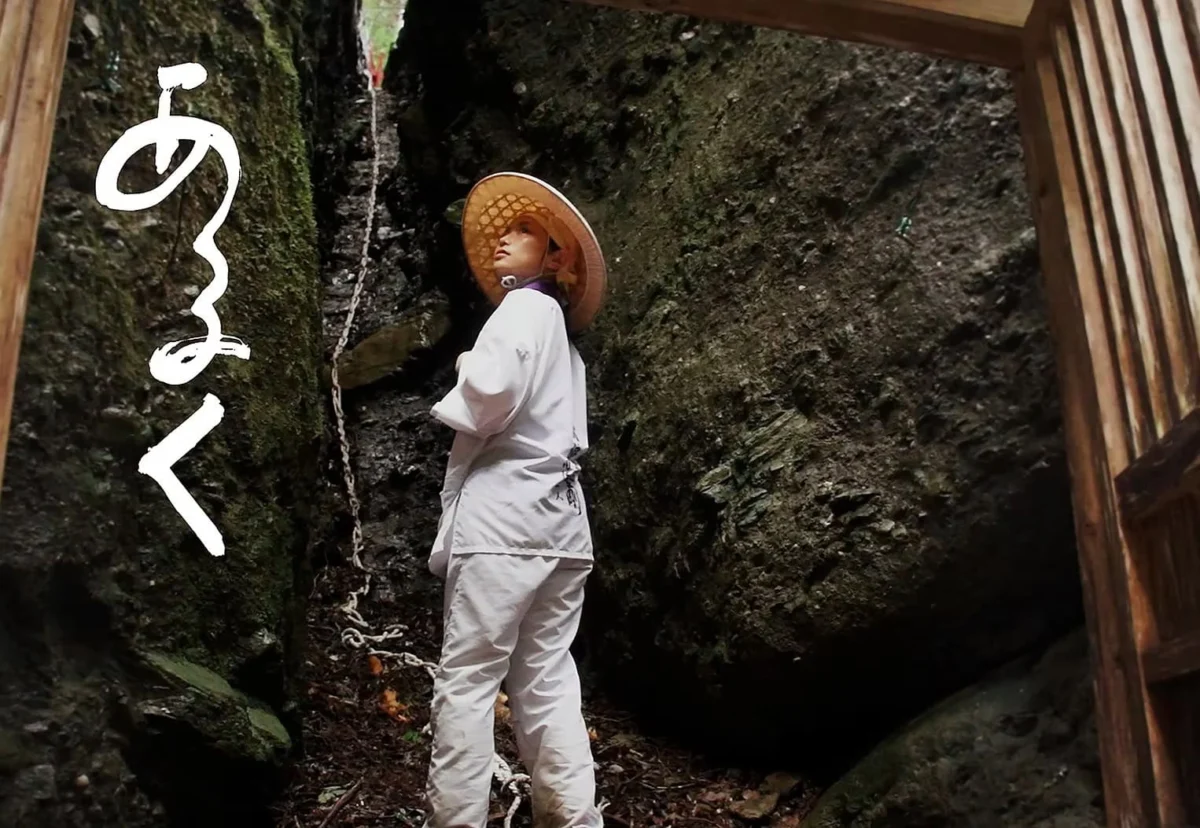
The ancient island of Shikoku, a jewel in Japan’s archipelago, has for over twelve centuries been a crucible for spiritual awakening and personal transformation. Each year, an estimated 150,000 pilgrims embark on the arduous yet profoundly meaningful Shikoku Henro, a 750-mile (1,200 km) circuit encompassing 88 sacred Buddhist temples. This epic journey, a testament to human resilience and the enduring quest for enlightenment, is the compelling subject of "Aruku" ("I Walk"), a contemplative documentary that delves into the universal human need to shed the trappings of everyday life to perhaps unearth a more authentic self.
The pilgrimage itself is deeply rooted in the teachings and life of Kobo Daishi (Kukai), a revered Buddhist monk who lived from 774 to 835 AD. Kukai, a figure of immense spiritual significance in Japan, is credited with founding the Shingon sect of Buddhism after studying esoteric teachings in China. Legend has it that his profound enlightenment was achieved amidst the serene and awe-inspiring natural landscapes of Shikoku. Over a millennium later, his philosophy and the spiritual resonance of the island continue to draw thousands. These modern-day pilgrims, inspired by Kukai’s legacy, undertake a journey that often spans two months, requiring them to forsake the comforts of contemporary life, carrying only essential provisions, and walking a path designed for introspection and self-discovery.
The Pilgrimage: A Tapestry of Human Experience
"Aruku" masterfully captures the essence of this transformative odyssey by focusing on the intertwined narratives of four pilgrims, whose paths are serendipitously crossed by filmmaker Shiho Kataoka. On the surface, these individuals represent a diverse spectrum of society, yet their shared undertaking reveals a common thread of seeking solace and purpose.
One such pilgrim is a 30-year-old woman grappling with a recent career change. Having resigned from her job, she embarks on the pilgrimage with a desire to recalibrate her life, contemplating significant personal decisions, including the prospect of starting a family. Her journey is a poignant exploration of navigating life’s pivotal junctures and seeking clarity amidst uncertainty.
Another central figure is a retired gentleman who has embraced the pilgrimage as a way to reconnect with himself and perhaps find peace away from the demands of familial obligations. His routine involves extensive travel between the 88 temples, often residing in his minivan. Remarkably, he has completed dozens of full pilgrimages, demonstrating an extraordinary dedication to the path. His quiet dedication is further underscored by his practice of collecting discarded plastic bottles and the remains of deceased animals, a symbolic act of purification and respect for the environment he traverses.
A third pilgrim is Shoji, a young man whose aspirations of becoming a filmmaker have been met with an early professional setback – dismissal from his first job. His journey is marked by the disillusionment that accompanies shattered dreams, and his interactions with fellow pilgrims offer glimpses into the profound human connections that can blossom in shared adversity. The documentary poignantly captures his developing bond with a frail elderly man, nearing the end of his life. This relationship highlights that the Shikoku Henro is not solely an exercise in solitary contemplation but also a space for empathy, shared vulnerability, and mutual inspiration. These encounters, often occurring during overnight stays at temple lodging, are among the most emotionally resonant moments in the film, showcasing pilgrims opening up about their deepest doubts and most cherished aspirations.
Shikoku’s Landscape: A Catalyst for Reflection
The island of Shikoku itself plays a crucial role in the narrative. Kataoka’s cinematography, employing extreme long shots, beautifully captures the island’s breathtaking natural beauty. The verdant mountains, winding paths, and serene temples create an immersive environment that seems to beckon individuals to lose themselves within its embrace. This visual storytelling effectively conveys why one might feel compelled to embark on such a journey, seeking refuge and clarity in nature’s grandeur.
The film’s achievement, however, extends beyond showcasing scenic vistas. "Aruku" is equally adept at illuminating the profound physical and emotional toll the pilgrimage exacts. The arduous ascents, the constant movement, and the introspection required present significant challenges, both mentally and physically. The documentary does not shy away from depicting the sweat, the fatigue, and the moments of doubt that are intrinsic to the pilgrimage experience.
Li Kai: A Beacon of Unfiltered Wonder
Among the most captivating pilgrims is Li Kai, a young Chinese exchange student whose command of Japanese is rudimentary. Despite the language barrier, Li Kai radiates an infectious sense of wonder and an unadulterated appreciation for life. His exuberance is palpable as he verbally expresses his love for the forest and embraces the Buddhist precept of emptiness, seeking to detach himself from the tumultuous currents of everyday emotions. His journey on the Shikoku Henro becomes a powerful metaphor for the inherent fluctuations of human feeling – the inevitable succession of pleasure and sorrow. In his persistent, almost blissful, forward motion, helping even struggling butterflies along his path, Li Kai embodies a personal inner light, evoking the spirit of a young Kobo Daishi embarking on his own voyage of discovery. His presence offers a refreshing perspective on the pilgrimage, illustrating that profound spiritual journeys can be undertaken with an attitude of open-hearted joy and curiosity.
Ethical Considerations and the Aftermath
Kataoka’s directorial approach is characterized by a quiet observation, allowing the pilgrims to articulate their experiences in their own words. The filmmaker often positions herself at a distance, letting the subjects speak directly to the camera during evening reflections, contrasting with the silent, sweat-drenched exertion on the trails during the day. This approach, while generally effective, inevitably raises ethical questions. The very act of filming a pilgrimage, an endeavor often defined by its solitary and introspective nature, can introduce an element of performance or external scrutiny that might disrupt the sacredness of the experience. The documentary acknowledges this tension, highlighting the filmmakers’ efforts to remain unobtrusive while still capturing the raw reality of the journey. The presence of a digital camera on a pilgrimage where participants often deliberately leave their smartphones behind sparks a debate about the role of technology in spiritual practice and the ethics of documenting such deeply personal quests.
The film’s epilogue offers a crucial postscript, revealing the fates of the pilgrims after their return to their ordinary lives. This element is vital in addressing the central question: Can a pilgrimage truly effect lasting change? What are the enduring impacts of such an immersive journey? The epilogue serves as a poignant reminder that the true measure of the pilgrimage’s success lies not only in the completion of the circuit but also in the sustained integration of its lessons into daily existence.
The Enduring Power of the Path
Ultimately, "Aruku" underscores the profound truth that the journey itself, with its physical challenges and emotional revelations, holds the most significant value. The documentary excels in highlighting this fundamental aspect of the Shikoku Henro, while simultaneously celebrating the sheer beauty and transformative power inherent in stepping away from the familiar, whether temporarily or permanently.
The Shikoku Henro, as depicted in "Aruku," is more than just a religious or cultural practice; it is a potent demonstration of the human capacity for resilience, introspection, and connection. The act of walking, of putting one foot in front of the other through diverse landscapes and confronting inner turmoil, offers a powerful form of catharsis and healing. The documentary leaves the viewer with the compelling notion that walking, in its purest form, is a universal language that can impart wisdom, provide solace, and ultimately, help each individual, philosopher or not, to find a more profound understanding of themselves and their place in the world. The echoes of Kukai’s ancient enlightenment continue to resonate, guiding those who seek to walk their own path towards a more meaningful existence.