The landscape of digital media has long been haunted by the specter of "delisting," a process where video games are removed from digital storefronts due to the expiration of third-party licensing agreements. This issue is particularly prevalent in titles that rely heavily on licensed music, such as rhythm games or period-piece narratives. However, Annapurna Interactive and developer Beethoven and Dinosaur have taken a proactive and costly stance to ensure their latest title, Mixtape, avoids this fate. In a definitive statement addressing growing community concerns, the publisher has confirmed that the music licenses for Mixtape have been secured in perpetuity, guaranteeing that the game will remain available for purchase and play indefinitely.
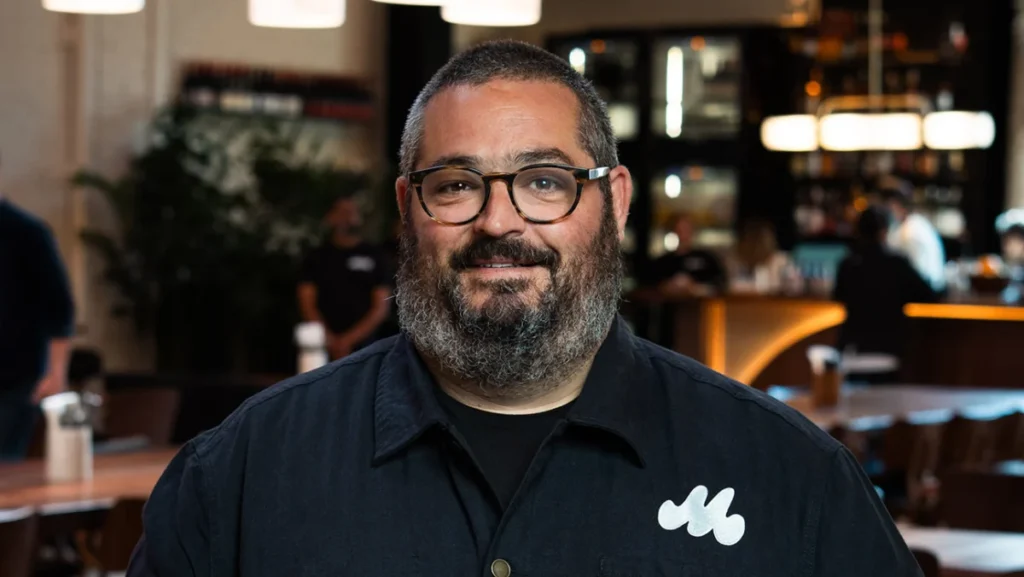
The clarification follows a period of online speculation regarding the longevity of Mixtape, given its reliance on a high-profile soundtrack featuring iconic artists such as Devo. Creative director Johnny Galvatron, speaking in a recent interview, revealed that the development team and the publisher recognized the risks associated with licensed content early in the production cycle. By opting to pay "extra" for permanent rights rather than the standard term-limited agreements common in the industry, the team has prioritized digital preservation and consumer access over short-term cost savings.
The Challenge of Music Licensing in Modern Gaming
To understand the significance of Annapurna’s announcement, one must look at the historical precedent set by the gaming industry over the last two decades. Licensing music for interactive media is a complex legal minefield involving "master use" rights (the rights to the specific recording) and "sync" rights (the rights to pair that music with visual images). Traditionally, these licenses are granted for a fixed term, often ranging from five to ten years.
When these terms expire, publishers face a difficult choice: renegotiate the licenses at a potentially higher cost, patch the game to remove the music, or delist the game entirely. The industry has seen numerous high-profile casualties of this system. The Guitar Hero and Rock Band franchises, which defined an era of rhythm-based gameplay, have seen hundreds of songs removed from their digital stores. Similarly, Rockstar Games has been forced to issue updates for Grand Theft Auto: Vice City and Grand Theft Auto IV that stripped several iconic radio tracks from the games years after their initial release to avoid legal repercussions.
By securing licenses in perpetuity, Beethoven and Dinosaur have insulated Mixtape from these systemic issues. This move is relatively rare in the "AA" and indie publishing space due to the significant upfront capital required to convince major record labels to waive their right to future renegotiations.
A Chronology of the Mixtape Development and Controversy
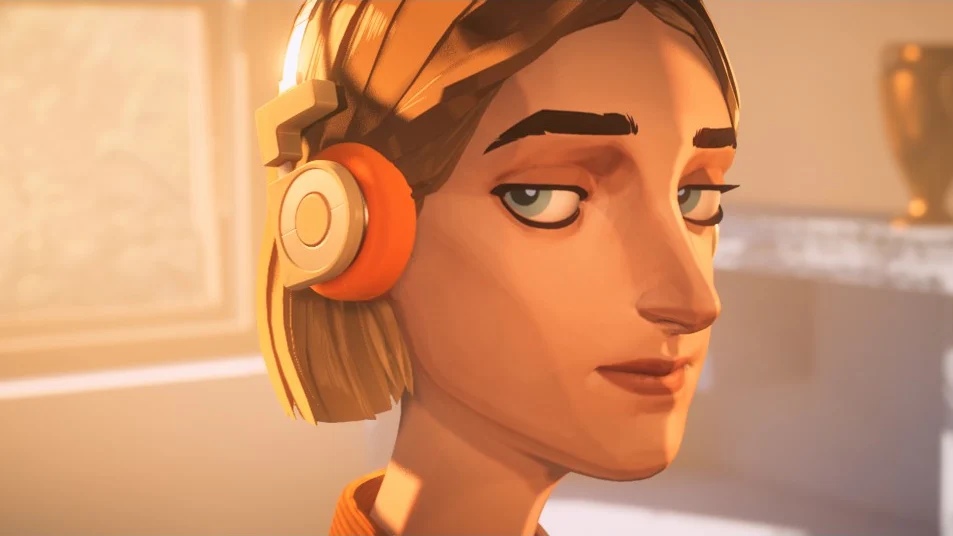
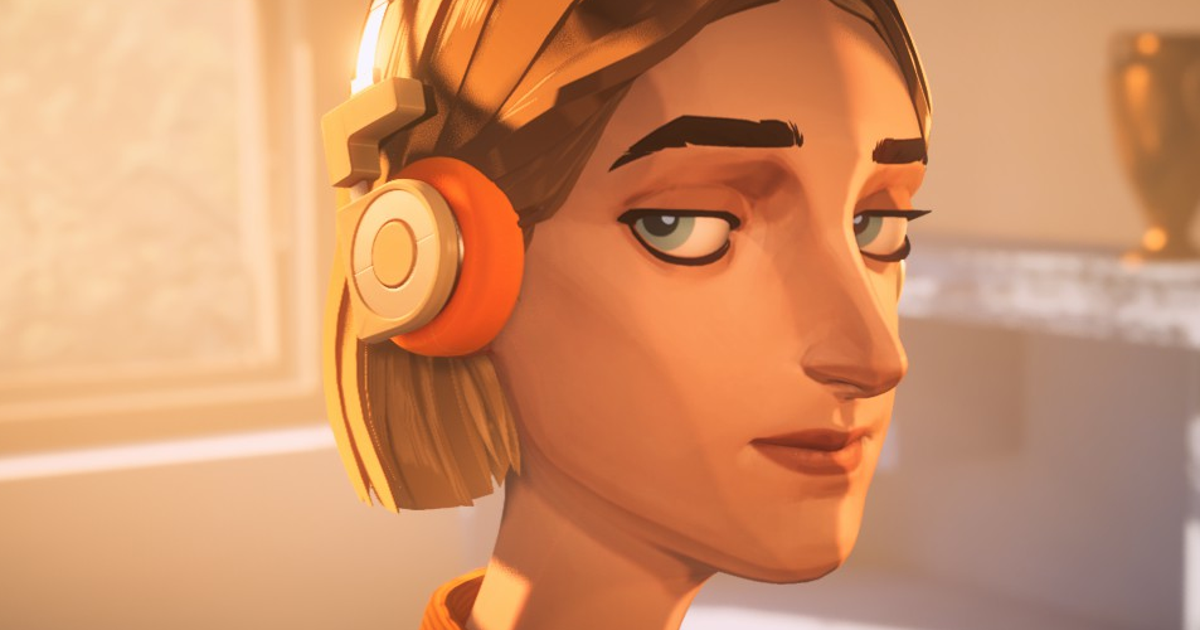
The development of Mixtape was born from the creative success of The Artful Escape, Beethoven and Dinosaur’s previous title, which also placed a heavy emphasis on musicality and visual flair. Johnny Galvatron, a musician himself, envisioned Mixtape as a "playable mixtape," a coming-of-age story set against the backdrop of a teenage wasteland in the late 20th century.
As the game gained traction following its reveal, enthusiasts of the genre began to question how the developers would handle the inevitable expiration of the 1980s and 90s hits that form the backbone of the experience. These concerns reached a fever pitch in mid-2024, leading to rumors that the game would eventually follow the path of titles like Alan Wake—which was briefly delisted in 2017 due to music rights—or the Forza Horizon series, which is systematically delisted four years after each entry’s launch.
In response to these rumors, the official Annapurna Interactive social media channels issued a blunt refutation. The publisher characterized the claims of future delisting as "a lie," reinforcing the statements made by Galvatron regarding the "extra" investment made during the licensing phase. This public stance serves as a rare instance of a publisher being transparent about the financial and legal mechanics behind their content acquisition.
The Creative Philosophy of Johnny Galvatron
For Johnny Galvatron, the decision to secure perpetual licenses was as much about creative integrity as it was about legal stability. During the production of Mixtape, Galvatron expressed a personal fear common among developers of music-centric games: the risk of "creative burnout" regarding the soundtrack. Spending years listening to the same tracks during the testing and iteration phases can often sour a developer’s relationship with the music.
However, Galvatron noted that this fear proved unfounded. He remarked that he still experiences a "buzz" when the game starts and the first notes of Devo begin to play. This emotional connection to the music is central to the game’s narrative, which follows three teenagers on their final night of high school. The soundtrack is not merely background noise; it is a narrative device that triggers memories and drives the "vignette-style" gameplay. If the music were to be removed or replaced in five years, the fundamental identity of the game would be destroyed.
Financial Implications and Industry Impact
The decision to pay for perpetual rights represents a significant shift in how indie publishers view the long-term value of their catalogs. While the exact figures remain confidential, industry analysts suggest that "perpetual" sync licenses can cost between 50% to 100% more than standard 10-year terms. For a game like Mixtape, which features a curated list of established hits, this investment likely represents a substantial portion of the overall budget.
This move by Annapurna Interactive may signal a growing trend toward "preservation-first" publishing. As the digital-only market continues to expand, consumers are becoming increasingly wary of "buying" games that may disappear from their libraries or lose core features due to licensing lapses. By marketing the perpetual nature of the licenses, Annapurna is effectively using digital preservation as a selling point, appealing to a demographic that values long-term ownership.
Furthermore, this strategy places pressure on other publishers to justify their reliance on term-limited licenses. If a mid-sized publisher like Annapurna can navigate the complexities of permanent music rights, larger corporations with significantly more leverage may find it harder to justify the eventual delisting of their titles.
Mixtape as a Celebration of Youth and Nostalgia
Beyond the legal and financial discussions, Mixtape has been praised for its authentic portrayal of the teenage experience. Critics have described the game as a "delight" and a "celebration of teenage life," noting that it captures the specific, often messy energy of youth. The game’s structure—jumping between disparate memories triggered by specific songs—mirrors the way music functions in real life as a mnemonic device.
The 4-out-of-5-star review from Eurogamer highlighted that the game "makes its point, aptly, just as a teenager would." This resonance is largely dependent on the specific tracks chosen for the game. The inclusion of "New Wave" staples and alternative rock hits provides a temporal anchor for the story. Without the assurance of these specific songs remaining in the game, the developer’s vision would be perpetually at risk of being diluted by future "sound-alike" replacements or silent segments.
The Broader Context of Digital Preservation
The Mixtape announcement arrives at a critical juncture for the video game industry. Organizations such as the Video Game History Foundation have long argued that the industry’s current licensing models are inimical to historical preservation. According to a 2023 study, nearly 87% of classic video games released in the United States are "critically endangered" and unavailable through legal, modern means.
Music licensing is one of the primary hurdles in re-releasing older titles. For example, the cult classic Jet Set Radio and various entries in the Tony Hawk’s Pro Skater series have faced significant hurdles in being ported to modern consoles because the original music contracts did not account for digital distribution or future hardware. By securing perpetual rights today, Annapurna is ensuring that Mixtape will not become another statistic in the fight for game preservation.
Official Responses and Market Reaction
Following the publisher’s social media statement, the reaction from the gaming community has been overwhelmingly positive. Players have expressed relief that the "timer" usually associated with licensed games is absent in this instance. The transparency shown by Annapurna Interactive is seen as a corrective to the often-opaque nature of digital rights management.
While other publishers have remained silent on whether they will adopt similar perpetual licensing models, the conversation around Mixtape has effectively raised the bar for consumer expectations. In an era where "live service" games can be shut down at a moment’s notice and digital purchases can be revoked, the promise of a "forever" license for a music-driven game is a powerful statement of intent.
As Mixtape prepares for its continued lifecycle on platforms like PC and Xbox, the focus remains on the synergy between its visual storytelling and its now-permanent soundtrack. The game stands as a testament to the idea that with sufficient investment and a commitment to the medium’s future, the pitfalls of digital licensing can be overcome. For the three teenagers at the heart of Mixtape, their final night of high school will be preserved exactly as it was meant to be heard, for as long as digital storefronts exist.