Netflix has officially released the full, comprehensive trailer for the highly anticipated second season of its live-action adaptation of Avatar: The Last Airbender, signaling a pivotal moment for the series following a polarizing inaugural run. Scheduled to launch globally on June 25, 2026, the new footage, revealed on May 22, 2026, showcases a noticeable leap in production quality, heightened stakes, and, most critically, the long-awaited introduction of the iconic Earthbending master, Toph Beifong. This season aims to build upon the narrative foundations laid in 2024, addressing critical feedback and striving to capture the deeper essence of the beloved animated classic.
The Enduring Legacy of Avatar: The Last Airbender
The original Avatar: The Last Airbender animated series, which first premiered on Nickelodeon in 2005, is widely celebrated as a masterpiece of television animation. Over its three-season run, known as "Books" (Water, Earth, Fire), the series garnered immense critical acclaim for its intricate storytelling, complex character development, profound philosophical themes, and innovative blend of Eastern and Western animation styles. It explored themes of war, genocide, imperialism, spiritualism, and the quest for balance, all through the journey of Aang, the last Airbender and the Avatar, destined to master all four elements and bring peace to a war-torn world. Its cultural impact has been profound, influencing a generation of viewers and creators, and establishing a high benchmark for subsequent adaptations.
The live-action adaptation, therefore, carried an immense burden of expectation. Previous attempts to translate the animated world into live-action, most notably M. Night Shyamalan’s 2010 film The Last Airbender, were met with overwhelming critical derision and fan disappointment, serving as a stark reminder of the challenges inherent in adapting such a cherished property. Netflix’s endeavor, announced with much fanfare, promised a faithful yet fresh take, leveraging modern special effects and a substantial budget to realize the fantastical world of bending and spirits. This context is crucial for understanding the scrutiny and anticipation surrounding the live-action series.
Season 1: A Mixed Reception and Lessons Learned
When the first season of Netflix’s Avatar: The Last Airbender premiered in February 2024, it was met with a deeply divided reception. While it quickly ascended to the top of Netflix’s viewership charts, demonstrating the immense power of the Avatar brand and its dedicated fanbase, critical reviews were largely lukewarm to negative. Many critics and long-time fans expressed concerns over pacing issues, perceived deviations from the source material’s character arcs and tone, and sometimes inconsistent visual effects. The original article succinctly noted, "it wasn’t the best take on this story and didn’t end up with great reviews," a sentiment echoed across numerous platforms.
Common criticisms included the rapid progression of plot points without adequate character development, leading some to feel that the emotional weight of key moments was diminished. Certain performances, while earnest, were deemed to lack the nuanced portrayal of their animated counterparts. Despite these critiques, the series undeniably managed to introduce the rich world of Avatar to a new generation of viewers and re-engage older fans, setting the stage for a continuation that many hoped would address the shortcomings of its debut. The sheer scale of viewership demonstrated that despite critical misgivings, a significant audience was still invested in seeing Aang’s journey unfold in live-action.

The Road to Season 2: Production and Evolution
Following its renewal, the production team behind Avatar: The Last Airbender Season 2 embarked on the challenging task of refining their approach. Showrunner Albert Kim, alongside executive producers like Jabbar Raisani (who also directs episodes) and Christine Boylan (joining for Season 2), faced the unenviable position of balancing fan expectations with the practicalities of a large-scale fantasy production. The original article mentions a "making of featurette" for Season 2, indicating Netflix’s continued investment in transparency and showcasing the intricate work involved in bringing this world to life.
The decision to proceed with a second season, despite the mixed reviews for the first, underscores Netflix’s strategic commitment to high-profile intellectual properties and its willingness to allow series to evolve. The production timeline, from the initial renewal announcement to the May 2026 trailer release and June 2026 premiere, suggests a focused effort to deliver improvements within a reasonable timeframe. Directors for Season 2 include Anu Menon, Amit Gupta, and Hiromi Kamata, promising diverse directorial visions for the unfolding narrative. This period of development has been crucial for the team to absorb feedback, recalibrate storytelling, and enhance the visual spectacle that the Avatar universe demands.
Unpacking the Season 2 Trailer: A Glimpse of Redemption
The newly released full trailer for Season 2 has generated considerable buzz, offering a compelling look at the upcoming narrative and stylistic shifts. It opens with an ominous and intriguing voiceover: "We’ve already won… the question is – how much are you willing to lose," immediately setting a more serious and intense tone than much of the first season. This quote hints at the escalating stakes and the difficult choices that Aang and his companions will face as the war with the Fire Nation intensifies.
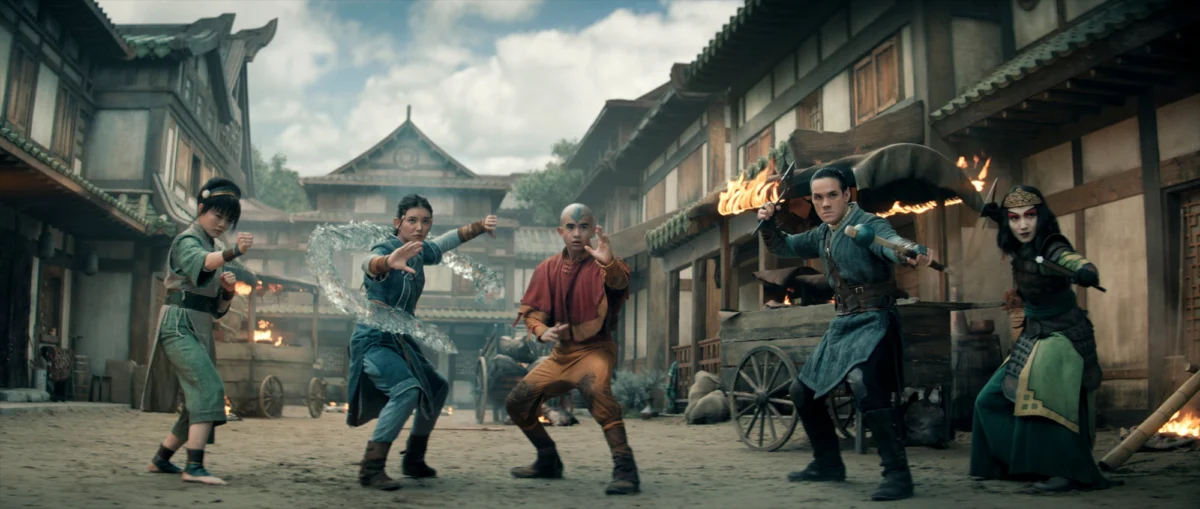
Visually, the trailer suggests a significant upgrade. The earth-bending sequences appear more robust and impactful, showcasing greater mastery and destructive power. Fire-bending, too, seems more aggressive and visually impressive, reflecting the growing threat of Fire Lord Ozai’s forces. The landscapes, including glimpses of Ba Sing Se, appear more expansive and detailed, promising a richer world to explore. The overall impression is one of increased confidence in the series’ visual effects and action choreography.
The narrative for Season 2 picks up immediately after the "bittersweet victory" at the Northern Water Tribe. Aang (Gordon Cormier), Katara (Kiawentiio), and Sokka (Ian Ousley), collectively known as the Gaang, are seen regrouping. The trailer explicitly states their new mission: to convince the elusive Earth King to aid in their battle against the fearsome Fire Lord Ozai (Daniel Dae Kim). This objective directly sets up the journey into the Earth Kingdom, a vast and culturally rich region, and promises encounters with its unique inhabitants and challenges. The original article notes that the Gaang has "noticeably grown up," implying both physical and emotional maturity reflecting the passage of time and their arduous experiences.
The Arrival of Toph Beifong: A Fan-Favorite Enters the Fray
Without a doubt, the most anticipated element of Season 2, and a central focus of the new trailer, is the introduction of Toph Beifong. Portrayed in live-action by Miya Cech, Toph is not merely a new character; she is a cornerstone of the Avatar canon and a beloved figure among fans. Described in the Netflix intro as a "blind Earthbending prodigy," Toph’s unique fighting style, seismic sense, and unwavering confidence are legendary. Her often-underestimated stature belies a formidable power and an unparalleled understanding of earthbending, which she invented by observing badger-moles.

Toph’s arrival is critical for Aang’s journey, as she becomes his earthbending master, teaching him to stand his ground and confront challenges head-on. Her presence is expected to inject a new dynamic into the Gaang, challenging Aang’s pacifist tendencies and providing a grounding force (literally and figuratively) for the group. Her wit, independence, and raw power are key elements that fans are eager to see faithfully adapted. The trailer offers tantalizing glimpses of Miya Cech embodying Toph’s fierce spirit and distinct bending style, raising hopes that this pivotal character will be a highlight of the season.
Expanding the Ensemble and Creative Team
Season 2 features a robust ensemble cast, with returning key players and new additions. Gordon Cormier as Aang, Kiawentiio as Katara, Ian Ousley as Sokka, Dallas Liu as Zuko, Elizabeth Yu as Azula, and Daniel Dae Kim as Fire Lord Ozai continue their roles, deepening their portrayals as the story progresses. The cast also includes Ty Lee and Maria Zhang, likely in expanded roles, and Paul Sun-Hyung Lee. The seamless integration of Miya Cech as Toph is paramount, and early indications from the trailer suggest a strong performance.
Behind the scenes, the creative leadership remains largely consistent, with Albert Kim as showrunner. Jabbar Raisani and Christine Boylan serve as executive producers, with Raisani also directing several episodes. The addition of new directors like Anu Menon, Amit Gupta, and Hiromi Kamata suggests a fresh perspective while maintaining the overarching vision. Dan Lin and Ryan Halprin from Rideback continue as executive producers, underscoring the consistent backing for the series. While specific writing credits for Season 2 are not yet fully disclosed, the collaborative effort behind such a large-scale production is evident.
Anticipated Fan and Critical Response
The release of the Season 2 trailer has already ignited vigorous discussion across fan communities and media outlets. The original article’s concluding questions, "Is anyone still watching this? Ready for more?", encapsulate the underlying sentiment: while Season 1 faced criticism, the enduring appeal of Avatar means that many are still invested, albeit cautiously optimistic. The trailer’s apparent improvements and the arrival of Toph are significant factors that could sway opinions.
There is a palpable sense of hope that Season 2 could be a redemption arc for the live-action adaptation, proving that Netflix can learn from its initial missteps and deliver a more resonant and faithful interpretation of the source material. The pressure to satisfy long-time fans, particularly with a character as beloved as Toph, is immense. A successful portrayal of Toph and compelling adaptation of the Earth Kingdom storyline would not only vindicate the series but also potentially secure its future for a third and final "Book." Conversely, if Season 2 fails to deliver on the promises hinted at in the trailer, it could further alienate the dedicated fanbase.
Broader Implications for Netflix’s Content Strategy
For Netflix, Avatar: The Last Airbender represents a significant investment in adapting popular intellectual properties. In an increasingly competitive streaming landscape, owning and successfully adapting globally recognized franchises is crucial for subscriber acquisition and retention. The series’ performance directly impacts Netflix’s strategy for live-action adaptations of animation, a genre that has seen mixed results across various platforms.

A successful Season 2 would not only solidify Avatar: The Last Airbender as a flagship fantasy series for Netflix but also send a strong message about the platform’s commitment to quality improvement based on audience feedback. It would demonstrate the potential for long-term storytelling in a high-fantasy setting, potentially paving the way for further expansions within the Avatar universe, such as a live-action adaptation of The Legend of Korra or original spin-offs. The global appeal of Avatar ensures that any success or failure has worldwide ramifications for Netflix’s content portfolio.
Conclusion: High Stakes for Aang’s Continued Journey
As June 25, 2026, approaches, all eyes will be on Netflix’s Avatar: The Last Airbender Season 2. The full trailer has offered a promising glimpse into a season that appears more confident, action-packed, and critically, introduces one of the franchise’s most iconic characters. From the Gaang’s urgent mission to enlist the Earth King’s aid to the dynamic arrival of Toph Beifong, the narrative promises to delve deeper into the rich lore and complex challenges of the Avatar world.
The stakes are exceptionally high, not just for Aang’s quest to defeat Fire Lord Ozai and restore balance, but also for the live-action series itself. Season 2 carries the weight of redeeming its predecessor’s criticisms and proving that the spirit of the beloved animated classic can indeed thrive in a new format. With improved visuals, a compelling plot, and the long-awaited introduction of Toph, the stage is set for a pivotal chapter that could redefine the legacy of Netflix’s Avatar: The Last Airbender.