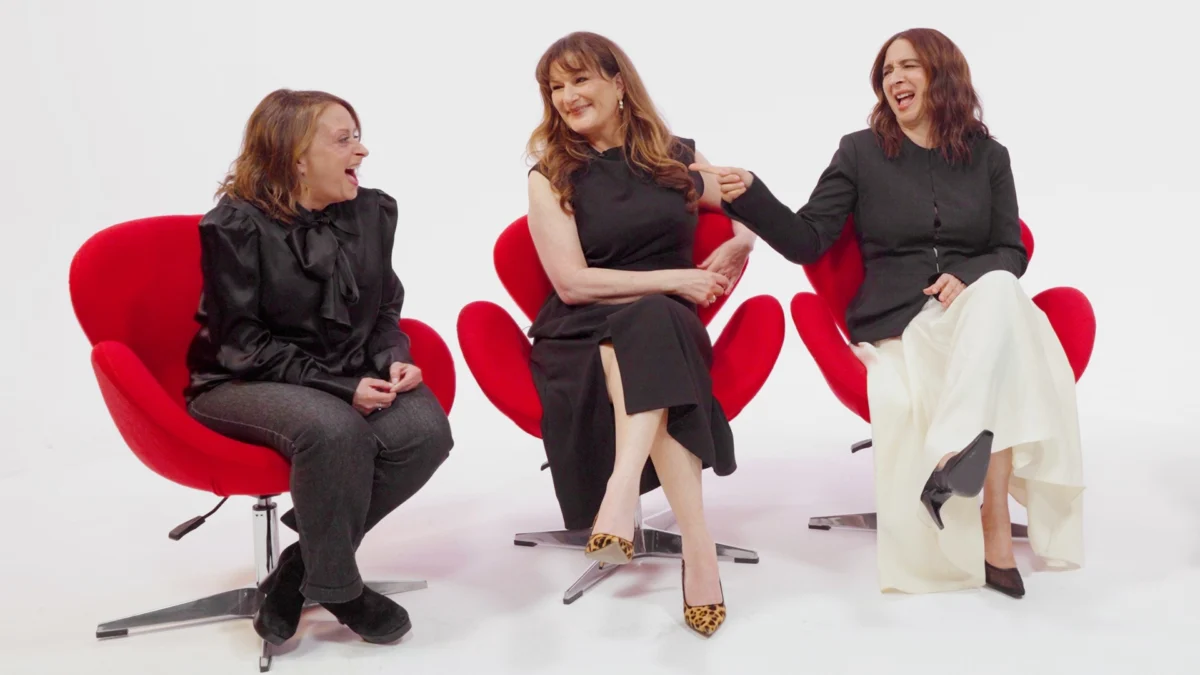
The convergence of three beloved Saturday Night Live (SNL) veterans—Maya Rudolph, Ana Gasteyer, and Rachel Dratch—on Broadway stages simultaneously has created an extraordinary moment in live theater, drawing significant attention and celebrating their remarkable versatility. This unprecedented alignment, highlighting their comedic prowess and dramatic depth, underscores a shared journey from the fast-paced world of late-night sketch comedy to the enduring demands of the Great White Way. Their individual performances, ranging from a Tony-nominated musical turn to a record-breaking Broadway debut, not only captivate audiences but also spark reflections on the unique challenges and rewards of transitioning between these distinct performance arenas.
A Confluence of Talent: The Broadway Engagements
The sheer fact of Rudolph, Gasteyer, and Dratch sharing the Broadway landscape at the same time is a cause for celebration, one that, despite their demanding schedules, they eagerly anticipate commemorating. Each performer brings a distinct and compelling presence to their respective productions, demonstrating the breadth of their artistic capabilities.
Maya Rudolph, making her highly anticipated Broadway debut, steps into the role of Mary Todd Lincoln in Cole Escola’s critically acclaimed and unconventionally humorous historical satire, Oh, Mary! The play offers a twisted comedic lens on the life of the former First Lady, a role previously inhabited by Escola himself, alongside notable performers like Jane Krakowski and Jinkx Monsoon. Rudolph’s performance has been a revelation, contributing to the show’s breaking of box office records. She candidly describes the physical rigor of the role, navigating the stage in a weighty hoop skirt and dance heels, a challenge for which she even undertook weight training. This debut marks a significant milestone in Rudolph’s illustrious career, demonstrating her capacity to command a live theatrical stage with the same charisma she exhibits on screen.
Ana Gasteyer, a seasoned Broadway performer with five prior credits to her name, is currently earning rave reviews and a Tony Award nomination for her portrayal of Mildred Layton in the new musical Schmigadoon! The show itself is a clever parody of Golden Age musicals, and Gasteyer’s role as the uptight mayor’s wife provides a rich canvas for her comedic timing and powerful vocal abilities. Her character’s fast-paced patter song, deliberately fashioned in the intricate style of The Music Man‘s "Ya Got Trouble!", serves as the production’s climactic 11 o’clock number, requiring immense vocal control and stamina. Gasteyer’s ability to both charm and reprimand the fictional townspeople, while delivering a show-stopping performance, solidifies her status as a formidable presence in musical theater.
Rachel Dratch marks her return to Broadway as the narrator in a revival of The Rocky Horror Show. In this iconic and highly interactive production, Dratch not only guides the audience through the fantastical and often bizarre plot but also masterfully handles the myriad of audience callouts that are a hallmark of Rocky Horror performances. Her responses, delivered in character, are a seamless blend of improvisation, dry wit, and sharp humor, requiring constant vigilance and quick thinking. Dratch’s unique ability to engage directly with the audience, maintaining the show’s narrative while embracing its participatory spirit, has been a highlight of the production.
The SNL Training Ground: Preparation and Paradox
The shared lineage of Saturday Night Live forms a crucial backdrop to their Broadway success. All three performers honed their craft in improvisational comedy before SNL—Dratch at Chicago’s Second City and Rudolph and Gasteyer with The Groundlings in Los Angeles. This foundational training, coupled with the relentless pace of SNL, instilled a unique set of skills that both aids and contrasts with the demands of Broadway.
Gasteyer eloquently describes the "weird mutant skin" that SNL alumni share, an inherent ability to feed off a live audience and make rapid, instinctive choices. The SNL environment, characterized by its real-time rewrites and reliance on cue cards, forces performers to think and adapt at an extraordinary speed. As Gasteyer explains, SNL‘s use of cue cards is not a sign of laziness but a practical necessity given the show’s fluid, constantly evolving script. This cultivates an immediate responsiveness that is invaluable in live performance.
However, the transition to Broadway presents its own distinct set of challenges. Rudolph, reflecting on her debut, admitted to being "f**ing terrified," particularly about memorizing lines, a stark contrast to SNL‘s cue card system. She highlights the profound difference in audience connection; SNL often involves performers looking at cue cards rather than directly at each other, whereas Broadway demands a sustained, intimate connection with fellow actors and the audience. The creative process on Broadway is also inherently slower and more deliberate than the frenetic weekly cycle of SNL, a pace that can initially feel uncomfortable for performers accustomed to rapid-fire production. Dratch notes that SNL* offers "one shot" to get it right, while Broadway allows for a more iterative process of refining a performance over time. Despite these differences, the "chops"—a term Dratch playfully disdains—developed through years of live sketch comedy undoubtedly contribute to their stage presence and ability to navigate unexpected moments.
A Sisterhood of Support and Shared Ambitions
Beyond their individual triumphs, the three actresses share a deep bond and a network of mutual support that has been invaluable during this intense period. They frequently exchange texts about the physical and emotional exhaustion inherent in their roles, finding fellowship in shared experiences. Rudolph credits Gasteyer as her "godmother" through the process, providing guidance and reassurance during the daunting initial stages of her Broadway debut.
The wider SNL family has also rallied around them. Fellow alums Tina Fey and Amy Poehler famously commemorated the occasion by creating custom t-shirts emblazoned with the names of all three shows. Paula Pell, another SNL veteran, has made a point of attending all three productions, underscoring the enduring camaraderie among the cast members.
Their connection to theater runs deep, predating their SNL fame. All three proudly identify as "theater kids" who harbored Broadway dreams from a young age. Their shared enthusiasm for the musical Annie—a topic that elicited enthusiastic high-fives—speaks to a collective childhood aspiration. Gasteyer fondly recalls a fifth-grade "Salute to Broadway" where a friend’s mother predicted her future on the Great White Way, a dream now realized with multiple acclaimed performances and a Tony nomination.
The Rigors of the Stage: Physicality, Vocal Demands, and Audience Engagement
The physical and mental demands of Broadway are immense, often underestimated by those outside the theater world. Maya Rudolph’s role in Oh, Mary! is surprisingly strenuous. Beyond the considerable weight of her hoop skirt, which necessitated specific physical training, she performs for "80-straight minutes" in dance heels, a feat requiring significant stamina and control.
Ana Gasteyer’s performance in Schmigadoon! places immense vocal strain on her, particularly with her demanding patter song. She describes the need to "calibrate your adrenal glands" for a role that builds gradually and then "explodes" in a "big explosion" by the end of the show. The combination of singing, screaming, and rapid-fire delivery requires meticulous vocal management, especially amidst the additional pressures of Tony Awards season press and promotional activities.
Rachel Dratch’s challenge in Rocky Horror is less physical but equally taxing mentally. As the narrator, she is responsible for managing the audience’s notorious callouts, which vary nightly. This requires constant "vigilance" and a quick wit to respond in character, maintaining the show’s narrative flow while embracing the spontaneous interaction. She acknowledges that while most callouts are familiar, occasionally an unexpected or "doozy" comment will arise, testing her improvisational skills. This unique role transforms the audience from passive observers to active participants, making each performance distinct.
Embracing "Joy-Forward" Roles: A Career Evolution
A recurring theme among the trio is a shared desire to pursue roles that are "joy-forward." This philosophy, championed particularly by Dratch, reflects a natural evolution in their careers, prioritizing artistic fulfillment and personal enjoyment. Dratch’s immediate "yes" to Rocky Horror stemmed from her gut feeling that it would be a "fun to do something that’s such a party and so kind of subversive." Gasteyer echoed this sentiment, trusting Dratch’s "instincts around joy" when considering Schmigadoon!
This approach signifies a mature perspective, where established performers, having proven their versatility, choose projects that resonate with their personal values and bring them genuine happiness. Rudolph articulates this, stating, "you get to a point in life where you want to enjoy what you’re doing and also you have proven yourself and you know what is moving for you and exciting for you to do." For Gasteyer, playing the "tight ass" Mildred Layton, despite her self-professed "people pleaser" nature, is a joyful experience, offering the delight of playing a character who "really knows right from wrong." Rudolph, too, finds immense satisfaction in playing a lead villain, a "delicious meal" after years of excelling in character roles.
Broader Implications and the Enduring Allure of Broadway
The simultaneous presence of Maya Rudolph, Ana Gasteyer, and Rachel Dratch on Broadway is more than just a coincidence; it is a testament to the enduring appeal of live theater and the magnetic draw of the Great White Way for acclaimed performers. Their collective impact — Rudolph’s box office record, Gasteyer’s Tony nomination, and Dratch’s unique interactive role — injects fresh energy and visibility into the Broadway landscape. This phenomenon highlights how celebrity talent from other mediums can significantly boost audience engagement and critical attention for theatrical productions.
The Tony Awards season, a period of heightened activity and recognition, further amplifies their achievements. While the immediate demands of performances, press, and promotional events have postponed their collective celebration, the anticipation of a shared moment, perhaps after the Tony Awards or when Rudolph’s run concludes in July, remains. Their journey from the spontaneous, high-pressure environment of SNL to the disciplined, sustained performance of Broadway stages illustrates not only their individual talents but also the adaptability and resilience required to thrive across diverse entertainment platforms. As they continue to captivate audiences, Rudolph, Gasteyer, and Dratch solidify their legacies as versatile artists whose impact extends far beyond the confines of late-night television, enriching the vibrant tapestry of American theater.