The independent documentary film from the People’s Republic of China, "Trashy Boy," offers a poignant and intimate portrait of a young man navigating the complexities of life in a remote western province. Originally titled "Feiwu gushi," which translates more starkly as "A Tale of Trash," the film’s chosen English title, "Trashy Boy," may more accurately reflect director Zheng Yifei’s evident empathy for his subject, Zhang Haichao. This sympathy suggests an alternative interpretation of the original Chinese title as akin to "good-for-nothing," a label the film strives to subvert. While the precise nature of the relationship between director and protagonist remains undisclosed, their dynamic is notably unconventional for a documentary. They are depicted in consistent verbal exchange, sharing meals and drinks, fostering an atmosphere of candid intimacy. Both men hail from Longxi, a modest locale within Dingxi city, situated in the western Chinese province of Gansu, a region often overlooked in broader national narratives.
The World of Zhang Haichao: Ambition and Obstacles
At the heart of "Trashy Boy" is Zhang Haichao, a 20-year-old high school dropout. Nicknamed "Big Sponge," Haichao grapples with significant challenges, most visibly his considerable weight. He endeavors to manage this through a regimen of dieting, though the film suggests these efforts, like many aspects of his life, are met with only partial success. His living situation appears relatively stable, residing in a spacious apartment. His primary occupation, and indeed his passion, lies in writing and recording rap music. These lyrical compositions predominantly explore his personal circumstances and inner turmoil. The presence of rap music, a genre deeply rooted in urban culture and less prevalent in the more geographically isolated Gansu province, underscores Haichao’s distinctiveness within his local environment. His nocturnal wanderings, either solitary or accompanied by his sole discernible friend, are consistently documented by Zheng Yifei’s camera. The filmmaker’s approach is characterized by a curious, yet unobtrusive, presence, allowing Haichao’s narrative to unfold organically.
Family Dynamics and Generational Divides
Haichao’s personal history is marked by a difficult childhood. He recounts a period of illness, specifically vasculitis, which may have contributed to his current weight. His upbringing was also characterized by strict parental discipline. However, his father, who works as a school security guard and maintains occasional contact, presents a different demeanor in the film. The father’s inability to comprehend his son’s musical aspirations is a recurring theme. He expresses a preference for Haichao to pursue traditional folk music and singing, a more culturally ingrained form of artistic expression in the region, and to find more conventional means of self-support. The dialogues between father and son, often characterized by a profound lack of mutual understanding and a persistent "talking past each other," emerge as particularly compelling and revealing moments within the documentary. This intergenerational disconnect highlights the clash between traditional expectations and the emerging cultural influences that Haichao embraces.
The Digital Frontier and the Quest for Recognition
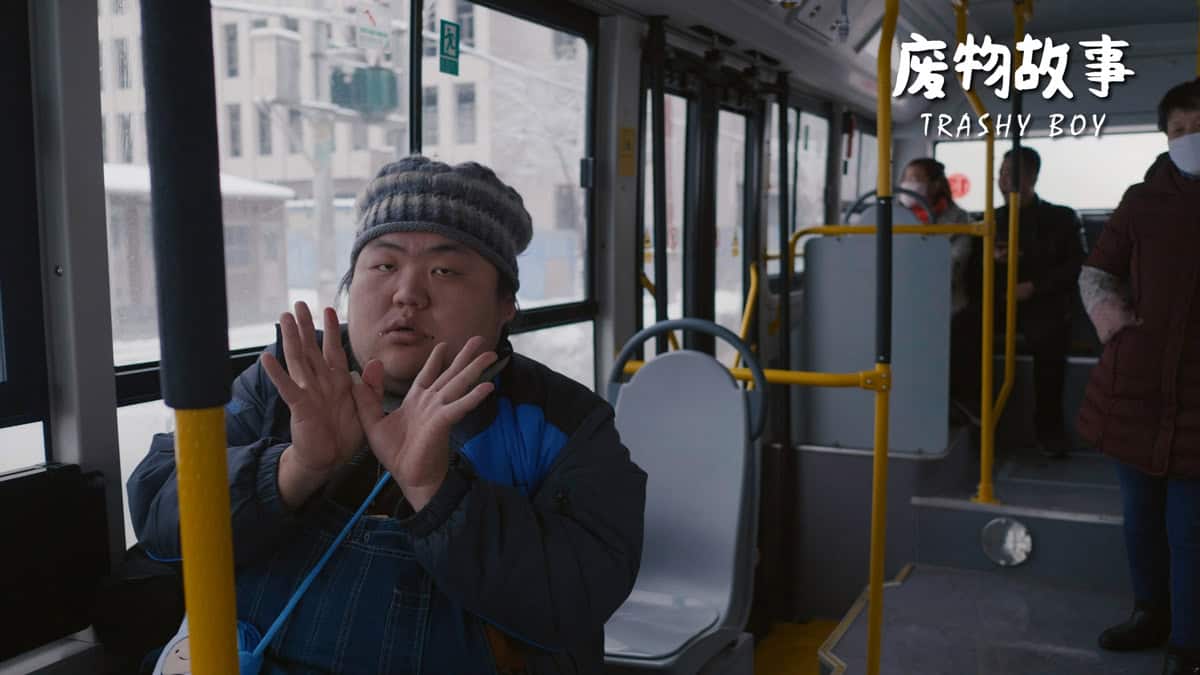
The precariousness of Haichao’s financial situation is palpable. In common with many young individuals in contemporary China, he seeks to supplement his income through online endeavors. His attempts to establish himself as a musician and, more broadly, as an online influencer on platforms like BiliBili, a prominent Chinese video-sharing site akin to TikTok, have yielded limited success. Nevertheless, there are instances of fleeting recognition. During a visit to a local bar in his hometown, Haichao is recognized by patrons who express a desire to hear him perform. This unexpected attention, while indicative of his growing local notoriety, is met with ambivalence by Haichao. Despite a clear yearning for validation, he exhibits a pronounced shyness, indicating a complex relationship with the public persona he is attempting to cultivate. This internal conflict between the desire for fame and innate introversion is a significant element of his character portrayal.
Milestones and Emerging Hope
Two pivotal events punctuate the narrative of "Trashy Boy," offering both challenges and potential breakthroughs for Haichao. The first is his participation in a rap competition held in Xi’an, a major provincial capital, representing a significant step outside his familiar surroundings. The second is his burgeoning online relationship with a woman. While this connection offers a source of emotional support, a promise of her visiting him in Longxi remains unfulfilled, at least within the timeframe of the film. Despite these setbacks and the ongoing struggles, the concluding scenes of "Trashy Boy" convey a sense of resilience. Haichao demonstrates an unwavering refusal to succumb to despair. The film culminates with a beautifully produced and professionally recorded rap song, its lyrics suggesting a nascent optimism and hinting at the possibility of a brighter future for the aspiring artist. This final artistic output serves as a powerful testament to his enduring passion and creative spirit.
Critical Acclaim and Distribution Challenges
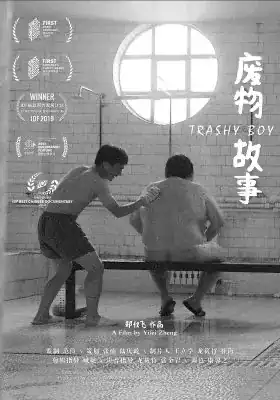
Zheng Yifei’s debut feature, "Trashy Boy," has garnered recognition, securing two awards at local festivals within China, including a highly coveted Audience Award. This critical reception suggests that Haichao’s complex and relatable journey resonated deeply with viewers. The awards also potentially acknowledge Zheng’s directorial approach, which prioritizes empathy and avoids exploiting his subject’s vulnerabilities. For instance, the film refrains from intrusive depictions, even in potentially sensitive scenes, such as a visit to a bathhouse where Haichao’s obesity is evident. The director’s commitment to presenting Haichao with unwavering support and understanding is a hallmark of the documentary. It is a regrettable circumstance that "Trashy Boy" has had limited international exposure, particularly considering its artistic merit and the universal themes it explores. A broader presence at international film festivals would have undoubtedly provided a wider audience with the opportunity to engage with this compelling human story and Zheng Yifei’s sensitive filmmaking.
Broader Context: Youth Culture and Economic Realities in Gansu
The narrative of "Trashy Boy" is situated within a broader context of evolving youth culture and the economic realities faced by young people in China’s less developed regions. Gansu province, historically a recipient of less investment compared to coastal areas, presents unique challenges and opportunities. The rise of online platforms like BiliBili has democratized content creation, allowing individuals from diverse backgrounds to express themselves and potentially reach large audiences. However, the economic viability of such pursuits remains uncertain for many. Haichao’s struggle to monetize his talent is emblematic of the broader challenge of bridging artistic ambition with sustainable income, particularly outside of major urban centers.
Furthermore, the film touches upon the ongoing tension between traditional societal expectations and the aspirations of a new generation. While Haichao’s father represents a more conservative viewpoint, valuing established cultural norms and secure employment, Haichao’s embrace of rap music signifies a desire for self-expression and a connection to global youth culture. This generational divide is a common theme in contemporary China, as the country undergoes rapid social and economic transformation. The film subtly highlights how young people in these regions are navigating these shifts, seeking their own identities and pathways to success.
The Role of Independent Documentary in China
"Trashy Boy" also contributes to the growing landscape of independent documentary filmmaking in China. These films often provide a counter-narrative to officially sanctioned media, offering more nuanced and critical perspectives on social issues. While the Chinese government has a complex relationship with artistic expression, independent filmmakers have increasingly found ways to produce and distribute their work, often through online platforms and smaller festivals. Zheng Yifei’s success with "Trashy Boy," despite its limited reach, demonstrates the potential for independent documentaries to resonate with audiences and spark important conversations about societal issues. The film’s focus on an individual’s struggles, set against the backdrop of a specific regional context, allows for a micro-level examination of macro-level societal trends.
Data Points and Trends
While specific statistical data on the prevalence of obesity among young adults in Gansu or the economic success rates of aspiring online influencers in the region is not detailed in the article, broader trends provide context. China has witnessed a significant rise in obesity rates across all age groups in recent decades, linked to dietary changes and lifestyle shifts. According to data from the World Health Organization, China’s adult obesity rates have been steadily increasing. Similarly, the rise of the "influencer economy" has created new avenues for income generation, but also intense competition. Platforms like BiliBili host millions of content creators, making it challenging for individuals to stand out and achieve financial success. Haichao’s experience, therefore, is not entirely anomalous but reflects broader societal and economic dynamics at play.
Future Implications and Artistic Impact
The enduring impact of "Trashy Boy" may lie in its ability to foster empathy and understanding for individuals who exist on the margins of society. By presenting Haichao with dignity and respect, Zheng Yifei challenges simplistic labels and encourages viewers to look beyond surface appearances. The film’s success at local festivals suggests a public appetite for authentic storytelling that reflects the realities of everyday life in China, beyond the idealized portrayals often found in mainstream media. The documentary’s exploration of themes such as self-discovery, resilience, and the pursuit of dreams, even in the face of adversity, offers a universal message that transcends geographical and cultural boundaries. The critical and audience acclaim, despite limited distribution, points to the potential for such independent works to achieve wider recognition and contribute to a more diverse and nuanced cinematic landscape. The film serves as a reminder of the power of documentary to illuminate individual lives and offer profound insights into the human condition.