


The cinematic landscape of Taiwan has long been a fertile ground for storytelling, and director Chen Yu-hsun, acclaimed for his works like "Tropical Fish" and "My Missing Valentine," once again delves into the nation’s complex past with his latest offering, "A Foggy Tale." This compelling narrative unfolds against the chilling backdrop of Taiwan’s White Terror, a period of brutal political repression by the Kuomintang government that spanned from the declaration of martial law in 1949 until its lifting in 1992. During these decades, countless civilians lived under a pervasive cloud of fear, facing arbitrary searches, relentless pursuit, and even execution on suspicion, however unsubstantiated, of communist sympathies. It is within this atmosphere of pervasive dread and political paranoia that Chen Yu-hsun crafts a deeply human story of hope and perseverance.
A Glimpse into a Suppressed Era
"A Foggy Tale" opens in 1953, a seemingly tranquil scene depicting a teenage sister, Yue, delivering lunch to her elder brother in the fields. This serene introduction belies the underlying tension of the era. Their quiet conversation is soon revealed to be a clandestine meeting, as the brother is in hiding, evading authorities for suspected anti-government activities. The fragility of their bond and the constant threat of discovery are palpable. A year later, the devastating news reaches Yue: her brother has been executed by firing squad in Taipei. The state’s swift and unforgiving justice leaves an indelible mark.
Adding to Yue’s despair is the callous indifference of her uncle, who has taken her in. He refuses to allocate the necessary funds to retrieve her brother’s body, deeming it an unnecessary expense. Armed with little more than a few coins and her brother’s treasured watch, a poignant memento of their shared past, Yue embarks on a perilous journey to Taipei. Her sole objective is to somehow procure the funds required to claim her brother’s remains and afford him a proper burial. However, the sprawling metropolis of Taipei proves to be a far more treacherous and unforgiving environment than the rural innocence she has known. Falling prey to unscrupulous individuals, Yue finds herself in grave danger, only to be unexpectedly rescued by Chao Kung-tao, a compassionate rickshaw driver. Moved by the young girl’s plight and her unwavering determination, Chao develops a soft spot for the naive country girl and pledges his assistance in her quest to raise the much-needed money.
Friendship Forged in Adversity
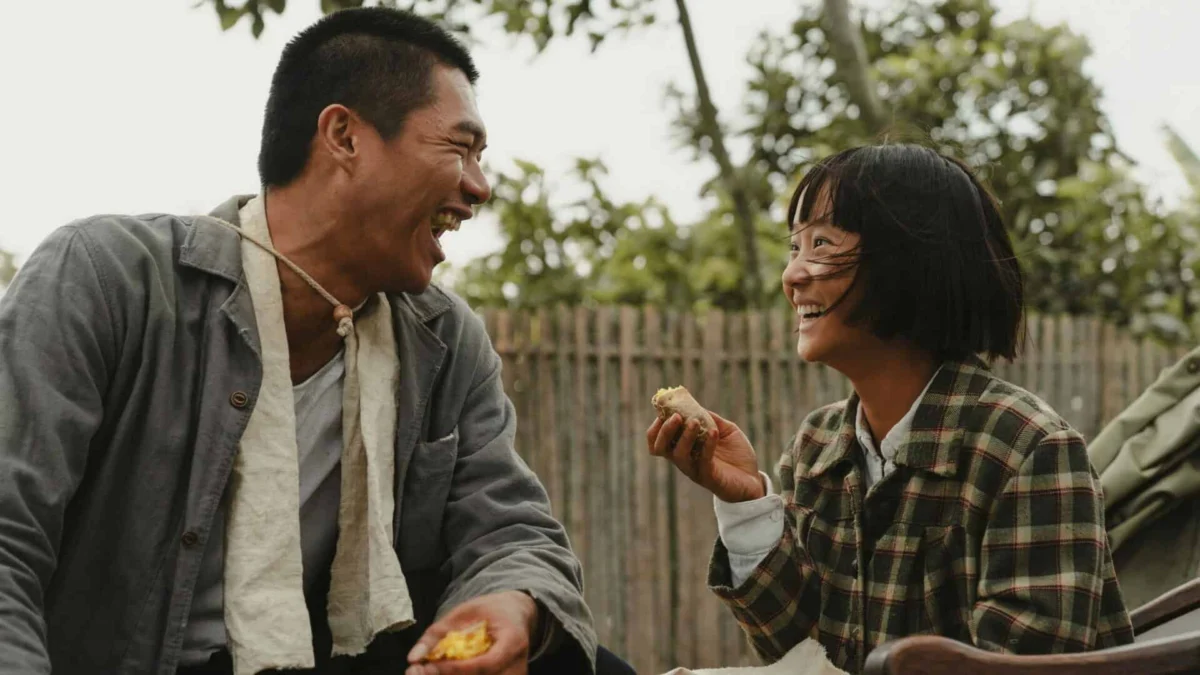
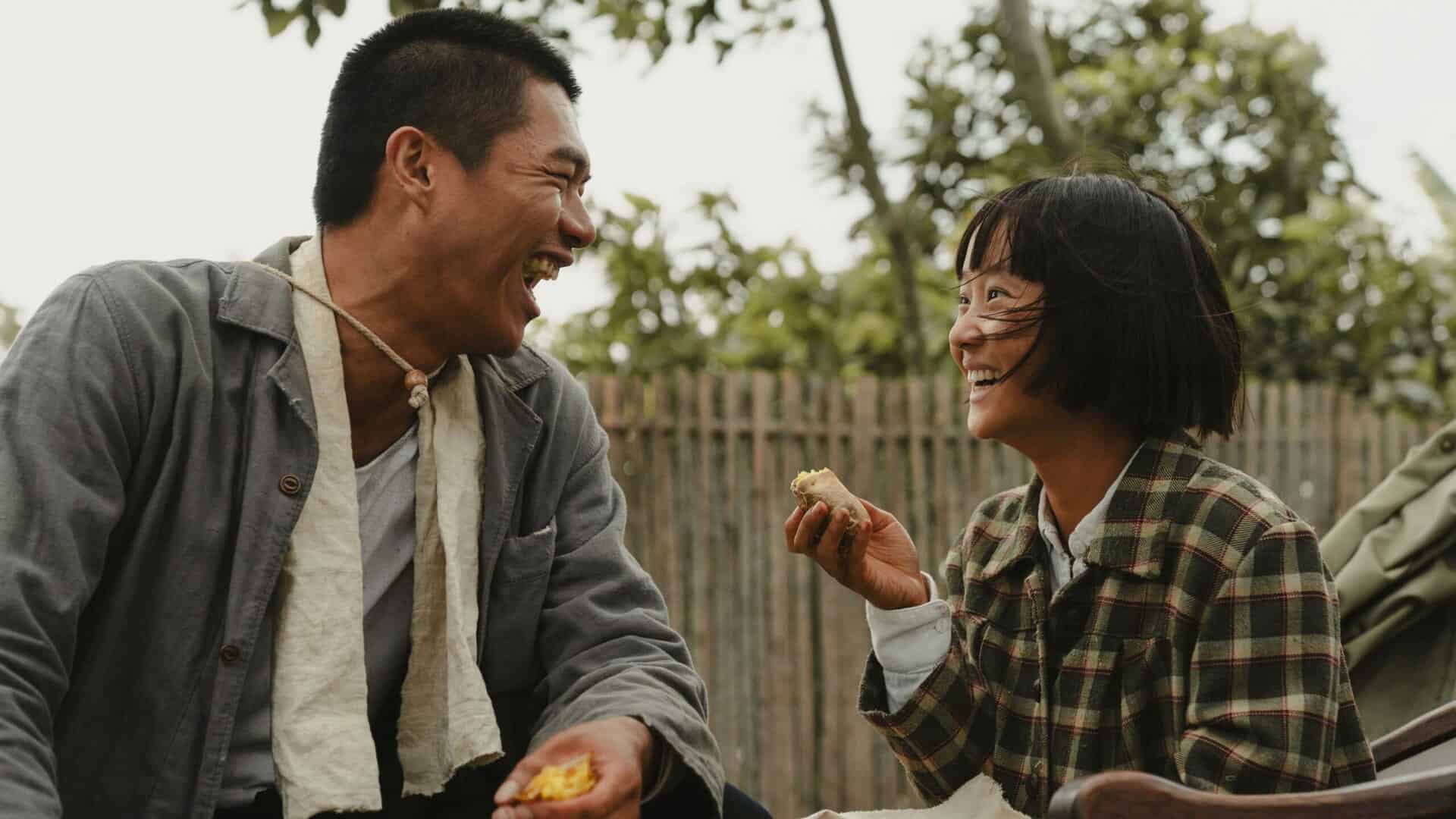
For the majority of its runtime, "A Foggy Tale," penned by Chen Yu-hsun himself, masterfully employs the White Terror not as the central focus, but as a potent and pervasive backdrop against which the more intimate narrative of Yue and Chao Kung-tao’s money-raising efforts unfolds. This approach allows the film to develop a beautiful and profound friendship, built on nascent trust and mutual reliance, between the innocent Yue and the gruff yet kind-hearted Chao. Their dynamic is as charming as it is frequently humorous, providing moments of levity amidst the somber historical context. A significant contributor to the success of this central relationship is the undeniable chemistry shared between Caitlin Fang, who portrays Yue, and Will Or Wai-lam, who embodies Chao Kung-tao.
The performances of Fang and Or are as distinct as the characters they portray, reflecting their contrasting personalities. Fang embodies innocence personified, her character exhibiting a guileless trust that leads her to follow a stranger down a dark alley or to gamble away her meager savings on the word of a dubious character. This portrayal captures the vulnerability of youth exposed to harsh realities. In stark contrast, Will Or delivers a performance as Chao that is boisterous, audacious, and often foul-mouthed, perfectly encapsulating the rickshaw driver’s outwardly carefree and devil-may-care attitude. Yet, beneath Chao Kung-tao’s seemingly unburdened exterior lies a man grappling with his own internal struggles. It is through his character that the film subtly yet effectively conveys the pervasive psychological toll of living under the White Terror, revealing its insidious effects on the civilian psyche.
Subtle Storytelling and Enduring Imagery
Chen Yu-hsun demonstrates remarkable restraint in his storytelling, avoiding heavy-handed exposition. Instead, he delicately weaves in the oppressive realities of the era through subtle yet firm details, allowing them to resonate without overwhelming the characters or the narrative. Metaphorical elements are woven throughout the film, with water, rain, clouds, and fog serving as potent symbols for the suffocating atmosphere and the pervasive uncertainty that defined life for many Taiwanese citizens. These atmospheric elements lend the feature its evocative title, "A Foggy Tale."
Perhaps the most emotionally resonant and enduring moment in the film occurs later in the narrative. Yue is reunited with her elder sister, Hsia, a dancer and singer in Taipei. The scene unfolds at a formalin pool, a stark and unsettling setting that leaves a profound and lasting impression on the viewer, a moment likely to be etched in memory long after the credits roll. Taiwanese singer and actress 9m88 delivers a powerful performance as Hsia, matching the emotional depth brought by Caitlin Fang. Following this heartbreaking tableau, Chen Yu-hsun skillfully transitions to a scene of a beautiful and heartwarming procession, offering a cathartic release and a testament to the enduring spirit of human connection.
Critique and Cinematic Craftsmanship
While "A Foggy Tale" is a largely accomplished work, certain aspects of Yue’s character arc could be perceived as a point of contention. Specifically, the perceived lack of urgency in her pursuit of the funds needed to claim her brother’s body can be puzzling. While one might attribute this to her youthful naiveté, it becomes more perplexing when Chao Kung-tao appears more driven and resolute in expediting their efforts than Yue herself. Furthermore, an epilogue sequence, while effectively tying up loose ends and offering a surprisingly welcome cameo, introduces a touch of melodrama that, while not detracting significantly, feels somewhat extraneous to the otherwise grounded narrative.
However, one element that consistently commands admiration throughout the production is its exceptional cinematography and art direction. The film is meticulously set in 1953, a period marked by profound social, economic, and political upheaval in Taiwan. Consequently, the visual palette is intentionally devoid of overt beauty. Roads are authentically depicted as grimy, and buildings appear even more dilapidated. Cinematographer Chen Chi-wen expertly captures this bleak reality, employing drab and grimy imagery that immerses the viewer in the era. The sweeping camera movements skillfully navigate the characters through narrow alleyways and into makeshift dwellings, bustling bazaars, and the somber confines of a funeral home, offering a comprehensive visual chronicle of the environment. The musical score remains true to the film’s genre, but it is in the aforementioned formalin pool scene that the music truly elevates the emotional impact.
Recognition and Historical Significance
The critical acclaim for "A Foggy Tale" is evident in its significant recognition at the Golden Horse Awards, where it garnered an impressive 11 nominations and secured four prestigious awards, including Best Narrative Film and Best Original Screenplay. These accolades underscore the film’s artistic merit and its ability to resonate with both critics and audiences. It is easy to understand the reasons behind such recognition; despite a few minor imperfections, "A Foggy Tale" stands as a remarkably accomplished feature that delicately navigates the complexities of an important historical period, offering a nuanced portrayal of a dark chapter in modern Taiwanese history.
While it may not reach the same narrative heights as films like "Super Citizen Ko," another powerful cinematic exploration of the White Terror, "A Foggy Tale" nonetheless stands as an impactful and essential chronicle of a time that is too rarely depicted in cinema. Its success lies in its ability to humanize the historical trauma, focusing on the resilience of ordinary people and the enduring power of human connection in the face of immense adversity. The film serves as a vital reminder of Taiwan’s past, encouraging reflection and understanding of the sacrifices and struggles that shaped the nation.
Broader Context and Implications of the White Terror
The White Terror in Taiwan was a multifaceted and brutal campaign of political suppression that had far-reaching consequences for Taiwanese society. The Kuomintang (KMT), led by Chiang Kai-shek, retreated to Taiwan in 1949 following their defeat in the Chinese Civil War. Upon arrival, they imposed martial law, which remained in effect for nearly four decades. The primary objective of the KMT government during this period was to maintain absolute control and prevent any perceived communist infiltration or dissent that could threaten their rule or their ambition to eventually reclaim mainland China.
The scope of the repression was vast. Estimates of those arrested, imprisoned, or executed range from tens of thousands to hundreds of thousands. The targets were not just suspected communists but also intellectuals, dissidents, labor activists, and anyone perceived as a threat to the KMT’s authority. The legal framework was often manipulated, with summary trials and a lack of due process becoming commonplace. This climate of fear permeated all levels of society, stifling free speech, academic inquiry, and political organization.
The long-term implications of the White Terror are still felt in Taiwan today. It created a generation marked by trauma and silence, a period where open discussion of political grievances or historical injustices was often dangerous. However, the eventual lifting of martial law in 1987 and the subsequent democratization of Taiwan paved the way for a reckoning with this dark past. Transitional justice initiatives, truth commissions, and the establishment of memorials have become crucial in acknowledging the suffering of victims and fostering a more open and democratic society. Films like "A Foggy Tale" play a vital role in this process, bringing these historical narratives to a wider audience and contributing to a collective memory that honors the past while building a more just future. The film’s success at prestigious award ceremonies like the Golden Horse Awards further signifies Taiwan’s growing willingness and capacity to confront its complex history through the powerful medium of cinema, ensuring that the lessons of the White Terror are not forgotten.