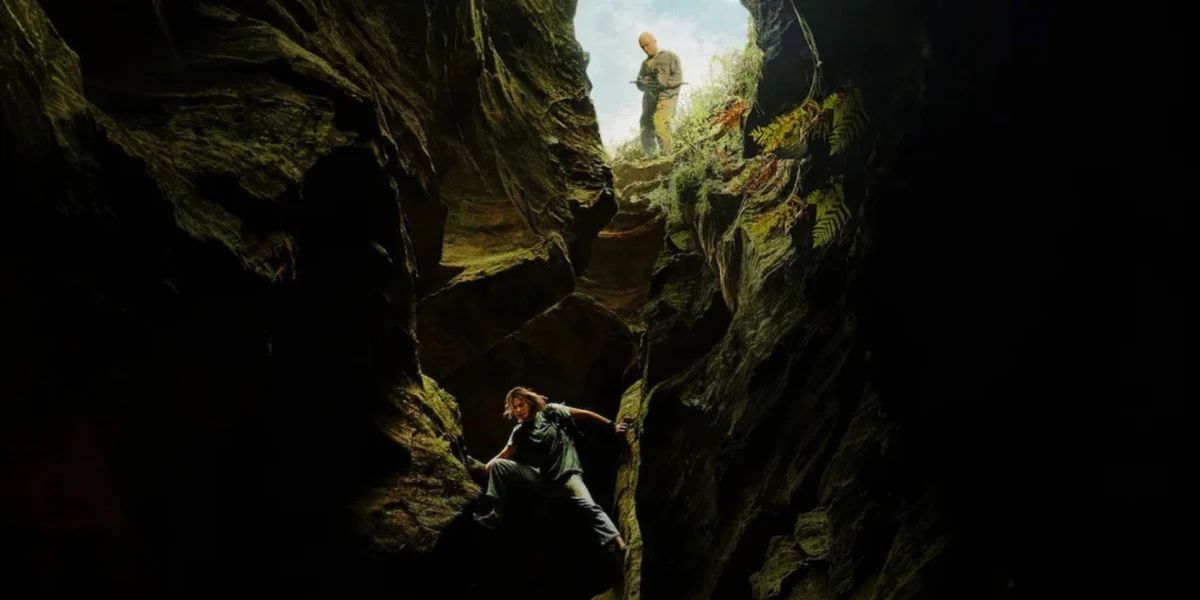
The cinematic landscape is set to be redefined in 2026 with the highly anticipated release of "Apex," a gripping survival action thriller helmed by acclaimed director Baltasar Kormákur. Penned by the talented Jeremy Robbins, the film boasts a stellar cast featuring Oscar-winning actress Charlize Theron, rising star Taron Egerton, and the formidable Eric Bana. "Apex" plunges audiences into a harrowing narrative centered on a skilled rock climber pushed to her absolute limits when she becomes the target of a relentless hunter in the unforgiving wilderness. The film’s screenwriter, Jeremy Robbins, recently granted an exclusive interview to Next Best Picture, offering a deep dive into his creative process and the arduous journey of bringing "Apex" to fruition. The film is now available for streaming on Netflix, inviting viewers to experience its intense narrative firsthand.
The Genesis of a Survival Thriller
The concept of "Apex" emerged from a desire to explore the primal struggle for survival against overwhelming odds, set against a breathtaking yet perilous natural backdrop. Screenwriter Jeremy Robbins, known for his nuanced character development and sharp dialogue, envisioned a story that would not only thrill audiences with its action sequences but also resonate on a deeper emotional level. The narrative hinges on the protagonist’s resilience and resourcefulness as she navigates a deadly game of cat and mouse, where every decision carries life-or-death consequences.
Robbins’s collaboration with director Baltasar Kormákur, a filmmaker renowned for his ability to capture the raw beauty and brutality of nature in films like "Everest" and "The Deep," proved to be a pivotal element in shaping "Apex." Kormákur’s directorial prowess, combined with Robbins’s compelling script, promised a visually stunning and emotionally charged cinematic experience. The casting of Charlize Theron, an actress celebrated for her intense performances in action-oriented roles such as "Mad Max: Fury Road" and "Atomic Blonde," immediately elevated expectations. Her ability to convey both physical strength and profound vulnerability made her the ideal choice to embody the film’s resilient protagonist. The addition of Taron Egerton, who has showcased his versatility in projects like "Kingsman" and "Rocketman," and Eric Bana, a seasoned actor with a history of powerful performances in thrillers like "Hanna" and "The Keeping Hours," further solidified "Apex" as a must-watch event.
Crafting the Narrative: An Interview with Jeremy Robbins
In a candid conversation with Next Best Picture, screenwriter Jeremy Robbins elaborated on the intricacies of writing "Apex." He revealed that the initial spark for the story came from a fascination with the human capacity for endurance when faced with extreme adversity. Robbins explained, "I wanted to create a scenario where the protagonist is stripped of all modern conveniences and forced to rely solely on her innate instincts and physical prowess. The wilderness itself becomes a character, a formidable antagonist that tests her resolve at every turn."
Robbins also discussed the meticulous research involved in developing the film’s survival elements. "Understanding the practicalities of survival – what one would eat, how one would find shelter, the psychological toll of isolation – was crucial," he stated. "I delved into literature on mountaineering, wilderness survival guides, and even accounts of individuals who have faced similar harrowing experiences. The goal was to ensure authenticity, even within the heightened reality of a thriller."
The dynamic between the protagonist and her pursuer was another key focus for Robbins. He emphasized the importance of crafting a compelling antagonist whose motivations, while perhaps twisted, would add layers to the narrative. "It’s not just about a chase; it’s about a psychological battle," Robbins noted. "The hunter represents a primal force, an embodiment of the wilderness’s indifference. The protagonist’s struggle is not just to escape, but to outwit and overcome this threat, both physically and mentally."
Robbins also touched upon the collaborative process with director Baltasar Kormákur and the lead actors. "Baltasar has an incredible eye for visual storytelling and a deep understanding of creating atmospheric tension. His vision for the film’s visual language was instrumental," he shared. "Working with Charlize was an absolute dream. Her commitment to the role and her ability to embody the physical and emotional demands of the character were inspiring. Taron and Eric brought their own unique strengths to their roles, creating a complex web of interactions that elevates the film."
The interview, available in both video and audio formats on Next Best Picture, serves as an invaluable resource for anyone interested in the behind-the-scenes development of a high-stakes thriller. It offers a rare glimpse into the meticulous craft of screenwriting and the collaborative efforts required to bring such a project to life.
The Technical and Artistic Pillars of "Apex"
The success of a survival thriller like "Apex" relies heavily on its technical execution, from cinematography to sound design. Director Baltasar Kormákur, with his extensive experience in shooting in challenging natural environments, is expected to deliver breathtaking visuals that immerse the audience in the film’s rugged setting. The choice of filming locations will undoubtedly play a significant role in amplifying the sense of isolation and danger. Previous films by Kormákur, such as "Everest," which meticulously recreated the perilous ascent of the world’s highest peak, demonstrate his commitment to visual authenticity and scale. It is reasonable to infer that "Apex" will similarly leverage its environment to its full dramatic potential.

The film’s score and sound design will also be critical in building suspense and conveying the protagonist’s emotional state. The subtle rustling of leaves, the distant calls of wildlife, the pounding of a heart – all these elements, when expertly crafted, can heighten the audience’s sense of peril and empathy. The editing pace will likely shift dynamically, mirroring the protagonist’s escalating desperation and the intensity of the pursuit. Fast-paced montages during chase sequences will contrast with slower, more deliberate moments that emphasize her isolation and internal struggle.
Supporting Data and Industry Context
The survival thriller genre has consistently performed well at the box office, demonstrating a strong audience appetite for stories that test the limits of human endurance and resilience. Films like "The Revenant" (2015), which earned Leonardo DiCaprio an Academy Award for Best Actor, and "127 Hours" (2010), a harrowing true-story account of survival, exemplify the genre’s appeal. These films often combine stunning natural landscapes with intense personal drama, creating a visceral experience for viewers.
The streaming landscape, particularly with platforms like Netflix, has also provided a new avenue for such films to reach a global audience. Netflix’s investment in a diverse range of content, including original thrillers and action films, suggests a strategic move to capture a broad demographic. The decision to release "Apex" on Netflix indicates a confidence in its marketability and its potential to generate significant viewership. Industry analysts have noted that films with strong female leads in action-oriented roles have seen a surge in popularity, with audiences increasingly seeking out stories that empower and inspire. Charlize Theron’s casting aligns perfectly with this trend, further bolstering the film’s potential for success.
Chronology of Production (Inferred)
While specific production dates for "Apex" are not detailed in the provided information, a typical film production timeline can be inferred.
- Pre-production (Estimated 2023-Early 2024): This phase would have involved script finalization, director and cast selection, location scouting, and extensive planning for the challenging shooting conditions. Jeremy Robbins would have been heavily involved in script revisions during this period, collaborating closely with Kormákur.
- Principal Photography (Estimated Mid-2024 – Late 2024): Filming would have taken place in remote, rugged locations to capture the authenticity of the wilderness. This would have been a physically demanding period for the cast and crew, particularly for lead actors.
- Post-production (Estimated Late 2024 – Early 2026): This extensive phase includes editing, visual effects (if any), sound mixing, scoring, and color grading. The film’s visual impact and suspenseful atmosphere would be meticulously crafted during this stage.
- Marketing and Release (2026): Following post-production, the film would have undergone a marketing campaign leading up to its release on Netflix in 2026.
The interview with Jeremy Robbins likely took place during the post-production or marketing phase, allowing him to discuss the film with a degree of reflection on the completed project.
Potential Implications and Broader Impact
The release of "Apex" on a major streaming platform like Netflix carries significant implications for both the film industry and audiences. For Netflix, it represents another high-profile acquisition or production that aims to attract and retain subscribers. The film’s strong cast and director, coupled with its inherent genre appeal, position it as a potential flagship title for the platform in 2026.
From a narrative perspective, "Apex" has the potential to contribute to the ongoing discourse surrounding female agency and resilience in action cinema. Charlize Theron’s performance, in particular, could serve as a benchmark for future portrayals of strong, resourceful women facing extreme challenges. The film’s success could also encourage further investment in survival thrillers and stories that highlight the power of the human spirit against the backdrop of nature’s formidable forces.
Moreover, the interview with Jeremy Robbins, as facilitated by Next Best Picture, underscores the growing importance of behind-the-scenes content in engaging audiences. By offering insights into the creative process, platforms and publications can foster deeper connections with viewers and enhance the overall appreciation of cinematic craftsmanship. The availability of such content through podcasts and video interviews signals a trend towards more transparent and accessible filmmaking, allowing audiences to become more invested in the stories and the people behind them. The continued support for such initiatives, as encouraged by Next Best Picture through their Patreon, is vital for the sustainability of independent film journalism and the promotion of diverse cinematic voices.
"Apex" is poised to be more than just an action film; it is a testament to the enduring human will to survive and a showcase of top-tier talent in filmmaking. Its availability on Netflix ensures that its message of resilience and its thrilling narrative will reach a vast global audience, potentially leaving a lasting impact on the survival thriller genre and the broader cinematic landscape.