


The much-anticipated sophomore feature from acclaimed Vietnamese director Leon Le, Ky Nam Inn, has made its global premiere in the prestigious Special Presentations section of the 50th Toronto International Film Festival (TIFF). Following the international success of his 2018 debut, "Song Lang," Le returns to explore his signature themes of memory, art, and the complexities of human intimacy, this time transporting audiences to the evocative landscape of 1980s post-war Saigon. Shot entirely on 35mm film, the project not only marks a significant comeback for the celebrated actress Do Thi Hai Yen but also solidifies Le’s reputation as a singular and distinctive voice within contemporary Vietnamese cinema. The film’s inclusion at TIFF, a globally recognized platform for cinematic innovation and artistry, underscores its potential to resonate with international audiences and further elevate Vietnamese filmmaking on the world stage.
A Glimpse into Post-War Saigon and Enduring Connections
Ky Nam Inn is set against the poignant backdrop of the mid-1980s, a period of profound transition for Vietnam. The nation was in the process of healing from the deep scars of a protracted war, while simultaneously embarking on a cautious path toward renewal and economic reform. Within this atmosphere of nascent change and lingering memory, the narrative unfolds around Khang, a young translator tasked with the significant cultural undertaking of creating a new Vietnamese version of Antoine de Saint-Exupéry’s beloved classic, "The Little Prince."
Upon his arrival in Saigon to commence this work, Khang finds lodging in a dilapidated collective housing unit, a setting that immediately immerses the viewer in the everyday realities of the era. It is within this communal living space that he encounters Ky Nam, a widowed woman from the South. Ky Nam sustains herself and her modest existence by preparing meals for the building’s tenants, her presence offering a quiet anchor amidst the transient lives of her neighbors. Initially, an air of wariness exists between Khang and Ky Nam, a natural reticence born from their disparate backgrounds and the uncertainties of their circumstances. However, as their interactions become more frequent, a gentle companionship begins to blossom. This nascent bond gradually deepens, evolving into a profound connection that transcends the societal divides of age, personal grief, and the broader socio-political context of post-war Vietnam. A pivotal moment in their evolving relationship occurs when Ky Nam suffers an injury, prompting Khang to readily volunteer his assistance in the communal kitchen, symbolizing a growing interdependence and care.
Navigating Social Dynamics and Political Undercurrents
The communal living arrangement in Ky Nam Inn is not without its social complexities. Luyen, a vocal and often gossipy resident of the building, takes a keen, and at times intrusive, interest in Khang. This preoccupation fuels her repeated outbursts and criticisms directed at Ky Nam, who consistently endures these aggressions with a remarkable stoicism and quiet dignity. Luyen’s character serves as a conduit for the building’s internal social dynamics and unspoken tensions.
Concurrently, Ky Nam is deeply engrossed in the intricate preparations for her brother’s wedding. This undertaking unfolds within an era characterized by highly restrictive government policies, particularly concerning cultural expressions and practices that carried associations with the former regime. The authorities maintained a watchful eye, and any deviation from prescribed norms could invite scrutiny or disapproval. The wedding preparations, therefore, become not only a personal endeavor but also a subtle navigation of these prevailing societal constraints.
Meticulous Craftsmanship and Visual Resonance
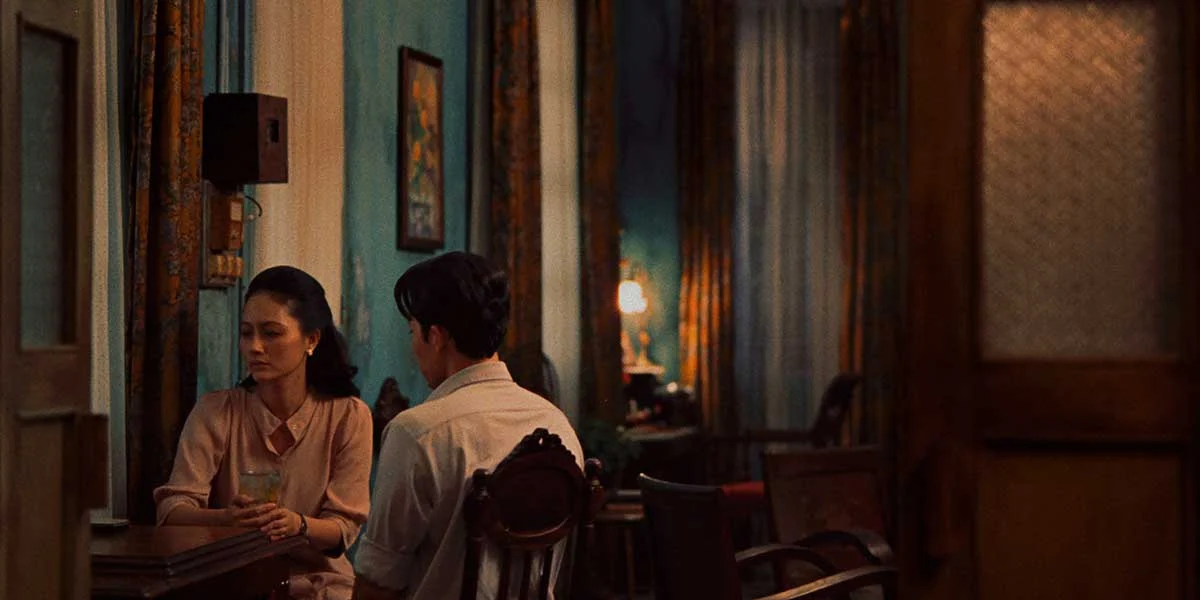
One of the most immediately striking aspects of Ky Nam Inn is its meticulous and almost painterly craftsmanship, a testament to Leon Le’s directorial vision. Echoing the visual splendor of "Song Lang," this film is a veritable feast for the eyes, with every set detail meticulously rendered to evoke the specific period and atmosphere. The interiors of the apartment complex are imbued with an impressive authenticity, transporting the viewer directly into the lived realities of its inhabitants. The production design consistently exhibits an extraordinary level of precision, from the worn textures of the walls to the carefully chosen domestic objects that speak volumes about the characters’ lives and the era.
Bob Nguyen’s cinematography is a masterclass in visual storytelling. He makes exceptional use of framing, skillfully capturing the intimacy and claustrophobia of shared spaces, even when multiple individuals are crowded into confined areas. This adept handling of composition, combined with the nuanced coloring provided by Octopus, results in a succession of images that are not merely illustrative but are, in essence, moving works of art. The visual language of the film is deeply evocative, contributing significantly to its emotional and thematic depth.
The Palpable Atmosphere of Nostalgia and Artistic Expression
A pervasive atmosphere of nostalgia imbues the narrative of Ky Nam Inn. Leon Le demonstrates a profound and evident longing for the Saigon of the past, a sentiment that is significantly amplified by the deliberate choice to shoot on 35mm film. The characteristic "grainy" texture of the film stock lends a tangible sense of history and memory to the visuals, imbuing each frame with a dreamlike quality. This aesthetic choice is further enhanced by An Ton That’s evocative musical score. The music functions not merely as background accompaniment but actively shapes and guides the emotional journeys of the characters, at times even dictating the emotional tenor of specific scenes. The synergy between the visual aesthetic and the musical score creates a deeply immersive and emotionally resonant experience for the viewer, fostering a palpable sense of longing for a bygone era.
A Subtly Woven Love Story and Nuanced Performances
The portrayal of the central love story between Khang and Ky Nam is a testament to Leon Le’s skill in handling delicate emotional nuances. The development of their feelings is depicted with remarkable subtlety and restraint. Both characters gradually recognize their burgeoning affections for one another, yet they remain hesitant to fully express these emotions, largely due to the complexities of their individual circumstances and the societal expectations of the time. Consequently, the rare moments when this emotional restraint gives way to tentative expression become profoundly impactful. Le masterfully avoids explicit depictions, allowing the unspoken to speak volumes.
This subtle approach is powerfully reinforced by the performances of Lien Binh Phat as Khang and Do Thi Hai Yen as Ky Nam. Both actors deliver performances characterized by remarkable understatement, conveying a wealth of emotion and internal conflict through their nuanced portrayals. Their glances, subtle gestures, and even deliberate moments of averted eye contact communicate more profoundly than any dialogue could. These beautifully restrained performances are central to the film’s ability to capture the delicate blossoming of connection in a reserved environment.
Contrasting Performances and Socio-Political Commentary
In direct contrast to the understated performances of the leads, Hong Ngoc Ngo as Luyen offers a more overt and emotionally transparent portrayal. She wears her feelings openly on her face, providing an effective counterpoint to the more reserved nature of Khang and Ky Nam. Luyen’s character also introduces one of the film’s more significant socio-political dimensions. Her behavior and pronouncements serve to reflect the lingering tensions and divisions between "Southerners" and "Northerners" in the years following national reunification. While these political undercurrents are presented subtly, their presence is palpable throughout the film.
This subtle commentary is particularly evident in the depiction of the strict cultural regulations imposed by the Communist regime, such as the prohibition of certain songs or artistic expressions associated with the former regime. The arrest scene, for instance, vividly conveys the pervasive pressure and surveillance under which individuals lived. Furthermore, references to Ky Nam’s late husband carry a quiet yet potent political resonance, hinting at the personal sacrifices and losses endured during periods of conflict and political upheaval. The film’s narrative skillfully weaves these personal stories into the broader fabric of national history, offering a nuanced perspective on the lived experience of post-war Vietnam.
Thematic Resonance of "The Little Prince"
The inclusion of Antoine de Saint-Exupéry’s "The Little Prince" within the narrative of Ky Nam Inn is layered with thematic significance. On a primary level, it represents Khang’s professional endeavor and his connection to the world of literature and art. However, its presence also serves as a poignant nod to the enduring cultural and historical influence of France in Vietnam. French architecture, educational systems, and language left an indelible mark on Vietnamese society, particularly in major cities like Hanoi and Saigon. Leon Le thoughtfully incorporates this legacy into the film’s fabric, suggesting a continuity of cultural exchange and the complex interplay of local and foreign influences that have shaped Vietnam’s identity. The translation project itself becomes a metaphor for bridging cultural divides and finding universal truths, much like the allegorical nature of Saint-Exupéry’s novella.
Pacing and Overall Impact
Leon Le’s own editing of Ky Nam Inn establishes a measured and deliberate rhythm, which at times can drift towards a slower pace. While this deliberate pacing contributes to the film’s contemplative mood and allows moments to breathe, it might have benefited from a few additional cuts to heighten tension and avoid occasional lulls in narrative momentum. Clocking in at 140 minutes, Ky Nam Inn could be perceived by some viewers as slightly overstaying its welcome. However, the film’s considerable aesthetic richness and thematic resonance ultimately reward the viewer’s patience, offering a deeply rewarding cinematic experience for those willing to immerse themselves in its carefully constructed world.
Conclusion: A Visually Stunning and Emotionally Rich Tapestry
Despite minor considerations regarding pacing, Ky Nam Inn emerges as a visually stunning and emotionally profound work of cinema. It is a film that is both exquisitely crafted and richly layered with subtle social and political commentary. Leon Le has delivered a sophomore feature that not only reaffirms his artistic prowess but also offers a compelling and moving exploration of human connection, memory, and resilience in the face of historical adversity. The film’s premiere at the Toronto International Film Festival marks a significant moment for Vietnamese cinema, showcasing a directorial vision that is both deeply personal and universally resonant. The film’s ability to capture the quiet dignity of its characters, the evocative atmosphere of a specific historical moment, and the subtle complexities of human relationships solidifies its place as a notable achievement in contemporary filmmaking.