A decade ago, Netflix embarked on a distinctive journey to revolutionize how users navigated its burgeoning content library, introducing a charismatic, if short-lived, virtual assistant named Max. This innovative experiment, launched exclusively on the PlayStation 3 in 2013, represented Netflix’s foray into interactive content recommendation, a stark contrast to the passive algorithmic suggestions prevalent at the time. Max was designed not merely to suggest titles but to engage users in a playful, game-show-like experience, aiming to alleviate the growing phenomenon of "choice paralysis" that has become an enduring challenge in the streaming era. This deep dive revisits Max’s genesis, functionality, eventual discontinuation, and its lasting, albeit subtle, influence on Netflix’s ongoing quest to enhance user experience and content discovery.
The Genesis of Max: A Bold Step in Content Curation
In the early 2010s, Netflix was rapidly transitioning from its DVD-by-mail origins to becoming the dominant force in online streaming. Its content library was expanding exponentially, a blessing for subscribers but also a burgeoning problem: with more options came increased difficulty in deciding what to watch. Traditional recommendation algorithms, based on viewing history and ratings, were effective but lacked a human touch or an element of spontaneity. It was within this context that Netflix conceived Max, a feature that sought to gamify the discovery process and inject personality into content suggestions.
Max officially debuted on June 28, 2013, with Netflix strategically choosing the PlayStation 3 as its initial launch platform. At the time, the PS3 was a critical device for Netflix, reportedly accounting for a significant portion of its streaming traffic globally. This made it an ideal testing ground for a novel feature that required a more interactive interface than typical smart TVs or mobile devices. The ambition was clear: if Max proved successful on the PS3, Netflix would expand its availability to other platforms, with the iPad being a stated next target. Todd Yellin, then VP of Product Innovation at Netflix, articulated this vision in a blog post announcing Max, emphasizing the company’s commitment to making content discovery more engaging and less of a chore.
The development of Max was a collaborative effort, notably involving Jackbox Games (then known as Jellyvision Games), the studio renowned for its irreverent and comedic trivia series, You Don’t Know Jack. This partnership was pivotal, imbuing Max with a distinct, game-show host persona characterized by witty dialogue and humorous interactions. This creative synergy leveraged Jellyvision’s expertise in crafting engaging, character-driven interactive experiences, aiming to make Max feel like a genuine companion rather than a sterile algorithm.
Diving into Max’s Interactive World: Beyond the Algorithm
Max was more than just a recommendation tool; it was an interactive entertainment experience in itself. Upon engaging with Max, users were greeted by an animated persona who guided them through a series of mini-games and questions designed to gauge their mood and preferences. The goal was to translate a user’s momentary desire – whether for a laugh, a thrill, or something entirely new – into a tailored content suggestion.
The interactive options Max presented included:
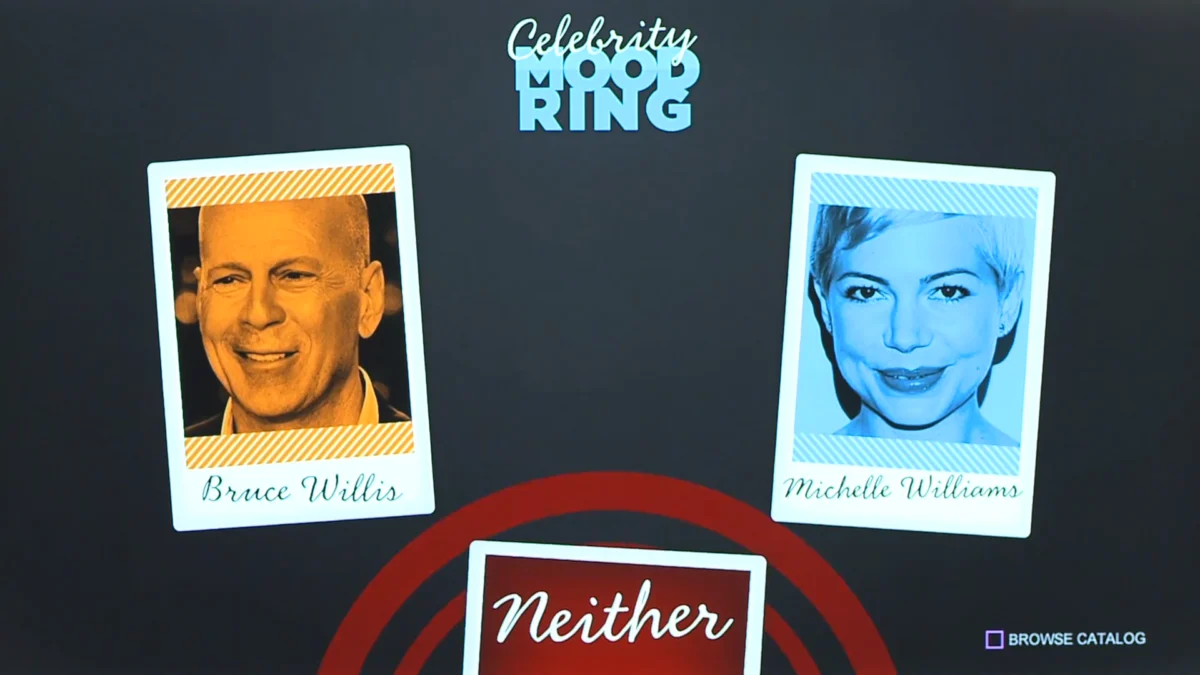
- "Mood Ring" Selection: Users could choose from a spectrum of moods or genres, such as "Something funny," "Something exciting," or "Something thought-provoking." Max would then respond with a curated list of titles aligning with that emotional state.
- "This or That" Choices: Similar to a rapid-fire quiz, Max might present two contrasting themes or actors, prompting users to pick their preference, thereby narrowing down the options. For instance, "Do you feel like ‘Action-packed sci-fi’ or ‘Heartfelt drama’?"
- "Surprise Me": For those truly stumped, Max offered a "Surprise Me" option, akin to a lucky dip, leveraging its humorous persona to pitch a seemingly random, yet algorithmically informed, selection.
A distinctive element of Max was its "30-second pitch" feature. Once Max presented a suggestion, users could request a quick, playful summary of the show or movie. These pitches were designed to be entertaining and concise, providing just enough information to pique interest without revealing spoilers, all delivered in Max’s signature comedic style. This level of interaction stood in stark contrast to the static synopses and trailers that were the industry standard, making content selection feel like a personalized, guided journey.
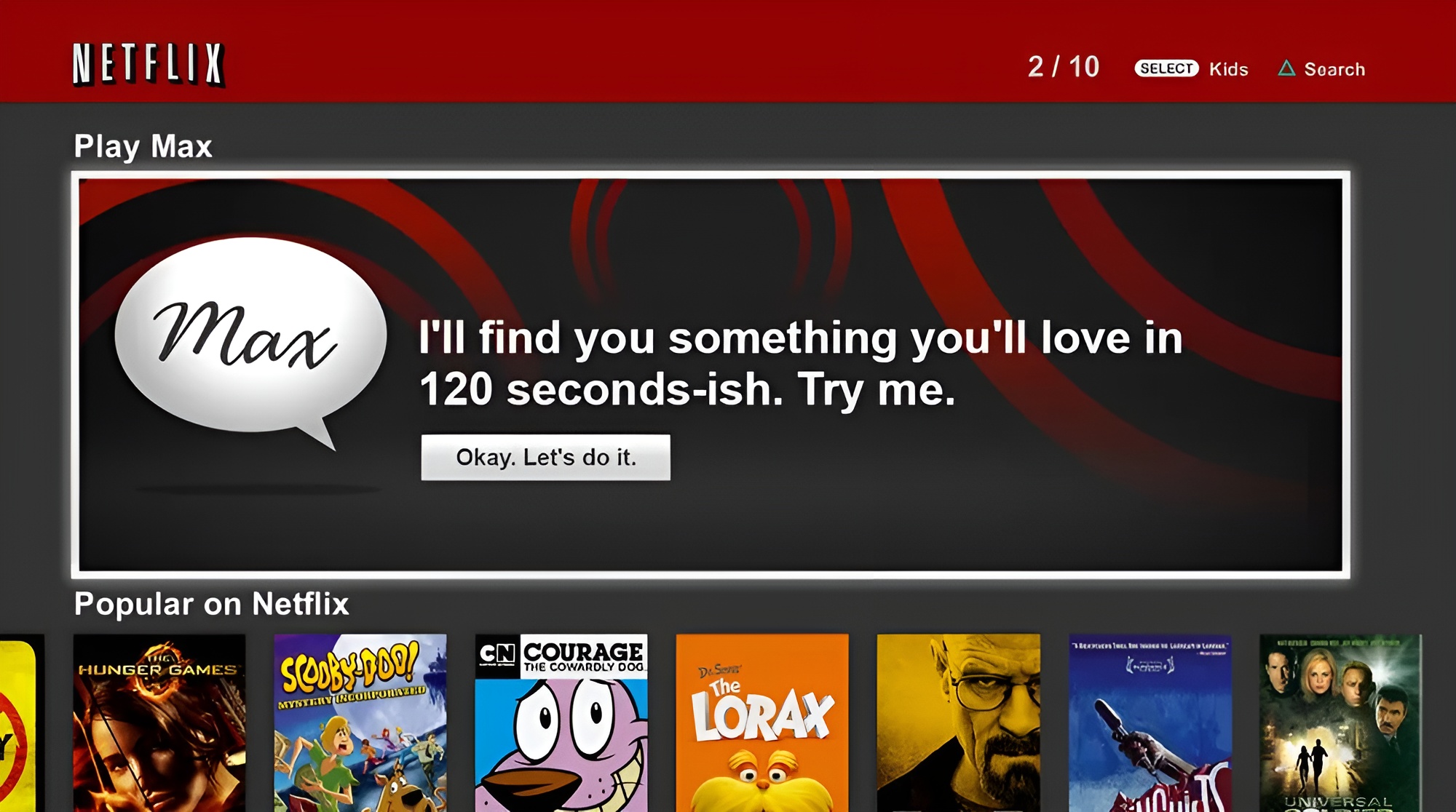
It’s worth noting the interface of Netflix in 2013 was also notably different. The star-rating system, a legacy from its DVD service, was still in place, allowing for granular feedback that informed Max’s suggestions. This predated the simpler "thumbs up/down" and "double thumbs up" system adopted years later. Furthermore, the UI featured integrations like a "Popular on Facebook" row, reflecting the prevalent social media integration trends of the time, where users were encouraged to link their Netflix accounts to Facebook to share viewing habits and recommendations with friends. Titles like The Avengers, Brother Bear 2, and Cars, then readily available on Netflix, highlight the broader content landscape before major studios like Disney began pulling their libraries for their own streaming platforms.
The Broader Landscape: Netflix’s Growth and the Rise of Choice Paralysis
Max’s introduction came at a pivotal moment for Netflix. In 2013, the company reported approximately 37 million global subscribers, a significant figure but a fraction of its current 270 million+ subscriber base. Its content library, while growing, was also less vast and diverse than it is today. Yet, even with a comparatively smaller catalog, the challenge of discovery was becoming apparent. The "paradox of choice," a psychological phenomenon where an abundance of options can lead to anxiety and indecision, was increasingly relevant to streaming services.
Industry analysts recognized this growing pain. While algorithms were becoming sophisticated at predicting individual preferences based on past viewing, they often struggled with serendipity or catering to dynamic moods. Max was an attempt to bridge this gap, offering a more intuitive, human-like interaction for those moments when a user didn’t know what they wanted, only how they wanted to feel. This was a direct response to qualitative feedback from users who often spent more time browsing than watching.
The competitive landscape in 2013 was also evolving. While Netflix held a dominant position, services like Hulu and Amazon Prime Video were steadily growing, and new players were beginning to emerge. User experience, particularly in content discovery, was becoming a crucial differentiator. Max was a testament to Netflix’s willingness to experiment and invest in innovative solutions to retain its edge.
The Sunset of an Experiment: Why Max Didn’t Last
Despite its innovative approach and playful personality, Max’s tenure was relatively brief. By May 2015, just under two years after its launch, users began to notice Max’s quiet disappearance from their PS3 Netflix apps. Subsequent inquiries to Netflix customer service confirmed its official retirement. The primary reason cited by the company was a lack of widespread user adoption and engagement.
Several factors likely contributed to Max’s discontinuation:
- Active Participation vs. Passive Consumption: Max required users to actively engage in a series of prompts and mini-games. While some appreciated this interactive approach, the majority of Netflix subscribers preferred a more passive content discovery experience, where suggestions were presented instantly without additional input. The very problem Max sought to solve – the "chore" of choosing – inadvertently added another layer of interaction that many users ultimately found cumbersome rather than helpful.
- Limited Scope and Repetition: As some users pointed out on platforms like Reddit, repeated interactions with Max often led to the same small pool of recommended titles. The system, while entertaining, might not have had the depth or dynamism to consistently offer fresh, diverse suggestions over time, leading to a sense of predictability and staleness. This rigidity contrasted sharply with the ever-evolving, data-driven recommendation algorithms that Netflix was simultaneously refining behind the scenes.
- Platform Exclusivity: Max’s initial exclusivity to the PlayStation 3, while strategic for testing, also limited its exposure and potential for mass adoption. The promised expansion to other devices like the iPad never materialized, preventing Max from reaching a broader audience that might have embraced its unique style.
- Technological Evolution: Netflix’s core recommendation algorithms were continually improving, becoming more sophisticated in personalizing content without the need for explicit user input beyond viewing history. As these backend systems advanced, the need for a front-facing, gamified assistant like Max diminished.
Ultimately, Max was an ambitious experiment that highlighted the tension between novelty and utility. While lauded for its creativity, it failed to integrate seamlessly into the typical user’s streaming habits, which gravitated towards simplicity and immediate gratification.
Max’s Enduring Legacy: The Continued Quest for Discovery
While Max himself vanished from Netflix’s interface, the problem he aimed to solve – choice paralysis and content discovery – remains a central challenge for the streaming giant and the industry as a whole. Netflix has continued to experiment with various solutions, many of which can be seen as spiritual successors to Max’s initial vision.
One notable successor was the "Play Something" feature, sometimes referred to as "Surprise Me," which Netflix rolled out globally in 2021. This button, often found on the home screen, allowed users to instantly jump into a show or movie recommended by Netflix’s algorithm, bypassing the browsing phase entirely. While more passive than Max, it shared the goal of alleviating decision fatigue by offering an immediate viewing option. However, "Play Something" also saw a relatively short lifespan, being quietly discontinued in early 2023, suggesting that even simplified "shuffle" features don’t always resonate universally.
More recently, Netflix has introduced features like its vertical video feed, a TikTok-style interface on mobile devices that showcases short clips and trailers from various titles. This immersive, swipeable format aims to capture user attention quickly and provide a dynamic preview of content, encouraging immediate engagement. While far removed from Max’s game-show personality, it represents another iteration in Netflix’s ongoing effort to make content discovery intuitive and engaging in a visually driven, fast-paced digital environment.
The story of Max serves as a valuable case study in innovation within the tech and entertainment industries. It demonstrates Netflix’s willingness to take risks and explore unconventional solutions to user experience challenges. Though Max did not achieve the widespread adoption Netflix hoped for, the lessons learned from its development and deployment undoubtedly informed subsequent product decisions and the evolution of Netflix’s recommendation engine.
Broader Implications: Innovation, User Experience, and the Future of Streaming
Max’s brief existence offers broader insights into the dynamics of innovation, user experience design, and the evolving landscape of digital entertainment. It underscores that even groundbreaking ideas must align with fundamental user behaviors and preferences to achieve sustained success. The preference for passive, seamless content delivery ultimately outweighed the appeal of interactive gamification for the majority of Netflix’s audience.
The ongoing struggle with choice paralysis across streaming platforms highlights the continuous need for intelligent and intuitive discovery tools. As content libraries continue to expand, and new streaming services emerge, the ability to effectively guide users to content they love, quickly and effortlessly, remains a critical competitive advantage. The failure of Max and the subsequent discontinuation of "Play Something" suggest that while users desire relief from choice fatigue, the exact mechanism for delivering that relief is still being refined. The ideal solution likely lies in a subtle, highly personalized, and non-intrusive integration of recommendation logic within the core user interface, rather than a separate, interactive experience.
In conclusion, Netflix Max stands as a fascinating footnote in the history of streaming – a quirky, charismatic experiment born of genuine intent to solve a nascent problem. While its virtual personality is long gone, its legacy endures in Netflix’s persistent pursuit of the perfect content discovery solution, reminding us that even in the age of sophisticated algorithms, the human desire for connection, ease, and a touch of delightful surprise continues to shape the future of how we find what to watch next.