The advent of the internet in the 1990s marked a profound shift in human interaction, ushering in an era of unprecedented connectivity and transforming the very fabric of personal relationships. As email and online forums became commonplace, nascent forms of digital intimacy began to emerge, foreshadowing the pervasive social media platforms and instant messaging services that define communication today. It was within this burgeoning digital landscape that filmmaker Yoshimitsu Morita crafted "Haru," an unconventional romantic drama that, upon its release, offered a uniquely prescient exploration of human connection amidst the growing influence of the online world. Awarded at the 18th Yokohama Film Festival, "Haru" is widely recognized as a seminal work by Morita, standing alongside his critically acclaimed "The Family Game."
The Genesis of "Haru": A Digital Connection Unfolds
The narrative of "Haru" centers on Noboru Hayami, a Tokyo businessman who adopts the online persona "Haru" (meaning "Spring") on a movie discussion forum. This pseudonym, a shortened version of his given name, also imbues his digital identity with a sense of renewal and burgeoning possibility. Through this online space, Noboru forms a deep and unexpected connection with another user, "Hoshi" (meaning "Star"), who is later revealed to be Mitsue Fujima, a woman residing in Morioka. Their digital correspondence evolves from casual exchanges about cinema into an intimate emotional bond, characterized by profound vulnerability and shared personal hardships.
Noboru reveals his past struggles, including the abandonment of his dream to become an American football player due to debilitating health issues. Mitsue, in turn, grapples with the profound grief of losing her lover and navigates a series of unfulfilling employment opportunities. Despite the geographical distance and the nascent nature of their online relationship, their emotional intimacy deepens, leading to a shared yearning for a tangible, real-life meeting. This desire, however, is not without its complications, adding layers of complexity to their burgeoning connection.
Navigating the Nuances of Early Cyber-Romance
While the broader cinematic landscape of the 1990s, particularly within the J-horror genre, frequently depicted technology as a tool for critiquing humanity’s increasing isolation and reliance on it, Yoshimitsu Morita’s approach in "Haru" offers a more nuanced perspective. The film acknowledges the prevalent concerns surrounding early cyber-romance. A significant societal apprehension was that digital communication was supplanting genuine, face-to-face interactions, potentially fostering a disconnect from reality and exacerbating feelings of loneliness. The inherent anonymity of online platforms also raised questions about the authenticity of online personas, suggesting that they could be mere illusions of one’s true self. This led to anxieties that internet-based conversations might easily foster false perceptions, misunderstandings, and even unfair judgments. "Haru" does not shy away from confronting these potential pitfalls.
However, the film simultaneously champions the transformative power of the online realm. For Noboru and Mitsue, their digital interactions provide a safe haven where they can candidly express their vulnerabilities, bridge the emotional chasm that separates them, and forge a genuine path toward human connection. The narrative illustrates how, beyond the confines of internet hardware, they actively leverage other technological avenues to facilitate their anticipated in-person rendezvous.
Technological Innovation and Emotional Resonance
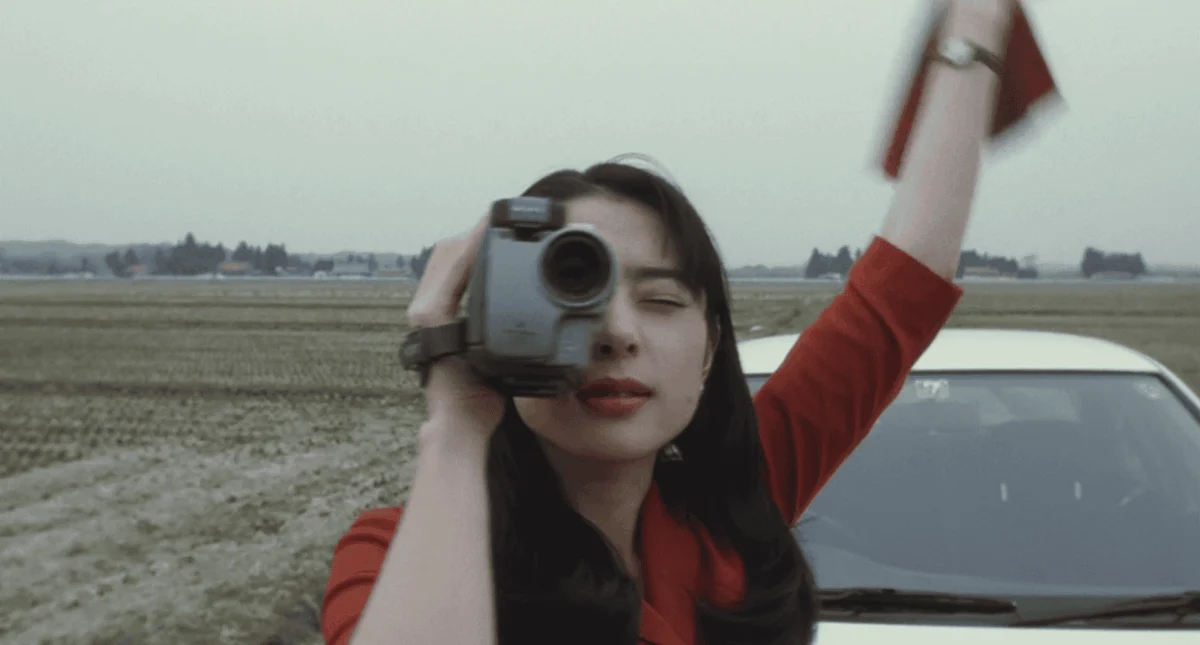
A particularly iconic sequence in "Haru" exemplifies this innovative use of technology to bridge distance and build emotional tension. In this memorable scene, Noboru travels on a bullet train while Mitsue stands in a field. Both protagonists utilize handheld video camcorders, and to enhance their visibility within the footage, they hold colored handkerchiefs. This visual juxtaposition of technology, movement, and static presence not only serves as an endearing time capsule of the era’s technological capabilities but also significantly amplifies the emotional stakes of their intended meeting. The use of these early digital recording devices underscores their commitment to overcoming the physical barriers that separate them.
The film’s pacing and development are meticulously crafted. Yoshimitsu Morita allows the romantic feelings between Noboru and Mitsue to blossom organically, deftly sidestepping common romantic clichés. Their text-based interactions are rendered engaging rather than repetitive, a testament to the screenplay’s subtle yet impactful dialogue. Morita counterbalances these digital exchanges with scenes dedicated to the individual characters, gradually revealing their personalities, motivations, and the underlying attractions that draw them to each other.
Stellar Performances and Character Dynamics
The success of "Haru" is significantly indebted to the compelling performances of its lead actors. Seiyo Uchino and Eri Fukatsu deliver career-defining portrayals of Noboru Hayami and Mitsue Fujima, respectively. Their performances are imbued with a natural believability and sincerity, capturing the delicate evolution of their characters’ emotional journeys with remarkable authenticity. They embody the quiet desperation and burgeoning hope that characterize the protagonists’ experiences.
Adding a crucial layer of complexity to the narrative is Naho Toda’s portrayal of "Rose," a character who emerges as a significant disruptor in the central dynamic. Crucially, Rose is not depicted as a conventional antagonist. Instead, she is presented as a charismatic and grounded individual who, like Noboru and Mitsue, is also seeking happiness and navigating online interactions. In a less skillfully written screenplay, such a character could easily have been reduced to a predictable romantic villain. However, Toda’s nuanced performance and the script’s thoughtful development elevate Rose into a meaningfully neutral presence, whose interactions with Noboru and Mitsue significantly shape the trajectory of the story without resorting to melodramatic tropes. This adds a layer of realism to the film, acknowledging that human relationships are often influenced by various individuals with their own desires and motivations.
Cinematography, Score, and Sound Design: Crafting Atmosphere
The visual artistry of "Haru" is equally commendable. Hiroshi Takase’s cinematography masterfully balances steady, observational shots with more dynamic handheld camerawork. This deliberate stylistic choice effectively conveys the characters’ internal emotional states, mirroring the fluidity and occasional instability of their burgeoning relationship. The visual language of the film is integral to its emotional impact, allowing the audience to feel the characters’ isolation and their moments of profound connection.
The collaborative musical score by Soichi Noriki and Toshihiko Sahashi is another vital element that enhances the film’s atmosphere. The score is used judiciously, underscoring key emotional moments without overwhelming the narrative. It complements the performances and visuals, creating a cohesive and resonant viewing experience. Furthermore, Yoshimitsu Morita demonstrates a strong command of natural sound and silence. These elements are employed strategically, allowing the visuals and the actors’ performances to carry substantial dramatic weight. The careful attention to sound design immerses the viewer in the film’s world, making the quiet moments as impactful as the more overt displays of emotion.
Enduring Legacy and Broader Implications
"Haru" stands as a testament to Yoshimitsu Morita’s skill in crafting deeply human stories that resonate across technological shifts. The film’s exploration of loneliness and love, set against the backdrop of the nascent internet boom, remains remarkably relevant. It captures a pivotal moment in human history when the boundaries of connection began to expand exponentially, while also acknowledging the inherent challenges and anxieties that accompanied this evolution.
The film’s nuanced portrayal of digital intimacy offers a valuable historical perspective on the development of online relationships, a precursor to the complex social dynamics that define our current digital age. The implications of "Haru" extend beyond its specific narrative, prompting reflection on how technology shapes our perceptions of self and others, and how genuine connection can be forged in increasingly mediated environments. The film’s enduring appeal lies in its ability to connect with universal themes of longing, vulnerability, and the persistent human desire for authentic connection, making it a vital piece of cinematic history that continues to engage and provoke thought. Its success at the Yokohama Film Festival underscored its significance, positioning it as a critical work for understanding the cultural impact of the early internet and the enduring power of human emotion.