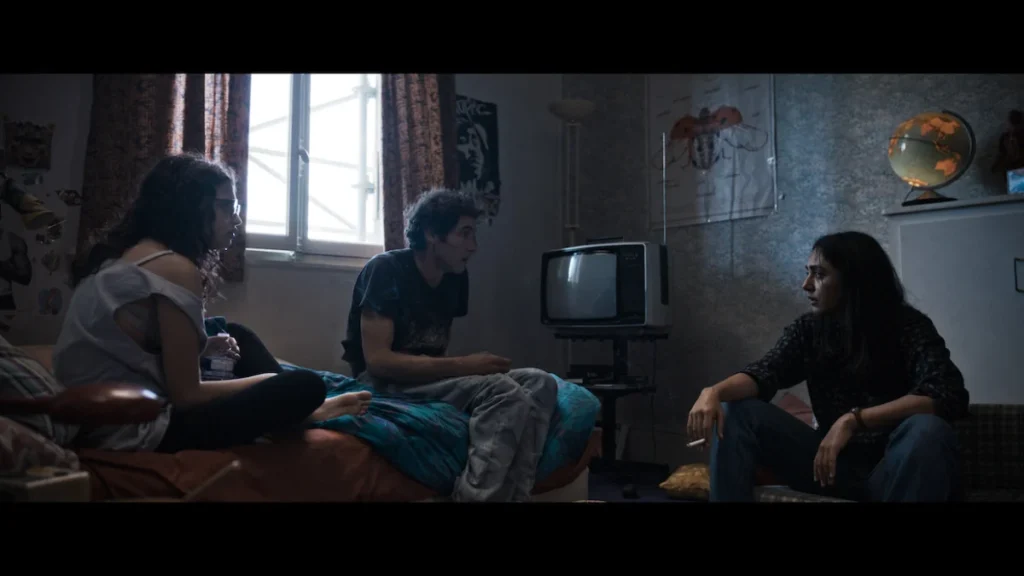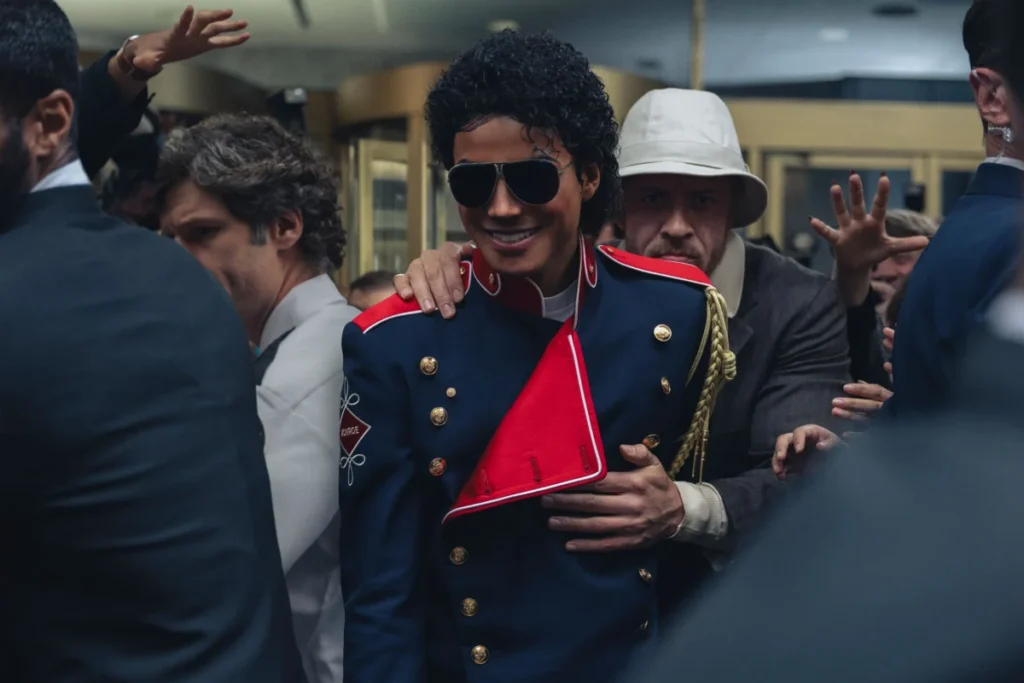
French writer-director Christophe Honoré, known for critically acclaimed works such as Marcello Mio and The Beloved, is set to unveil his latest cinematic exploration of the human condition, Orange-Flavoured Wedding (Mariage au goût d’orange), at the prestigious Cannes Film Festival. The film, which promises a profound and multi-faceted look into the complexities of a French family, is scheduled for its world premiere in the Cannes Premiere program on Wednesday, May 20. Honoré’s newest offering takes audiences back to March 1978, immersing them in a pivotal day that encapsulates the loving, annoying, and often traumatic dimensions of familial bonds.
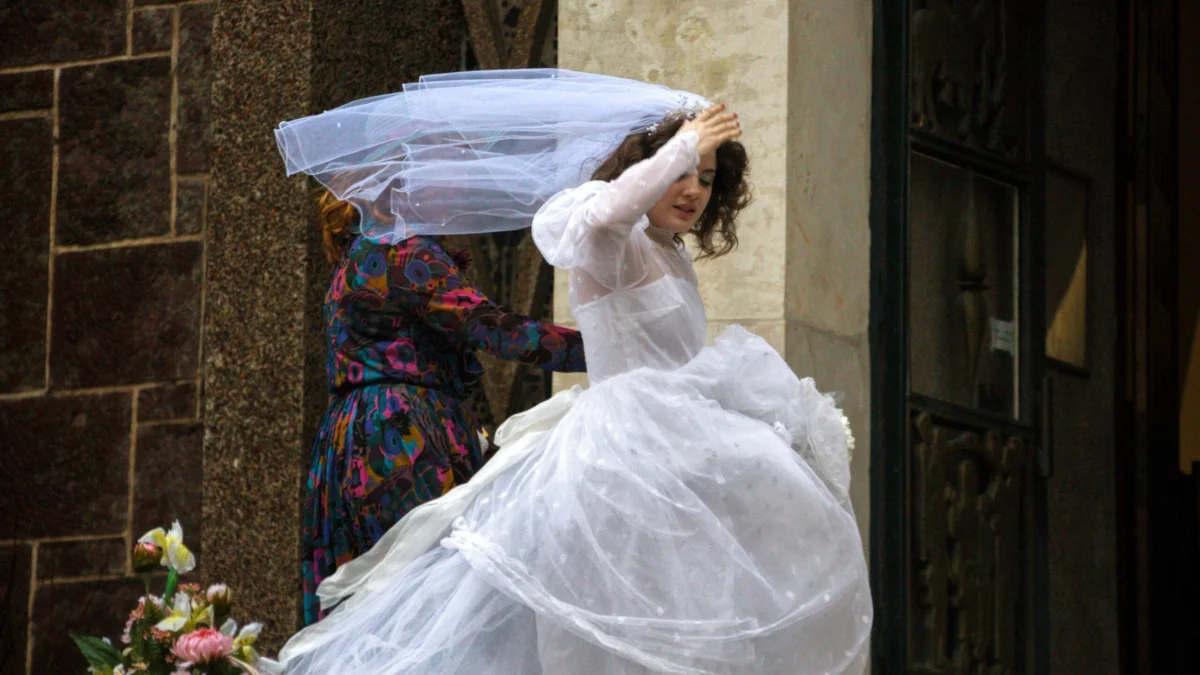
The narrative anchors around the Puig family, a large brood of seven children, on the day of the youngest son, Jacques’, wedding to Martine. Set against the backdrop of the Nantes suburbs, the seemingly joyous occasion is immediately complicated by the conspicuous absence of the family patriarch, who has been "banished" from the gathering. While the brothers and sisters are reunited, ostensibly happy to celebrate the union of Jacques and Martine, whose marriage is one of love, the film poses a central, poignant question: Can love truly heal the deep-seated wounds of childhood? This query forms the emotional core of a story Honoré describes as having known "my whole life," a sentiment that speaks to the deeply personal, yet carefully fictionalized, nature of the film.
The Intricate Tapestry of Family: A Universal Exploration
Honoré’s oeuvre frequently revisits the theme of family, portraying its intricate web of connections—both supportive and destructive. In Orange-Flavoured Wedding, this recurring motif is explored with particular intensity. The director emphasizes his intention to capture a mood and convey a broader idea about the flow of emotions within a group. "What interested me was constantly focusing on how the characters weave and reweave the bonds that unite them," Honoré shared in a director’s statement. He delves into how collective grief can be embraced by an entire group, mirroring the shared experiences of love and violence.
This emphasis on collective emotional transference suggests a nuanced portrayal where individual traumas and joys are not isolated but reverberate through the entire family unit. Honoré states, "This family is marked by tragedy. Their childhood foreshadows the catastrophes of their adult lives, but they persevere despite everything; they are valiant and courageous, together. It is when they are separated from one another that fate strikes them." This statement hints at a narrative structure that underscores the importance of solidarity and shared experience in navigating life’s adversities, implying that the family’s strength lies in its cohesion, however fractured it may sometimes appear. The film aims to explore not just the specific dynamics of the Puig family but the universal truths about how families endure, despite the scars they inflict and carry.
Setting the Scene: Nantes, March 1978, and the Puig Family
The choice of March 1978 as the film’s temporal setting is significant, grounding the family saga in a specific historical and cultural moment in France. While the narrative primarily focuses on the intimate family drama, the era provides a subtle yet rich backdrop. France in the late 1970s was a country still grappling with the lingering social and political shifts initiated by May 1968, navigating evolving cultural norms, and experiencing economic transitions. The suburbs of Nantes, a vibrant city in western France, would have been a microcosm of these broader societal changes, offering a relatable setting for many French families.
The Puig family, with its seven children, represents a generational snapshot, embodying diverse perspectives shaped by the era. The youngest, Jacques, marrying Martine, signifies hope and new beginnings, contrasting sharply with the shadow cast by the banished father. This particular detail – the father’s exclusion – immediately introduces a core conflict and deep-seated familial trauma, setting the stage for emotional confrontations and revelations during the wedding day. The reunion of the siblings, described as "happy to be reunited," likely masks underlying tensions and unspoken histories, which the film is poised to unravel. The question of whether love can heal childhood wounds becomes particularly poignant within this context, suggesting that the happiness of the present is inevitably colored by the past.
Christophe Honoré’s Vision: Revelation, Not Direction
Honoré articulates a unique relationship with Orange-Flavoured Wedding, suggesting a profound, almost innate connection to its story. "I feel as though I’ve known this film my whole life. Like a long-time friend whose face and voice are familiar to me. Even before shooting it, it was already there, diffused through every book I’ve written, every film I’ve made. I don’t feel like I directed it, but rather that I revealed it," he states. This perspective offers insight into Honoré’s artistic process, suggesting that the film emerged organically from his accumulated experiences and previous creative endeavors rather than being a meticulously constructed narrative.
This "revelation" approach underscores a directorial philosophy that prioritizes authenticity and emotional resonance. It implies a deep, intuitive understanding of the characters and their dynamics, allowing the story to unfold almost as if it were uncovering pre-existing truths rather than inventing them. Such an approach can foster a sense of naturalism and raw emotion in the performances, as the director is not imposing a vision but rather facilitating its emergence. This self-assessment by Honoré aligns with his established reputation for creating intimate, character-driven dramas that often blur the lines between fiction and personal reflection.
Assembling the Ensemble: A Director’s Trust in Talent
The film boasts an impressive ensemble cast, featuring a blend of established and rising French stars, carefully curated by Honoré to bring the Puig family to life. Adèle Exarchopoulos, known internationally for her breakout role in Blue Is the Warmest Colour, leads a cast that includes Malou Khebizi, Paul Kircher, Vincent Lacoste, Nadia Tereszkiewicz, Alban Lenoir, Myriem Akheddiou, and Noée Abita. The expansive cast further comprises Xavier Lacaille, Saadia Bentaïeb, Victoire Du Bois, Jules Sagot, Joann Brezot, Prune Bozo, Ji-Min Park, and Andranic Manet. This diverse group of actors, many of whom Honoré has collaborated with previously (such as Lacoste and Kircher), underscores the director’s commitment to building a cohesive and dynamic "troupe."
Honoré’s approach to working with his actors is particularly insightful. He revealed, "That was one of the initial goals of this project: to assemble a troupe of young actors whom I would get to know. I sought to bring together a group of very different people who were, in a sense, united by the affection I felt for them." This emphasis on personal connection and affection hints at a collaborative environment where trust is paramount. Prior to filming, Honoré engaged in unique rehearsal methods: "Before filming, we rehearsed a bit together. I told them the story of my family. I taught them ballroom dances: Paso Doble, Tango…" These unconventional rehearsals likely served not only to build camaraderie but also to imbue the actors with a shared history and understanding of the emotional landscape of the film, allowing them to inhabit their roles more fully.
During the actual shoot, Honoré extended this trust even further. "On set, I let them live their own lives," he recounted. "I had decided that whatever they did, they now knew more about their characters than I did." This philosophy of empowering actors to follow their hearts and instincts on set is a testament to Honoré’s confidence in his chosen cast and his belief in the organic evolution of performance. It suggests a fluid, responsive creative process that prioritizes genuine emotional expression over rigid adherence to a script, ultimately aiming for a more authentic and resonant portrayal of complex family dynamics.

The Nuance of Memory: Autobiographical Echoes in Fiction
While deeply personal, Honoré is careful to delineate Orange-Flavoured Wedding from a strictly autobiographical work. He acknowledges an intimate familiarity with the characters: "It’s true that I know this family well. There isn’t a single character in this film whose date of birth I don’t know—and for some, whose date of death I don’t know either." This statement powerfully conveys a profound, almost archival knowledge of the individuals depicted, suggesting a foundation rooted in real-life experiences and relationships.
However, Honoré consciously pulls back from labeling the film as autobiographical, offering two key reasons. First, he emphasizes that the film "isn’t about me, but about a group of people about whom I don’t claim to know the whole truth." This distinction highlights his role as an observer and interpreter rather than a direct protagonist, allowing for a broader, more objective lens on the family’s story. Second, he explains, "I wrote a screenplay that, for the course of a single day, allows these people to live a life that escapes my memories." This reveals a creative process where memory serves as a starting point, but fiction then takes over, granting the characters a narrative autonomy beyond the confines of the director’s personal recollections. This nuanced approach allows Honoré to infuse the film with authentic emotional depth derived from his own history while crafting a universal story that stands on its own. It is a testament to the transformative power of art, where personal experience can be transmuted into a shared narrative without losing its emotional truth.
Cultural Anchors: Claude François and the Orange-Flavoured Title
The film’s evocative title, Orange-Flavoured Wedding, is not merely whimsical but a direct reference to a specific cultural touchstone within the narrative. The title alludes to an American drink that makes a cameo in the film, a brand still recognizable today, serving as a tangible link to the past. This seemingly minor detail becomes a powerful mnemonic device, connecting the film’s events to a broader sense of memory and nostalgia.
Even more significant is the inclusion of the death of French singer Claude François. Honoré reveals the personal significance of this historical event: "It so happened that on the afternoon of my uncle Jacques’s wedding, we heard the news of Claude François’s death." This synchronicity between a personal family event and a widely reported national tragedy imbues the film with a unique temporal and emotional resonance. Claude François, a pop icon of the 1960s and 70s, known for his flamboyant performances and catchy songs, tragically died on March 11, 1978. His sudden death was a shock across France, marking the end of an era for many. For Honoré, this shared memory becomes deeply personal: "Ever since then, whenever I hear one of his songs—or drink the orange-flavored beverage mentioned in the film—my entire childhood within that family comes flooding back."
François’s songs, Honoré notes, "are part of many French families’ lives; they represent a memory that is both intimate and universal." By weaving these specific cultural references into the fabric of the film, Honoré not only grounds the story in a precise historical moment but also taps into a collective consciousness. The orange-flavored drink and Claude François’s music serve as sensory triggers, evoking a sense of a "world that has vanished," offering both comfort in shared memory and a poignant reflection on the passage of time and the ephemeral nature of life. These elements transform the film from a mere family drama into a meditation on collective memory, nostalgia, and the indelible marks left by cultural phenomena on personal histories.
Cannes Premiere: A Prestigious Launch
The selection of Orange-Flavoured Wedding for the Cannes Film Festival’s Cannes Premiere program is a significant endorsement of Christophe Honoré’s work and the film’s artistic merit. Cannes Premiere is a non-competitive section of the festival, typically reserved for established filmmakers presenting highly anticipated works that merit a prestigious platform. It allows directors to showcase their latest creations to an international audience of critics, industry professionals, and cinephiles without the pressures of competition, focusing instead on artistic recognition and global distribution.
For Honoré, whose films have frequently graced the festival circuit, a Cannes premiere is a natural fit. His previous works have often explored themes of identity, sexuality, and relationships with a distinctive French sensibility, earning him a dedicated following and critical acclaim. The festival’s spotlight provides an unparalleled opportunity for Orange-Flavoured Wedding to garner international attention, critical discourse, and secure broader distribution deals. The exclusive clip debuted by THR ahead of the premiere further amplifies the anticipation, offering a tantalizing glimpse into the film’s visual and emotional landscape, featuring Adèle Exarchopoulos in what promises to be another compelling performance.
Crafting the Narrative: Key Collaborators and Global Reach
Beyond Honoré’s singular vision as writer and director, the film’s realization is a testament to the collaborative efforts of its key production team. Jeanne Lapoirie, a celebrated cinematographer known for her evocative and sensitive camerawork in films like 120 BPM (Beats Per Minute) and Summer of 85, was responsible for the cinematography. Her expertise in capturing nuanced emotional states and creating visually rich atmospheres undoubtedly contributes significantly to the film’s aesthetic and emotional depth.
Chantal Hymans, an experienced editor, oversaw the editing process, playing a crucial role in shaping the film’s rhythm, pacing, and narrative flow. The editor’s role is often described as the final rewrite, crafting the story in post-production, and Hymans’ involvement suggests a polished and compelling narrative structure. The international sales for Orange-Flavoured Wedding are being handled by Pyramide International, a prominent sales agent in the European film market. This partnership signals the film’s ambition for global distribution, ensuring that Honoré’s intimate portrayal of a French family’s complexities will reach audiences far beyond its domestic market, leveraging the prestige of its Cannes premiere.
Beyond the Wedding: Enduring Themes and Anticipation
Orange-Flavoured Wedding promises to be more than just a family drama; it is a meditation on memory, the passage of time, and the enduring strength of human connection in the face of tragedy. Honoré’s ability to weave personal recollections with fictionalized narratives, grounded in specific cultural touchstones of 1978 France, creates a rich tapestry that is both intimate and universally relatable. The film’s exploration of how emotions flow within a group, how grief is shared, and how love and violence intertwine, speaks to fundamental aspects of the human experience.
As the film prepares for its world premiere at Cannes, anticipation builds for a work that is poised to offer both comfort and reflection. By presenting a "sign of a world that has vanished" through the lens of a family gathering, Honoré invites audiences to reflect on their own histories, the complexities of their familial bonds, and the indelible marks left by collective memory. The exclusive clip featuring Adèle Exarchopoulos serves as a compelling introduction to this big family affair, setting the stage for a cinematic experience that promises to be as rich and layered as the emotions it explores.