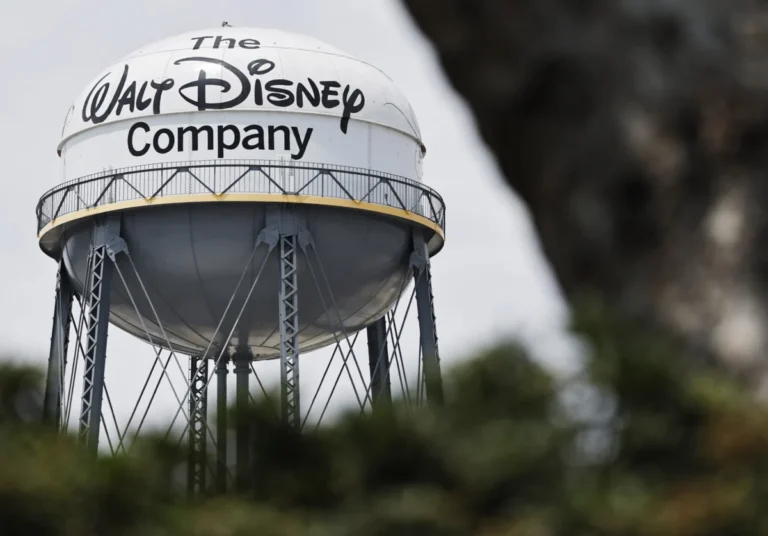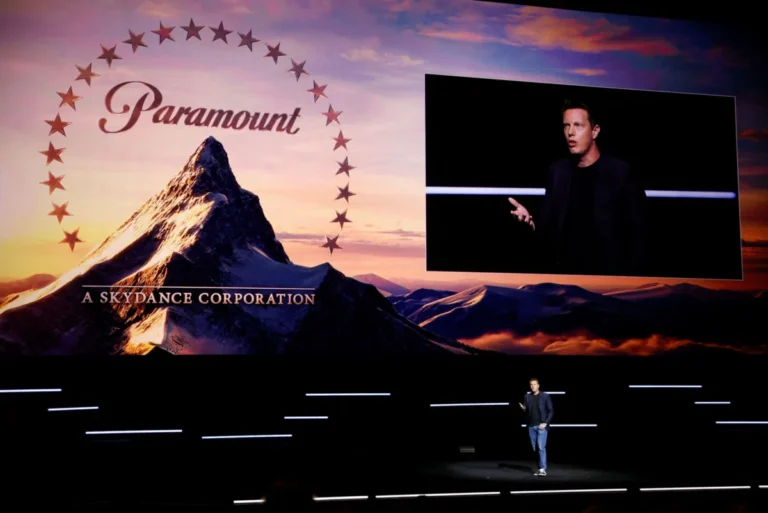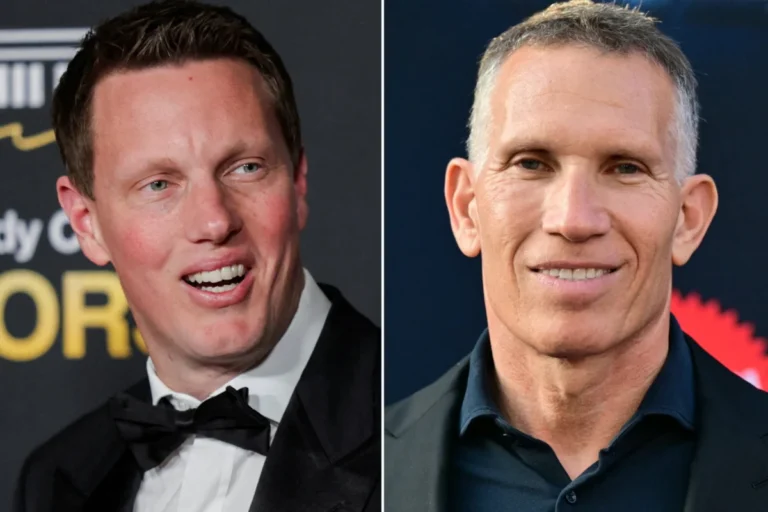



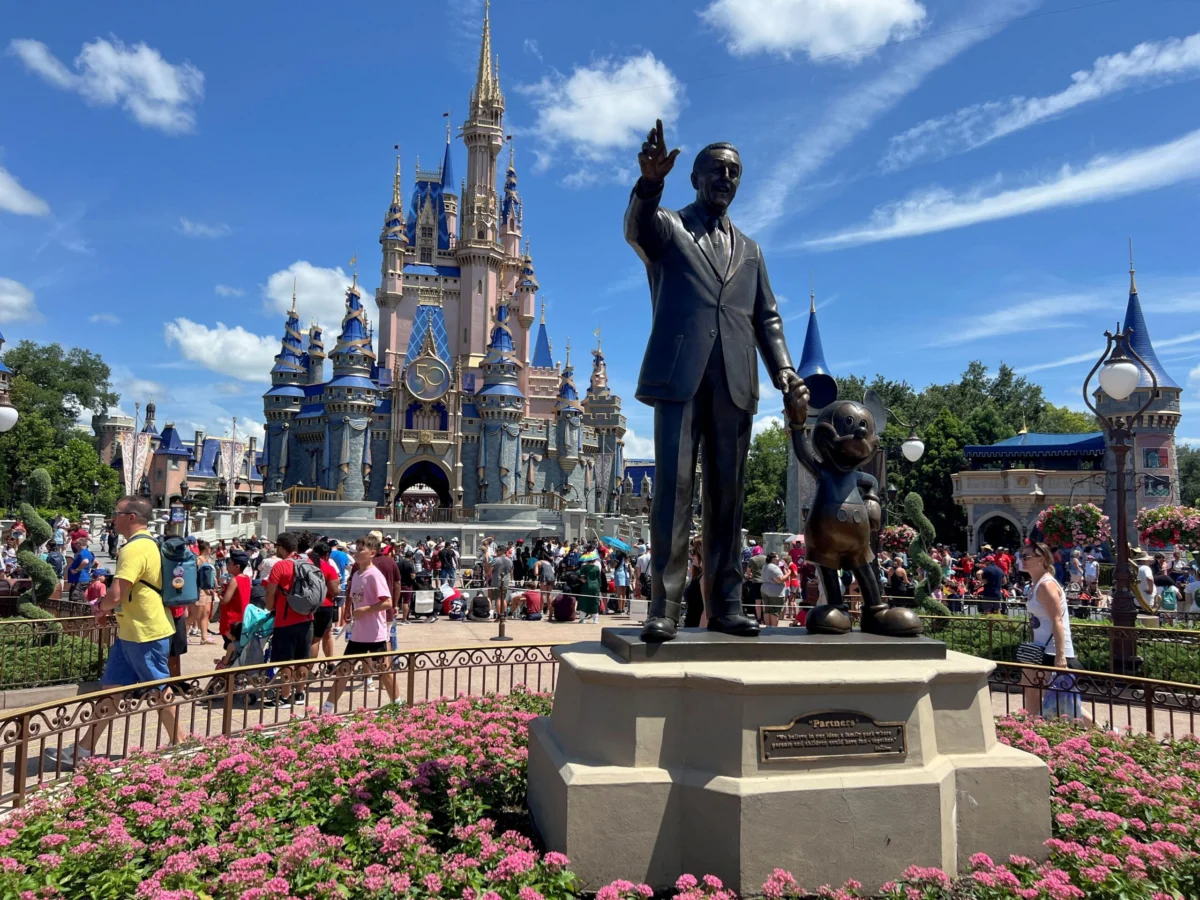
The Walt Disney Company has signaled the commencement of its latest strategic cost-reduction phase, a move that is expected to result in approximately 1,000 layoffs across various departments. According to sources familiar with the internal developments, the primary focus of this workforce reduction will be the company’s marketing operations. This decision follows closely on the heels of a significant leadership transition, marking one of the first major structural adjustments under the tenure of Josh D’Amaro, who officially assumed the role of Chief Executive Officer in mid-March.
The layoffs represent a continued effort by the media and entertainment giant to streamline its operations and maximize efficiency in an increasingly competitive global landscape. While the company has seen a period of relative stabilization following the return and subsequent second retirement of Bob Iger, the new leadership appears committed to a leaner organizational structure. The marketing department, which has undergone significant reorganization in recent months, is expected to bear the brunt of the cuts as Disney seeks to eliminate redundancies created by the consolidation of its various business segments.
The Consolidation of Disney’s Marketing Power
The targeted nature of these layoffs is directly linked to a structural shift initiated in early 2024. Under the previous leadership of Bob Iger, Disney moved to centralize its marketing efforts, which were historically siloed across its diverse business units. In January, the company appointed Asad Ayaz as the first-ever Chief Marketing and Brand Officer for the entire enterprise. In this newly created role, Ayaz was tasked with overseeing the brand strategy and marketing execution for the three primary pillars of the company: Disney Entertainment, Disney Experiences, and Disney Sports (ESPN).
Ayaz, who reports directly to CEO Josh D’Amaro and Dana Walden, the Co-Chairman of Disney Entertainment, was mandated to create a unified brand voice. Prior to this consolidation, the marketing teams for the film studios, the streaming platforms (Disney+ and Hulu), the theme parks, and the sports broadcasting arms operated with a high degree of autonomy. By bringing these units under a single leadership structure, the company aimed to leverage cross-promotional opportunities and reduce overhead. However, such consolidations often lead to overlapping roles, and the current round of layoffs is seen by industry analysts as the inevitable result of eliminating those duplicate positions to achieve a more agile workforce.
A New Chapter Under Josh D’Amaro
The timing of the layoffs is particularly noteworthy, coming just weeks after Josh D’Amaro took the helm as CEO. D’Amaro, a long-time Disney veteran who previously served as the Chairman of Disney Parks, Experiences and Products, was selected as the successor to Bob Iger after a protracted and highly publicized search for a new leader. His appointment was viewed as a move toward stability, given his deep roots in the company’s most profitable segment—its global theme parks and cruise lines.
In his first official address to shareholders and employees in March, D’Amaro emphasized that while the company is "operating from a place of strength," there remains a critical need to evolve. He credited Bob Iger with fortifying the business during a period of extreme volatility, specifically noting the successful turnaround of the film studios and the path to profitability for the streaming business. Despite these successes, D’Amaro’s mandate involves "turbocharging" the parks and ensuring that the entertainment segments are positioned for long-term growth in a digital-first economy. The current layoffs suggest that D’Amaro is willing to make difficult personnel decisions early in his tenure to ensure the company’s fiscal health aligns with its ambitious expansion goals.
The Financial Context: A Legacy of Cost-Cutting
The current reduction in force is not an isolated event but rather the latest chapter in a multi-year fiscal discipline program. When Bob Iger returned to the CEO role in late 2022, he inherited a company struggling with a declining stock price and massive losses in its direct-to-consumer (streaming) segment. In February 2023, Iger announced a sweeping reorganization and a goal to cut $5.5 billion in costs—a figure that was later increased to $7.5 billion.
That initial phase of cost-cutting resulted in the elimination of 7,000 jobs, representing roughly 3% of Disney’s global workforce at the time. Those cuts were broad-based, affecting Disney Entertainment, ESPN, and the Parks division. The company also underwent a content purge, removing dozens of titles from its streaming platforms to realize tax write-offs and reduce royalty payments. By the time D’Amaro took over, much of the "heavy lifting" regarding structural reorganization had been completed, yet the pressure from Wall Street to improve margins remains relentless.
Disney’s stock has faced fluctuations as investors weigh the company’s legacy television business—which continues to face headwinds from cord-cutting—against the growth of its streaming and parks segments. On the day news of the 1,000 layoffs broke, Disney shares saw a slight decline in afternoon trading, reflecting a cautious reaction from the market. Investors are looking for evidence that the company can maintain its creative output while significantly lowering its selling, general, and administrative (SG&A) expenses.
Chronology of Disney’s Recent Corporate Evolution
To understand the current layoffs, one must look at the timeline of Disney’s leadership and structural changes over the past two years:
- November 2022: Bob Iger returns as CEO, replacing Bob Chapek, amid investor dissatisfaction and a sharp decline in stock value.
- February 2023: Disney announces a massive restructuring into three segments (Entertainment, ESPN, and Experiences) and plans to cut 7,000 jobs and $5.5 billion in costs.
- January 2024: The company establishes a new Enterprise Marketing Organization. Asad Ayaz is named Chief Marketing and Brand Officer, centralizing marketing for the first time in the company’s history.
- February 2024: Disney reports strong quarterly earnings, showing narrowed losses in streaming and record revenue in the Parks division, signaling that the "turnaround" is taking hold.
- March 2024: Josh D’Amaro is officially named CEO, succeeding Iger. He outlines a vision for "long-term growth" and "reigniting creativity."
- April 2024: Reports emerge of a new phase of cost-cutting, involving 1,000 layoffs primarily within the consolidated marketing department.
Implications for the Media and Entertainment Industry
Disney is not alone in its pursuit of a leaner workforce. The broader media landscape is currently undergoing a "great recalibration." For much of the last decade, media giants like Warner Bros. Discovery, Paramount Global, and NBCUniversal engaged in a spending war to build out streaming services. However, as the market reached saturation and interest rates rose, the focus shifted from subscriber growth at all costs to sustainable profitability.
The move to trim marketing staff suggests that Disney is moving away from traditional, high-cost broad-scale advertising in favor of more data-driven, efficient digital strategies. With the integration of Hulu into the Disney+ app and the upcoming launch of a fully direct-to-consumer ESPN service, the company is looking to utilize its massive internal data reserves to target consumers more effectively. This shift requires a different type of expertise, often leading to the reduction of traditional marketing roles.
Furthermore, the layoffs indicate that the "succession anxiety" that plagued Disney for years has been replaced by a focused, if austere, corporate strategy. By allowing D’Amaro to initiate these cuts early, the board is signaling full confidence in his ability to manage the company’s bottom line.
Reactions and Future Outlook
While Disney has not released an official statement regarding the specific number of layoffs, the move has drawn a mixed reaction from industry observers. Labor advocates point to the human cost of these corporate realignments, noting that many of the affected employees contributed to Disney’s recent successes in the streaming and theatrical space. Conversely, financial analysts have largely viewed the news as a necessary step for the company to meet its ambitious earnings-per-share targets for the coming fiscal years.
Inside the company, the atmosphere is described as one of "focused transition." Employees in the marketing department had been anticipating changes since the January consolidation, though the scale of the 1,000-person cut was higher than some had predicted.
As Disney moves forward, the focus will remain on D’Amaro’s ability to balance the "magic" of the brand with the cold realities of corporate finance. With a $60 billion investment planned for its parks and cruises over the next decade, and a continued push to make Disney+ a dominant force in home entertainment, the company is betting that a smaller, more centralized team can deliver outsized results.
The upcoming months will be a litmus test for the new CEO. If Disney can maintain its brand dominance and creative momentum with a reduced marketing force, it will provide a blueprint for other legacy media companies struggling to adapt to the digital age. For now, the 1,000 employees facing departures represent the latest casualty in the ongoing transformation of the world’s most famous entertainment empire.