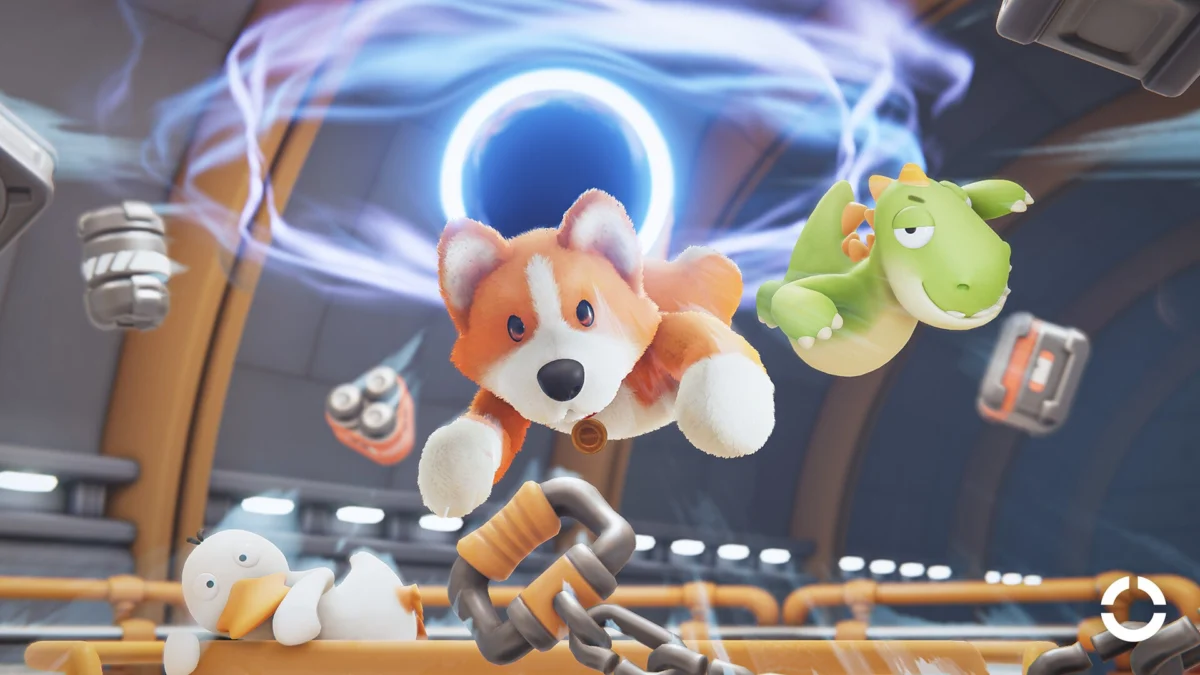
Recreate Games, the developer behind the physics-based multiplayer brawler Party Animals, has officially apologized to its player base following a wave of intense criticism regarding a newly announced artificial intelligence-focused video competition. The controversy erupted earlier this week when the studio unveiled a contest that incentivized the use of generative AI tools with a substantial $75,000 prize pool, a move that many community members and digital artists viewed as a dismissal of traditional creative labor. In a subsequent statement, the Beijing-based studio insisted it was not attempting to disrespect creators or diminish the value of handmade work, but rather sought to provide a platform for those without technical animation skills.
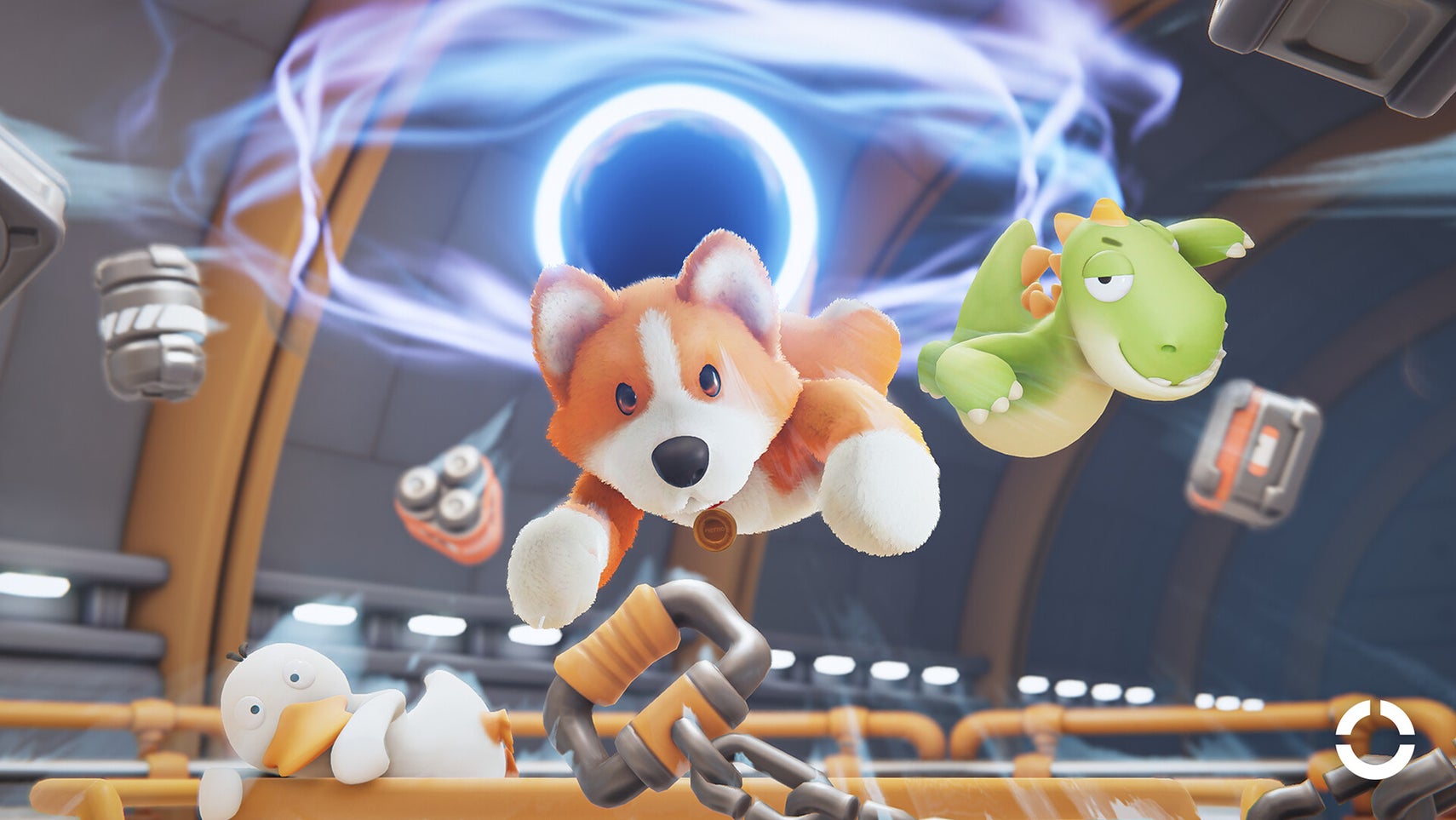
The situation highlights the growing tension within the interactive entertainment industry as studios experiment with generative AI, often clashing with a community that remains deeply skeptical of the technology’s ethical, legal, and environmental implications. Party Animals, which features physics-driven combat between adorable animal characters, has maintained a significant following since its 2023 release, making the backlash particularly visible across social media platforms and gaming forums.
The Genesis of the AI Video Contest
The controversy began when Recreate Games announced what it described as the first "Party Animals AI Video Contest." The competition was designed to solicit a wide range of content, including short films, drama series, music videos, and animations, all featuring the game’s signature cast of characters. The prize pool, totaling $75,000, was remarkably high for a community-led creative event, signaling the developer’s significant investment in the initiative.
According to the initial contest guidelines, all entries were required to be under five minutes in length. Critically, the studio stipulated that generative AI must serve as the "core creative tool" for the submissions. In its promotional material, Recreate Games framed the use of AI as a democratizing force, stating, "In the past, ideas like these could only exist in your head. Now, with AI, they finally have a chance to become reality." The studio’s messaging suggested that the technology would bridge the gap between imagination and execution for players who lacked the years of training required to master professional-grade editing, 3D modeling, or animation software.
Community Backlash and Ethical Concerns
The response from the Party Animals community was swift and overwhelmingly negative. Within days, the announcement post on X (formerly Twitter) garnered over 3,700 responses, the vast majority of which criticized the studio for prioritizing algorithmic generation over human artistry. A primary point of contention was the $75,000 prize pool; critics argued that such a significant sum should be used to support the professional artists, animators, and community creators who have supported the game since its inception, rather than being awarded to users of generative models.
The backlash also centered on perceived hypocrisies within the contest’s own legal framework. One widely circulated critique pointed out that Recreate Games’ terms and conditions included standard clauses prohibiting plagiarism or the unauthorized use of others’ work. Commenters were quick to note the irony of this requirement, given that generative AI models are typically trained on massive datasets containing billions of images and videos often scraped from the internet without the original creators’ consent or compensation.
Furthermore, the studio faced criticism regarding the environmental impact of AI. Earlier in the year, the Party Animals social media accounts had shared facts about real-world animals to promote environmental awareness. Community members pointed out the contradiction in promoting conservation while simultaneously backing a technology known for its immense energy consumption and carbon footprint. The high-performance computing required to train and run large-scale generative models has become a focal point of climate concerns within the tech sector, leading to accusations that Recreate Games was being tone-deaf to the ecological costs of the tools they were promoting.
Recreate Games Issues a Formal Apology
Faced with a sustained outcry, Recreate Games issued a formal apology and a detailed explanation of their intent. In a follow-up statement, the studio admitted to a failure in communication and expressed regret for upsetting the player base. The developer clarified that the primary goal of the contest was to "lower the barrier to creation," a decision they claimed was rooted in observations from previous community events.
The studio explained that in past non-AI competitions, they had encountered many players with compelling scripts and creative concepts who were unable to participate because they lacked proficiency in complex software like Blender, Maya, or Adobe Premiere. "We hoped AI could be a more accessible tool that lets more people take part," the studio stated. They reiterated their stance that AI should be viewed as "just another tool" in the creative arsenal, asserting that their ultimate interest lies in the "idea, the expression, and the final work" rather than the specific method of production.
Despite the apology, the studio’s defense of AI as an accessibility tool did little to mollify those who believe that the "barrier to entry" in art—namely, the time and effort required to learn a craft—is what gives the final work its value and integrity.
The Community Referendum
In an effort to resolve the conflict democratically, Recreate Games has invited the community to vote on the future of the contest. The studio presented three distinct options for the path forward:
- Cancel the AI video contest entirely.
- Convert the event into a traditional, non-AI creative competition.
- Maintain the AI category but add a separate, dedicated category for handmade work.
The inclusion of the third option has sparked further debate. Some players see it as a reasonable compromise that allows for different types of creativity, while others view it as a refusal to acknowledge the core ethical objections to AI. Critics argue that by keeping an AI category, the studio is still legitimizing a technology that many in the creative community find fundamentally exploitative. The results of the vote are expected to dictate the studio’s community engagement strategy for the remainder of the year.
Broader Industry Context and the AI Divide
The controversy surrounding Party Animals is not an isolated incident but rather a microcosm of a much larger struggle within the global gaming industry. Publishers and developers are currently split on how to integrate generative AI into their workflows.
For instance, companies like Ubisoft and Square Enix have expressed enthusiasm for AI’s potential to streamline asset creation and enhance non-player character (NPC) interactions. However, these ambitions have often met with internal and external resistance. Amazon’s recent attempt to develop a game heavily reliant on AI, internally known as "Project Trident," reportedly ended in failure and layoffs, illustrating the technical and organizational hurdles of replacing traditional development pipelines with automated systems.
The human cost of this transition is also a major point of contention. Voice actors and motion capture performers, represented by unions like SAG-AFTRA, have been at the forefront of the fight against AI, seeking contractual safeguards to prevent their likenesses and voices from being synthesized without consent. The fear of "digital twins" replacing human performers has led to strikes and prolonged negotiations across the entertainment landscape.
Economic and Supply Chain Implications
Beyond the ethical and creative debates, the rapid rise of generative AI is having tangible effects on the hardware and consumer electronics markets. The "AI gold rush" has led to a massive surge in demand for high-bandwidth memory (HBM) and specialized GPUs, which are essential for powering the data centers that run AI models.
This shift in manufacturing priority is causing ripple effects for gamers. Industry analysts have noted that the focus on AI components is contributing to shortages and price hikes in the consumer sector. Recent reports suggest that Steam Deck supplies have been impacted by storage and RAM shortages driven by AI demand. Furthermore, Nintendo recently announced a price increase for the upcoming Switch 2 in certain regions, citing rising component costs. Sony is also reportedly navigating similar challenges, with rumors suggesting that the development and pricing of the PlayStation 6 could be affected by the current state of the semiconductor market.
Conclusion: A Precarious Balance
The backlash against the Party Animals AI contest serves as a reminder that while technology may offer new shortcuts, the relationship between developers and their communities remains grounded in human values. For Recreate Games, the $75,000 prize pool intended to spark innovation instead ignited a conversation about the soul of digital art and the responsibilities of those who provide the tools for it.
As the industry continues to grapple with these advancements, the case of Party Animals suggests that "lowering the barrier to entry" is a double-edged sword. While it may empower some, it risks alienating the very creators who built the community’s foundations. The outcome of the studio’s community vote will likely be watched closely by other developers as a bellwether for how—or if—generative AI can be successfully integrated into the gaming culture without severing the bond of trust between those who make the games and those who play them.