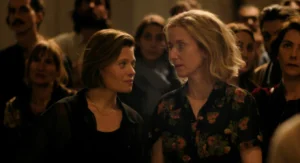
A powerful new documentary, "Before the Moon Falls," directed, produced, and written by Kimberlee Bassford with co-writer Sia Figiel, is poised to captivate audiences and spark vital conversations. This deeply personal work, slated for release in 2025, delves into the complex life of acclaimed Samoan writer Sia Figiel, a figure whose literary contributions have irrevocably shaped the narrative landscape for women and girls of Pacific Islander descent. Bassford, an independent filmmaker renowned for her commitment to amplifying the voices of women of color, Asian American and Pacific Islander communities, and those affected by social injustice and mental health challenges, brings her signature lens to this compelling story. The film has already garnered significant critical acclaim on the international festival circuit, securing the Grand Jury Prize at the Festival International du Film documentaire Océanien, Best Feature at the DOCUTAH International Film Festival, and Best Made in Hawaʻi Feature at the Hawaʻi International Film Festival, alongside a Special Mention for Best International Feature at the Doc Edge Festival.
A Literary Luminary’s Journey
Sia Figiel stands as a groundbreaking novelist and poet, widely acknowledged as the first author to authentically articulate the experiences, traumas, and struggles faced by Samoan girls and women. Her debut novel, "where we once belonged," published in 1996, made a profound impact on Kimberlee Bassford during her college years, planting the seed for a future cinematic exploration. The documentary project officially began in 2016 when Bassford witnessed Figiel speak in Honolulu during the launch of her novel "Freelove." Figiel’s commanding presence, her unvarnished candor, and her bold spirit immediately resonated with Bassford, presenting a narrative ripe for cinematic exploration. This initial encounter was further galvanized by Figiel’s openness about her personal battles with diabetes and obesity, and her ambitious plan to embark on a cross-country walk to raise awareness for these health issues.
From Literary Icon to Public Advocate
"Before the Moon Falls" commences by chronicling Sia Figiel’s rise to prominence. The film captures her ascent as a literary sensation, highlighting the wit and humor that became synonymous with her beloved public persona. Over the subsequent years, Bassford and her dedicated team meticulously followed Figiel’s journey across a diverse array of locations. Their cameras traversed significant geographical and cultural landscapes, including Washington, D.C., Fort Benning, Georgia, Texas, Los Angeles, Salt Lake City, New Zealand, Europe, and Hawaʻi. This extensive global footprint underscores the broad reach of Figiel’s influence and the far-reaching implications of her personal narrative. The initial portrait painted by the documentary is one of an artist and activist, tracing Figiel’s evolving public voice, her celebrated literary achievements, the profound personal hardships she endured, and her ongoing attempts at healing.
A Descent into Unforeseen Darkness
As the narrative of "Before the Moon Falls" unfolds, the documentary takes a stark and unexpected turn, gradually leading audiences toward a deeply disturbing revelation: Sia Figiel’s arrest. Initially apprehended on suspicion of manslaughter, the charges were subsequently upgraded to murder. This dramatic development marks a tragic culmination of what the film portrays as a failed mental health journey for an individual who, by all accounts, seemed to be perpetually striving for respite. The documentary delves into the pervasive issue of domestic violence, revealing its insidious presence across multiple generations within Figiel’s family history. The added layer of tragedy stems from the fact that the victim in the murder case was identified as a close friend of Sia Figiel. This confluence of personal struggles, intergenerational trauma, and a fatal act casts a somber shadow over the latter half of the film, cementing a grim reality in a manner that is both unflinching and profoundly affecting.
The Echoes of Unaddressed Trauma
The documentary powerfully highlights the systemic failures and societal oversights in addressing complex issues such as domestic violence and mental health. The narrative implicitly underscores how a lack of adequate support and intervention can have devastating consequences. The film’s profound impact lies not only in the unfolding personal tragedy but also in its broader commentary on the societal structures that often fail those in need. The story is so imposing and the circumstances so dire that it compels viewers to confront these difficult realities, leaving little room for superficial interpretation. The implications of unaddressed trauma, particularly within marginalized communities, are starkly illuminated, serving as a potent reminder of the urgent need for comprehensive mental health services and robust support systems.
Editorial Craftsmanship and Narrative Impact
The editorial prowess of Jessica Lee Salas is instrumental in weaving together the disparate threads of "Before the Moon Falls." Salas expertly navigates a rich tapestry of visual material, seamlessly integrating intimate interviews with Sia Figiel and those who knew her intimately, alongside evocative imagery from the diverse locations featured in the documentary. Archival footage further enriches the narrative, providing crucial historical context and personal glimpses into Figiel’s life. The editing ensures that the story is revealed with eloquence and precision, avoiding both undue lag and hurried exposition. While the segment focusing almost exclusively on the director towards the film’s conclusion has been noted as potentially expendable, the overall editorial framework successfully delivers a compelling and coherent cinematic experience.
Beyond Fiction: A Testament to Real-Life Stories
In its entirety, "Before the Moon Falls" stands as a testament to the profound capacity of documentary filmmaking to transcend the boundaries of fiction. The film offers a spectacle that is not only deeply intriguing but also profoundly thought-provoking, demonstrating that the most powerful narratives often emerge from the lived experiences of individuals. The documentary’s exploration of Sia Figiel’s life, from her celebrated literary career to her tragic legal entanglement, serves as a stark reminder of the complexities of the human condition and the urgent need for empathy, understanding, and robust societal support systems. The film’s critical reception and its potent subject matter suggest that "Before the Moon Falls" will undoubtedly resonate with audiences, sparking critical dialogue and fostering a deeper appreciation for the stories that shape our understanding of the world.
Broader Implications and Societal Reflections
The narrative arc of "Before the Moon Falls" raises critical questions about the intersection of fame, mental health, and the justice system. Figiel’s journey highlights the often-invisible struggles that can accompany public life, particularly for individuals from communities that have historically been underrepresented and underserved. The documentary’s exploration of intergenerational trauma and domestic violence serves as a microcosm of larger societal issues that require urgent attention. The success of Figiel’s early work in giving voice to the experiences of Samoan women is juxtaposed with the tragic turn of events, underscoring the vulnerability of even those who seem to possess immense strength and resilience.
The film’s focus on the impact of mental health challenges, coupled with the lack of accessible and effective support, is a recurring theme in many contemporary discussions. Data from organizations like the World Health Organization consistently point to the global burden of mental health disorders and the critical need for increased investment in mental healthcare services. For instance, the WHO estimates that depression and anxiety disorders cost the global economy US$1 trillion each year in lost productivity. The film implicitly critiques systems that fail to provide adequate care, leading to devastating personal and societal consequences.
Furthermore, the documentary’s examination of domestic violence, extending across generations, reflects deeply rooted societal patterns. Statistics from the National Coalition Against Domestic Violence in the United States indicate that nearly 20 people per minute are physically abused by an intimate partner in the U.S., and intimate partner violence accounts for 15% of all violent crime. The film’s portrayal of this pervasive issue within Figiel’s narrative serves as a powerful illustration of its widespread impact and the cyclical nature of trauma.
The film’s festival success suggests a strong audience appetite for narratives that tackle complex social issues with depth and nuance. The critical acclaim received at various international film festivals, including the Festival International du Film documentaire Océanien and DOCUTAH, indicates a global recognition of the documentary’s artistic merit and its timely thematic relevance. These accolades not only celebrate the filmmaking craft but also underscore the importance of the stories being told.
The collaborative effort between Kimberlee Bassford and Sia Figiel, with Figiel herself as a co-writer, lends an authenticity and depth to the documentary that is often difficult to achieve. This partnership, born from a shared appreciation for Figiel’s literary voice, allowed for an intimate and unflinching portrayal of her life. The process of documenting Figiel’s journey, from her public advocacy to her private struggles, highlights the inherent challenges and rewards of such deeply personal filmmaking.
In conclusion, "Before the Moon Falls" is more than just a biographical documentary; it is a poignant social commentary that delves into the intricate tapestry of human experience. It underscores the power of storytelling to illuminate societal flaws and inspire change, even as it grapples with the profound complexities of individual lives. The film’s enduring legacy will likely be its ability to provoke thought, foster empathy, and contribute to the ongoing dialogue surrounding mental health, domestic violence, and the vital importance of supporting marginalized voices within our global community.