Paris, 1928. In the heart of a city pulsating with artistic fervor and the lingering shadows of loss, director Pierre Salvadori’s latest cinematic offering, "The Electric Kiss," unfolds as a vibrant tapestry of grief, deception, and unexpected romance. This French production, clocking in at a substantial 122 minutes, plunges audiences into the bohemian world of Antoine Balestro, a celebrated painter whose creative wellspring has run dry following the tragic death of his wife, Irene. The film, penned by Salvadori himself alongside Benjamin Charbit and Benoît Graffin, artfully navigates the delicate balance between profound sorrow and the intoxicating allure of illusion, ultimately delivering a narrative that is both whimsical and deeply sincere.
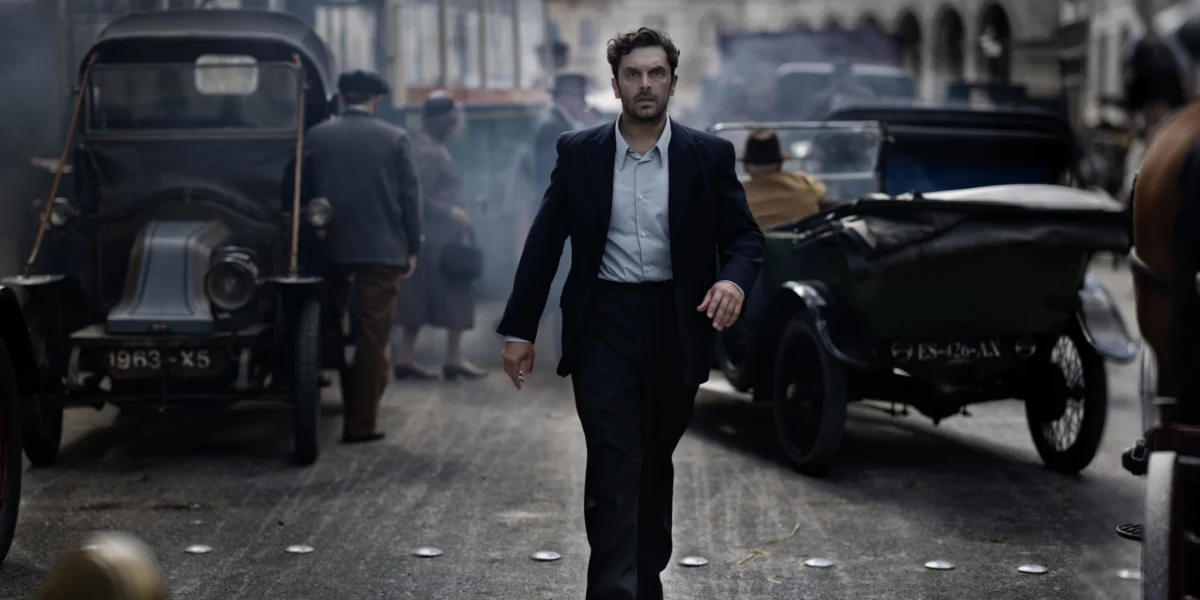
The central premise of "The Electric Kiss" is rooted in a moment of profound despair. Antoine Balestro, portrayed with compelling vulnerability by Pio Marmaï, finds himself adrift in a sea of artistic paralysis. His gallery owner, Armand, played with shrewd pragmatism by Gilles Lellouche, watches with growing desperation as his star artist’s career teeters on the brink of collapse. It is during one particularly bleak, alcohol-fueled evening that Antoine, desperate for any connection to his lost love, seeks out a psychic. However, fate, or perhaps a more mischievous intervention, intervenes. Instead of a genuine medium, Antoine encounters Suzanne, a resourceful carnival worker whose stage name, Venus Electrificata, hints at the electrifying performances she offers to the fairground crowds.
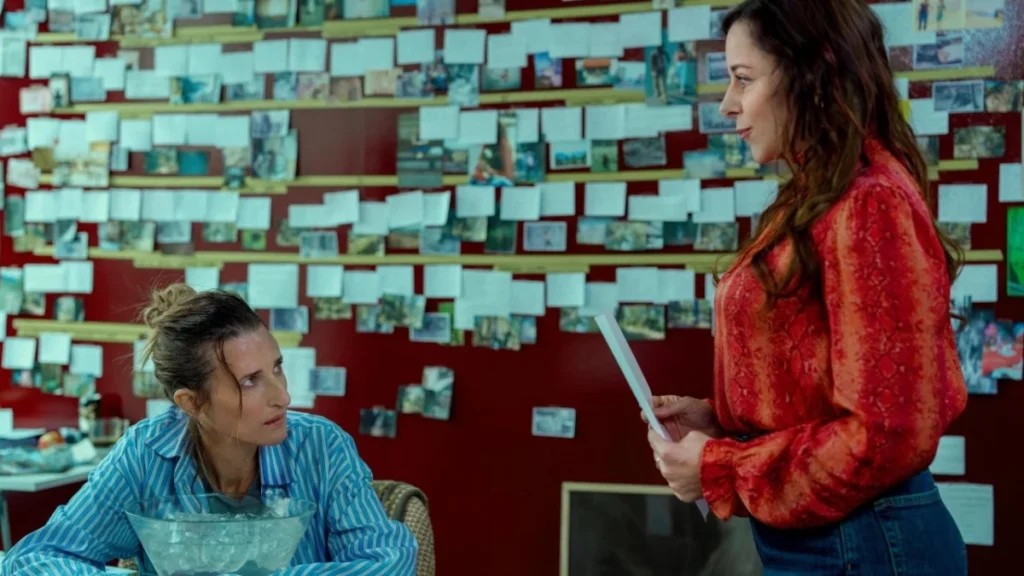
Suzanne, portrayed with captivating charm and a nuanced portrayal of inner conflict by Anaïs Demoustier, has infiltrated the psychic’s tent not for spiritual enlightenment, but for sustenance. Her unexpected encounter with the grief-stricken Antoine, however, presents an opportunity far more lucrative and complex than a stolen meal. Possessing a keen intellect and a natural aptitude for performance, Suzanne, initially intending to exploit Antoine’s vulnerability for financial gain, finds herself drawn into a carefully orchestrated deception. Aided by the opportunistic Armand, who recognizes the potential for Antoine’s artistic revival and subsequent commercial success, Suzanne begins to stage elaborate fake séances.
This intricate charade, however, carries within it the seeds of genuine emotional entanglement. As Suzanne meticulously crafts illusions to soothe Antoine’s pain and rekindle his artistic spirit, she finds herself falling in love with the very man she is manipulating. This central paradox forms the emotional core of "The Electric Kiss," exploring the complex interplay between manufactured reality and authentic feeling. The film’s narrative trajectory, while seemingly straightforward in its initial setup, evolves into a sophisticated examination of how truth and falsehood can intertwine, ultimately leading to unforeseen consequences.
The Genesis of Deception and the Spark of Inspiration
The story’s chronological unfolding can be traced back to the devastating loss experienced by Antoine Balestro. The death of his wife, Irene, a character whose presence looms large through interspersed flashbacks and whose backstory is revealed to be more complex than initially perceived, marks the catalyst for Antoine’s creative drought. Vimala Pons imbues Irene with a palpable presence, hinting at a vibrant, perhaps even tempestuous, past that continues to influence Antoine’s present. Armand, Antoine’s long-time friend and business partner, becomes the pragmatic enabler of Suzanne’s elaborate scheme. His primary motivation appears to be the restoration of Antoine’s artistic output, recognizing the significant financial and cultural implications of his renewed productivity.
Suzanne’s initial foray into the psychic’s tent, driven by sheer desperation for food, marks the pivot point of the narrative. Her encounter with Antoine, fueled by his inebriated grief, forces her to improvise. Capitalizing on her understanding of theatrical illusion, honed by her work in the carnival, she steps into the role of a spiritual conduit. The film’s depiction of these early séances is characterized by a delicate blend of suspense and dark humor, as Suzanne navigates the precarious line between convincing Antoine and maintaining her own precarious deception.
A Rich Ensemble Cast Navigates Complex Relationships
The success of "The Electric Kiss" hinges not only on its intriguing premise but also on its stellar ensemble cast. Pio Marmaï delivers a performance that masterfully captures Antoine’s descent into despair and his subsequent, hesitant re-emergence into the world of art and love. He embodies the conflicting facets of Antoine – the grieving widower, the disillusioned artist, and ultimately, the hopeful romantic. Anaïs Demoustier, as Suzanne, offers a performance of remarkable depth. She skillfully portrays Suzanne’s pragmatism, her burgeoning affection for Antoine, and the internal struggle that arises from her duplicitous actions. Her evolution from a desperate carnival worker to a woman caught in the emotional web she has spun is a testament to her considerable talent.
Gilles Lellouche as Armand provides a grounding presence, his character’s shrewd business acumen serving as a counterpoint to the more emotionally driven arcs of Antoine and Suzanne. Vimala Pons, despite her character’s absence in the present timeline, leaves a lasting impression, her portrayal of Irene adding layers of complexity to Antoine’s grief and the narrative’s exploration of memory. The supporting cast, including Gustave Kervern and Patrice Tépas, further enriches the film’s tapestry, contributing to the vibrant atmosphere of 1920s Paris and its eccentric inhabitants.
Salvadori’s Vision: A Surrealist Playground of Emotion
Pierre Salvadori, known for his ability to blend comedy with pathos, demonstrates a masterful control of tone in "The Electric Kiss." The film operates within a distinctively off-kilter atmosphere, characterized by surreal staging and a visual language that evokes the whimsical yet often melancholic spirit of the era. The cinematography, described as hazy and antique-looking, contributes to a dreamlike quality, reminiscent of pop-up storybooks. This stylistic choice, while not strictly adhering to historical accuracy in its costuming and set design, serves Salvadori’s singular vision, enhancing the film’s mystical surrealism.
The film’s exploration of grief as a catalyst for creativity is a central thematic concern. Salvadori, along with his co-writers, tackles this morbid subject matter with an earnestness that allows the eccentric world of the film to resonate. The narrative acknowledges the inherent absurdity of the situation while simultaneously delving into the genuine emotional pain that drives the characters. This delicate balancing act is crucial to the film’s success, preventing it from devolving into a mere farce.
A Modern Resonance in a Period Setting
While "The Electric Kiss" is firmly set in the evocative backdrop of 1920s Paris, its themes and emotional resonance speak to a modern audience. The film’s exploration of instant gratification, represented by Suzanne’s "lightning bolt version of love" as Venus Electrificata, and the subsequent complexities of genuine connection, are timeless. The illusory nature of quick fixes, whether in love or art, is a concept that continues to hold relevance in contemporary society. Salvadori’s film, therefore, plays a "longer love game," delving into the enduring power of authentic relationships that emerge from unexpected and often flawed beginnings.
The film’s narrative structure, which incorporates interspersed flashbacks to Antoine’s past with Irene, serves to build a richer understanding of his character and the depth of his loss. These glimpses into his former life, however, occasionally disrupt the film’s narrative momentum, as noted by some critics who found the recurring flashbacks to slow the pacing. The visual language, drawing comparisons to the vibrant, albeit different, style of Baz Luhrmann’s "Moulin Rouge!," further emphasizes the film’s commitment to creating an immersive and visually striking experience.
The Broader Impact: Grief, Love, and the Power of Illusion
"The Electric Kiss" ultimately stands as a testament to the universal human experiences of love and loss. The film posits that even in the darkest of times, the possibility of finding solace and inspiration, often through unconventional means, remains. The central conflict between Antoine and Suzanne’s manufactured reality and their developing genuine feelings raises questions about the nature of truth in relationships and the ethical implications of manipulation, even when born out of good intentions.
The film’s ambitious scope and its willingness to tread a fine line between the profound and the playful have been met with critical attention. While some aspects, such as the pacing of the flashbacks and the potential for the film to buckle under the weight of its lofty ambitions in its final act, have been noted as minor drawbacks, the overall sincerity of the characters’ journeys and the entertaining execution of the narrative have been widely praised. As a "pleasant early surprise" at festivals, "The Electric Kiss" offers a compelling cinematic experience that lingers long after the credits roll, inviting audiences to contemplate the enduring power of human connection and the often-unforeseen paths it can take. The film’s running time of 122 minutes allows ample space for these intricate character developments and thematic explorations to unfold, cementing its place as a significant entry in contemporary French cinema.