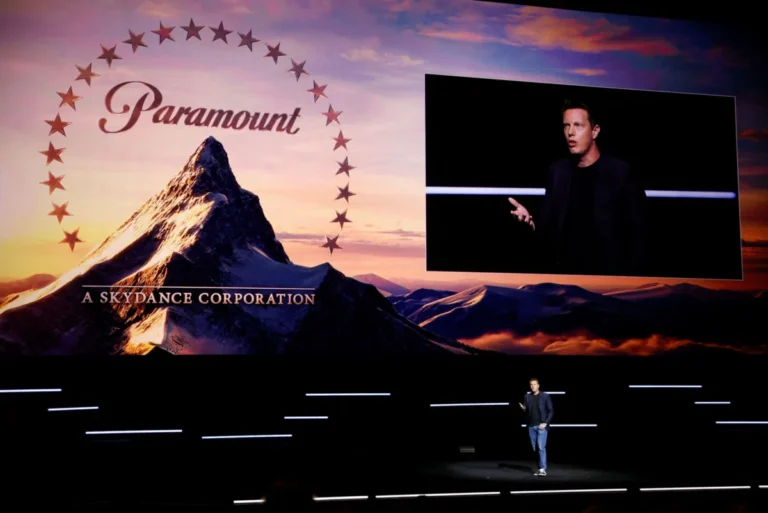
Paramount Skydance CEO David Ellison confirmed on Monday that Paramount+ and HBO Max will be integrated into a singular, unified streaming platform, contingent upon regulatory approval of the company’s massive acquisition of Warner Bros. Discovery. The announcement, made during a comprehensive investor call, outlines a strategic shift intended to create a formidable challenger to industry leaders Netflix and Disney. According to Ellison, the combined service is projected to boast a global subscriber base of approximately 200 million users, effectively doubling the reach of the individual platforms and streamlining the content libraries of two of Hollywood’s most storied studios.
The deal follows a period of intense corporate maneuvering and a prolonged bidding war for Warner Bros. Discovery (WBD). Paramount and WBD reached a definitive agreement last week for Paramount Skydance to acquire WBD at a valuation of $31 per share. This resolution came after Netflix, which had been a primary contender for the acquisition, withdrew its bid in late February 2026. The exit of the streaming giant cleared the path for Ellison’s Skydance to consolidate its position as a dominant force in the global media landscape.
Strategic Integration and Brand Preservation
A central component of the merger strategy is the preservation of the HBO brand. Despite the move toward a unified interface, David Ellison emphasized that the prestige associated with HBO would remain a cornerstone of the new service’s identity. "HBO should stay HBO," Ellison stated during the call, noting the brand’s multi-decade history of producing high-caliber, award-winning programming.
Insiders familiar with Paramount’s internal planning suggest that while the streaming technology and subscription tiers will be merged, HBO will likely function as a distinct premier sub-brand or "hub" within the larger application. This approach mirrors the strategy employed by Disney with its inclusion of Marvel and Star Wars brands within the Disney+ interface.
The leadership of the HBO vertical remains a point of interest for investors. Casey Bloys, the current Chairman and CEO of HBO and Max Content, is expected to continue overseeing the brand’s creative direction. Sources indicate that Bloys’ current contract extends through 2027, providing a window of stability for the brand’s production slate during the transitional period. While Bloys has declined to comment on the merger publicly, his role is viewed as vital to maintaining the "prestige TV" reputation that has historically shielded the network from the volatility of the broader streaming market.
The Sports Powerhouse: Consolidating CBS and TNT
Beyond scripted content, the merger is poised to create one of the most powerful sports broadcasting entities in the world. By combining the assets of CBS Sports and TNT Sports, the new streaming service will offer an unprecedented array of live athletic programming.
The combined portfolio will include rights to:
- The National Football League (NFL)
- NCAA March Madness
- Major League Baseball (MLB)
- The National Hockey League (NHL)
- National Basketball Association (NBA) coverage (subject to ongoing rights renewals)
- Nascar
- The French Open
- The Masters
- Comprehensive college football and basketball packages
Paramount executives addressed potential regulatory hurdles during the Monday call, asserting that they have received no preliminary signals from the Federal Communications Commission (FCC) or the Department of Justice (DOJ) that the sports consolidation would trigger antitrust interventions. The argument presented by the legal teams suggests that the fragmented nature of modern sports rights—split across tech giants like Amazon and Apple—ensures that a Paramount-WBD entity would not constitute a monopoly.
A Decade of Rebranding: The HBO Streaming Chronology
The path toward this merger has been marked by a complex and often confusing series of rebrands for HBO’s digital offerings. To understand the significance of the upcoming unified service, it is necessary to examine the evolution of HBO’s presence in the streaming era.
In 2010, under the ownership of Time Warner, the network launched HBO Go, an "authenticated" service available only to cable subscribers. This was followed in 2015 by HBO Now, a standalone direct-to-consumer product that allowed users to bypass the traditional cable bundle for the first time.
The landscape shifted dramatically in 2018 when AT&T acquired Time Warner, subsequently renaming the division WarnerMedia. In an attempt to scale the service to compete with Netflix, WarnerMedia launched HBO Max in 2020. This platform integrated HBO’s library with content from Turner Classic Movies, DC Comics, and the Warner Bros. film vault.
Following AT&T’s divestiture of WarnerMedia and its subsequent merger with Discovery Inc. in 2023, CEO David Zaslav implemented another shift. The service was renamed "Max" to reflect the addition of unscripted Discovery programming, a move intended to appeal to a broader demographic. However, in a surprising pivot in May 2025, Zaslav and Bloys opted to revert the name to "HBO Max," acknowledging that the HBO brand name carried significantly more consumer equity and "prestige" than the generic "Max" moniker.

The move to fold HBO Max into a combined service with Paramount+ represents the final stage of this decade-long search for a sustainable digital identity.
Financial Implications and Market Competition
The $31-per-share acquisition price represents a significant premium over Warner Bros. Discovery’s recent trading levels, signaling David Ellison’s confidence in the long-term value of the combined intellectual property. The merger is expected to yield billions of dollars in "synergies"—a corporate term for cost-cutting measures achieved by merging redundant departments such as marketing, technology infrastructure, and administrative roles.
Market analysts suggest that the 200 million subscriber target is more than just a vanity metric; it is a necessity for survival in a market where content production costs have skyrocketed. By pooling resources, the new entity can better manage the heavy debt loads that have burdened both Paramount and WBD in recent years.
Comparison of Global Subscriber Bases (Estimated Post-Merger):
- Netflix: ~280 million
- Disney (Disney+/Hulu/ESPN+): ~240 million
- Paramount-WBD Combined: ~200 million
- Amazon Prime Video: ~180 million (active video users)
This consolidation places the new entity firmly in the "top tier" of global streaming, providing the scale necessary to negotiate more favorable terms with advertisers and international distributors.
Regulatory Outlook and Industry Impact
While Paramount executives expressed optimism regarding regulatory approval, the deal will undoubtedly face rigorous scrutiny. The merger of two of the "Big Five" Hollywood studios (Paramount Pictures and Warner Bros. Pictures) represents a historic contraction of the film industry. Regulators are expected to focus not only on the streaming landscape but also on the impact on the theatrical marketplace and the bargaining power the combined company would hold over theater chains.
FCC Chair Jessica Rosenworcel has previously noted that the media landscape is undergoing "unprecedented transformation," and that the agency must ensure that consolidation does not result in a loss of diverse voices or consumer choice. However, some industry observers suggest that the rise of "Big Tech" in Hollywood—specifically the entry of Apple and Amazon into content production—has changed the definition of a monopoly. In this view, traditional "legacy" media companies must be allowed to merge to avoid being completely eclipsed by Silicon Valley.
Content Library and Intellectual Property
The sheer volume of content under the new umbrella is staggering. The unified service will house the libraries of Paramount Pictures, Warner Bros., New Line Cinema, HBO, Showtime, Nickelodeon, MTV, Comedy Central, and CNN.
Key franchises that will now live under one roof include:
- The DC Universe (Batman, Superman, Wonder Woman)
- Star Trek
- The Wizarding World (Harry Potter)
- Mission: Impossible
- Game of Thrones
- Yellowstone (and its various spin-offs)
- SpongeBob SquarePants
- The Lord of the Rings (theatrical rights)
This concentration of intellectual property allows for cross-platform promotional opportunities and "mega-franchise" development that was previously impossible. For instance, the ability to bundle Nickelodeon’s children’s programming with HBO’s adult dramas provides a "cradle-to-grave" content strategy that reduces subscriber churn.
Conclusion: The End of the First Streaming War
The acquisition of Warner Bros. Discovery by Paramount Skydance and the subsequent merging of their flagship streaming platforms marks the definitive end of the first "Streaming War" era. The period characterized by a wild proliferation of individual studio-branded apps is being replaced by an era of consolidation and "re-bundling."
For consumers, the merger promises a more streamlined experience with a single bill and a single interface, though the question of pricing remains unanswered. David Ellison’s team has yet to provide a timeline for the technical integration or a price point for the new service, though analysts expect a multi-tiered system including ad-supported and premium "platinum" options.
As the industry awaits the verdict from federal regulators, the message from the Monday investor call was clear: scale is the only path forward. By bringing together the prestige of HBO and the broad-reach sports and entertainment of Paramount, David Ellison is betting that a unified giant can finally bridge the gap between the legacy Hollywood of the 20th century and the digital dominance of the 21st.