


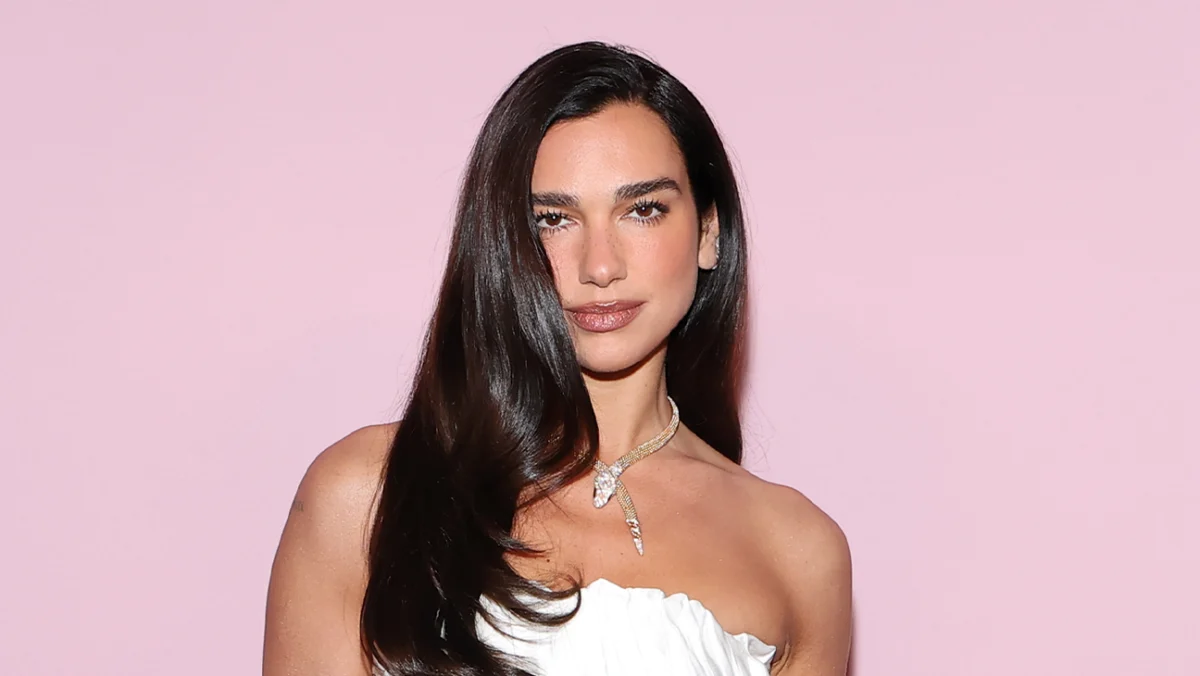
Multi-Grammy winner Dua Lipa has initiated a substantial legal battle against electronics giant Samsung, filing a $15 million lawsuit alleging the company exploited her image and likeness without permission or compensation to market its televisions. The complaint, lodged on Friday in the Central District of California, accuses Samsung of "copyright infringement, trademark infringement and violation of her right of publicity in order to obtain redress for the massive, continuing, unauthorized commercial exploitation of her valuable image and likeness." This high-stakes legal action underscores the increasing vigilance of public figures in safeguarding their intellectual property and personal brand in an era of pervasive digital media and aggressive marketing strategies.
Core Allegations and the Disputed Image
At the heart of the lawsuit is a specific photograph, to which Ms. Lipa asserts ownership of the copyright. The image in question was reportedly captured backstage at the Austin City Limits Music Festival in 2024. According to the complaint, Samsung has been prominently featuring this copyrighted photograph on the packaging of various Samsung-manufactured televisions intended for retail sale since 2025. The lawsuit explicitly states, "Recognizing Ms. Lipa’s notoriety and goodwill, Samsung used a copyrighted image of Ms. Lipa without authority or license and prominently featured it on the front of cardboard boxes containing Samsung manufactured televisions for retail sale."
Ms. Lipa’s legal team contends that Samsung’s actions go beyond mere unauthorized use of an image; they constitute a deliberate strategy to leverage her global fame and appeal for commercial gain. The "Levitating" singer claims that despite her demands for the electronics manufacturer to cease using the image, Samsung has continued to profit from her likeness. The complaint characterizes Samsung’s response to these demands as "dismissive and callous," indicating a breakdown in communication and a perceived disregard for Ms. Lipa’s rights.
The Implication of False Endorsement
A significant component of the lawsuit revolves around the accusation of false endorsement. The complaint posits that by displaying Ms. Lipa’s image so prominently on their product packaging, Samsung has falsely conveyed to consumers that she has endorsed their televisions, despite no such agreement existing. This implied endorsement, the lawsuit argues, is not merely speculative but evidenced by consumer reactions observed on social media platforms. The complaint cites comments posted on X (formerly Twitter) and Instagram, suggesting that some customers were indeed influenced by the presence of the "Don’t Start Now" singer’s photo on the packaging.
For instance, one cited comment read, "I wasn’t even planning on buying a tv but I saw the box so I decided to get it," while another fan reportedly posted that they would "get that tv just because Dua is on it." These statements, presented as direct evidence within the complaint, aim to illustrate the tangible impact of Samsung’s alleged unauthorized use, demonstrating how Ms. Lipa’s image directly influenced consumer purchasing decisions. The lawsuit emphasizes, "Ms. Lipa’s face was prominently used for a mass marketing campaign for a consumer product without her knowledge, without consideration, and as to which she had no say, control, or input whatsoever. Ms. Lipa did not allow and would not have allowed this use."
Understanding the Legal Framework: Right of Publicity, Copyright, and Trademark
This lawsuit intricately weaves together three distinct but related areas of intellectual property law: the right of publicity, copyright infringement, and trademark infringement. Each claim carries significant weight and offers different avenues for redress.
The Right of Publicity is a state-level legal concept that protects an individual’s right to control the commercial use of their name, image, likeness, and other aspects of their identity. For celebrities like Dua Lipa, whose public persona is a valuable asset, this right is crucial. It ensures that their fame and recognizability cannot be exploited by others for commercial purposes without their explicit consent and, typically, fair compensation. The value of a celebrity’s endorsement can run into millions of dollars, reflecting their influence on consumer behavior. Unauthorized use effectively bypasses this commercial value, depriving the celebrity of legitimate income and control over their brand.
Copyright Infringement pertains specifically to the photograph itself. Ms. Lipa’s claim to copyright ownership over the image taken at Austin City Limits 2024 means she holds the exclusive rights to reproduce, distribute, and display that particular photograph. If Samsung used this image without obtaining a proper license from Ms. Lipa or her authorized representatives, it would constitute a direct violation of her copyright. This is distinct from the right of publicity, as copyright protects the creative work (the photograph), while the right of publicity protects the individual’s identity depicted within it.
Trademark Infringement in this context arises from the implied endorsement. While Dua Lipa’s name or image might not be a registered trademark for electronics, the use of her likeness in marketing can create a "likelihood of confusion" among consumers, suggesting an affiliation or endorsement that does not exist. A celebrity’s identity, especially one as globally recognized as Dua Lipa, can function as a de facto trademark, signaling quality, style, or approval. When a company uses this identity without permission, it can be seen as capitalizing on the goodwill associated with the celebrity’s "brand" and misleading consumers into believing the product is endorsed, thereby infringing upon the celebrity’s commercial identity and reputation.
A Timeline of Allegations
The chronology of events, as laid out in the complaint, details a clear progression leading to the lawsuit:
- 22 March 2024: The photograph central to the dispute is taken backstage at the Austin City Limits Music Festival. This date marks the creation of the copyrighted material.
- Early 2025 onwards: Samsung allegedly begins to prominently display this specific image of Dua Lipa on the cardboard packaging for various models of its televisions available for retail sale globally. The continuity of this alleged use is a key factor in the claimed damages.
- Prior to lawsuit filing: Ms. Lipa’s legal representatives discover the unauthorized use and initiate communication with Samsung, demanding the cessation of the use and seeking resolution.
- Samsung’s alleged response: The complaint describes Samsung’s reaction as "dismissive and callous," implying a refusal to comply with Ms. Lipa’s demands for discontinuing the use of her image and likeness. This lack of cooperative resolution directly precedes the formal legal action.
- Friday (exact date not specified in provided text, but assumed to be recent): The lawsuit is officially filed in the Central District of California, commencing the formal legal proceedings against Samsung.
Precedents and the High Stakes of Celebrity Likeness
The legal landscape is replete with examples of celebrities fiercely protecting their right of publicity and intellectual property. One of the most famous cases involved Vanna White, the hostess of "Wheel of Fortune," who successfully sued Samsung in 1993. Samsung had aired an advertisement featuring a robot dressed in a wig, gown, and jewelry, posed next to a "Wheel of Fortune"-like game board. The Ninth Circuit Court of Appeals ruled that the advertisement evoked White’s identity, even without using her name or exact image, establishing a broad interpretation of the right of publicity.
More recently, basketball legend Michael Jordan successfully sued grocery store chains Dominick’s and Jewel-Osco for using his likeness without permission in advertisements. These cases, among others, underscore the judiciary’s recognition of a celebrity’s control over their identity and its commercial value. The $15 million sought by Dua Lipa reflects not only the perceived damages from the unauthorized use but also the estimated licensing fee Samsung would have had to pay for a legitimate endorsement deal with an artist of her caliber. For a global superstar like Dua Lipa, whose influence spans music, fashion, and culture, the commercial value of her image and implied endorsement can easily run into eight figures.
Samsung’s Position and Industry Reaction
At the time of the original publication, The Hollywood Reporter indicated that Samsung had been contacted for comment but had not yet provided a response. In such high-profile legal disputes, companies often choose to withhold public statements while their legal teams review the complaint and prepare their defense.
Legal experts suggest that Samsung’s potential defense strategies could include arguing that the image falls under fair use, disputing Ms. Lipa’s copyright ownership, claiming the use was unintentional or due to a third-party vendor’s error, or contending that the use did not genuinely mislead consumers into believing an endorsement existed. However, given the specificity of the allegations and the cited social media comments, a robust defense would be required to counter the claims of implied endorsement and direct commercial exploitation.
The marketing and advertising industry will be closely watching the developments of this case. It serves as a stark reminder to corporations about the stringent requirements for obtaining proper licenses and permissions when incorporating public figures, or even images that evoke them, into their commercial campaigns. The costs associated with securing legitimate celebrity endorsements are substantial, but the potential legal and reputational damages from unauthorized use can be far greater.
Broader Implications for Celebrity Rights and Corporate Accountability
This lawsuit carries significant implications beyond the immediate parties involved. For celebrities and artists, it reinforces the ongoing battle to protect their intellectual property and maintain control over their carefully cultivated public personas in an increasingly digital and visually driven world. The ease with which images can be disseminated and repurposed online makes it more challenging, yet simultaneously more critical, for public figures to police the commercial use of their likeness.
For major corporations like Samsung, a global leader in consumer electronics, this case highlights the imperative for rigorous internal controls and due diligence in their marketing and advertising departments. Even an oversight, if proven to be unauthorized commercial exploitation, can lead to substantial financial penalties and significant reputational damage. Consumers today are more aware of ethical business practices and are often critical of companies perceived to be taking advantage of artists or creators.
Should Dua Lipa prevail, the ruling could set a precedent, further solidifying the protections afforded to celebrities under right of publicity and intellectual property laws, potentially influencing future marketing practices across various industries. It underscores that a celebrity’s image is a valuable asset, not a free resource for corporate exploitation, and that the unauthorized use of such an asset will come at a considerable cost. The legal proceedings will undoubtedly shed more light on the specifics of Samsung’s alleged actions and the evidence presented by Ms. Lipa’s legal team, setting the stage for a potentially landmark decision in the evolving landscape of celebrity rights and corporate accountability.