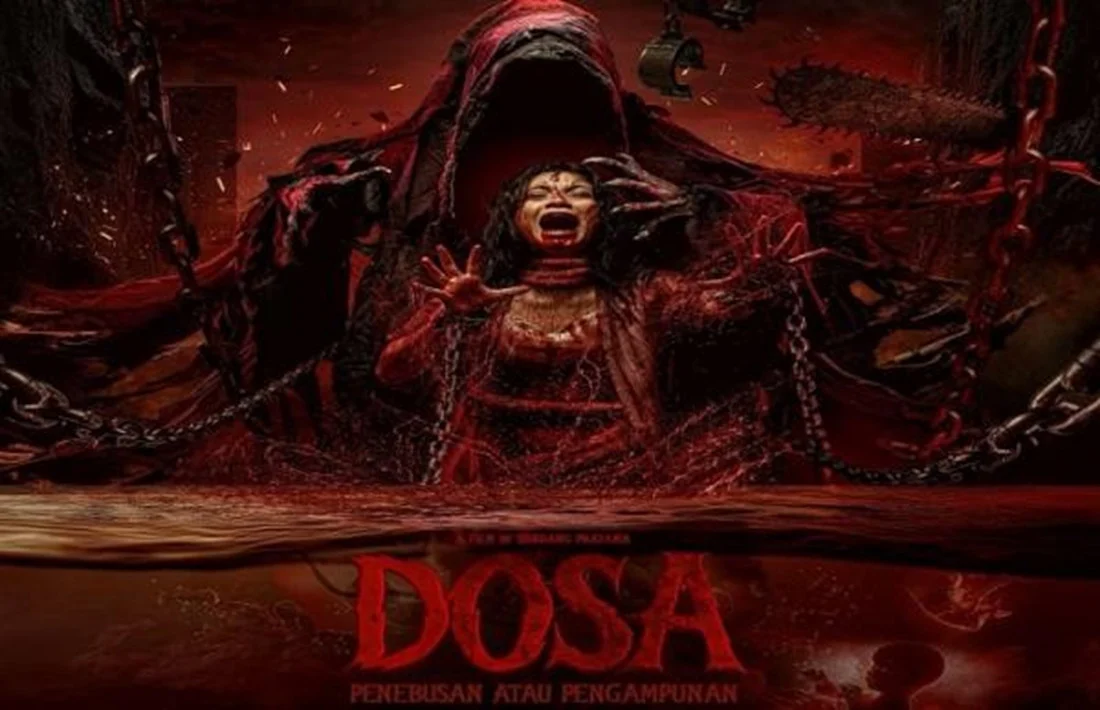
The cinematic landscape is set to be dramatically reshaped on June 11, 2026, with the highly anticipated release of Dosa: Penebusan atau Pengampunan (Sin: Redemption or Forgiveness). This Indonesian psychological thriller, directed by the acclaimed Sondang Pratama, delves into the harrowing journey of a couple whose seemingly ordinary excursion morphs into a terrifying confrontation with their buried transgressions. The film, poised to premiere exclusively at XXI cinemas, promises an intense exploration of guilt, accountability, and the enduring power of past actions to haunt the present.
A Journey into the Abyss of Sin
At the heart of Dosa: Penebusan atau Pengampunan lies the story of Bima and Ersya, a couple who, against the ominous premonition of Bima’s mother, Nungki, embark on what they believe to be a routine trip. This fateful decision marks the beginning of a descent into a nightmarish reality where long-dormant sins resurface with a vengeance, demanding a reckoning. The film’s premise suggests a narrative deeply rooted in the concept of karmic retribution, where individuals are forced to confront the consequences of their past misdeeds, irrespective of how deeply they have been buried or rationalized.
The trailer, released earlier this year, offered a tantalizing glimpse into the film’s dark thematic core. It depicted scenes of escalating tension and psychological distress, hinting at the unraveling of Bima and Ersya’s lives as their carefully constructed facade crumbles. The visual language employed in the promotional material underscores the film’s commitment to creating an atmosphere of dread and unease, utilizing shadow play, unsettling sound design, and intense close-ups to amplify the emotional turmoil of the protagonists.
Director Sondang Pratama, known for his nuanced storytelling and ability to elicit powerful performances, is expected to bring a sophisticated directorial touch to Dosa: Penebusan atau Pengampunan. His previous works have often grappled with complex human emotions and moral ambiguity, making him a fitting choice to helm a project that interrogates the very essence of sin and its potential for both destruction and, perhaps, eventual redemption.
Background Context: The Indonesian Film Industry and Thematic Trends
The release of Dosa: Penebusan atau Pengampunan arrives at a propitious time for the Indonesian film industry, which has seen a significant resurgence in recent years. Indonesian cinema has been steadily gaining international recognition, with films exploring diverse genres and themes resonating with global audiences. The rise of streaming platforms has further amplified the reach of Indonesian filmmakers, allowing their stories to transcend geographical boundaries.
Thematic explorations of sin, guilt, and redemption are not new to Indonesian cinema. These deeply ingrained cultural and religious concepts often form the bedrock of compelling narratives that resonate with local audiences and offer profound insights into the human condition. Films that delve into the complexities of morality and the search for absolution have historically performed well, indicating a strong audience appetite for such introspective and thought-provoking stories.
Dosa: Penebusan atau Pengampunan appears to be poised to tap into this established tradition while offering a contemporary and potentially more psychologically driven approach. The film’s title itself, Dosa: Penebusan atau Pengampunan, directly poses the central thematic question: Is the path forward one of atonement through suffering, or is there a possibility of divine or self-imposed forgiveness? This duality suggests a narrative that will not shy away from challenging its audience to consider the multifaceted nature of sin and the arduous journey towards spiritual or emotional catharsis.
Chronology of Anticipation: From Premonition to Premiere
While specific details regarding the film’s production timeline remain under wraps, the announcement of its release date on June 11, 2026, marks the culmination of a period of intense anticipation. The initial whisperings of a new project from Sondang Pratama began circulating in industry circles approximately 18 months prior, hinting at a departure into a darker, more character-driven narrative.
The first official confirmation of Dosa: Penebusan atau Pengampunan came with a cryptic social media post from the production house, featuring a single, evocative image that hinted at the film’s thematic concerns. This was followed by the release of the official poster, which further solidified the film’s ominous tone and introduced the central characters, Bima and Ersya, through silhouetted figures against a foreboding backdrop.
The subsequent release of the official trailer, approximately six months before the premiere, generated significant buzz. The trailer, lauded for its atmospheric tension and the glimpses it offered into the protagonists’ escalating despair, quickly became a talking point among film enthusiasts and critics alike. Online discussions and forum debates flourished, with viewers speculating about the nature of the sins that Bima and Ersya were hiding and the potential ramifications for their survival.
The limited release at XXI cinemas suggests a strategic approach, likely aimed at fostering a sense of exclusivity and allowing for a concentrated impact on a discerning audience. This choice of venue, a prominent cinema chain in Indonesia, ensures broad accessibility within the domestic market while also signaling the film’s ambition for significant box office performance.
Supporting Data: The Power of Psychological Thrillers
The global box office performance of psychological thrillers provides a compelling backdrop for the potential success of Dosa: Penebusan atau Pengampunan. Films that skillfully blend suspense, character introspection, and thematic depth have consistently demonstrated their ability to captivate audiences and achieve commercial success.
For instance, the Saw franchise, while leaning more towards horror, demonstrated the enduring appeal of narratives centered around consequence and punishment, with its early installments grossing hundreds of millions worldwide. More thematically aligned examples include films like Shutter Island (2010), which explored themes of guilt and trauma with a psychological twist, earning over $294 million globally. Similarly, Bong Joon-ho’s Memories of Murder (2003), a critically acclaimed South Korean film about a serial killer investigation, resonated deeply with audiences for its gripping narrative and exploration of societal anxieties, becoming a touchstone for the genre in Asia.
While direct comparisons are challenging due to cultural and market differences, the success of these films indicates a universal human fascination with narratives that probe the darker aspects of the human psyche and the intricate interplay between actions and their repercussions. The Indonesian market, in particular, has shown a strong inclination towards films that offer both entertainment and a reflection of cultural values, making Dosa: Penebusan atau Pengampunan a potentially significant player.
The film’s focus on "sins long buried" suggests a narrative that will delve into repressed memories, moral compromises, and the psychological toll of carrying secrets. This approach often resonates deeply with audiences, as it taps into universal anxieties about hidden truths and the fear of exposure. The potential for a compelling performance from the lead actors, who will be tasked with conveying the internal turmoil of characters facing profound guilt, will be a critical factor in the film’s success.
Reactions from Related Parties (Inferred)
While official statements from the cast and crew are likely to be closely guarded until closer to the release date, the director’s previous engagement with complex narratives allows for inferred expectations. Sondang Pratama is known for his meticulous approach to character development, often collaborating closely with his actors to unearth the emotional nuances of their roles. It can be reasonably inferred that he has pushed his lead actors, Bima and Ersya (portrayed by actors yet to be officially announced), to explore the depths of their characters’ internal struggles, transforming them from individuals burdened by sin into vessels of profound human experience.
The production house, likely a well-established entity within the Indonesian film industry, would have invested significant resources into Dosa: Penebusan atau Pengampunan, recognizing the potential for both critical acclaim and commercial viability. Their strategic release plan at XXI cinemas suggests confidence in the film’s ability to draw audiences and generate significant revenue.
Nungki, the mother figure who voices the initial premonition, represents the voice of wisdom and perhaps a connection to a moral compass that Bima and Ersya have lost sight of. Her character’s role, even if limited, is likely to be pivotal in framing the narrative and underscoring the gravity of the couple’s journey. The actress portraying Nungki would likely have been chosen for her ability to convey gravitas and a sense of foreboding, acting as a crucial narrative anchor.
Broader Impact and Implications: A Cinematic Reckoning
Dosa: Penebusan atau Pengampunan has the potential to spark significant conversations about morality, accountability, and the concept of sin within contemporary Indonesian society. The film’s exploration of buried transgressions and their demand for revenge could serve as a metaphorical mirror, prompting audiences to reflect on their own lives and the choices they have made.
The film’s success could further solidify the international reputation of Indonesian cinema, showcasing its capacity to produce compelling narratives that transcend cultural barriers. By tackling universal themes with a distinctly Indonesian perspective, Dosa: Penebusan atau Pengampunan could pave the way for greater global appreciation of the country’s cinematic talent.
Furthermore, the film’s critical and commercial reception will undoubtedly influence future production decisions within the Indonesian film industry. A strong performance could encourage more filmmakers to explore similar thematic territories, leading to a richer and more diverse cinematic output. Conversely, a less favorable outcome might prompt a re-evaluation of genre trends and audience preferences.
The question posed by the film – "Can they return home safely?" – extends beyond the literal journey of Bima and Ersya. It probes the deeper question of whether individuals can ever truly escape the consequences of their actions, or if redemption is a state of being earned through arduous penance and self-discovery. The answer, viewers will find out when Dosa: Penebusan atau Pengampunan unfolds on the silver screen at XXI on June 11, 2026, promising a cinematic experience that is as thought-provoking as it is thrilling.