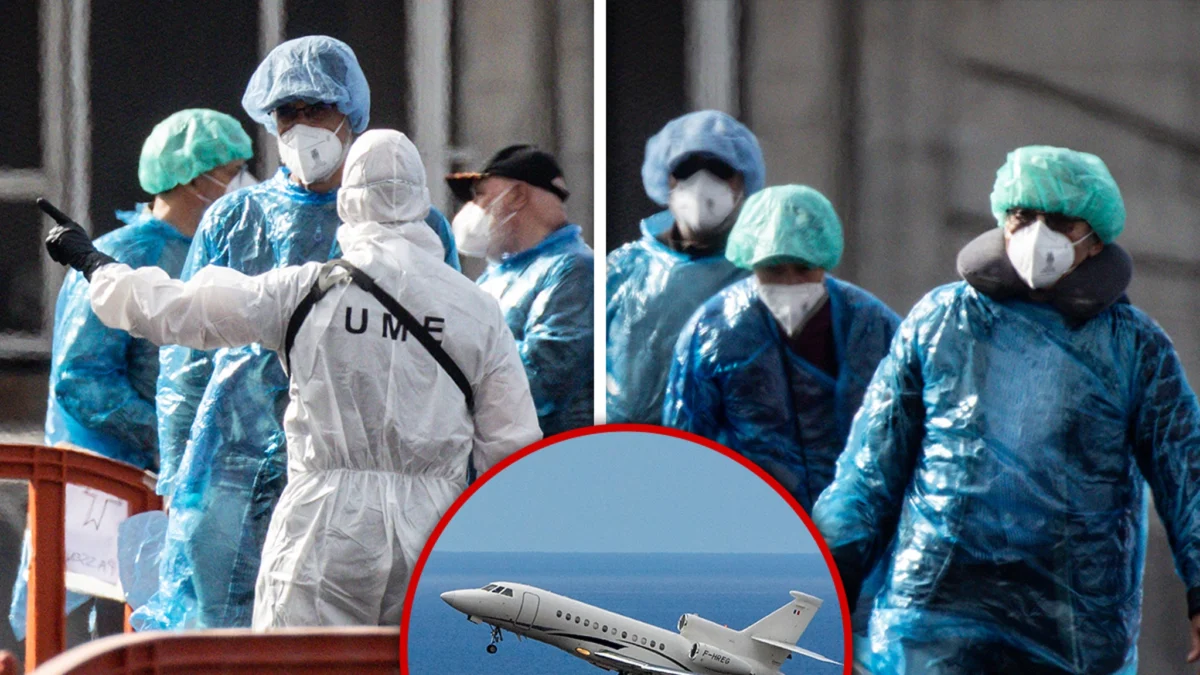
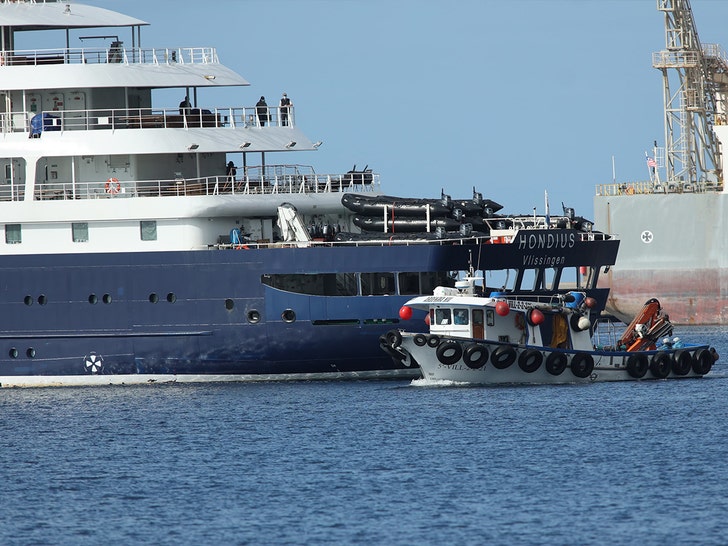
The MV Hondius, an expedition cruise ship linked to a deadly Hantavirus outbreak, docked in Tenerife’s Granadilla Port in Spain’s Canary Islands on Sunday morning, May 10, 2026, marking the beginning of a meticulous disembarkation and screening process for hundreds of anxious passengers. Spanish health officials initiated rigorous health checks for symptoms of the rare, rodent-borne virus before any individual was permitted to leave the vessel, which has become the focal point of international concern following three passenger deaths and eight additional confirmed cases onboard. Among the passengers awaiting clearance are 17 American nationals, whose repatriation is now a top priority for consular services.
A Tense Arrival in the Canary Islands
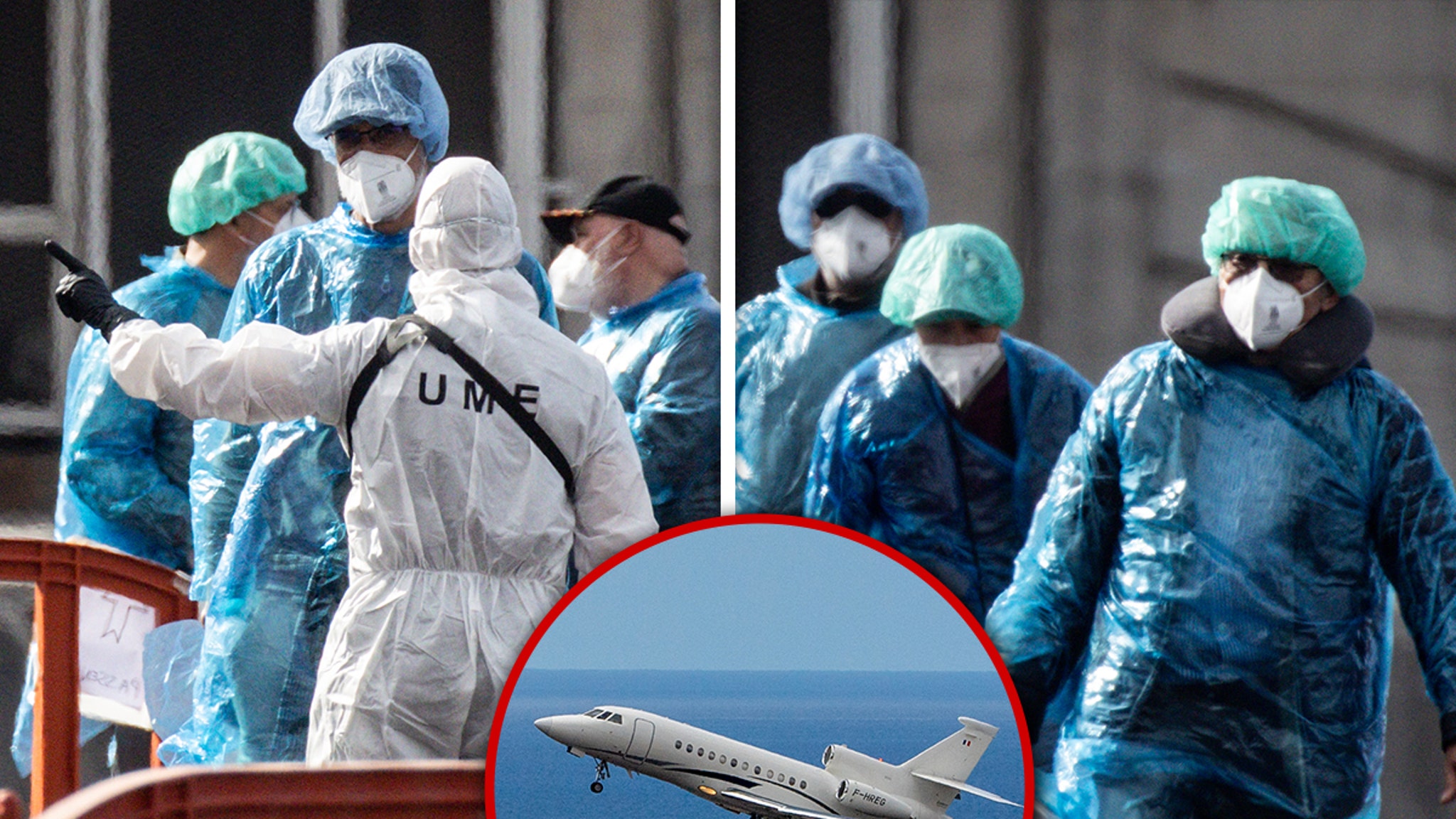
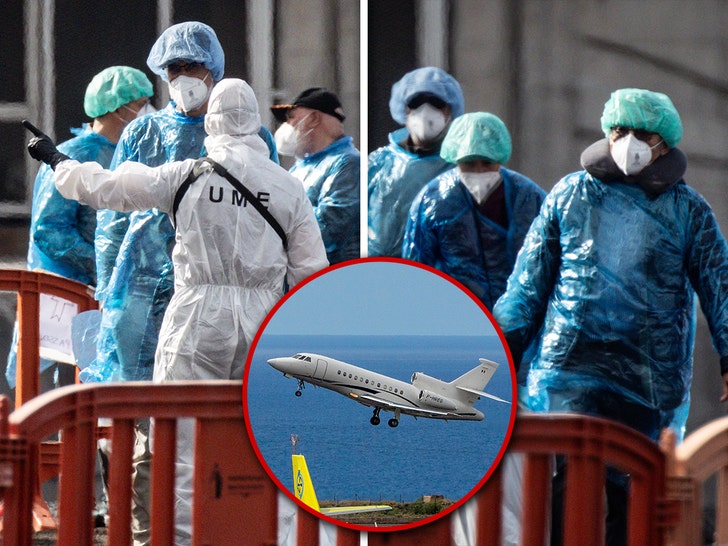
The atmosphere at Granadilla Port was palpable with a mix of relief and trepidation as the MV Hondius, operated by Oceanwide Expeditions and typically known for its polar voyages, completed its unexpected journey to the Spanish archipelago. Passengers, visibly shaken by the ordeal, were observed carrying their belongings in sealed plastic bags, a stark visual testament to the contagion fears that have gripped the ship for weeks. This precautionary measure, likely advised by health authorities, underscored the seriousness of the situation, even as global health bodies sought to calm widespread anxieties.
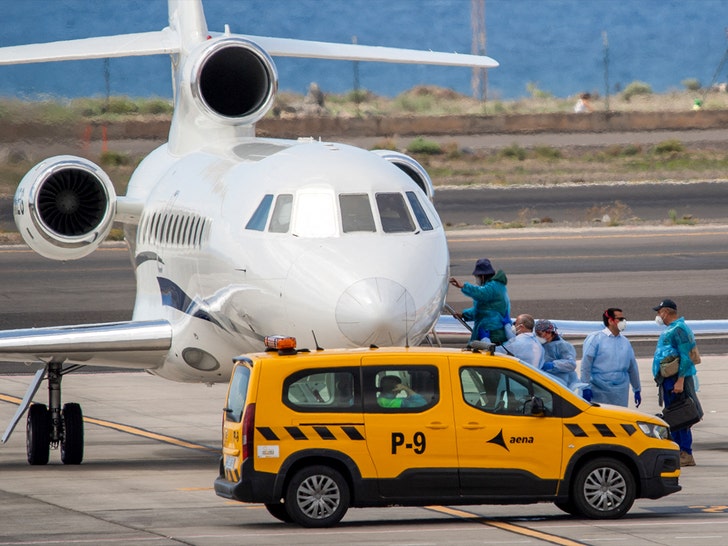
Upon arrival, a coordinated effort involving Spanish public health officials, emergency medical teams, and port authorities was immediately put into action. The screening protocol, as reported by Reuters, mandated that all individuals undergo thorough medical evaluation for Hantavirus symptoms, which can initially mimic common flu-like illnesses before progressing to severe respiratory or renal complications. Once cleared by medical personnel, passengers were ferried ashore in small, controlled groups. The initial priority for disembarkation was given to Spanish nationals, followed by passengers from other countries, including the 17 Americans, who are now expected to be transported to the island’s main airport for flights back to their respective home nations. The logistical challenge of coordinating international repatriation for hundreds of passengers from various countries, all while maintaining strict health protocols, is immense, requiring close cooperation between diplomatic missions and local authorities.
The Troubled Voyage of the MV Hondius
The MV Hondius became the subject of intense global scrutiny last month when reports first emerged of a mysterious illness claiming lives onboard. The expedition vessel, designed for remote and often extreme environments, had been on a voyage traversing parts of the Atlantic, with its exact itinerary leading up to the outbreak still under investigation. Three passengers tragically succumbed to Hantavirus complications, prompting immediate alarm. Subsequently, eight additional cases were confirmed, elevating the situation to an international public health crisis.
Hantaviruses are a group of viruses that can cause severe, sometimes fatal, diseases in humans, primarily transmitted through contact with infected rodents or their urine, droppings, or saliva. The aerosolized particles of these contaminants can be inhaled, leading to infection. While the specific strain of Hantavirus involved in the MV Hondius outbreak has not been publicly identified, the two main clinical manifestations in humans are Hantavirus Pulmonary Syndrome (HPS) and Hemorrhagic Fever with Renal Syndrome (HFRS). HPS, predominantly found in the Americas, affects the lungs and has a high mortality rate, often exceeding 30%. HFRS, more common in Europe and Asia, primarily impacts the kidneys and can also be severe. The incubation period for Hantavirus can range from one to eight weeks, making the initial screening on arrival critical but also highlighting the need for continued monitoring of passengers in the weeks following disembarkation.
The precise source of the outbreak onboard the MV Hondius remains a critical question for investigators. Given the ship’s expeditionary nature, it is plausible that passengers or crew could have been exposed during shore excursions in areas where infected rodent populations are present, or that rodents somehow gained access to the vessel itself at a previous port of call. Maritime health regulations typically require stringent pest control measures on all vessels, and an investigation into the ship’s sanitation protocols and recent port calls will be crucial in identifying the origin and preventing future occurrences.
Global Health Community’s Response: Reassurance Amidst Anxiety
The unfolding situation aboard the MV Hondius inevitably triggered comparisons and anxieties reminiscent of the early days of the COVID-19 pandemic, particularly given the unprecedented global health crisis that began in 2020. Recognizing this heightened public sensitivity, the World Health Organization (WHO) moved swiftly to address concerns and provide crucial context, emphasizing that the Hantavirus situation, while serious for those affected, does not qualify as a pandemic.
On Friday, Dr. Tedros Adhanom Ghebreyesus, the Director-General of the WHO, issued a direct public statement designed to quell fears. "I know you are worried. I know that when you hear the word ‘outbreak’ and watch a ship sail toward your shores, memories surface that none of us have fully put to rest," Dr. Ghebreyesus acknowledged, demonstrating an understanding of the collective trauma of recent years. He continued, "The pain of 2020 is still real, and I do not dismiss it for a single moment. But I need you to hear me clearly: this is not another COVID-19. The current public health risk from Hantavirus remains low. My colleagues and I have said this unequivocally, and I will say it again to you now."
This unequivocal stance from the WHO is rooted in fundamental differences between Hantavirus and coronaviruses like SARS-CoV-2. Crucially, Hantavirus, in the vast majority of cases and for all known strains that cause severe human disease, is not transmitted from person to person. Instead, it requires direct or indirect exposure to infected rodents or their excretions. This lack of sustained human-to-human transmission is the primary factor that prevents Hantavirus from escalating into a widespread, community-transmissible pandemic like COVID-19. While individual cases can be severe and even fatal, the virus’s epidemiological characteristics mean it typically does not spread exponentially through human populations.
Reinforcing the WHO’s message, Dr. Ashish Jha, the former White House COVID response coordinator, also weighed in on the situation. Appearing on "TMZ Live," Dr. Jha urged the public to "exhale a little" over the deadly outbreak. While expressing genuine concern for the individuals exposed on the MV Hondius, he unequivocally stated that the situation is "NOT shaping up to be another COVID-style nightmare." His expert analysis, grounded in infectious disease epidemiology, reiterated that the primary mode of Hantavirus transmission fundamentally limits its pandemic potential, reassuring a public still wary of emerging viral threats.
Impact on Passengers, Crew, and the Cruise Industry
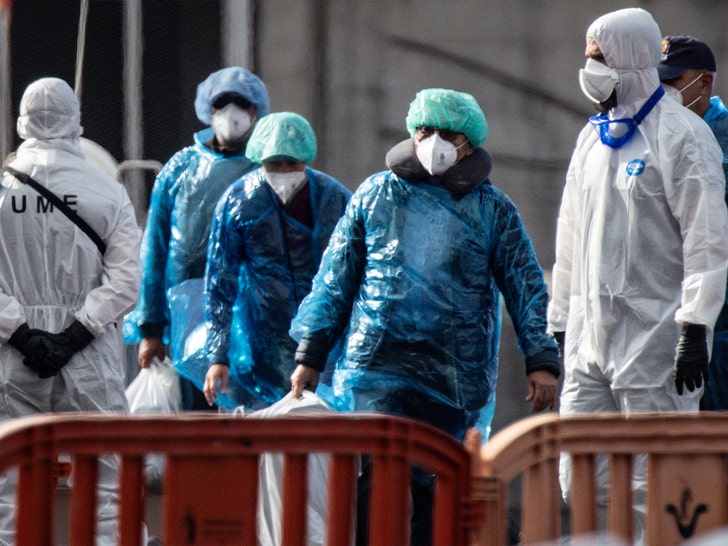
For the passengers and crew of the MV Hondius, the experience has been harrowing. The initial uncertainty, followed by the confirmation of a deadly virus and the subsequent deaths, undoubtedly created a high-stress environment. The extended period at sea under quarantine conditions, knowing a fatal illness was present, has taken an immense emotional toll. The visible act of carrying belongings in plastic bags speaks volumes about the psychological impact of being at the center of a health scare.
The medical screening process upon arrival in Tenerife is comprehensive, involving symptom checks, temperature monitoring, and potentially rapid diagnostic tests where available, though Hantavirus diagnosis typically relies on antibody detection or PCR in specialized labs. Passengers exhibiting any symptoms will likely be isolated for further testing and medical care, while asymptomatic individuals will be advised on self-monitoring protocols for the remainder of the incubation period, potentially for several weeks after returning home. This extended monitoring period underscores the insidious nature of the virus and the ongoing vigilance required.
Logistically, the repatriation of hundreds of passengers from various countries is a complex undertaking. Each nation will have its own health guidelines for returning citizens, potentially including mandatory quarantine periods or further medical assessments upon arrival. For the 17 American passengers, the U.S. State Department and relevant health agencies will coordinate with Spanish authorities to ensure their safe return and follow-up care. The crew, too, will undergo extensive screening and potentially a quarantine period, and the vessel itself will require thorough decontamination before it can resume operations.
The incident also casts a shadow over the expedition cruise industry, a niche but growing sector of the travel market that prides itself on access to remote, pristine environments. While not a conventional cruise ship experience, the MV Hondius outbreak highlights the unique public health challenges that can arise when travelers explore less-developed regions where zoonotic diseases might be more prevalent. The incident will undoubtedly lead to a review of health and safety protocols across the expedition cruise sector, particularly concerning shore excursions, pest control measures on vessels, and emergency response plans for infectious disease outbreaks in remote locations.
Hantavirus: A Closer Look at the Threat
Hantaviruses are part of the Bunyaviridae family and are endemic in various rodent populations worldwide. As mentioned, the two main syndromes they cause in humans are HPS and HFRS.
- Hantavirus Pulmonary Syndrome (HPS): Predominantly found in the Americas, HPS is caused by hantaviruses such as Sin Nombre virus. Initial symptoms often include fever, muscle aches, fatigue, headaches, dizziness, chills, and gastrointestinal issues. Within a few days, patients experience the rapid onset of respiratory distress, with coughing and shortness of breath as fluid fills the lungs. The condition can quickly progress to acute respiratory failure and shock, leading to a high mortality rate (30-50%).
- Hemorrhagic Fever with Renal Syndrome (HFRS): Common in Europe and Asia, HFRS is caused by viruses like Hantaan, Puumala, Dobrava, and Seoul viruses. Symptoms vary in severity but typically include fever, intense headache, back and abdominal pain, nausea, vomiting, and flushing of the face. In more severe cases, it can lead to hemorrhagic manifestations (bleeding) and acute kidney failure. The mortality rate for HFRS ranges from less than 1% to up to 15%, depending on the specific virus.
There is no specific antiviral treatment for Hantavirus infections; medical care is primarily supportive, focusing on managing symptoms and complications, such as providing oxygen therapy for HPS or dialysis for HFRS. Prevention hinges on avoiding contact with rodents and their habitats, including sealing homes, trapping rodents, and safely cleaning areas contaminated with rodent droppings or urine, using appropriate protective gear.
Given the MV Hondius’s operational areas, an investigation into the specific Hantavirus strain could provide clues about the geographical origin of the infection. For example, if it were a Sin Nombre-like virus, exposure in the Americas would be suspected. If it were a Puumala or Dobrava virus, European or Asian exposure would be more likely. However, the exact strain and its origin remain subject to ongoing epidemiological investigation.
Looking Forward: Investigations and Enhanced Vigilance
As the last passengers disembark and begin their journeys home, the focus shifts to comprehensive investigations into the MV Hondius outbreak. Spanish health authorities, in collaboration with international public health bodies like the WHO, will work to trace the precise movements of the ship and its passengers and crew in the weeks leading up to the initial reported cases. This will involve detailed interviews, review of ship logs, and environmental testing onboard the vessel to identify any potential rodent infestations or contaminated areas.
The incident serves as a stark reminder of the continuous threat posed by zoonotic diseases and the need for robust public health surveillance, especially in a globally interconnected world. While the WHO and expert consensus indicate that Hantavirus does not possess the characteristics for a global pandemic, the tragic events aboard the MV Hondius underscore the importance of vigilance, rapid response, and clear communication in managing localized outbreaks and preventing undue public panic. The maritime industry, in particular, will be under pressure to review and strengthen its health and safety protocols to safeguard passengers and crew against such unforeseen threats in the future.