In an era where digital identity and influencer marketing often blur the lines between reality and performance, a recent livestream hosted by the cryptocurrency-based online casino Duel has sparked a significant debate regarding authenticity and brand strategy. The event, which took place last month, was marketed as a high-stakes blackjack session featuring the polarizing masculinity influencer and former professional kickboxer Andrew Tate. However, as the broadcast unfolded, viewers were greeted not by the self-proclaimed "Top G," but by a figure who, while sharing a striking physical resemblance to Tate, delivered a performance that was diametrically opposed to the influencer’s established persona.
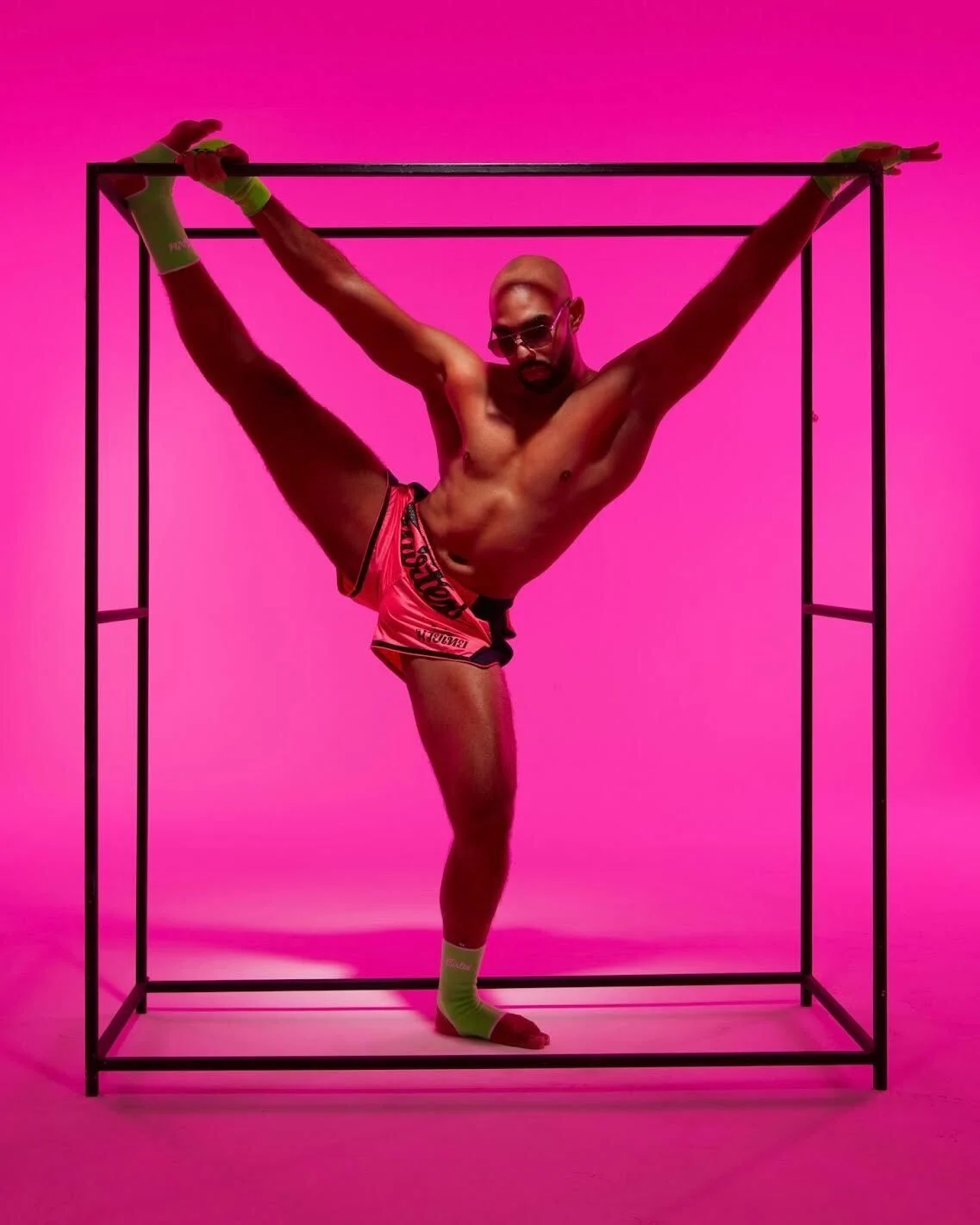
The host—a bald man with dark stubble sporting a black T-shirt, a tight suit, and sunglasses—initially appeared to be the expected guest. Yet, rather than the characteristic swagger and voluble rhetoric associated with Andrew Tate, the dealer engaged in a series of silent, flamboyant actions. His performance included sudden outbursts of singing, vigorous twerking, and a full split performed directly on the blackjack table. At one point, the performer spontaneously pulled a male assistant toward him by his necktie for a kiss. The stream quickly went viral, not for the gambling action, but for the surreal nature of the host’s behavior.
The Allegation of the Bait and Switch
Following the viral success of the clips, the narrative surrounding the livestream took a contentious turn. Ossi Ketola, the founder and owner of Duel, took to the casino’s Discord server to claim that the platform had been the victim of a "rug pull"—a term commonly used in the cryptocurrency world to describe a scam where developers or promoters abandon a project after securing funds. Ketola alleged that the casino had contracted an influencer management agency under the impression that the real Andrew Tate would be the dealer.
According to Ketola’s statement, the realization that an impostor had been sent only occurred when the performer arrived at the studio. Ketola claimed that the casino was "forced to run with it to save face" due to the significant costs already incurred and the momentum of the scheduled event. Despite these public claims of being defrauded, Duel did not provide further details when pressed for comment on the specific terms of the contract or the identity of the agency involved. The situation remains a point of friction, as the performer at the center of the controversy offers a vastly different account of the arrangement.
Identifying the Performer: The Genesis of Bottom G
The individual behind the performance is Brian Michael Hinds, a 29-year-old social media personality of German and Barbadian descent. Known to his followers as "Bottom G," Hinds has built a career as the antithesis of Andrew Tate. While Tate’s brand is built on hyper-masculinity, traditional gender roles, and "alpha" rhetoric, Hinds’ persona is defined by queer-coded flamboyance, joy, and a penchant for spontaneous dance in public spaces ranging from Miami Beach to Barcelona.
Hinds’ rise to prominence began in 2022. While attempting to promote his music career—which includes a background in musical theater and a stint on Germany’s version of American Idol—his social media accounts were inundated with comments comparing his looks to Tate. Initially unfamiliar with the "Top G," Hinds eventually decided to lean into the comparison as a strategic marketing tool. By adopting the name "Bottom G," a direct play on Tate’s title, Hinds transformed a coincidental resemblance into a lucrative brand.
Contrary to the claims made by Duel’s ownership, Hinds asserts that the casino was fully aware of his identity from the outset. In an interview, Hinds stated that his specific brand of performance was the "whole request" of the booking. He suggested that the "bait and switch" narrative may have been a calculated move by the casino to generate additional controversy and engagement, a common tactic in the high-noise environment of crypto-gambling marketing.
Chronology of the Bottom G Phenomenon
The evolution of Brian Michael Hinds from an aspiring pop star to a global meme figure follows a specific timeline that highlights the speed of digital culture:

- Mid-2022: Hinds begins posting street-dancing videos to promote his music. Comment sections are quickly dominated by Tate comparisons.
- Late 2022: Hinds adopts the "Bottom G" moniker. Despite the parody, he maintains that he is a singer first and an impersonator second.
- August 2022: The Tate brothers are banned from Meta platforms (Instagram and Facebook). During this period, Hinds claims Tristan Tate reached out via DM to support the "Bottom G" persona.
- Late 2022/Early 2023: A video of Andrew and Tristan Tate dancing to Hinds’ song "Can We Talk About Us" in a sports car goes viral, significantly boosting Hinds’ Spotify numbers.
- 2023: Hinds begins booking high-fee appearances globally, including a notable interview with streamer Adin Ross, who initially pretended to mistake him for the real Andrew Tate.
- Early 2024: Hinds performs at a wedding in Thailand and secures the Duel livestream deal, cementing his status as a high-value "alternative" influencer.
Financial and Industry Implications
The business of being a lookalike for a controversial figure is surprisingly lucrative. According to Hinds’ management, live performances as Bottom G can command fees between $10,000 and $15,000. For major brand collaborations, such as the one with Duel, the figures can reach into the six-figure range. This highlights a growing trend in the influencer economy where "anti-brands" or parody accounts can capture a market share nearly as large as the original figures they emulate.
The involvement of a cryptocurrency casino like Duel adds another layer of complexity. The crypto-gambling industry is known for its aggressive marketing and use of high-profile, often controversial, figures to attract users. Andrew Tate himself has previously advertised for Duel under undisclosed terms. The use of a parody figure like Hinds allows brands to tap into the "Tate aesthetic" and the massive search volume associated with his name while potentially insulating themselves from the legal and moral baggage associated with the real influencer.
Background Context: The Andrew Tate Shadow
The success of "Bottom G" is inextricably linked to the notoriety of Andrew Tate. Tate and his brother, Tristan, are currently facing grave legal challenges. They have been charged with rape and human trafficking in Romania, and they face similar allegations in the United Kingdom. Both brothers have consistently denied all charges, characterizing the legal actions as a "Matrix-led" conspiracy against them.
Hinds’ performance serves as a cultural subversion of the Tate brand. By utilizing the same physical markers—the bald head, the cigars, the suits—and pairing them with twerking and queer-coded behavior, Hinds effectively deconstructs the "Top G" image. This tension between the two personas is what attracts both Tate’s supporters, who view Hinds as a harmless jester, and his detractors, who see Hinds’ performance as a mockery of Tate’s rigid masculinity.
Official Responses and Contradictions
The fallout from the Duel livestream has resulted in a "he-said, she-said" scenario that remains unresolved.
- Duel’s Position: The casino maintains that they were misled by an agency and that hiring a lookalike was never the intention. They have positioned themselves as victims of a professional "rug pull" to explain the discrepancy to their user base.
- Brian Michael Hinds’ Position: Hinds maintains that the casino hired him specifically for the "Bottom G" persona. He has expressed a desire to work with the platform again, suggesting that despite the public outcry, the collaboration was mutually beneficial in terms of metrics.
- TikTok and Social Media Platforms: Hinds has faced numerous account deletions, which he attributes to his association with the Tate name, despite his content being satirical. TikTok has declined to comment on specific moderation decisions, though some of Hinds’ accounts have been reinstated upon appeal.
Broader Impact and Implications for Digital Identity
The "Bottom G" saga raises important questions about the future of influencer marketing and the ethics of digital impersonation. As deepfake technology and professional lookalikes become more prevalent, the ability of an audience to discern between a genuine endorsement and a parody is being tested.
Furthermore, Hinds’ experience highlights the "alienation" inherent in the influencer economy. Despite his financial success, Hinds has expressed feelings of being "misunderstood" and "bored" with the persona. He has recently pivoted toward "maximalist" fashion choices—such as colorful, "ugly" shirts—specifically to differentiate himself from Tate when he is not being paid to impersonate him.
Hinds has also discussed an "exit strategy" from the world of social media, citing a long-term interest in a wig business for men. This potential career shift serves as a metaphorical and literal way to reclaim his identity, moving away from the bald silhouette that links him to one of the internet’s most controversial figures.
As the digital landscape continues to evolve, the case of Brian Michael Hinds and the Duel livestream serves as a landmark example of how memes can be monetized, how brands navigate controversy, and how individuals struggle to maintain a distinct sense of self when their physical appearance becomes a public commodity. For now, Hinds remains "for the streets," traveling from Istanbul to Bangkok, performing for audiences who are increasingly drawn to his "joie de vivre" rather than just his resemblance to the "Top G."