

The landscape of independent game development is often fraught with technical hurdles and marketing challenges, but for Japanese developer Daikichi_EMP, the primary obstacle to launching their latest project has proven to be an administrative paradox. As the developer prepared for the release of a playable demo for the upcoming title Wired Tokyo 2007, Valve Corporation, the operator of the Steam platform, issued a block on the software. The justification provided was a suspected infringement of third-party intellectual property (IP)—specifically, assets that Steam’s review team believed belonged to an outside entity. However, the assets in question were created by Daikichi_EMP for previous projects, leading to a situation where the developer is effectively being accused of stealing from themselves.
The Core of the Dispute: Wired Tokyo 2007 and Internal References
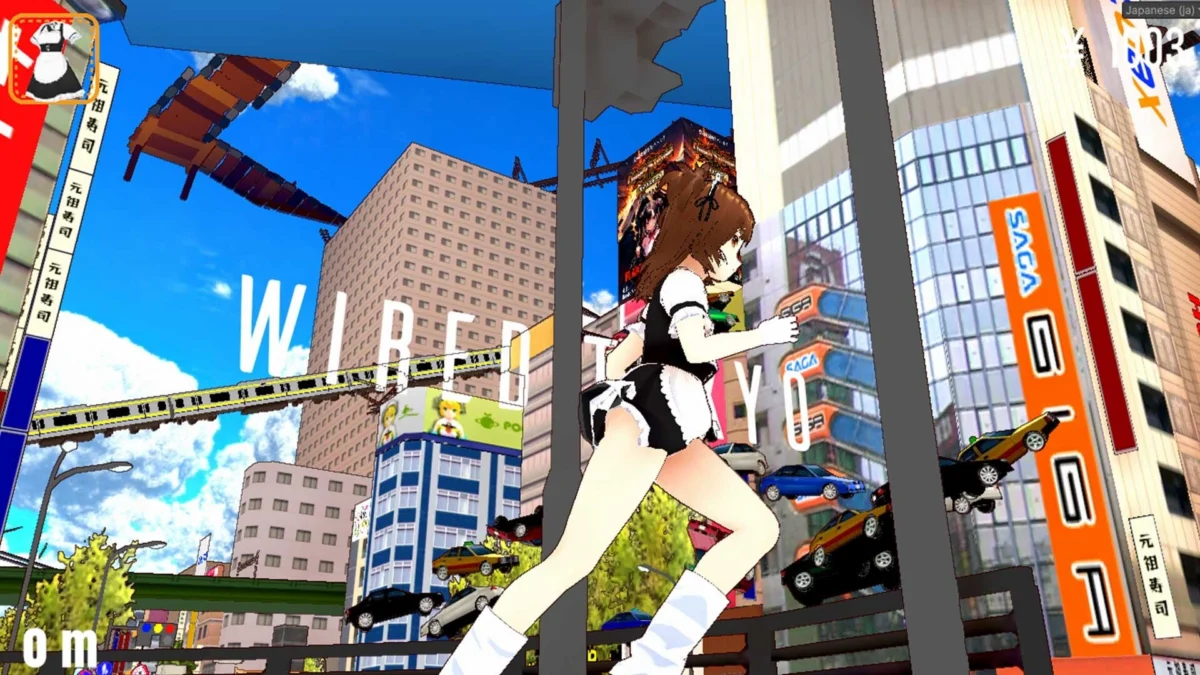
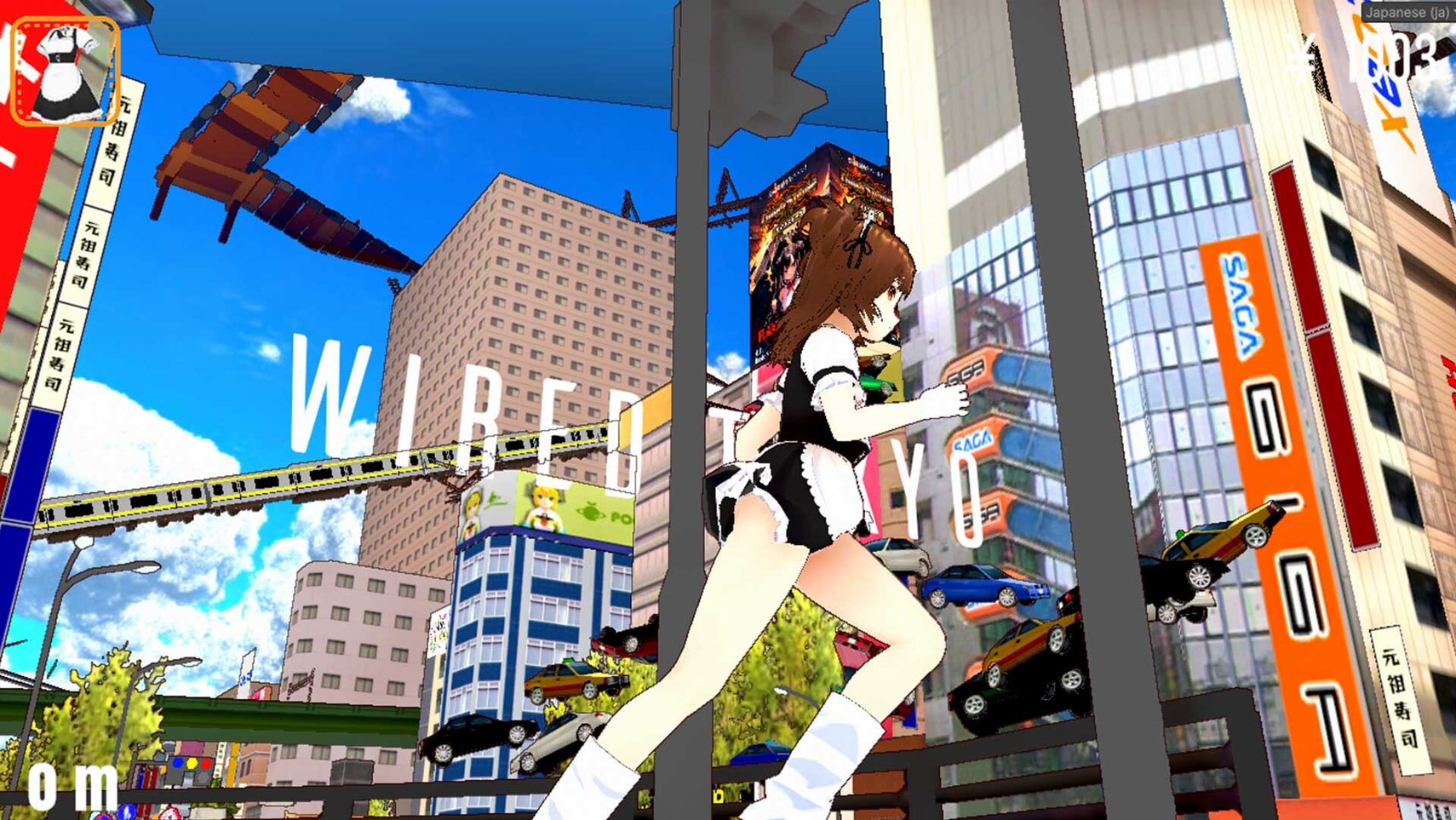
Wired Tokyo 2007 is an aesthetic-driven indie title that blends elements of cyberpunk culture with a distinct mid-2000s Japanese urban atmosphere. The game features an anime-style protagonist in a maid outfit navigating a vibrant, neon-lit cityscape characterized by floating vehicles and dense advertising. As is common in independent development, the creator, operating under the moniker Digital Ramen Studio, sought to create a cohesive universe by including "easter eggs" and references to their previous works.
The specific items flagged by Steam’s moderation team are in-game representations of board games titled "Second Best" and "Dinostone." These items appear as environmental objects—background assets intended to flesh out the world-building of the Tokyo setting. Steam’s review process identified these board games as existing intellectual properties and concluded that Daikichi_EMP did not have the requisite rights to display them in a commercial product.
The irony of the situation lies in the fact that Daikichi_EMP is the original creator and copyright holder of both Second Best and Dinostone. However, because these previous works were released under different branding or through different channels, Steam’s automated and manual verification systems flagged them as "third-party" content. This has resulted in a bureaucratic stalemate where the developer must prove their identity to the satisfaction of a global corporation that manages tens of thousands of individual creator accounts.
Chronology of the Steam Review Conflict
The conflict began in late April 2024, when Daikichi_EMP submitted the demo version of Wired Tokyo 2007 for the standard Steamworks review process. This process is mandatory for all games on the platform to ensure they meet technical standards and do not violate legal or community guidelines.
On April 29, the developer received notice that the demo had been rejected. The rejection letter explicitly cited the presence of "board game objects" that appeared to be the property of another entity. Valve’s support team requested that the developer either remove the assets or provide legal documentation proving they had been granted a license to use the IP.
Daikichi_EMP took to social media platform X (formerly Twitter) to express their frustration, stating that the motif of the board games was something they personally created in the past. "It’s not a third party—it’s just me wanting to use my own intellectual property rights myself," the developer explained in a post that quickly gained traction within the Japanese indie gaming community.
By April 30, the story was picked up by major Japanese gaming news outlets, including Game Spark and Automaton Media. Despite the public attention, the developer remained in a state of "approval limbo." On May 1, Daikichi_EMP reported that they had attempted to explain the situation to Steam support, but the platform remained unconvinced, continuing to demand formal legal proof or confirmation from a legal representative—a costly and complex requirement for a solo indie developer.
In a final attempt to resolve the issue without compromising the artistic integrity of the game, the developer recently resubmitted the demo. Included in this new submission was a formal document where Daikichi_EMP, acting as the owner of the original board game IPs, granted "permission" to themselves to use the assets in Wired Tokyo 2007. As of this writing, the demo remains in the "Coming Soon" category on the Steam store, pending a secondary review of this self-granted license.
The Technicalities of Steam’s IP Verification
Valve’s strict stance on intellectual property is a direct response to the increasing volume of "asset flips" and copyright-infringing content that has historically plagued digital storefronts. Steam employs a combination of automated image-matching algorithms and human reviewers to scan for unauthorized use of logos, characters, and trademarked items.
In the case of Wired Tokyo 2007, the "Second Best" and "Dinostone" board games likely triggered a match in an internal database or through a standard web search. When a reviewer sees a professional-looking logo or a product that exists elsewhere on the internet, the default protocol is to assume the developer is using it without permission unless a prior licensing agreement is on file with Steamworks.
For solo developers, this creates a "guilty until proven innocent" environment. While large publishers have legal departments to handle "Chain of Title" documentation—the series of documents that establish a person’s or company’s ownership of a piece of intellectual property—indie creators often lack the formal paperwork necessary to satisfy a corporate legal review.
Supporting Data: The Rising Pressure on Indie Moderation
The incident involving Wired Tokyo 2007 highlights a growing trend in the gaming industry where automated moderation systems struggle with the nuances of creator identity. According to data from SteamDB, over 14,000 games were released on Steam in 2023 alone, averaging nearly 40 games per day. This sheer volume necessitates the use of AI and automated scanning tools, which are prone to false positives.
Furthermore, Valve updated its policies regarding AI-generated content and copyright in early 2024, requiring developers to disclose the use of AI and prove they have the rights to the training data or the output. This heightened sensitivity toward copyright has made the review process more stringent across the board, inadvertently catching legitimate creators in the net.
A survey of indie developers conducted by various industry groups suggests that "administrative delays" are now the third most common reason for missed launch dates, following technical bugs and funding issues. For a solo developer like Daikichi_EMP, a delay in a demo release can derail a marketing campaign and result in a loss of "wishlist" momentum, which is critical for a game’s success on Steam’s visibility algorithms.
Broader Implications for the Indie Development Community
The "Wired Tokyo 2007" case serves as a cautionary tale for developers who operate under multiple pseudonyms or who wish to create a shared universe across different titles. It raises several critical questions about the future of digital distribution:
- The Burden of Proof: Currently, the burden of proof rests entirely on the creator. In a landscape where creators often use different names for their studio (Digital Ramen Studio) and their personal identity (Daikichi_EMP), platforms need more robust ways to link these identities.
- The Need for Human Intervention: Developers have criticized Steam’s support system for being overly reliant on templated responses. The fact that Daikichi_EMP had to "grant themselves permission" highlights a failure in the communication channel between the platform and the creator.
- Legal Accessibility: Most indie developers do not have "legal representation" to provide the confirmation Steam requires. If digital storefronts continue to demand high-level legal documentation for minor assets, it could create a barrier to entry that favors established studios over creative individuals.
Analysis of Potential Outcomes
There are three likely paths forward for Wired Tokyo 2007. The first, and most ideal, is that Steam’s review team accepts the self-signed license and recognizes the developer’s ownership, allowing the demo to go live. This would set a minor but important precedent for solo creators on the platform.
The second possibility is that the developer is forced to capitulate and remove the assets. Daikichi_EMP expressed a strong reluctance to do this, stating, "This is my own work… there’s absolutely no reason I should have to do that." Removing the assets would be a blow to the developer’s creative vision and a concession to a flawed verification process.
The third possibility is a prolonged stalemate. If Steam continues to demand "legal representation" that the developer cannot afford, Wired Tokyo 2007 may remain in "Coming Soon" limbo indefinitely, or the developer may be forced to seek alternative platforms like Itch.io or Epic Games Store, which have different (though not necessarily more lenient) review protocols.
Conclusion and Current Status
As of today, the Wired Tokyo 2007 demo remains unavailable for download. The developer continues to wait for a human response from Valve that acknowledges the unique nature of the "self-infringement" claim. The situation has sparked a debate within the developer community regarding the "Kafkaesque" nature of modern digital marketplaces, where the tools designed to protect creators from theft are now being used to prevent them from using their own creations.
The global indie community continues to monitor the situation, as the resolution of this dispute will likely influence how Steam handles similar "internal IP" references in the future. For now, Daikichi_EMP remains a developer caught in a digital catch-22, holding the keys to their own property but unable to open the door to their audience.