


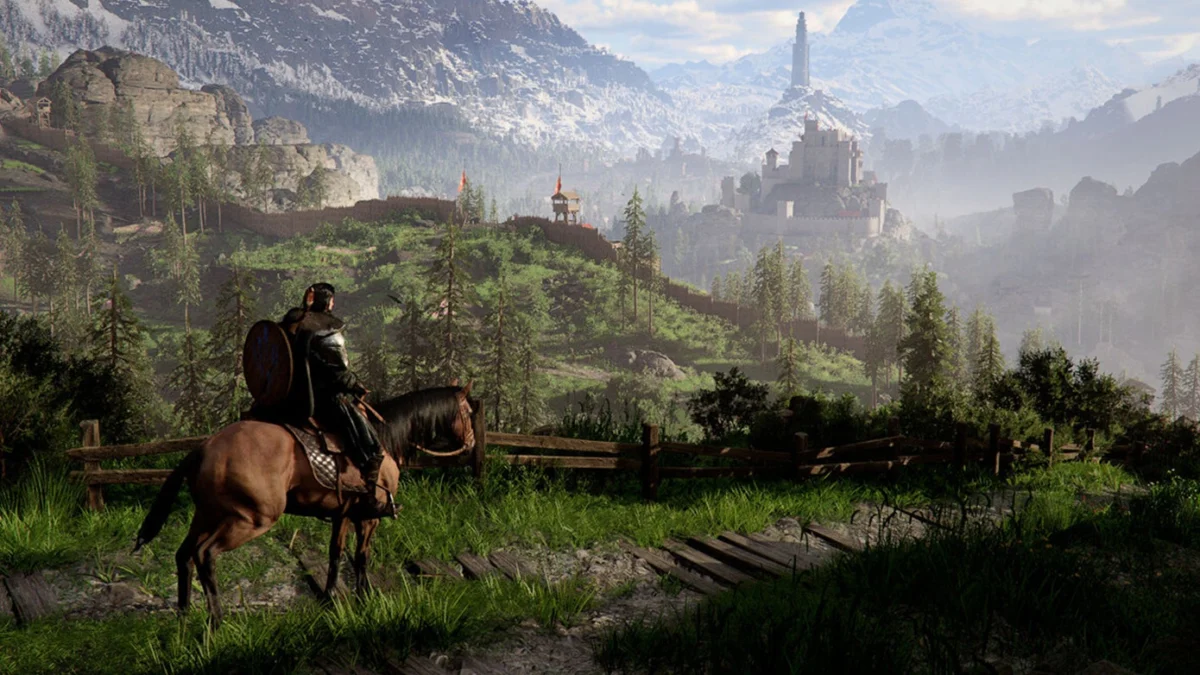
Pearl Abyss has officially deployed Version 1.05.00 for its flagship open-world action-RPG, Crimson Desert, marking the most significant post-launch expansion of the game’s mechanical depth to date. This update introduces two pivotal gameplay systems—Rematch and Re-blockade—alongside the inclusion of legendary creatures that players can now tame and maintain as companions. These additions are designed to address critical feedback regarding the game’s longevity and the density of combat encounters in the late-game stages. By implementing these features, the South Korean developer aims to ensure that the sprawling continent of Pywel remains a volatile and engaging environment even after the primary narrative arcs have been concluded.
The 1.05.00 patch is currently being distributed across all supported platforms, including Windows PC and macOS via Steam, as well as PlayStation 5 and Xbox Series X|S. This release follows a period of unprecedented commercial success for the title, which has solidified Pearl Abyss’s position as a major contender in the global "AAA" gaming market. The studio has emphasized that this update is not merely a collection of bug fixes but the foundational layer of a broader strategy to "progressively refine the content and craft a deeper world," signaling a long-term commitment to the live-service evolution of the single-player experience.
The Architecture of End-Game Retention: Rematch and Re-blockade
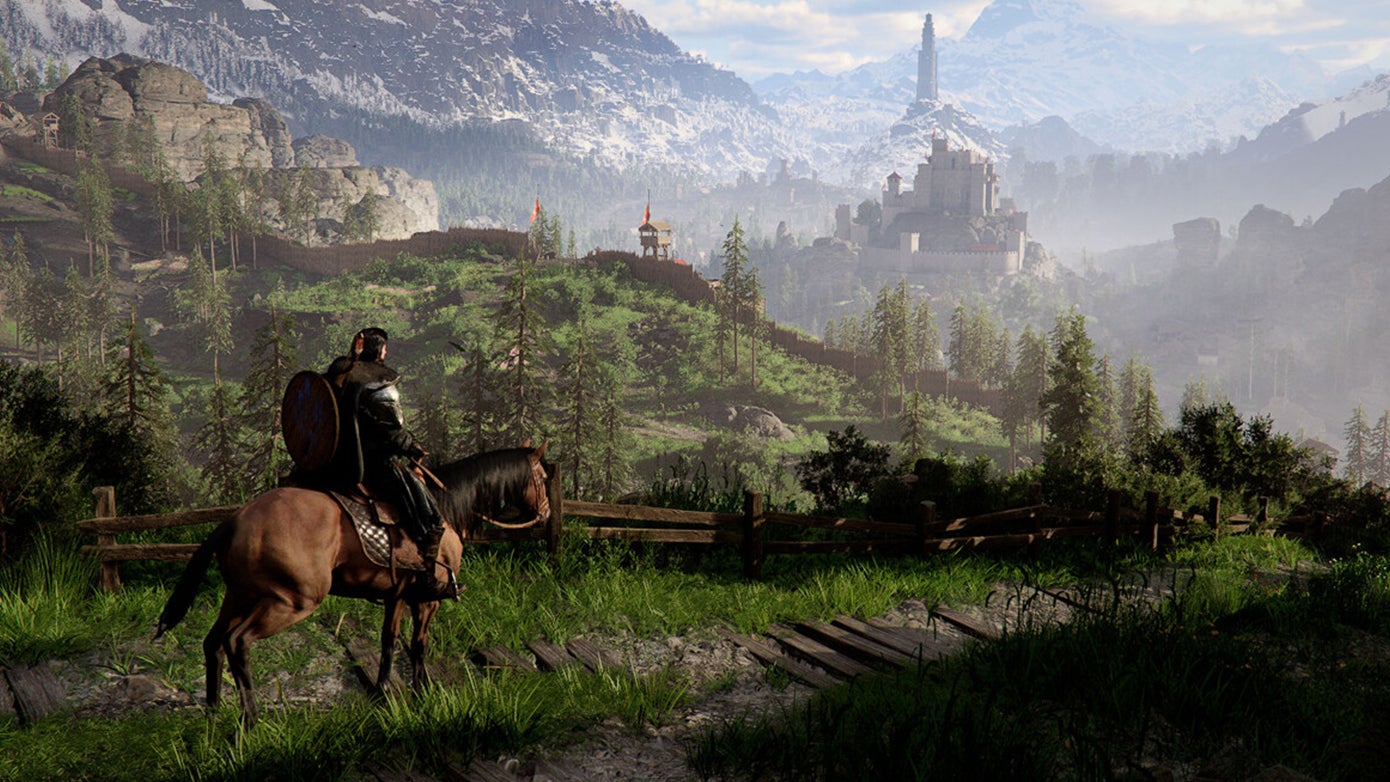
The primary focus of Version 1.05.00 is the introduction of the Rematch and Re-blockade systems. These mechanics were developed specifically to counteract "end-game stagnation," a common phenomenon in open-world titles where the world becomes progressively safer and less interactive as the player clears objectives. In Crimson Desert, the narrative involves the liberation of various regions from oppressive factions. While this provides a sense of progression, players noted that it led to a noticeable decrease in combat opportunities once territories were secured.
The Rematch system allows players to revisit high-stakes encounters with major bosses and elite enemies under modified conditions. This provides an avenue for players to test new equipment and skill builds against familiar foes who have been scaled in difficulty to match end-game power levels. Complementing this is the Re-blockade feature, a dynamic world event system where liberated regions can once again fall under the influence of hostile forces. These "blockades" require players to return to previously cleared areas to dismantle new enemy fortifications and defensive lines.
According to a statement from Pearl Abyss, these systems are intended to keep the "sense of challenge alive." The developer noted that the current implementation is the "first step" in a multi-phase rollout. Future updates are expected to add procedural elements to these blockades, ensuring that no two re-liberation efforts feel identical. This approach mimics the "emergent gameplay" seen in contemporary sandbox titles, where the world reacts to the player’s presence and history.
Legendary Companions and Biodiversity Expansion
Beyond the systemic changes to combat, Patch 1.05.00 introduces a new layer of world interaction through legendary creatures. Players can now encounter rare, high-tier wildlife that possesses unique attributes and visual designs. Unlike standard fauna found throughout Pywel, these legendary creatures can be tamed and kept as pets, offering both aesthetic flair and functional utility during exploration.
The addition of these creatures serves two purposes: it encourages thorough exploration of the game’s more remote biomes and adds a collection-based meta-game for completionists. Pearl Abyss has indicated that the roster of keepable creatures will expand in subsequent patches, with some potentially offering specialized buffs or traversal abilities. This move aligns with the studio’s history of complex animal husbandry and mount systems, a hallmark of their previous work on the massively multiplayer online (MMO) title, Black Desert Online.
Technical Improvements and Quality of Life Enhancements
While the new content headlines the update, Version 1.05.00 includes a comprehensive suite of technical refinements. The patch notes detail extensive work on the "Combat and Action" front, specifically targeting animation blending and input latency. These tweaks ensure that the game’s physics-heavy combat remains fluid during the high-density encounters introduced by the Re-blockade system.
The User Interface (UI) has also seen significant revisions. Pearl Abyss has implemented "UI Fixes & Improvements" aimed at streamlining inventory management and clarifying the map markers for the new dynamic events. On the technical side, the update addresses stability issues on both PC and console versions, with specific optimizations for the Mac version to better utilize Apple’s Metal graphics API. Localization efforts have also been bolstered, with updated text strings for multiple languages to ensure that the new lore entries associated with legendary creatures are accurately represented across all regions.
Commercial Success and Corporate Milestones
The release of Patch 1.05.00 comes on the heels of a remarkable commercial performance for Crimson Desert. Within approximately two weeks of its global launch, the game surpassed four million units sold worldwide. This milestone is particularly significant given that Crimson Desert represents Pearl Abyss’s first major foray into the single-player console market, moving away from the free-to-play MMO model that previously defined the company’s revenue streams.
In recognition of this success, Pearl Abyss leadership recently announced a significant "success bonus" for its workforce. Every employee at the company received a one-time payment of approximately $3,400 USD (roughly 4.5 million Korean Won). This gesture has been viewed by industry analysts as an effort to retain talent and boost morale following a grueling multi-year development cycle. The bonus scheme is a rarity in the global gaming industry, which has recently been characterized by widespread layoffs and studio closures.
Geopolitical Impact and the "K-Game" Movement
Crimson Desert’s success has transcended the gaming community, garnering attention from the highest levels of the South Korean government. Prime Minister Han Duck-soo recently praised the game and the studio for their contribution to South Korea’s cultural exports. The Prime Minister’s remarks highlight a broader national strategy to diversify the country’s gaming industry. Traditionally dominated by mobile-centric "gacha" games and PC-based MMOs, the South Korean industry is currently undergoing a pivot toward high-fidelity, single-player "AAA" experiences for the global console market.
Following the international success of titles like Neowiz’s Lies of P and Shift Up’s Stellar Blade, Crimson Desert is seen as the third pillar of this new era of Korean game development. The game’s ability to compete directly with established Western and Japanese franchises in the open-world genre has been cited as a point of national pride. The South Korean government has signaled its intent to further support this sector through tax incentives and infrastructure investment, viewing video games as a vital component of the "Hallyu" (Korean Wave) alongside K-pop and K-drama.
Historical Context: From MMO to Action-RPG
The journey of Crimson Desert to its current state has been one of significant transformation. Initially announced at G-Star 2019, the project was originally conceived as a prequel to Black Desert Online. However, as development progressed, Pearl Abyss made the strategic decision to pivot the project into a standalone, narrative-driven action-RPG. This shift allowed the team to focus on cinematic storytelling and high-fidelity physics-based combat that would not have been possible within the constraints of a traditional MMO server architecture.
The game is powered by the proprietary "BlackSpace Engine," a custom-built technology developed by Pearl Abyss to handle large-scale environments, complex weather systems, and advanced character rendering. The engine’s capabilities were first showcased to the public during a viral trailer at Gamescom 2023, which set high expectations for the game’s visual fidelity and environmental interactivity. The 1.05.00 patch represents the continued evolution of this engine, as the developers push the boundaries of what the hardware can achieve in terms of world density and dynamic event processing.
Future Outlook and Strategic Implications
The "progressive refinement" mentioned in the patch notes suggests that Pearl Abyss is adopting a "hybrid" model for Crimson Desert—treating a single-player game with the post-launch vigor typically reserved for live-service titles. This strategy is likely aimed at maintaining high player engagement numbers, which can lead to sustained long-tail sales and potential revenue from future paid expansions or downloadable content (DLC).
Industry observers suggest that the Re-blockade system could be the precursor to a more complex faction-warfare mechanic, potentially involving the player-managed mercenary bands that are central to the game’s lore. By keeping the world in a state of flux, Pearl Abyss avoids the "one-and-done" nature of many narrative RPGs, encouraging players to keep the game installed and active on their systems.
As the 1.05.00 update settles into the hands of the global player base, the focus now shifts to the developer’s roadmap for the remainder of the year. With a healthy sales cushion and political backing, Pearl Abyss is well-positioned to continue its expansion of the Crimson Desert universe. For the millions of players currently roaming the plains and peaks of Pywel, this patch is a clear indication that their journey is far from over, and that the world they have fought to liberate will continue to challenge them in new and unexpected ways.