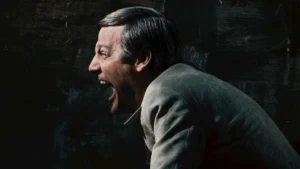
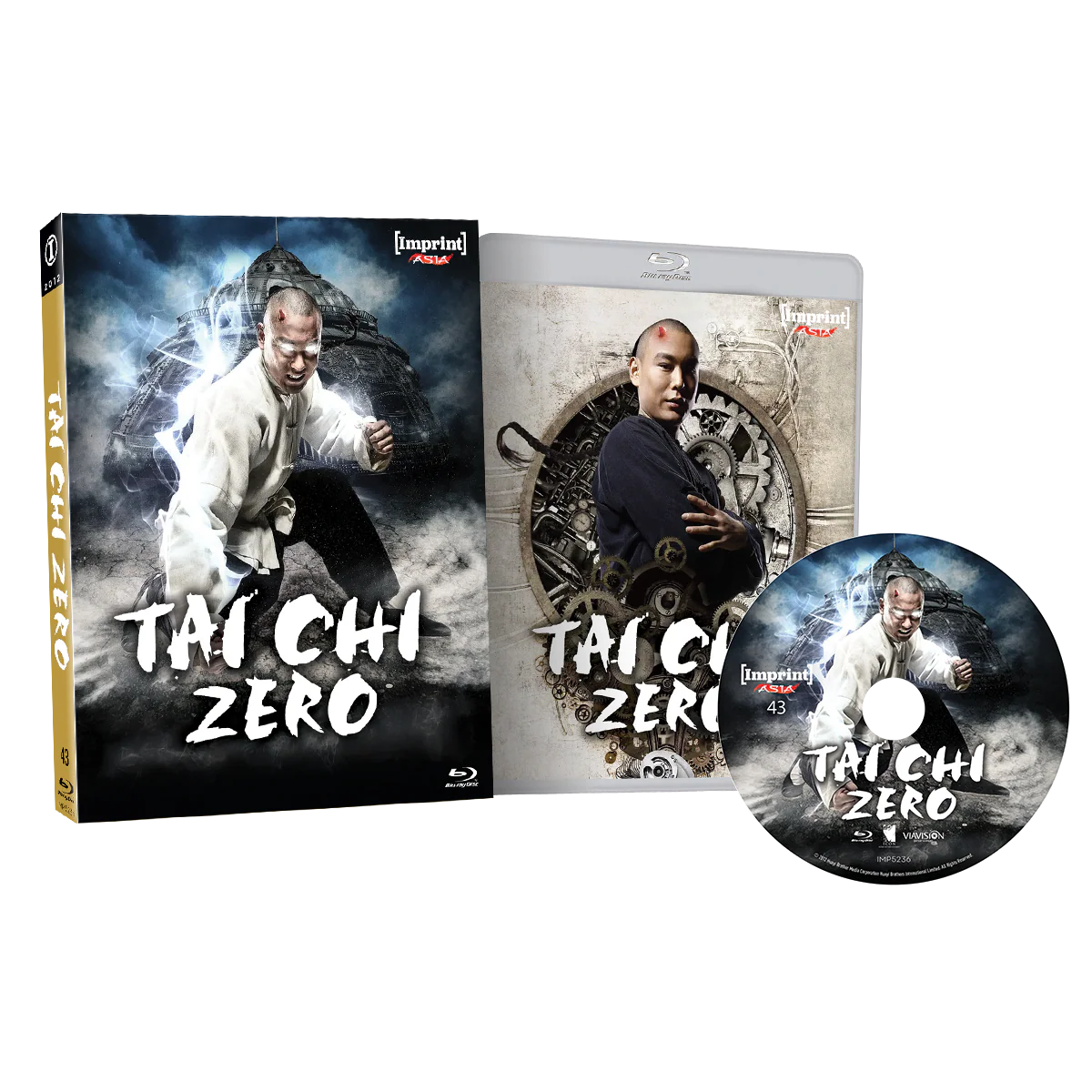
The ambitious cinematic endeavor that is Tai Chi Zero, released in 2012, not only marked the directorial debut of acclaimed actor Stephen Fung but also signaled the grand opening of Diversion Pictures, a production company he co-founded with fellow actor Daniel Wu. This visually striking 3D martial arts film was meticulously crafted as the inaugural chapter of a planned trilogy, with its immediate successor, Tai Chi Hero, shot back-to-back. While a third installment, tentatively titled Tai Chi Summit, was envisioned to conclude the saga, its realization remains pending, leaving audiences to ponder the full scope of Fung’s ambitious narrative arc.
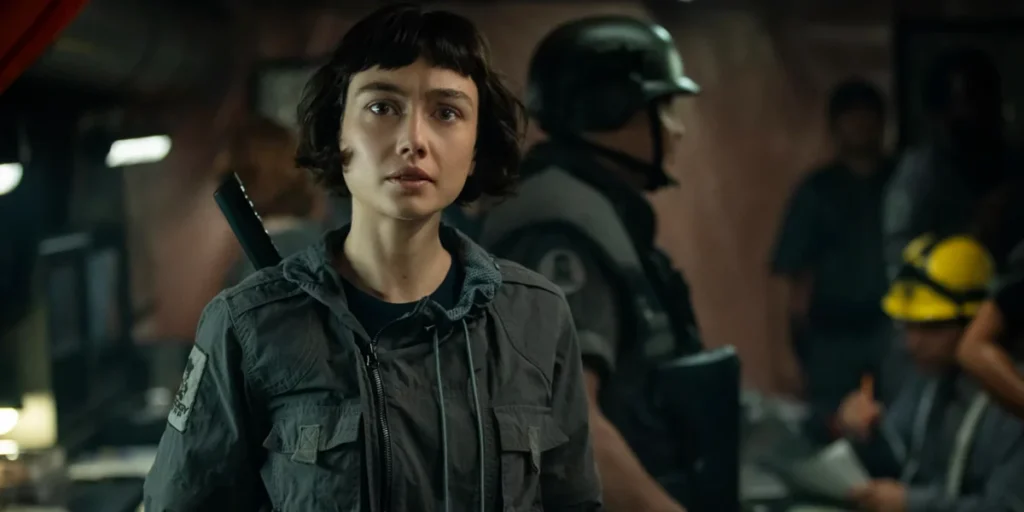
The core narrative of Tai Chi Zero offers a compellingly fictionalized account of how the revered Chen-style tai chi, a martial art steeped in centuries of tradition and exclusivity, was first disseminated beyond the insular confines of the Chen family. Fung and his creative team masterfully weave together historical inspirations with elements of fantasy, all presented through a contemporary and often bombastic visual lens. A pivotal aspect of the film’s introduction was its presentation of wushu champion Jayden Yuan in his acting debut, positioning him as a fresh and dynamic force in the martial arts cinema landscape. He shares the screen with a formidable ensemble cast that includes the charismatic Angelababy, the versatile Eddie Peng, the iconic Shu Qi, and the veteran actor Tony Leung Ka-fai, each contributing their considerable talents to the film’s rich tapestry.
The film garnered significant international acclaim and exposure through its selection as an official screening at prestigious film festivals, including the Venice Film Festival, the Toronto International Film Festival, and the Busan International Film Festival. These high-profile premieres provided a global platform, allowing international audiences and critics to engage with its unique blend of traditional martial arts and modern cinematic techniques. Commercially, Tai Chi Zero achieved a solid performance within the highly competitive Chinese market, a success attributed to its high-concept spectacle and its broad appeal across different demographics. Internationally, the film also garnered considerable attention, largely due to its distinctive hybrid style that fused martial arts prowess with steampunk-inspired visual elements and fantastical plot devices.
Narrative Genesis: The Unlikely Protagonist and the Quest for Mastery
At the heart of Tai Chi Zero lies the compelling story of Yang Lu Chan, a young man burdened by a peculiar and potentially fatal condition. Known ominously as "The Freak," Lu Chan was born with a rare anomaly dubbed the "Three Blossoms on the Crown," which manifests as a horn-like growth on his head. This physical characteristic is intrinsically linked to his combat abilities; whenever he sustains a blow, he enters a berserk state, unleashing an uncontrollable torrent of strength. While this grants him formidable martial prowess, it comes at a significant cost to his own health, creating a dangerous dichotomy between his power and his survival.
Lu Chan’s formative years were marked by profound trauma, including the tragic death of his mother and his subsequent conscription into the shadowy Divine Truth Cult. Under the manipulative tutelage of Lao Zhao, his exceptional abilities were exploited for military gain. However, a stark revelation from a physician delivered a dire prognosis: the continued unfettered use of his extraordinary power would ultimately lead to his demise. This grim prognosis spurred Lu Chan’s quest for salvation, leading him to seek refuge and, more importantly, the ancient secrets of Chen Village, the secluded and hallowed ground where Chen-style tai chi has been meticulously preserved for generations.
Upon his arrival at Chen Village, Lu Chan encounters a formidable barrier: a staunch refusal from the village elders. The sacred martial art of Chen-style tai chi is strictly forbidden to outsiders, a tradition deeply ingrained in the village’s ethos. Despite facing repeated rejections, humiliation, and physical defeats at the hands of the villagers, Lu Chan’s unwavering persistence begins to chip away at their resolve. More crucially, his observant nature allows him to gradually comprehend and, astonishingly, mimic the intricate techniques he witnesses. This remarkable ability to learn through direct imitation becomes his most potent weapon in his pursuit of mastery.
Concurrently, the insular tranquility of Chen Village is shattered by the return of Fang Zijing, a former resident who has since embraced Western technological advancements. Ostracized for his unconventional pursuits, Zijing returns with a burning desire for revenge, armed with a colossal steam-powered war machine he calls "Troy." Bolstered by foreign influence and a penchant for destruction, he poses an existential threat to the very fabric of Chen Village. Caught between his desperate struggle for acceptance and the impending annihilation of his potential sanctuary, Lu Chan finds himself inextricably entangled in the escalating conflict. His ultimate challenge becomes protecting the village from Zijing’s onslaught, a feat that he believes will not only prove his worth but also grant him access to the life-saving knowledge of tai chi.
A Star-Studded Ensemble and a Genre-Bending Spectacle
The casting of Tai Chi Zero represents a significant coup for the martial arts genre, assembling a roster of talent that reads like a who’s who of Hong Kong cinema. Beyond the prominent roles played by Angelababy, Eddie Peng, Shu Qi, and Tony Leung Ka-fai, the film is further elevated by the presence of numerous wuxia veterans. Stalwarts such as Fung Hak-on, Stanley Fung, Bruce Leung Siu-lung, and Andrew Lau contribute their seasoned expertise, while the legendary Sammo Hung takes on the crucial role of action choreographer, lending his unparalleled vision to the film’s fight sequences. The filmmakers even opted to introduce many of these esteemed figures with intertitles, highlighting their individual accolades and contributions to cinema, a testament to their legendary status. Andrew Lau, for instance, is prominently referenced as the visionary director behind the groundbreaking crime drama Infernal Affairs.
However, as is often the case with productions aiming to accommodate such an extensive ensemble of established stars, the narrative structure of Tai Chi Zero occasionally falters. The story unfolds in a somewhat episodic fashion, with multiple narrative threads that, while individually engaging, do not always coalesce seamlessly, resulting in a complex yet occasionally disjointed overall structure. This intricate plotting, while ambitious, can sometimes leave viewers navigating a labyrinth of loosely connected arcs.
The action choreography, while benefiting from Sammo Hung’s involvement, presents a stylistic dichotomy that can be perceived as uneven. The film oscillates between moments of overt comedy, reminiscent of the signature slapstick and inventive humor of Stephen Chow, and more grounded, dramatic martial arts sequences. While these shifts provide variety, they yield mixed results, sometimes disrupting the film’s tonal consistency despite the inherent skill on display.
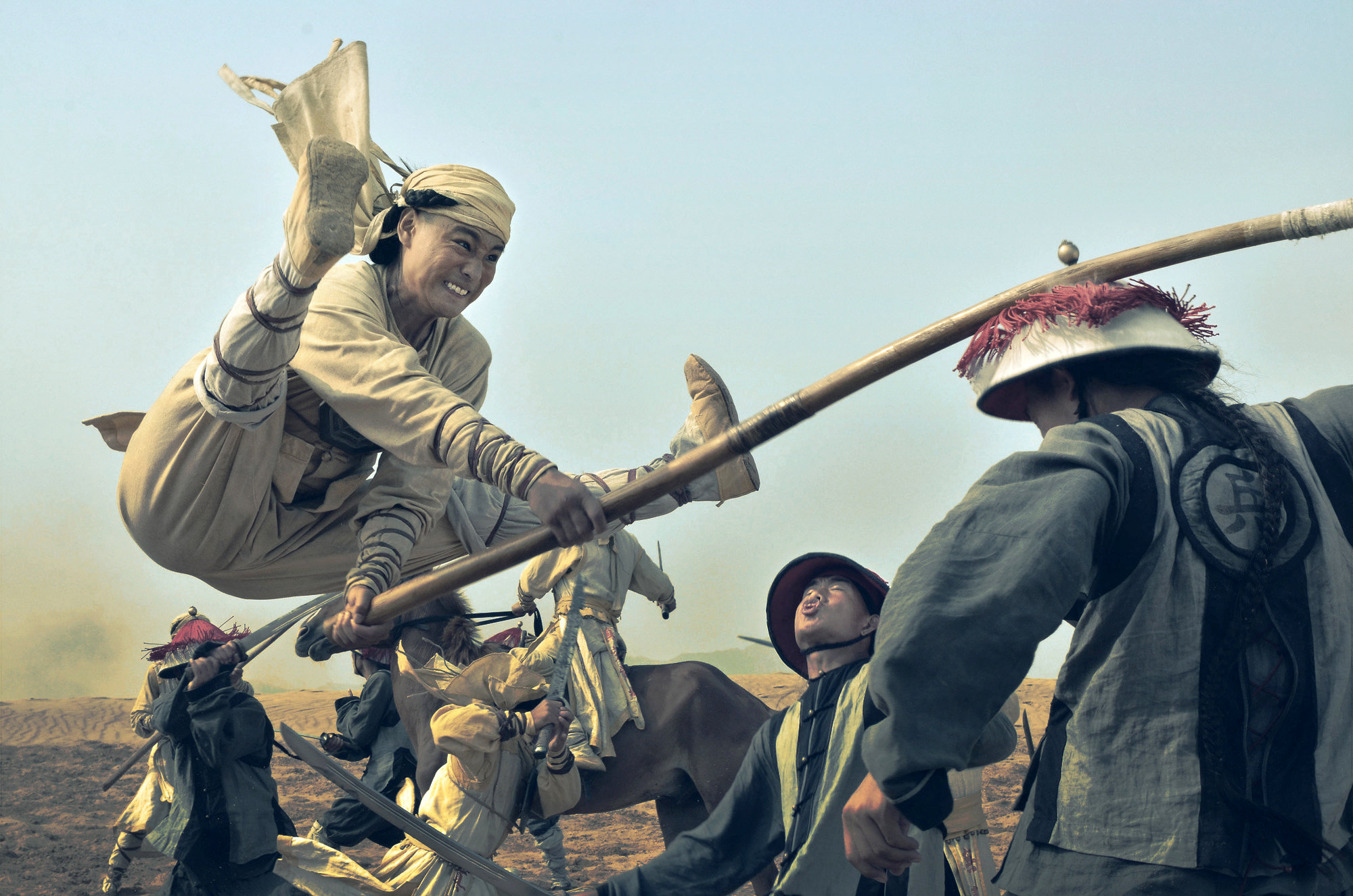
Thematic Undercurrents and Visual Innovation
A distinctive element that injects a unique brand of entertainment into Tai Chi Zero is the inclusion of the colossal steam-powered war machine, Troy. Despite its inherent fantastical nature and questionable adherence to realistic mechanics, the war machine serves as a potent visual spectacle and a catalyst for thematic exploration. Its presence opens avenues for commentary on the clash between tradition and burgeoning industrial progress, a central tension that resonates throughout the film.
This core conflict is further amplified by the juxtaposition of traditional Chinese values against the encroaching influence of Western ideologies and technologies. This compelling antithesis forms the narrative bedrock, sustaining audience engagement for a significant portion of the film’s runtime. The romantic subplot, intricately woven between Fang Zijing and Chen Yu Niang, further enriches this thematic landscape. This romantic entanglement not only enhances the film’s entertainment value but also provides a more nuanced exploration of the characters portrayed by Eddie Peng and Angelababy, adding emotional depth to the overarching narrative.
Performances and Production Prowess
While character development might not be the paramount focus of Tai Chi Zero, the performances delivered are largely commendable, contributing significantly to the film’s appeal. Xiaochao Yuan, in his acting debut, delivers a convincing portrayal of Yang Lu Chan, effectively embodying the protagonist’s inherent kindness, his determined spirit, and the internal turmoil stemming from his unique condition. Tony Leung Ka-fai, assuming the role of the wise mentor figure, commands the screen with his undeniable presence, offering gravitas and depth to his character. Shu Qi, despite a relatively brief appearance, makes a memorable impact with her characteristic poise and intensity. Stanley Fung delivers a solid performance as one of the village elders, representing the entrenched traditionalism of Chen Village.
From a production standpoint, Tai Chi Zero is undoubtedly a polished and visually arresting film, even beyond its intended 3D presentation. Cinematographer Lai Yiu-Fai crafts a series of striking and memorable images, capturing the diverse settings with impressive artistry. The seamless integration of CGI further enhances the film’s visual spectacle, contributing to its grand scale and fantastical elements. The deliberate adoption of a video game-like aesthetic throughout the film proves remarkably effective, enhancing the immersive quality of the action and the fantastical elements. Furthermore, a flashback sequence depicting Yang Lu Chan’s traumatic past is presented in a distinct silent film style, offering a creative and evocative narrative device. The editing, handled by a team of multiple editors, contributes to the film’s brisk pacing and dynamic rhythm. Frequent, abrupt cuts, while potentially jarring to some, effectively mask certain structural inconsistencies and maintain a high level of energy throughout the narrative.
Critical Reception and Commercial Performance
Upon its release, Tai Chi Zero was met with a bifurcated critical reception. While some lauded its visual inventiveness, ambitious scope, and energetic action, others pointed to its sometimes convoluted narrative and tonal inconsistencies. However, its commercial performance in China was robust, exceeding initial expectations and demonstrating a strong audience appetite for its unique blend of martial arts, steampunk, and historical fantasy. The film’s international festival circuit screenings also generated considerable buzz, positioning it as a significant entry in the global martial arts cinema landscape.
The film’s performance can be analyzed against the backdrop of the evolving Chinese film industry in the early 2010s, which saw an increasing demand for visually impressive, high-concept blockbusters. Tai Chi Zero tapped into this trend, offering a fresh take on traditional martial arts tropes with a modern, visually dynamic approach. Its success paved the way for subsequent ambitious projects from Diversion Pictures and further cemented Stephen Fung’s reputation as a director with a distinct visual flair and a knack for ambitious storytelling.
Legacy and Future Prospects
Tai Chi Zero stands as a testament to Stephen Fung’s directorial vision and the collaborative spirit of its impressive cast and crew. While the full realization of the intended trilogy remains uncertain, the film has carved out a unique niche for itself in the martial arts genre. It is often described as a film that leans into the "so bad it’s good" territory, yet it undeniably remains an entertaining spectacle. This enduring appeal is largely attributable to the considerable star power on display and its audacious and visually impressive approach to filmmaking. The film’s lasting impact lies in its bold experimentation with genre conventions and its contribution to the ongoing evolution of martial arts cinema, pushing boundaries and offering a vibrant, if sometimes chaotic, cinematic experience. The potential for a concluding chapter, Tai Chi Summit, continues to be a point of discussion among fans, who remain hopeful that Fung will eventually bring his ambitious saga to a definitive close.