


Udine, Italy – The prestigious Udine Far East Film Festival (FEFF) is set to host the international premiere of "Unexpected Family," a poignant directorial debut from Li Taiyan that is already generating significant buzz for its ambitious narrative and the remarkable departure of martial arts icon Jackie Chan from his established on-screen persona. This feature film, penned and helmed by Li, represents a bold exploration of familial bonds, the challenges of urban displacement, and the growing realities of cognitive decline in an aging global population, all woven into a narrative that balances heartfelt drama with moments of gentle humor.
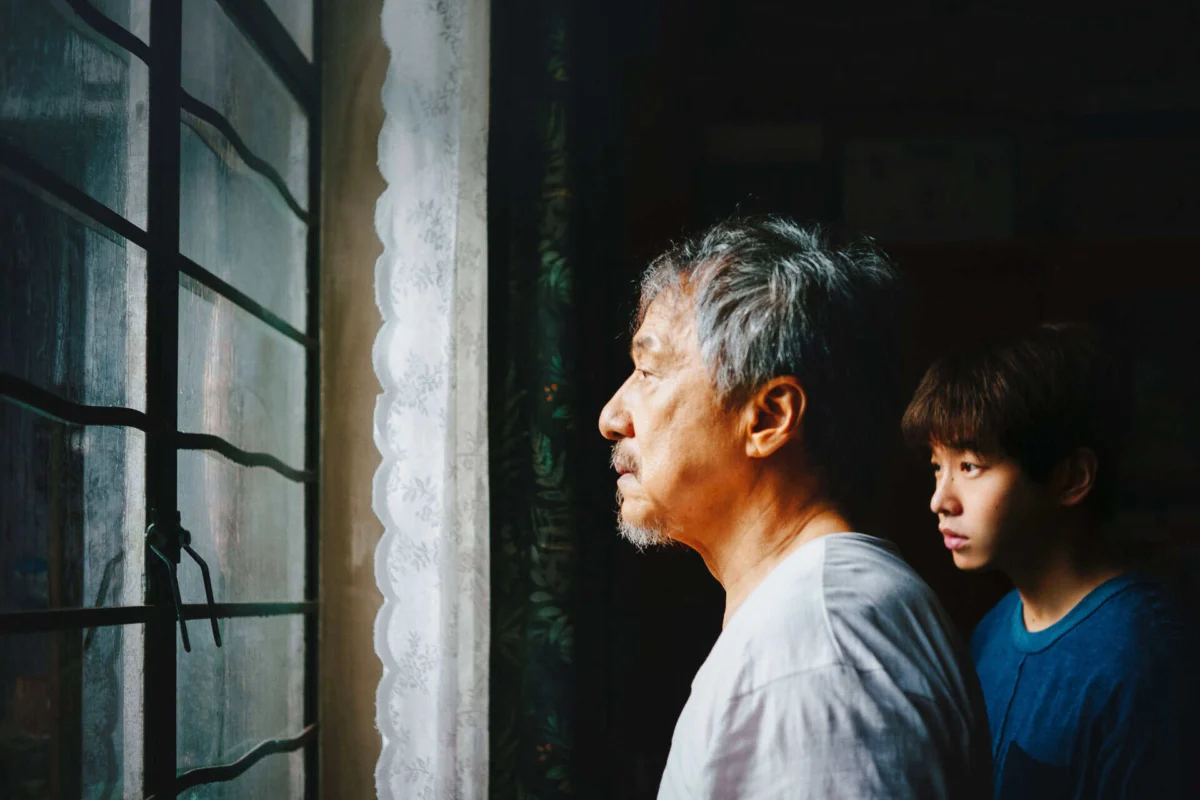
The film centers on Zhong Bufan (Peng Yuchang), a young, impoverished man journeying to the bustling metropolis of Wuhan. His solemn mission is to transport his grandmother’s ashes, seeking a final resting place for the woman who became his sole guardian after he lost both parents in his early childhood. Wuhan, however, proves an overwhelming prospect for the small-town newcomer, presenting immediate challenges in securing employment and financial stability. A stroke of fortune arrives in the form of Mr. Jia (Pan Binlong), the proprietor of a car-wash garage. Jia, depicted as a benevolent rogue, not only offers Bufan a job but also arranges temporary accommodation in the apartment of his old friend, Ren Jiqing (Jackie Chan). Ren, a widower in his senior years, is a former weightlifting trainer whose robust physical condition belies the early onset of cognitive impairment, specifically exhibiting symptoms consistent with Alzheimer’s disease.
As Bufan settles into his new surroundings, he quickly observes a unique dynamic among the individuals who orbit Ren Jiqing. Jia, along with a young woman named Su (Karlina Zhang) and a neighbor, Auntie Jin (Li Ping), form a collective support system for Ren. Their efforts are dedicated to mitigating the impact of his dementia and creating a semblance of family for him. This arrangement, while beneficial for Ren, also serves to alleviate the solitude that permeates their own lives in the vastness of the city. Bufan’s integration into this "unexpected family" is solidified when, following a minor head injury, Ren begins to mistake him for his long-estranged son, Zhuang Zhuang (Huang Yan). Initially confused and hesitant, Bufan is persuaded by the group to play along, aiming to enhance Ren’s well-being and happiness. However, as Ren’s condition progressively deteriorates, the makeshift family finds itself compelled to devise a more comprehensive and impactful plan to support him.
A Director’s Vision: Blending Tradition with Contemporary Concerns
Director Li Taiyan’s "Unexpected Family" exhibits the hallmarks of a successful Lunar New Year film, a genre deeply ingrained in Chinese cinematic tradition. It skillfully incorporates elements of comedy and drama, placing a strong emphasis on the enduring significance of family ties and the universally resonant theme of homecoming. Beyond its genre conventions, the film tackles several pressing contemporary issues. It reflects the growing disconnection from familial relationships in rapidly modernizing urban environments, a phenomenon not unique to China but observed globally. Furthermore, it addresses the increasing prevalence of cognitive decline, a consequence of enhanced longevity that allows age-related conditions like Alzheimer’s to manifest more frequently. The film artfully navigates the intersection of these societal trends and the resultant challenges in patient care. Crucially, "Unexpected Family" maintains a light touch, successfully balancing these somber considerations with moments for reflection, gentle humor, and instances that evoke genuine emotion.
The evolving concept of family in the face of urbanization and societal transformation is a central theme. The film probes the essence of kinship – whether defined by blood or by shared experience, by nature or by nurture. This exploration echoes the thematic territory explored by directors like Hirokazu Kore-eda and more recent works such as "Rental Family." "Unexpected Family" distinguishes itself through its unconventional casting choice: Jackie Chan portraying a character living with dementia. This casting decision not only offers a fresh perspective on the actor’s capabilities but also provides fertile ground for comedic interludes. The unique ability of Jackie Chan to blend action with pathos allows for sequences that incorporate his signature fight choreography and playful car stunts, even within the context of a film addressing Alzheimer’s. Simultaneously, the film delivers poignant moments, gently conveying the nuances of dementia through subtle details, nuanced interactions, and understated dialogue.
Jackie Chan: A Performance Beyond the Action Hero
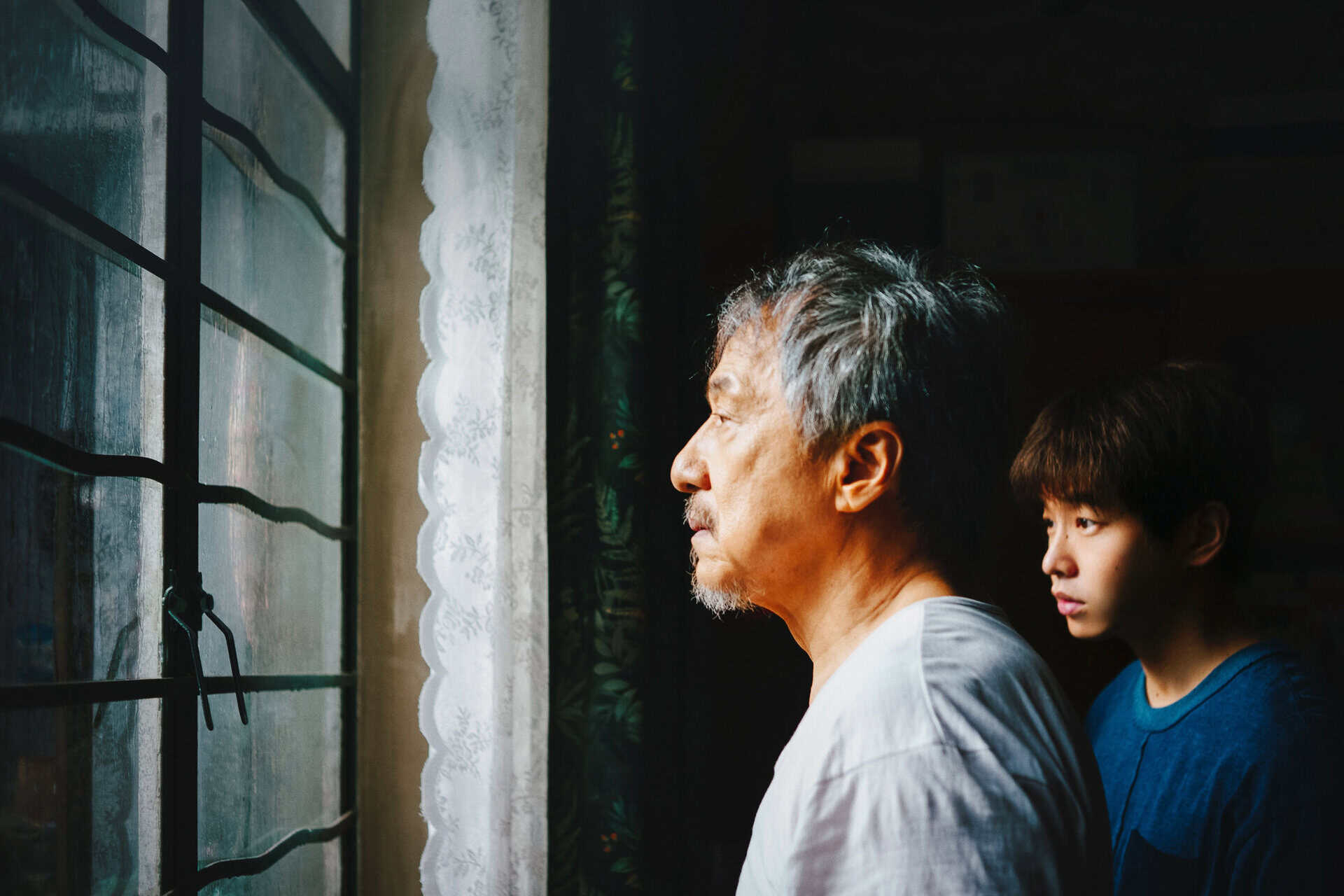
While Jackie Chan’s personal life has occasionally been a subject of public discourse, and his extensive filmography includes works of varying critical reception, his enduring status as a global entertainer remains undisputed. In "Unexpected Family," Chan delivers a performance that is both remarkable and deeply affecting. His portrayal of Ren Jiqing captures the profound disorientation of a man adrift in the fog of dementia, his physical vitality juxtaposed against a mind in flux between moments of lucidity and confusion. This liminal state is depicted with heartbreaking authenticity and believability. In a departure from his usual heroic battles, Chan here engages in a fight against a more ethereal, internal adversary. A particularly moving scene features Ren confronting his former weightlifting coach, now residing in a care facility and afflicted by a tragically ironic condition: a fully functional mind trapped within a deteriorating body. This encounter underscores the film’s sensitive examination of the varied manifestations of aging and its associated challenges.
The supporting cast of "Unexpected Family" is uniformly strong, contributing significantly to the film’s emotional resonance. Peng Yuchang, as Zhong Bufan, forms an exceptional on-screen partnership with Chan. His portrayal of Bufan, mirroring Ren’s disorientation but for entirely different reasons – the bewilderment of a young man navigating an unfamiliar and challenging world – creates a compelling dynamic. This ensemble of accomplished performances helps to mitigate some of the script’s occasional narrative unevenness. The devised "final plan" by Ren’s friends, for instance, feels somewhat expedited in its execution. Similarly, a final, emotionally charged coda, while undeniably affecting, appears primarily intended to elicit a strong emotional response from the audience.
Broader Implications and Festival Context
The inclusion of "Unexpected Family" in the Udine Far East Film Festival program highlights the festival’s commitment to showcasing diverse cinematic voices and challenging narratives from across Asia. FEFF, established in 1999, has become a pivotal platform for introducing Asian cinema to European audiences, fostering cultural exchange and appreciation. The festival’s selection of Li Taiyan’s debut suggests a recognition of its artistic merit and its ability to resonate with international viewers.
The film’s thematic exploration of aging, dementia, and the evolving definition of family holds significant broader implications. As global populations age, the challenges associated with Alzheimer’s and other forms of cognitive decline will become increasingly prominent societal issues. Films like "Unexpected Family" contribute to raising awareness and fostering empathy, prompting discussions about caregiving, social support networks, and the importance of human connection, particularly in the context of urban living. The film’s success in navigating these complex themes with sensitivity and a balanced tone suggests its potential to spark meaningful conversations beyond the cinema screen.
Despite minor narrative quibbles, "Unexpected Family" ultimately delivers a wholesome and rewarding cinematic experience. It is a touching, tender film, and a genuine pleasure to watch, not least for the rare opportunity to see Jackie Chan embracing a more naturalistic on-screen presence, complete with natural grey hair. The film stands as a testament to Li Taiyan’s burgeoning talent as a storyteller and marks a significant, transformative chapter in Jackie Chan’s illustrious career, demonstrating his capacity to move audiences through vulnerability and emotional depth, far beyond the realm of action.