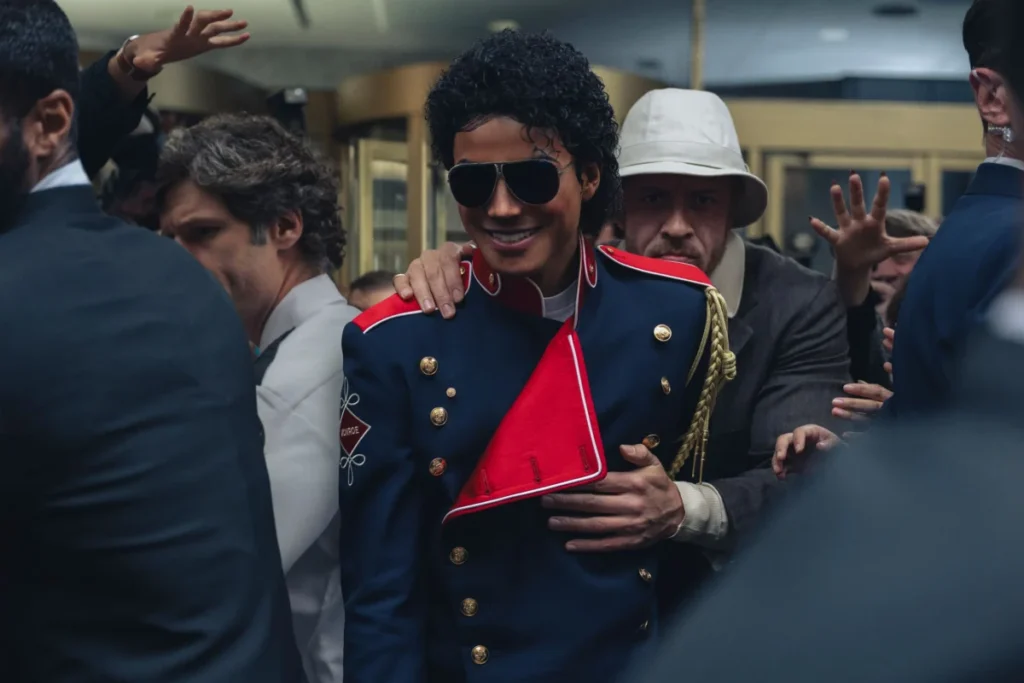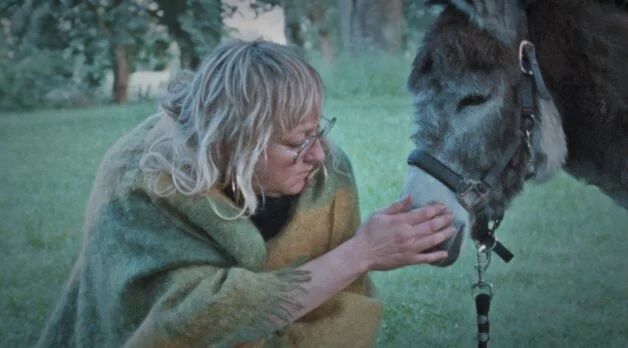
The Toronto Japanese Film Festival (TJFF) embarks on its 15th anniversary this year, presenting a robust and multifaceted cinematic program that promises to illuminate the breadth and depth of contemporary Japanese filmmaking. From June 11 to June 26, Kobayashi Hall at the Japanese Canadian Cultural Centre will transform into a vibrant hub for cinephiles, showcasing 24 films that span an impressive spectrum of genres, including poignant dramas, laugh-out-loud comedies, pulse-pounding thrillers, and insightful documentaries. This milestone edition underscores the festival’s enduring commitment to bringing the dynamism of one of the world’s most influential film industries to Toronto audiences.
A Reflection of Contemporary Japan: Festival Director’s Vision
Festival Director James Heron articulated the core thematic resonance of this year’s selections, stating, "This year’s line-up reflects the emotional and social currents of contemporary Japan. We have films exploring love, loss, survival, resilience, and human connection. We have stories of grief, memory, renewal, and community, unfolding in both the restless streets of Japan’s major cities and quieter spaces of ritual and reflection. These selections are complemented by examples of popular entertainment releases that continue to bring Japanese audiences to the cinema in large numbers." This curated approach ensures that the festival not only entertains but also provides a nuanced window into the lived experiences and societal dialogues shaping modern Japan.
Opening Night and International Premieres Set the Tone
The festival will commence with the highly anticipated North American Premiere of Yoji Yamada’s award-winning TOKYO TAXI. This heartwarming film, adapted from the Belgian-French "Driving Madeleine," is a poignant exploration of life’s enduring joys and sorrows within the ever-evolving metropolis of Tokyo. Directed by the venerable 93-year-old Yoji Yamada, a filmmaker renowned for his meticulous observation of Japanese life, the film is being lauded as his finest work of the decade. Starring Chieko Baisho, who earned a Japanese Academy Prize for Best Actress for her role, and Takuya Kimura, TOKYO TAXI promises an emotionally resonant opening.
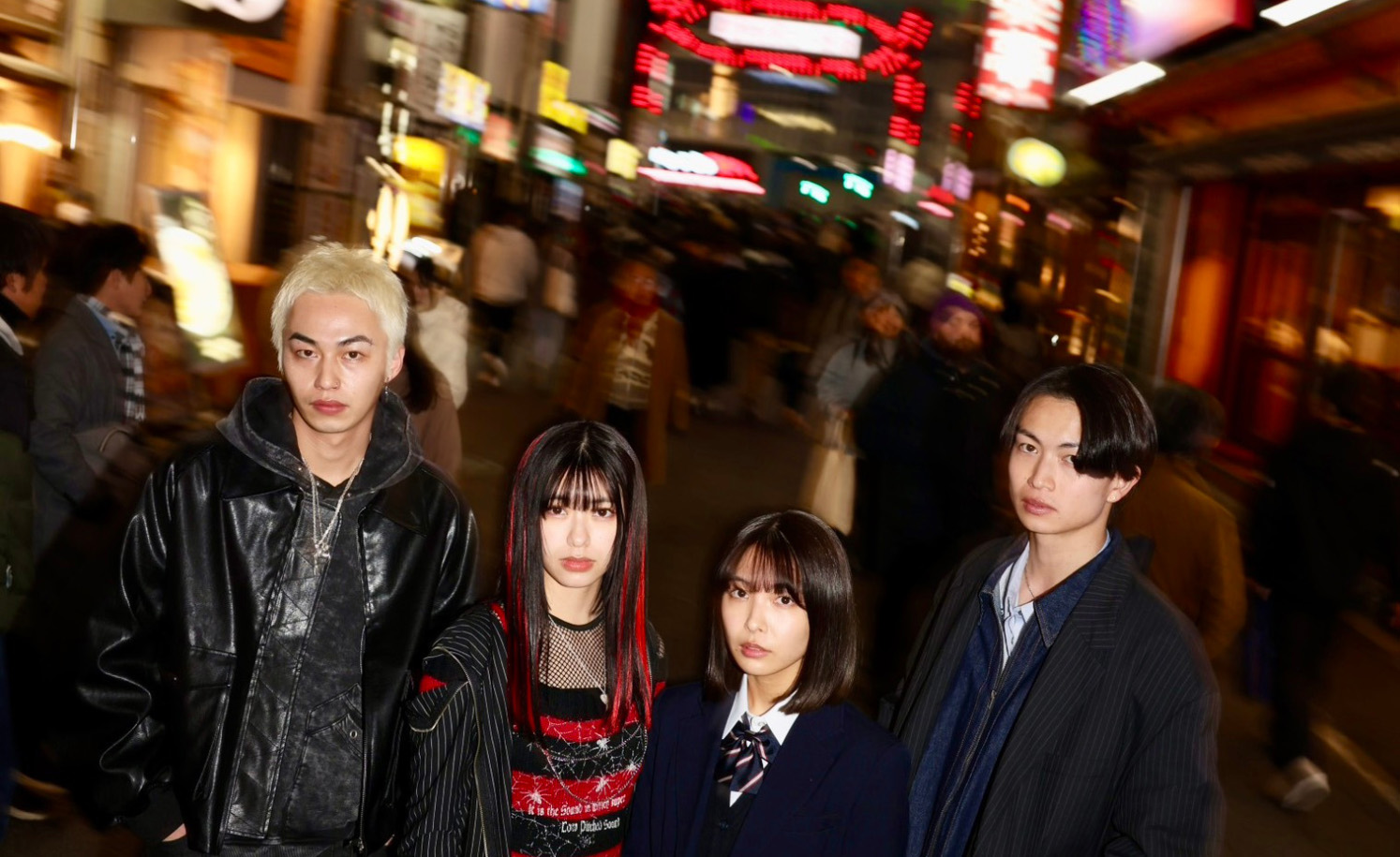
Following this auspicious debut, the TJFF will host the International Premiere of Ren Akiba’s TOKYO STRAYERS. This gripping narrative plunges viewers into the perilous world of runaway teenagers Asuka and Hiyori as they flee the confines of Tokyo’s red-light district. Their escape ignites a night of intense pursuit, fraught with dangerous encounters with gangs, desperate decisions, and the looming presence of the police, offering a stark look at the underbelly of urban survival.
A Glimpse into Diverse Narratives: Key North American Premieres
This year’s festival boasts an impressive array of North American Premieres, each offering a unique perspective on the human condition and Japanese society.
Yuya Ishii’s ONE LAST LOVE LETTER delves into the profound impact of memory and loss, inspired by a true Tokyo subway disaster. Featuring a stellar ensemble cast led by Haruka Ayase, the film is a tender meditation on the enduring power of words to bridge the chasm of time and carry love forward.
Ayako Tsukahara’s FIRST KISS offers a delightful blend of comedy, romance, and fantasy. The film follows a wife who embarks on a time-traveling journey, reminiscent of "Groundhog Day," in a desperate attempt to prevent her husband’s death. Praised for its ability to evoke both laughter and tears, the film highlights the comedic talents of Takako Matsu and Hokuto Matsumura.
Eiji Ueda’s high-octane thriller, NIGHT FLOWER, presents a harrowing narrative of maternal devotion in the shadowy depths of the Tokyo underworld. Natsuki turns to drug dealing to secure her daughter’s future, enlisting the help of Tamae, an amateur kickboxer, as her protector and enforcer. The film’s exploration of friendship and the extreme measures a mother will take for her children earned Keiko Kitagawa and Misato Morita multiple Japanese Academy Prize nominations, with Morita taking home Best Supporting Actress.
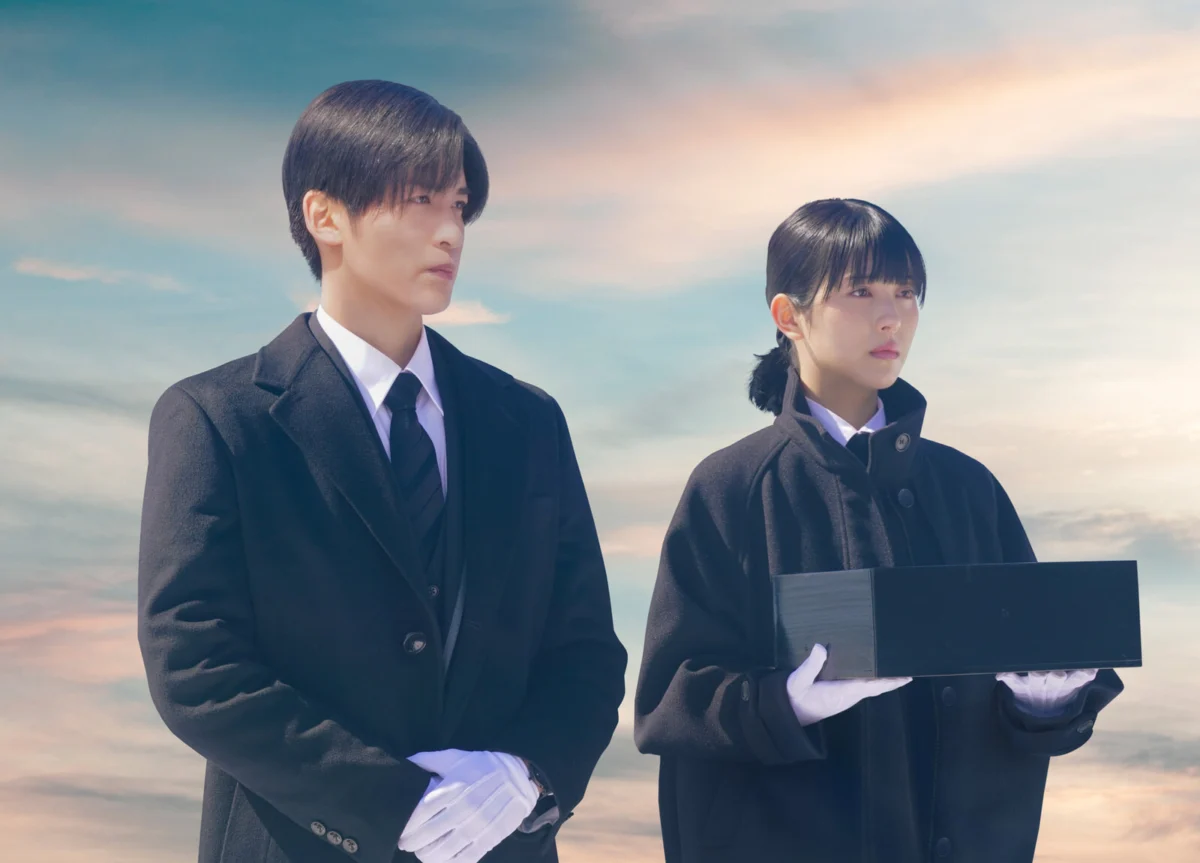
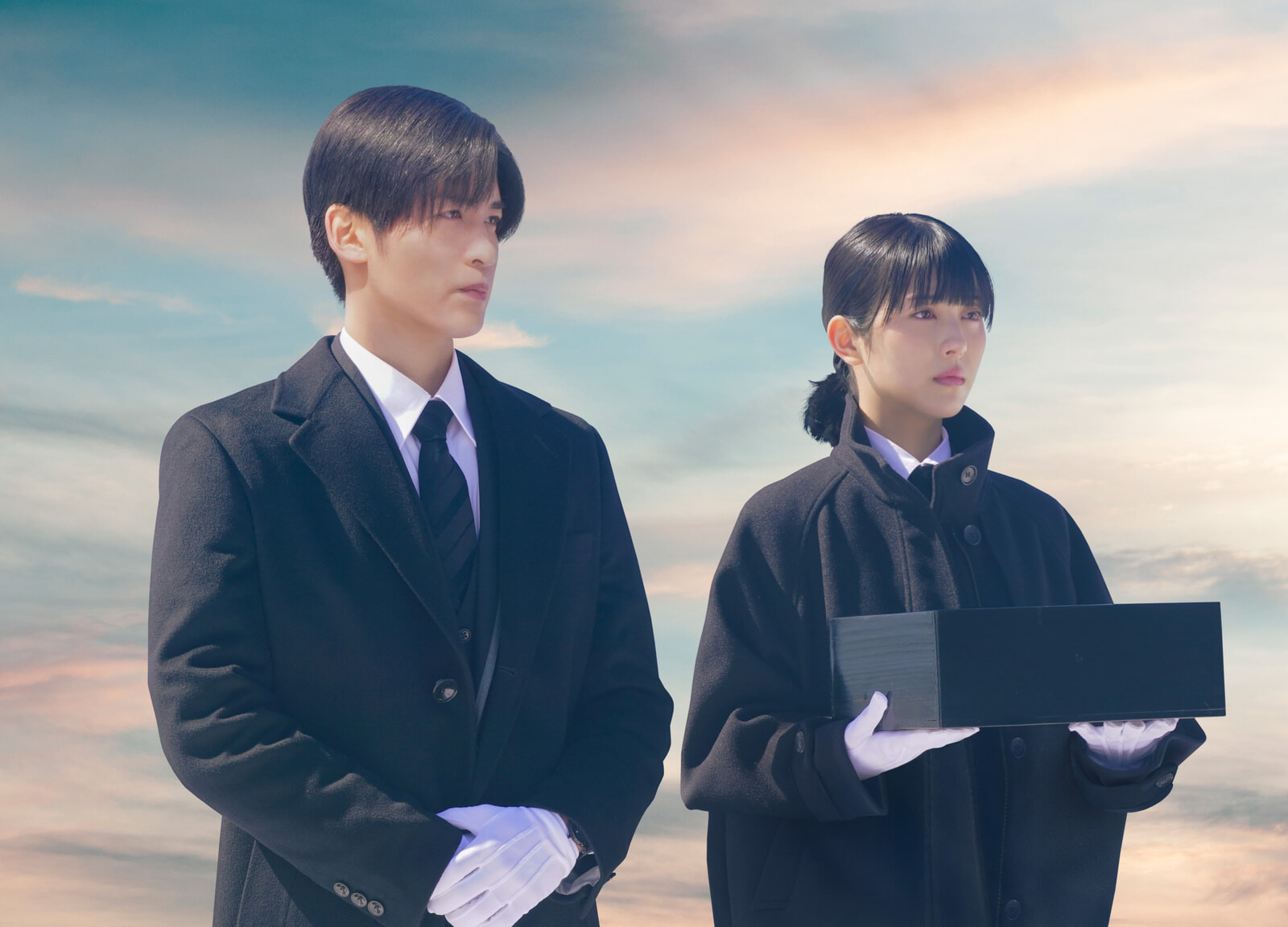
Takahiro Miki’s UNTIL WE MEET AGAIN introduces audiences to Misora (Minami Hamabe), a young woman gifted with the ability to hear the voices of the deceased. Collaborating with seasoned funeral planner Urushibara (Ren Meguro), they endeavor to craft perfect funerals that bring solace to both the living and the departed. The film artfully intertwines fantastical elements with traditional Japanese funeral practices, echoing the poignant themes explored in the Academy Award-winning film "Departures."
In the realm of documentary filmmaking, Shiho Kataoka’s ARUKU – I WALK offers a meditative journey alongside four contemporary pilgrims undertaking the centuries-old Shikoku 88 Temple Pilgrimage. Kataoka captures their individual struggles with exhaustion, solitude, and quiet disillusionment, presenting walking as a profound act of listening—to others, to oneself, and to the possibility of a more fulfilling existence. Director Kataoka is scheduled to be in attendance to introduce her film, providing invaluable insight into her creative process.
Exploring Emotional Landscapes and Second Chances
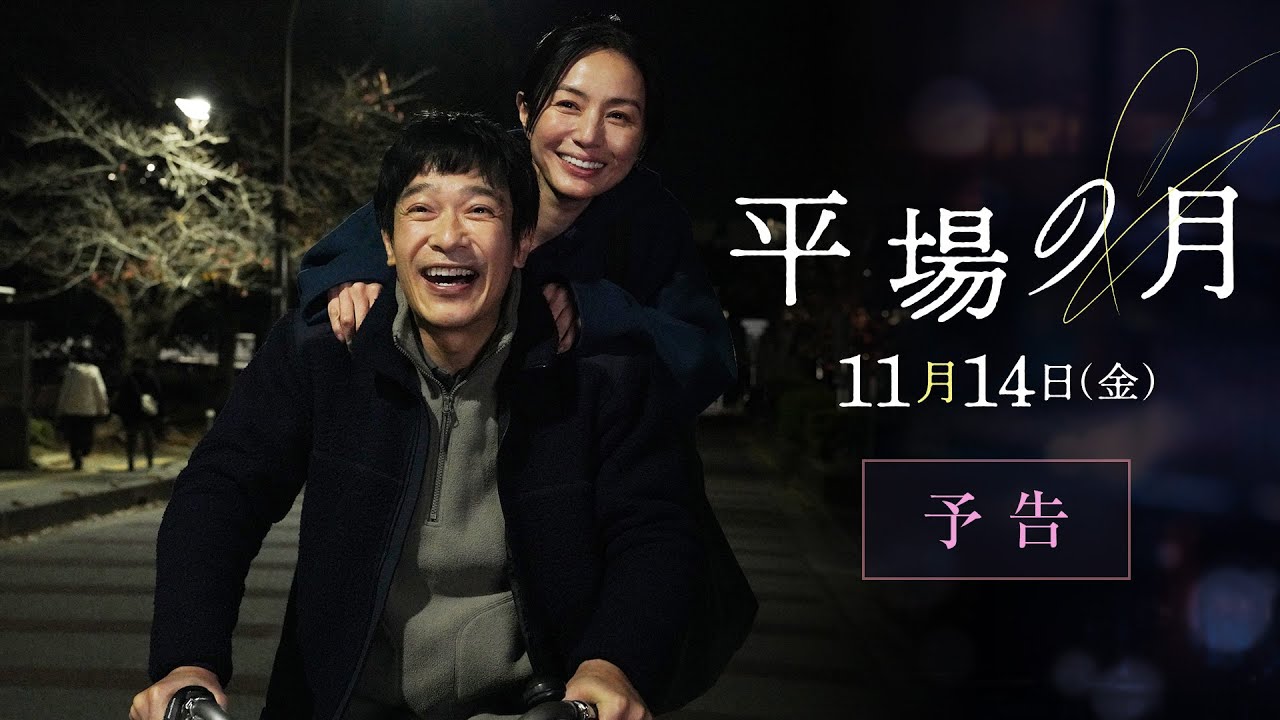
Nobuhiro Doi’s A MOON IN THE ORDINARY revisits the tender echoes of first love as Aoto (Masato Sakai) and Yoko (Haruka Igawa) reconnect years after their middle school romance. Adapted from Kasumi Asakura’s acclaimed novel, the film is a delicate and moving portrayal of cautious emotion, enduring hope, and the possibility of second chances.
Yoshiyuki Okuyama’s live-action adaptation of Makoto Shinkai’s beloved animated classic, 5 CENTIMETERS PER SECOND, promises a visually stunning and emotionally resonant experience. The film chronicles the passage of time from adolescence to adulthood, exploring the subtle yet profound ways in which hearts drift apart at the gentle pace of falling cherry blossom petals. With delicate performances from Hokuto Matsumura and Mitsuki Takahata, the film captures the bittersweet beauty of love shaped by time, chance, and distance.
VICISSITUDE, directed by Takuro Ijichi, is a lyrical coming-of-age drama that charts the emotional journey and eventual renewal of a 17-year-old high school baseball player. Developed over a decade, this cinematic tone poem offers an achingly beautiful meditation on youth, innocence, and the practice of mindfulness.
The action-packed TOKYO MER: MOBILE EMERGENCY ROOM NANKAI MISSION, directed by Aya Matsuki, brings the popular television series to the big screen. The Tokyo MER team is dispatched to Japan’s southern islands to rescue 79 individuals trapped by a catastrophic volcanic eruption. This all-star production promises non-stop action, heroism, and exhilarating entertainment.
THE LAST BLOSSOM, a critically acclaimed anime by Baku Kinoshita, presents a unique narrative about an elderly yakuza serving a life sentence in solitary confinement. His quiet contemplation of death is interrupted by an unexpected visitor—a talking balsam flower that offers a fragile glimmer of redemption, exploring themes of mortality and inner peace.
Global Perspectives and Local Truths: Canadian and Toronto Premieres
The festival also highlights significant Canadian and Toronto Premieres, broadening the scope of its international appeal. Mipo O’s HOW DARE YOU? offers a witty and insightful examination of politics and environmental issues through the eyes of a classroom of ten-year-olds. This observant and bittersweet cautionary tale is designed to resonate with audiences of all ages, with Director Mipo O scheduled to attend and introduce the film.
Kasho Iizuka’s BLUE BOY TRIAL dramatizes a true account of LGBTQ+ rights and a landmark trial in 1960s Tokyo, shedding light on a crucial moment in social justice history. Yutaro Seki and Kentaro Hirase’s SAI – DISASTER features Teruyuki Kagawa in an intense psychological thriller about a mysterious man whose arrival in the lives of six unrelated individuals heralds impending catastrophe, exploring themes of fate and disruption.
Notable Highlights and Acclaimed Works
The festival’s rich tapestry continues with Junji Sakamoto’s CLIMBING FOR LIFE, a biographical drama chronicling the inspiring true story of mountaineering pioneer Junko Tabei. Sho Miyake’s internationally lauded TWO SEASONS, TWO STRANGERS, inspired by Yoshiharu Tsuge’s manga, masterfully blends humor and melancholy to capture the primal joys of journey and the quiet absurdity of the human experience. This film, a recent masterpiece from one of Japan’s most distinguished filmmakers, garnered the prestigious Golden Lion at the Locarno International Film Festival and multiple Kinema Jumpo Awards, including Best Film and Best Actress. Jun Akiyama’s ONE LAST THROW presents an uplifting drama based on the extraordinary true story of Shintaro Yokota, a promising baseball star whose career was tragically cut short by a brain tumor at the age of 21.
Further enriching the program are Kazuaki Seki’s BLANK CANVAS: MY SO-CALLED ARTIST’S JOURNEY, a comedic exploration of a young aspiring manga artist’s creative process; Takashi Miike’s SHAM, a compelling courtroom drama based on a real-life case of school bullying; and Lee Sang-Il’s epic kabuki drama KOKUHO, which receives an encore screening after a record-breaking box-office run and its impressive haul of 11 Japanese Academy Awards, including Best Film, Actor, Director, and Screenplay.
A Joyful Conclusion and a Look Ahead
The festival will conclude with Kaoru Haga’s PUREHEARTED. This heartwarming film tells the true story of Majimu (Sairi Ito), a young woman who defies the odds to establish a rum industry in Okinawa using locally sourced sugarcane. Described as funny, warm-hearted, and featuring charming performances, it is a crowd-pleasing film suitable for all, from rum enthusiasts to teetotalers alike, inspired by Maha Harada’s popular novel.
Looking beyond the main festival, an August special summer showcase will feature the North American Premiere of Junpei Matsumoto’s NAGASAKI: IN THE SHADOW OF THE FLASH. This drama follows three young nursing students in the immediate aftermath of the atomic bombing, offering a clear-eyed and deeply human portrait of atomic horror rather than comforting fiction. The screening is strategically scheduled for the 81st anniversary of the bombing, emphasizing its historical and emotional significance. Additional titles for this showcase are expected to be announced.
Beyond the Screen: Cultural Immersion
The Toronto Japanese Film Festival extends its programming beyond film screenings, offering attendees a rich tapestry of cultural experiences. Throughout the festival, audiences will have opportunities to immerse themselves in Japanese culture through live music and dance performances, captivating art exhibitions, engaging martial arts classes, and a diverse array of authentic Japanese culinary offerings available before select screenings. These ancillary events are designed to complement the cinematic journey, providing a holistic appreciation of Japanese artistry and heritage.
Tickets and passes for the Toronto Japanese Film Festival will be available for purchase starting May 13. For comprehensive information on the full festival lineup and ticketing details, interested individuals are encouraged to visit the official website at https://www.jccc.on.ca/torontojff. The 15th annual festival stands as a testament to the enduring power of Japanese cinema and its ability to connect audiences with diverse stories and profound human experiences.