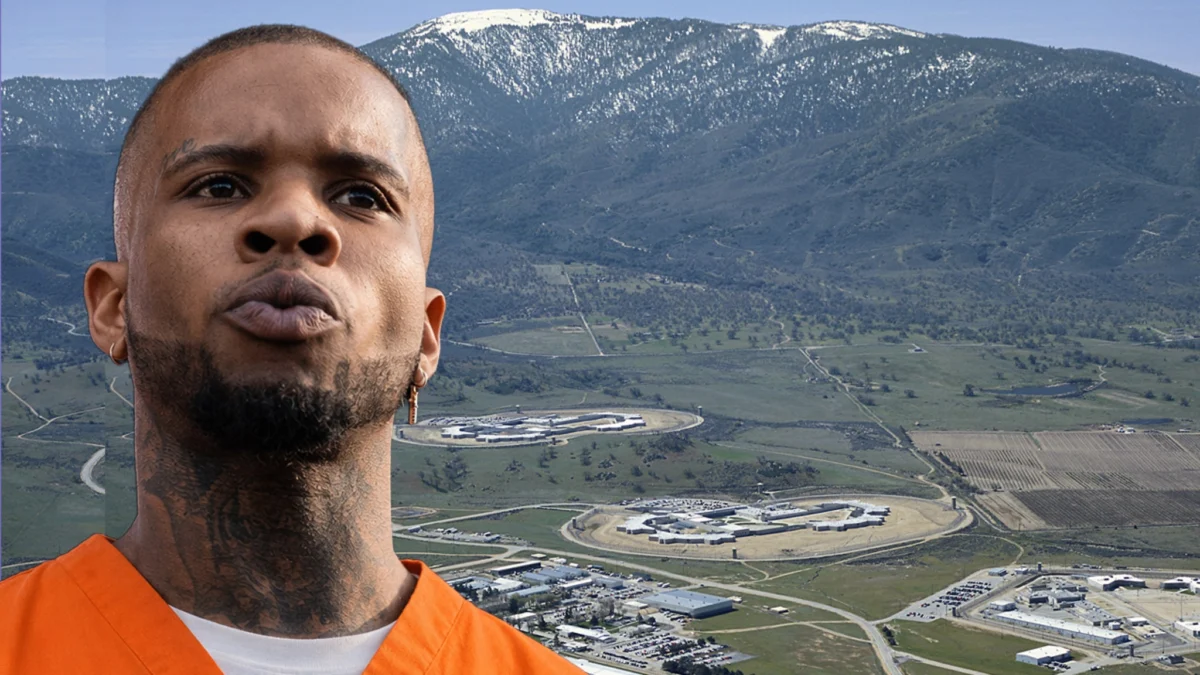
Grammy-nominated rapper Daystar Peterson, widely known as Tory Lanez, has initiated a formidable $100 million lawsuit against the California Department of Corrections and Rehabilitation (CDCR), the warden of California Correctional Institution (CCI) in Tehachapi, Danny Samuel, and 50 unnamed corrections officers. The legal action stems from a severe stabbing incident in May 2025, which Lanez claims left him with extensive injuries, permanent scarring, and substantial commercial losses, all due to alleged negligence and "deliberate indifference" on the part of prison authorities. The lawsuit, filed on April 17, 2026, seeks unprecedented damages, including $1 million for each of the 16 stab wounds sustained and an additional $10 million for permanent facial scarring, alongside the return of seized creative works.
The Genesis of Incarceration: A High-Profile Conviction
To understand the context of Lanez’s lawsuit, it is crucial to revisit the events that led to his incarceration. Tory Lanez rose to prominence in the music industry with a string of successful albums and singles, establishing himself as a significant figure in hip-hop and R&B. However, his career took a dramatic turn following a highly publicized incident involving fellow artist Megan Thee Stallion. In July 2020, Lanez was accused of shooting Megan Thee Stallion in the feet after a party in the Hollywood Hills. The incident ignited a firestorm of media attention, public debate, and legal proceedings that captivated the entertainment world and beyond.
After a protracted legal battle, Lanez was ultimately convicted in December 2022 on three felony charges: assault with a semiautomatic firearm, discharging a firearm with gross negligence, and carrying a loaded, unregistered firearm in a vehicle. The conviction sent shockwaves through the music industry. In August 2023, he was sentenced to 10 years in state prison. Following his sentencing, Lanez was eventually transferred to the California Correctional Institution (CCI) in Tehachapi, a medium-security state prison located in Kern County. His arrival at CCI marked the beginning of his life within the correctional system, a system he now vehemently accuses of failing in its fundamental duty to ensure his safety.
The Brutal Attack: Allegations of Negligence and Indifference
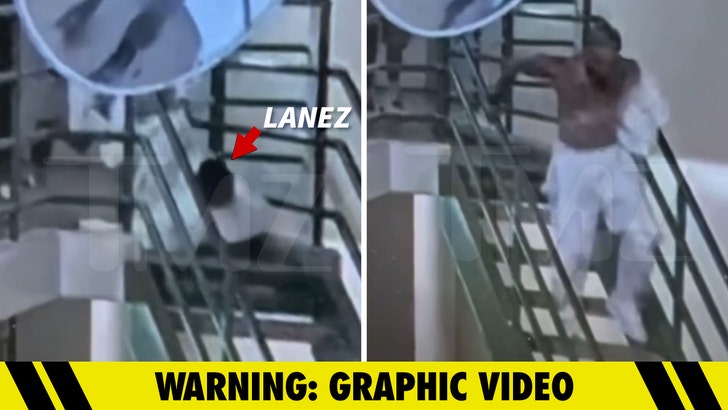
According to the lawsuit documents obtained by TMZ, the harrowing incident occurred in May 2025 at CCI Tehachapi. Lanez asserts that he was subjected to a brutal assault by a fellow inmate, identified as Santino Casio, who wielded a shank. The attack reportedly left Lanez with 16 stab wounds across his body, severe enough to cause two collapsed lungs and permanent scarring on his face. This level of injury suggests a prolonged and violent encounter, raising serious questions about the immediate security measures in place at the time of the assault.
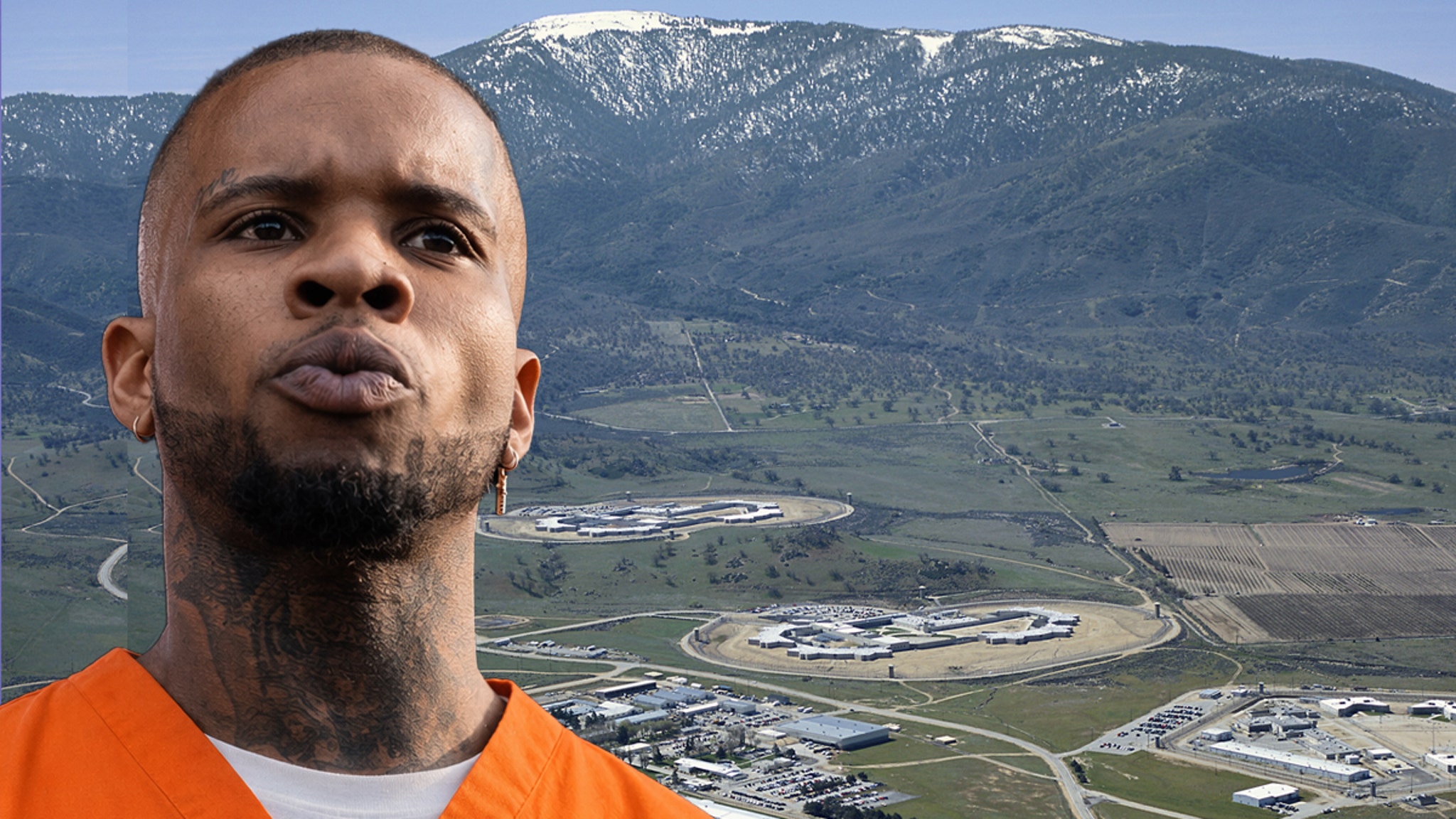
Lanez’s legal team contends that the prison administration, specifically Warden Danny Samuel and the 50 unnamed corrections officers, demonstrated "deliberate indifference to foreseeable violence." This legal standard requires proving that prison officials were aware of a substantial risk of serious harm to an inmate and failed to take reasonable steps to prevent that harm. The lawsuit argues that Casio, the alleged assailant, possessed a documented "violent history," which should have precluded him from being housed in proximity to Lanez. Furthermore, Lanez’s legal filing emphasizes his celebrity status, arguing that his high public profile inherently made him a target within the prison environment, necessitating heightened security protocols that were allegedly not implemented or maintained.
The complaint details that the warden, Danny Samuel, is accused of directly violating CDCR protocols by allowing Casio and Lanez to be housed together. This specific accusation points to a systemic failure in inmate classification and segregation, processes designed to prevent conflicts and ensure the safety of all prisoners, particularly those deemed vulnerable or those with known antagonisms. Lanez’s lawyers claim that the prison staff were conspicuously absent during the stabbing, and their response was inexplicably delayed, further exacerbating the severity of the attack and the resulting injuries. This alleged delay in intervention forms a critical component of the "deliberate indifference" claim, suggesting a profound lapse in duty by correctional officers.
The Quest for $100 Million: Valuing Pain, Suffering, and Lost Art
The $100 million in damages sought by Tory Lanez is an exceptionally high figure for an inmate lawsuit against a correctional facility, signaling the profound impact the incident has had on his life and potential future. The breakdown of the damages requested illustrates the extent of his claims: $1 million for each of the 16 stab wounds, amounting to $16 million, and an additional $10 million specifically for the permanent facial scarring. These figures reflect not only the physical trauma and disfigurement but also the immense pain and suffering, both physical and emotional, experienced during and after the attack.
Beyond the physical injuries, the lawsuit also addresses the alleged seizure of Lanez’s personal property while he was recovering in the hospital. He claims that his original songbooks, containing unpublished lyrics, and notes from his attorney were confiscated. Lanez asserts that these songbooks hold "substantial commercial value," representing future artistic output and potential income. The demand for their return underscores the rapper’s contention that the prison system not only failed to protect his person but also infringed upon his intellectual property and legal rights. The seizure of attorney notes further raises concerns about attorney-client privilege, a cornerstone of legal defense.
In the realm of personal injury law, especially within a correctional context, the valuation of damages typically considers medical expenses, pain and suffering, emotional distress, and loss of earning capacity. For a high-profile artist like Lanez, permanent facial scarring could severely impact his public image and career prospects, particularly in an industry heavily reliant on visual presentation. Moreover, the loss of unpublished creative works could translate into significant financial detriment, as these materials form the foundation of an artist’s future earnings. The lawsuit, therefore, seeks to compensate Lanez for both the immediate and long-term consequences of the alleged negligence.
CDCR Protocols and the Challenges of Prison Management
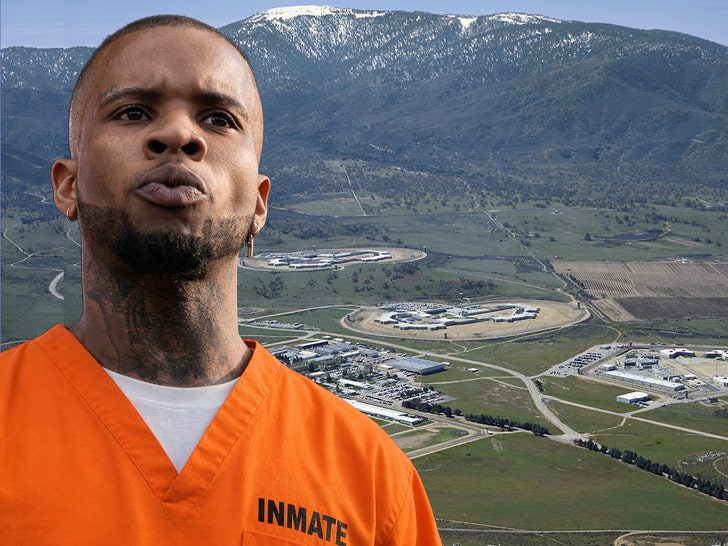
The California Department of Corrections and Rehabilitation operates one of the largest correctional systems in the United States, managing a diverse inmate population with varying security classifications and needs. CDCR’s stated mission includes ensuring the safety and security of inmates, staff, and the public. To achieve this, the department employs a complex system of inmate classification, which assesses factors such as criminal history, gang affiliation, mental health status, and potential threats to or from other inmates. High-profile inmates, due to their notoriety, often present unique challenges, as they can become targets for other inmates seeking status, revenge, or simply attention.
The lawsuit’s claim that Warden Samuel violated CDCR protocols by housing Lanez with a known violent offender like Casio suggests a breakdown in this classification system. Protocols typically dictate careful consideration of an inmate’s history and potential antagonisms when making housing assignments. If Casio indeed had a "violent history," as alleged, and Lanez’s celebrity status was known to officials, the decision to house them together would represent a significant deviation from established safety procedures.
Furthermore, the accusation of delayed response from prison staff highlights broader concerns about staffing levels, training, and the efficacy of security surveillance within correctional facilities. Prison environments are inherently volatile, and immediate intervention during altercations is critical to preventing severe injuries or fatalities. Allegations of staff absence or delayed response point to potential systemic issues that could have implications for inmate safety across the CDCR system. Such incidents often trigger internal investigations to review officer conduct, adherence to protocols, and the overall effectiveness of security measures.
Broader Implications and Legal Precedents
Tory Lanez’s $100 million lawsuit, if successful, could set a significant precedent regarding the liability of correctional facilities for inmate safety, particularly for high-profile prisoners. Lawsuits brought by inmates against prison systems for negligence or civil rights violations are not uncommon, but proving "deliberate indifference" is often a high legal bar. The landmark Supreme Court case Farmer v. Brennan (1994) established that prison officials can be held liable under the Eighth Amendment for failing to protect inmates from violence if they are "deliberately indifferent" to an inmate’s safety. This means officials must have been aware of a substantial risk of serious harm and disregarded it.
The outcome of this lawsuit could force the CDCR and other correctional departments nationwide to re-evaluate their inmate classification systems, security protocols, and staff training, especially concerning individuals with public notoriety. It could lead to more stringent guidelines for separating inmates with known violent histories or those who might pose a specific threat to others. The financial implications of such a large judgment could also be substantial for the state of California, potentially leading to increased scrutiny of prison budgets and resource allocation for security and inmate management.
Moreover, the aspect of seized intellectual property, the songbooks, adds another layer of complexity to the case. It raises questions about inmates’ rights to their creative works and the boundaries of prison authority over personal property, particularly items with clear commercial value and attorney-client communications. The intersection of constitutional rights (Eighth Amendment protection from cruel and unusual punishment, Fourth Amendment against unreasonable searches and seizures, and Sixth Amendment right to counsel) with the practical realities of prison administration will be thoroughly examined during the legal proceedings.
A Chronology of Key Events
- July 2020: Tory Lanez (Daystar Peterson) is accused of shooting Megan Thee Stallion.
- December 2022: Lanez is convicted of three felony charges related to the shooting incident.
- August 2023: Lanez is sentenced to 10 years in state prison.
- Early 2024 (approx.): Lanez is transferred to California Correctional Institution (CCI) in Tehachapi.
- May 2025: Tory Lanez is allegedly stabbed 16 times by inmate Santino Casio at CCI Tehachapi, sustaining two collapsed lungs and facial scarring. His songbooks and attorney notes are reportedly seized during his recovery.
- April 17, 2026: Tory Lanez files a $100 million lawsuit against the California Department of Corrections and Rehabilitation, Warden Danny Samuel, and 50 corrections officers, alleging negligence and deliberate indifference.
Official Responses and Legal Outlook
As is standard practice in such high-profile legal matters, the California Department of Corrections and Rehabilitation has, to date, not issued a public statement regarding Tory Lanez’s lawsuit. Typically, correctional agencies refrain from commenting on pending litigation, citing internal policy and the ongoing legal process. This approach is common to avoid prejudicing the case or revealing strategic legal defenses. Any official response from the CDCR is expected to be delivered through legal channels as the case progresses through the courts.
Legal analysts and experts in correctional law suggest that such lawsuits often involve extensive discovery periods, where both sides gather evidence, witness testimonies, and internal documents. Proving "deliberate indifference" can be challenging, requiring substantial evidence that prison officials not only knew of the specific risks to Lanez but consciously chose to disregard them. However, if Lanez’s legal team can present compelling evidence of systemic failures in housing decisions, delayed responses, and disregard for inmate safety protocols, the lawsuit could present a significant challenge to the CDCR. The involvement of 50 unnamed officers suggests a broad claim of negligence across multiple individuals involved in security and oversight.
The case will likely draw considerable attention, given Lanez’s celebrity status and the severity of the allegations. It will test the legal boundaries of prison accountability and inmate rights, potentially shaping future policies regarding the management of high-profile inmates and the responsibilities of correctional facilities to prevent violence within their walls. The legal battle is expected to be protracted, with significant implications for all parties involved and for the broader discussion surrounding justice and safety within the American correctional system.