The Walt Disney Company is preparing to execute a significant new phase of its ongoing cost-reduction strategy, a move that is expected to result in the elimination of approximately 1,000 positions across various departments. According to sources familiar with the internal proceedings, this latest round of layoffs represents a continuation of the aggressive fiscal discipline established during the previous administration but now overseen by the company’s newly appointed Chief Executive Officer, Josh D’Amaro. The decision underscores a persistent focus on operational efficiency as the media and entertainment giant navigates a complex transition from traditional linear broadcasting to a digital-first future, while simultaneously managing the capital-intensive demands of its global theme park empire.
The timing of these workforce reductions is particularly notable, occurring less than a month after Josh D’Amaro officially assumed the role of CEO in mid-March. D’Amaro, who previously served as the Chairman of Disney Experiences, took the reins following a protracted and highly publicized succession process. While the company has framed the leadership transition as a move toward a new chapter of growth, the impending layoffs suggest that the "efficiency era" initiated by his predecessor, Bob Iger, is far from over. The reductions are expected to be concentrated primarily within Disney’s marketing divisions, which have recently undergone a massive structural reorganization designed to centralize brand management and eliminate redundant roles across the company’s vast portfolio.
The Restructuring of Disney’s Marketing Apparatus
The primary target of the current layoff cycle appears to be the enterprise marketing organization. In January, while Bob Iger was still serving as CEO, Disney announced a fundamental shift in how it markets its films, streaming services, and physical experiences. This reorganization saw the creation of a unified marketing branch led by Asad Ayaz, who was named Disney’s first-ever Chief Marketing and Brand Officer. Ayaz, a veteran executive known for his successful campaigns at Walt Disney Studios, now oversees marketing strategy for all three of Disney’s primary business segments: Disney Entertainment, ESPN, and Disney Experiences.
This centralized model was intended to ensure brand consistency and leverage the company’s massive scale more effectively. However, the consolidation of previously autonomous marketing teams from across the various divisions—including Disney+, Hulu, the film studios, and the parks—inevitably created overlaps in management and execution roles. Reporting directly to CEO Josh D’Amaro and Dana Walden, Disney’s President and Chief Creative Officer, Ayaz has been tasked with optimizing the company’s promotional spending. The projected 1,000 layoffs are viewed by industry analysts as the natural, if difficult, byproduct of this integration, as the company seeks to trim the "legacy" structures that existed before the marketing functions were brought under a single leadership umbrella.
A Chronology of Leadership and Fiscal Realignment
To understand the current state of Disney’s workforce, one must look back at the tumultuous period beginning in late 2022. The return of Bob Iger as CEO in November of that year marked a turning point for the company, which had been struggling with mounting losses in its streaming business and a depressed stock price. Iger’s second tenure was defined by a mandate to restore profitability and simplify a corporate structure that many investors felt had become bloated and confusing.
In February 2023, Iger announced a sweeping reorganization that divided the company into three core segments: Entertainment, ESPN, and Experiences. Alongside this structural change, Disney committed to a $5.5 billion cost-cutting target, which included the elimination of 7,000 jobs—roughly 3% of its global workforce at the time. These cuts were largely completed by the end of 2023, helping the company exceed its initial savings goals and boosting investor confidence.
The transition to Josh D’Amaro’s leadership in March 2024 was seen as the beginning of a "growth phase." On his first official day, D’Amaro addressed investors, acknowledging the groundwork laid by Iger. He emphasized that the company had moved past its most difficult defensive period and was now operating from a "place of strength." However, the announcement of 1,000 additional layoffs so early in his tenure suggests that D’Amaro is committed to maintaining the lean operational profile established by Iger, ensuring that profit margins remain a priority even as the company pivots toward expansion in its parks and streaming technology.
Supporting Data and Financial Performance Context
The decision to further reduce headcount comes at a time when Disney’s financial metrics are under intense scrutiny. Following the news of the impending layoffs, Disney’s stock experienced a slight dip in afternoon trading, reflecting a cautious reaction from Wall Street. While the company has successfully narrowed the losses in its direct-to-consumer (DTC) segment—which includes Disney+ and Hulu—the transition remains a significant financial burden.
In the most recent fiscal quarters, Disney has prioritized reaching "streaming profitability," a goal the company expects to achieve by the end of fiscal 2024. To reach this milestone, the company has not only cut jobs but also significantly reduced its content spend and increased subscription prices. The marketing department, in particular, is a major line item on the balance sheet; by streamlining Ayaz’s team and reducing staff, Disney aims to lower its customer acquisition costs, which is critical for the long-term viability of Disney+.
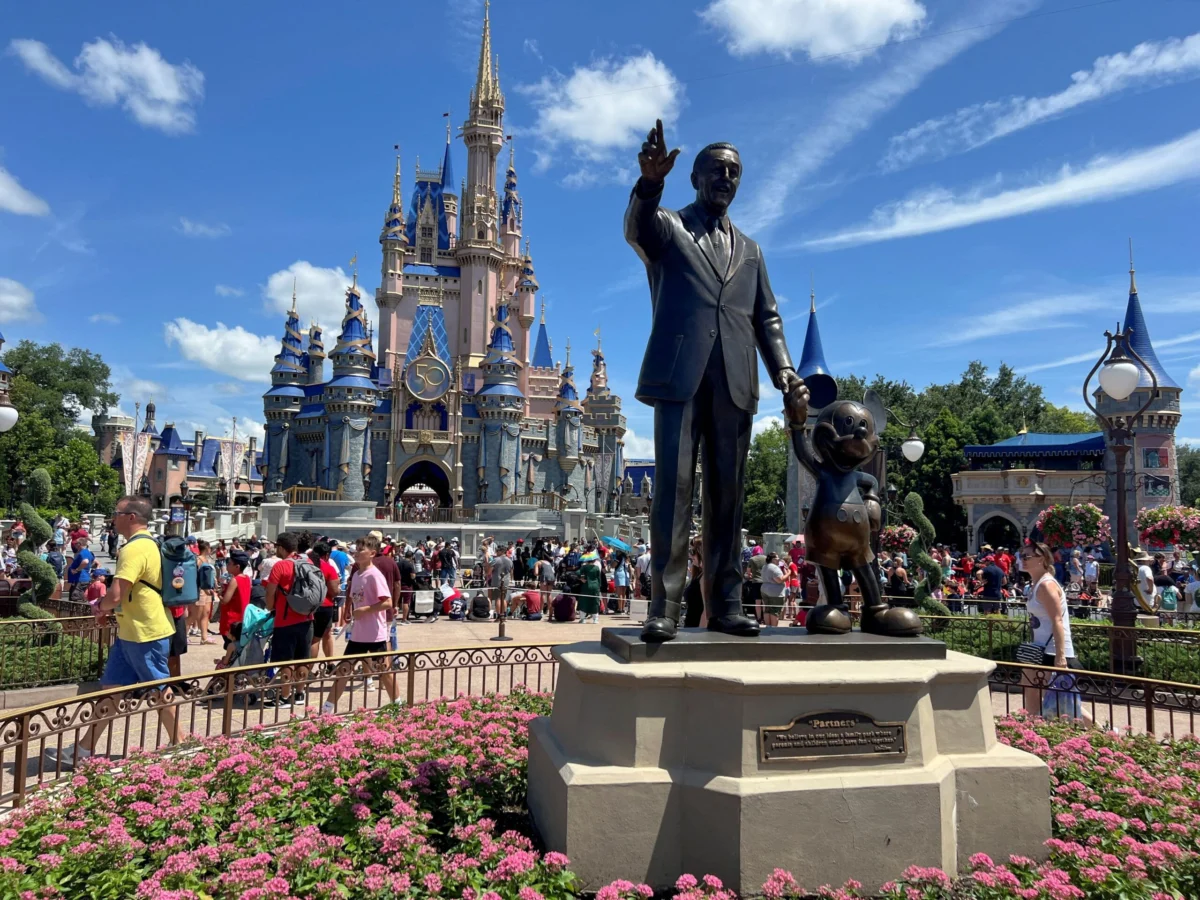
Furthermore, Disney’s "Experiences" segment, which D’Amaro previously headed, remains the company’s primary engine of cash flow. In 2023, the parks and experiences division reported record revenues, yet it faces inflationary pressures and the high costs of labor and construction for planned multi-billion-dollar expansions. By finding savings in the corporate marketing and entertainment divisions, D’Amaro can potentially reallocate capital toward the "turbocharging" of the parks—a strategy he championed during his time as chairman of that division.
Official Responses and Internal Sentiment
While Disney has not released an official public statement regarding the exact number of layoffs, internal communications suggest a focus on "long-term strategic alignment." Sources within the company indicate that affected employees will be notified in waves over the coming weeks. The anonymity of the individuals reporting the layoffs highlights the sensitivity of the situation, as the company seeks to manage morale during a period of leadership change.
In his remarks during the recent investor day, D’Amaro struck a balance between fiscal responsibility and creative optimism. "We’ve fortified our business," he stated, noting that the company is now focused on "reigniting creativity and improving performance at our studios." For many employees, however, the "performance improvement" mentioned by leadership is increasingly synonymous with workforce consolidation.
Industry observers note that the marketing department’s restructuring under Asad Ayaz was always likely to result in staff reductions. When Ayaz was appointed, he was given the mandate to "steward Disney’s 100-year legacy" while modernizing the brand for a digital audience. This modernization involves a shift away from traditional media buying toward data-driven, automated marketing strategies, which generally require fewer personnel than traditional agency-style internal structures.
Broader Industry Implications and Future Outlook
Disney is not alone in its pursuit of a leaner workforce. The broader media and technology sectors have seen a wave of layoffs over the past 18 months, driven by high interest rates, a cooling advertising market, and the necessity of pivoting toward profitable streaming models. Competitors like Warner Bros. Discovery, Paramount Global, and even Netflix have all undergone similar rounds of restructuring.
For Disney, the "D’Amaro Era" appears to be starting with a clear message: the company will not return to the high-spending, high-headcount days of the pre-pandemic era. Instead, the focus will be on "synergy"—a long-time Disney buzzword that has taken on new life under the centralized marketing model. By having one marketing chief oversee the promotion of a Marvel film, a Disneyland attraction, and an ESPN broadcast, Disney hopes to create a more cohesive consumer experience while simultaneously reducing the overhead costs associated with maintaining separate marketing offices.
The success of this strategy will likely be measured by the performance of the 2024-2025 film slate and the continued growth of the Disney+ subscriber base. As D’Amaro moves forward, he faces the challenge of maintaining the "Disney Magic" for consumers while satisfying shareholders’ demands for disciplined financial management. The 1,000 layoffs, while significant, are a calculated move in a larger game of corporate transformation—one where efficiency is viewed as the essential foundation for future creativity.
As the company moves through this transition, the industry will be watching closely to see if these cuts represent the final "trimming" of the Iger era or if they are the first of many such moves under D’Amaro’s leadership. For now, the message from Burbank is clear: the Walt Disney Company is operating with a renewed focus on the bottom line, ensuring that every dollar spent on marketing and operations is optimized for a rapidly evolving global market.