

Zhang Yimou’s career stands as a monumental testament to the transformative power of cinema, mirroring the tumultuous yet dynamic evolution of modern China itself. From the earthy, visceral power of "Red Sorghum" to the meticulously crafted paranoia of "Scare Out," his oeuvre is a tapestry woven with contradictions, innovation, and profound influence. Few filmmakers have navigated such a diverse and often conflicting array of identities: a vanguard of the Fifth Generation, a master visual stylist, a chronicler of rural life, an architect of global blockbusters, a figure who has ignited political discourse, a creator of state-sanctioned spectacle, and, throughout these shifts, an artist perpetually in motion. His cinematic journey has traversed the spectrum from intimate human dramas to the grandiosity of wuxia epics, from neorealist social commentary to nationalistic thrillers. Even in his more uneven works, an undeniable command of the visual medium, perhaps unmatched by his contemporaries in Mainland China, consistently shines through.
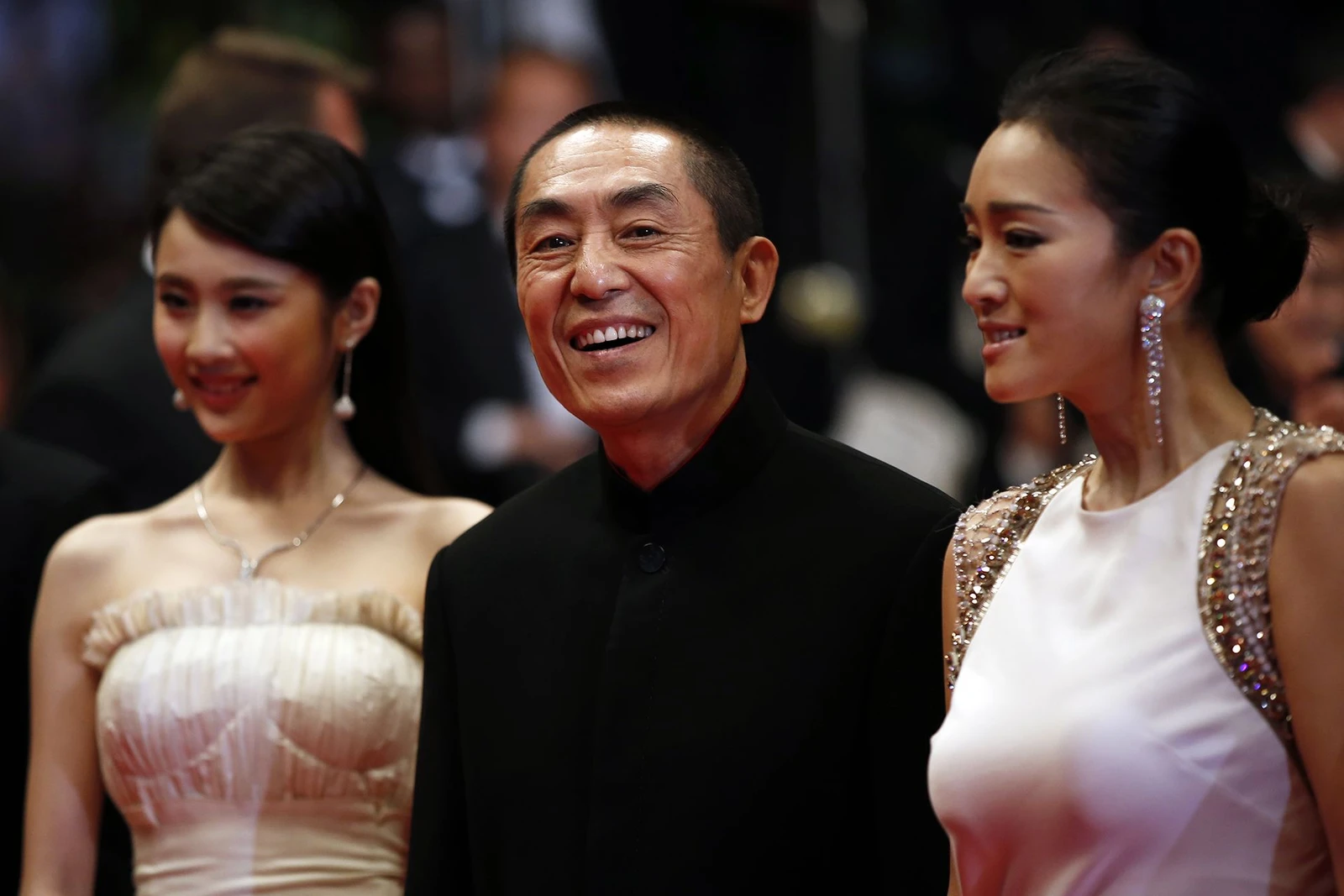
Born on April 2, 1950, in Xi’an, Shaanxi Province, Zhang’s formative years were shaped by a deep-seated love for storytelling intertwined with the weight of his family’s past. His father’s service under the Nationalists prior to 1949 cast a shadow of political suspicion over Zhang’s upbringing, profoundly influencing his early life. A quiet and introspective child, he found solace and expression in painting and literature, devouring novels with an intensity that fostered a rich inner world. This inherent tension between a private imaginative landscape and the immense historical forces surrounding him would become a recurring and central theme in many of his most celebrated films.
The Cultural Revolution profoundly disrupted the youth of Zhang and his generation. In 1968, he was sent to the countryside near Qian County in Shaanxi for manual labor. These were arduous years, yet they provided him with an invaluable immersion into the dialects, customs, humor, oral traditions, and daily struggles of rural Chinese people. These authentic experiences would later permeate his cinematic vision, particularly in his early works. Upon returning to the city, he found employment in a textile factory. While his physical labor sustained him, his artistic spirit remained undimmed. He pursued drawing, design, and slogan writing, but it was photography that truly captivated him. His dedication to acquiring a camera was legendary; he reportedly saved meticulously and even sold blood to procure one. This potent blend of discipline, ambition, and unwavering resolve would define his artistic trajectory throughout his life.
When the Beijing Film Academy reopened in the aftermath of the Cultural Revolution, Zhang, despite being over the age limit, applied to the cinematography department. His photographic work so impressed influential figures that he was eventually admitted through an extraordinary intervention, a story that has since become a cornerstone of Chinese film lore. At the Academy, he distinguished himself as a diligent and focused student, relentless in his pursuit of knowledge. He graduated into the burgeoning era of the Fifth Generation filmmakers, a cohort that revolutionized Chinese cinema in the 1980s by decisively breaking from the conventions of socialist realism and embracing new visual languages, narrative structures, and more nuanced historical and social explorations.
The Dawn of a Cinematic Visionary
Zhang Yimou’s initial ascent to prominence was as a cinematographer, not a director. His work on "One and Eight" and, most notably, Chen Kaige’s "Yellow Earth" redefined the visual possibilities of Chinese cinema. Landscape, space, architecture, and color were elevated from mere background elements to potent tools of narrative expression. Even before helming his first feature film, Zhang had firmly established himself as a formidable talent in terms of cinematic form. His versatility extended to acting; he earned the Best Actor award at the Tokyo International Film Festival for Wu Tianming’s "Old Well," becoming the first Mainland Chinese actor to receive a top acting prize at an A-class international film festival.
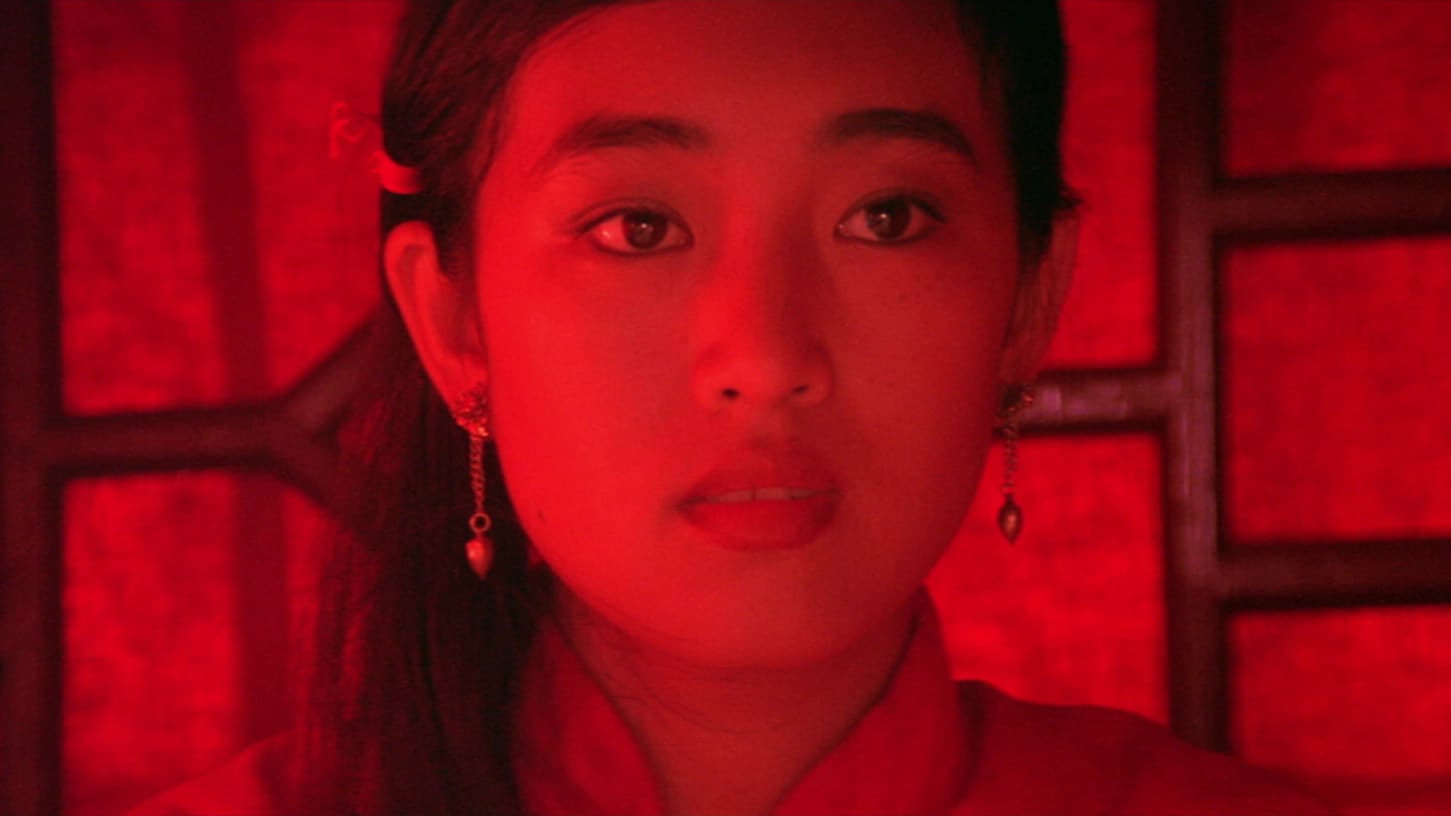
His directorial breakthrough arrived in 1988 with "Red Sorghum," a debut that immediately heralded the arrival of a major cinematic force. The film garnered the Golden Bear at the Berlin International Film Festival and launched not only Zhang’s directing career but also the screen career of Gong Li, who would become his most significant muse and the face of many of his most acclaimed works. Their collaboration defined a remarkable period through the late 1980s and 1990s, yielding films such as "Ju Dou," "Raise the Red Lantern," "The Story of Qiu Ju," "To Live," and "Shanghai Triad." These films brought Zhang international acclaim while simultaneously attracting increasing scrutiny from Chinese authorities. During this phase, he emerged as arguably the most visible Chinese auteur on the global festival circuit, amassing accolades including a Golden Bear, two Golden Lions, major Cannes honors, BAFTA recognition, and multiple Oscar nominations for Best Foreign Language Film. He became a pivotal figure through whom international audiences first encountered Chinese cinema.
The extraordinary impact of this initial phase stemmed not merely from its critical prestige but from its remarkable emotional and formal breadth. Zhang masterfully navigated the folkloric vitality of "Red Sorghum," the suffocating ritualism of "Raise the Red Lantern," the semidocumentary immediacy of "The Story of Qiu Ju," and the devastating historical sweep of "To Live." His cinema was deeply rooted in Chinese culture and history, yet it transcended provincialism. His films were vivid, sensuous, often centered on female characters, and acutely perceptive of how institutions, customs, and ideologies shape the human body and spirit.
Expanding Horizons: From Arthouse to Blockbuster
However, Zhang Yimou was never content to remain solely an arthouse director. In the late 1990s and particularly throughout the 2000s, he embarked on a significant expansion of his artistic range. Films like "Not One Less" and "The Road Home" retained his humanistic concerns, but "Hero" signaled a dramatic shift. With its all-star cast, lavish production design, philosophical underpinnings, and immense box office success, "Hero" was both an international crossover hit and a foundational moment in the era of the Chinese blockbuster. "House of Flying Daggers" and "Curse of the Golden Flower" continued this trajectory, demonstrating Zhang’s capacity to operate on the grandest commercial scale without sacrificing his signature painterly precision.
This period, however, also ignited considerable debate. For some, Zhang had reinvented the wuxia genre and opened new industrial avenues for Chinese cinema. For others, he had moved away from the moral urgency of his earlier works toward a more decorative, state-compatible spectacle. This tension has remained a defining characteristic of his subsequent career.
A Legacy of Spectacle and Contradiction
Zhang’s later career encompasses films of undeniable craft and ambition, alongside some of his most divisive works. "The Great Wall," his first English-language feature, became emblematic of a new transnational industrial phase and the inherent challenges of balancing Hollywood formulas with China’s soft power aspirations. Conversely, films such as "Shadow," "One Second," "Cliff Walkers," "Full River Red," and "Article 20" (referred to as "Second Article" in the original text, likely a mistranslation or placeholder) have demonstrated his continued capacity to surprise, whether through radical visual concepts, a return to themes of memory and deprivation, or intricate chamber mysteries. Even while operating within increasingly restrictive political landscapes, he has consistently found spaces—sometimes small, sometimes substantial—for artistic play, beauty, ambiguity, and melancholy.
Beyond the realm of cinema, Zhang Yimou has emerged as one of the most prominent directors of public spectacle in contemporary China. His direction of the opening and closing ceremonies for the 2008 Beijing Olympics and the 2022 Beijing Winter Olympics cemented his status as the world’s first "dual Olympics" chief director for both Summer and Winter Games. He has also orchestrated operas, large-scale outdoor performances, summit galas, televised spectacles, and significant cultural mega-events, extending his profound interest in choreography, mass image-making, and national performance beyond the cinematic screen. While this facet of his career has intensified discussions surrounding his relationship with the Chinese state, it has undeniably solidified his position as one of the defining image-makers of modern China.
His personal life has also garnered public attention, including his past relationship with Gong Li, his later marriage to Chen Ting, and the controversy surrounding family-planning violations that resulted in a substantial fine. However, even these public episodes, in retrospect, appear secondary to the overarching arc of a career spanning over four decades and multiple eras of Chinese cinema. Zhang Yimou remains a figure of profound paradoxes: a poet of color and a master of austerity, an artist of individual longing and a choreographer of collective identity, a filmmaker who once challenged authority and later became one of its most visible cultural representatives. The persistent coexistence of these contradictions is precisely what makes his work so compelling and enduring.
The films listed below, presented chronologically, trace a substantial path through Zhang Yimou’s evolution, from raw rural mythmaking to intimate social observation, from wuxia reinvention to contemporary state-aligned thrillers. Collectively, they illustrate a director who has consistently commanded attention, even when he has frustrated, divided, or retreated. Few filmmakers have shaped the imagination of Chinese cinema, and the world’s perception of it, as profoundly as Zhang Yimou.
Selected Works: A Chronological Journey
Red Sorghum (1988)
Zhang Yimou’s directorial debut remains one of the defining opening statements in modern Chinese cinema. It already showcased many of the elements that would later define his greatness: a vibrant command of color, a fascination with human endurance under duress, and a remarkable ability to meld sensuality, folklore, and violence into an intoxicating whole. Set in rural Shandong during the Second Sino-Japanese War, the narrative follows Jiu’er, a woman sold into marriage who gradually emerges as a powerful figure within the sorghum winery. The film presents a romanticized yet harsh vision of the countryside, where patriarchy, banditry, desire, and invasion leave indelible marks. Gong Li, in her debut performance, is magnetic, portraying Jiu’er as both a victim of her era and an embodiment of the indomitable spirit Zhang often admired in his female characters. Jiang Wen provides swagger and humor as the drunken lover who struggles to match her strength. The film’s imagery, particularly its symbolic use of red representing passion, blood, tradition, and survival, immediately established Zhang as a master stylist. "Red Sorghum" endures not only for its historical significance but for its primal, humane connection that makes its debut both exhilarating and deeply resonant.
Raise the Red Lantern (1991)
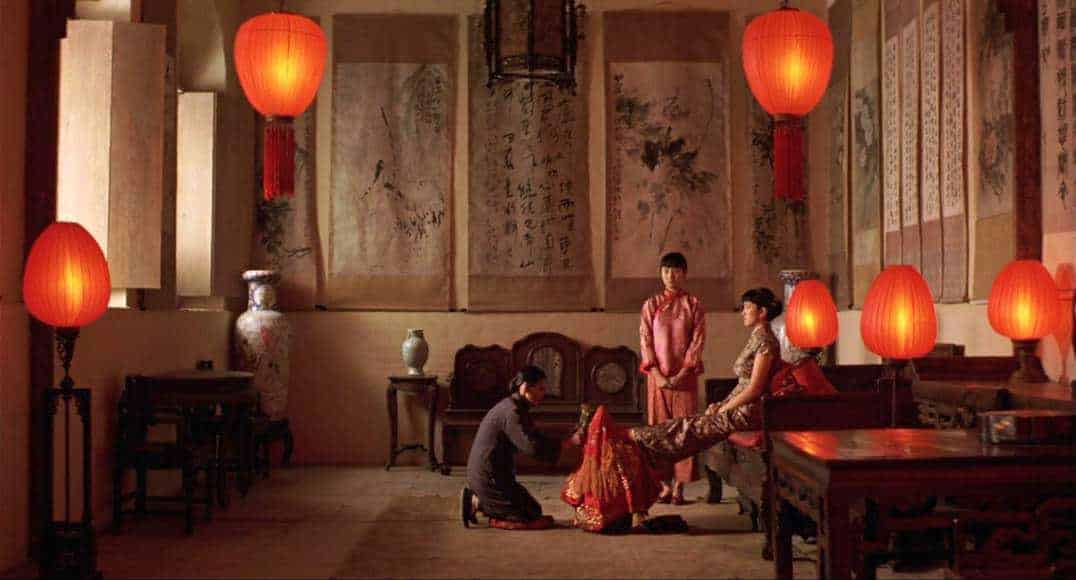
If "Red Sorghum" is expansive and earthy, "Raise the Red Lantern" is its meticulously controlled counterpart, a chamber tragedy where architecture, ritual, and hierarchy serve as instruments of oppression. Set in a 1920s household, the film depicts the descent of Songlian, a young, educated woman sold to become the fourth wife of a wealthy master. The enclosed compound transforms into a gilded cage, a place where the wives are pitted against each other in a system built on arbitrary power, sexual control, and psychological humiliation. Gong Li delivers one of her finest performances, charting Songlian’s collapse from educated defiance to spiritual ruin with astonishing precision. The supporting cast, including He Saifei, Cao Cuifen, Jin Shuyuan, and Kong Lin, enhances the sense of a household where every gesture carries political weight. Zhang’s masterful control of the frame is breathtaking, with light, costume, color, and silence contributing to the film’s symbolic richness. The mansion itself becomes one of cinema’s great expressive spaces. It is one of Zhang’s most devastating works, not only for the cruelty it depicts but for its elegant revelation of how oppressive traditions can turn the oppressed against one another.
Not One Less (1999)
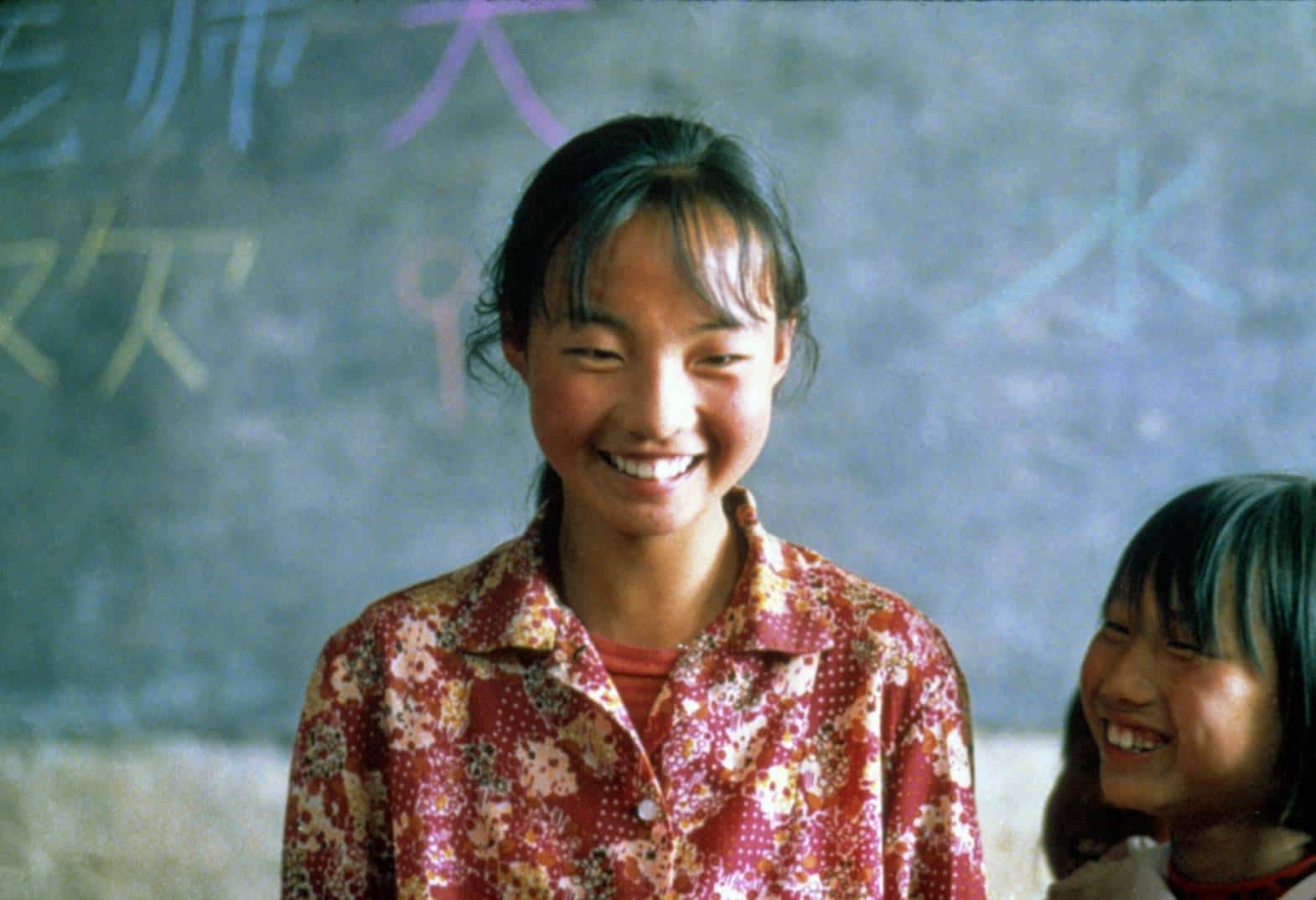
One of Zhang Yimou’s most deceptively simple films, "Not One Less" eschews the overt visual stylization of his earlier work for a neorealist immediacy that proves equally powerful. Set against the backdrop of rural education reform, the story centers on Wei Minzhi, a 13-year-old substitute teacher promised a bonus if none of her students leave school during the teacher’s absence. When one boy runs off to the city seeking work, Wei embarks on a determined journey to find him. The film offers a moving portrait of persistence and a sharp critique of systemic failures, exposing the poverty of rural communities, the absurdity of bureaucratic indifference, and the stark chasm between the countryside and the city with remarkable clarity. Zhang’s use of non-professional actors and real locations lends the film an extraordinary sense of authenticity, with the young protagonist’s stubborn determination serving as the emotional anchor. While the ending offers a somewhat romanticized optimism that hints at compromises made under censorship, the film’s critique remains eloquent. It stands as one of Zhang’s finest explorations of individual perseverance in the face of institutional neglect.
The Road Home (1999)
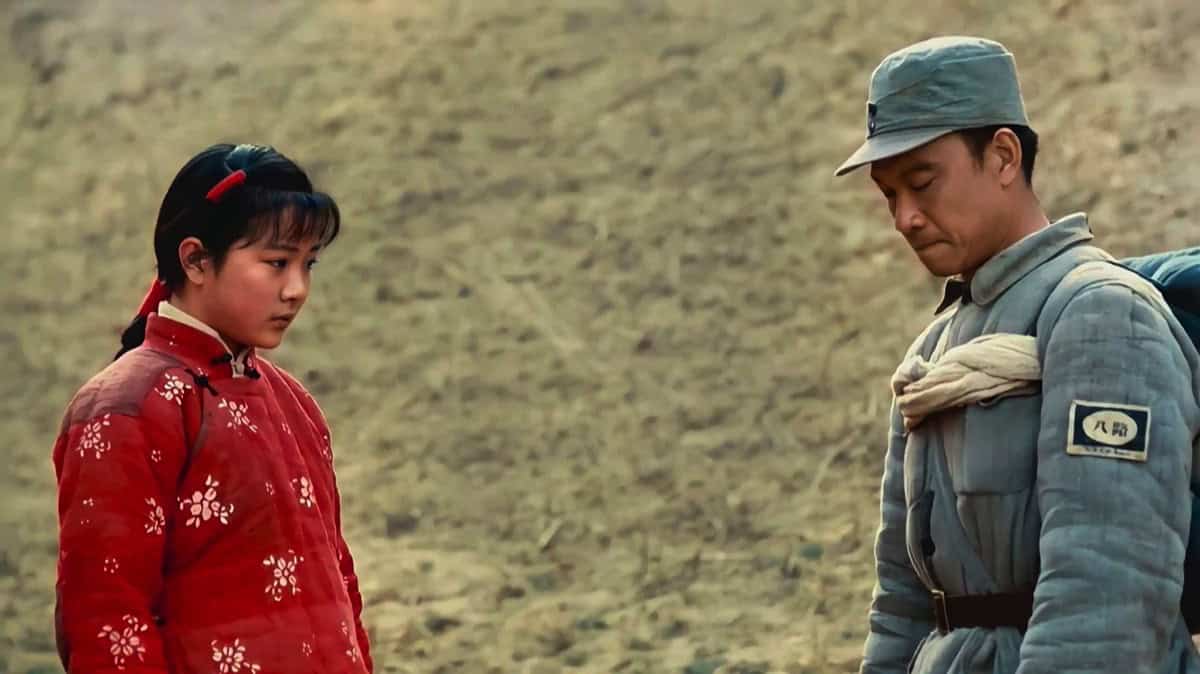
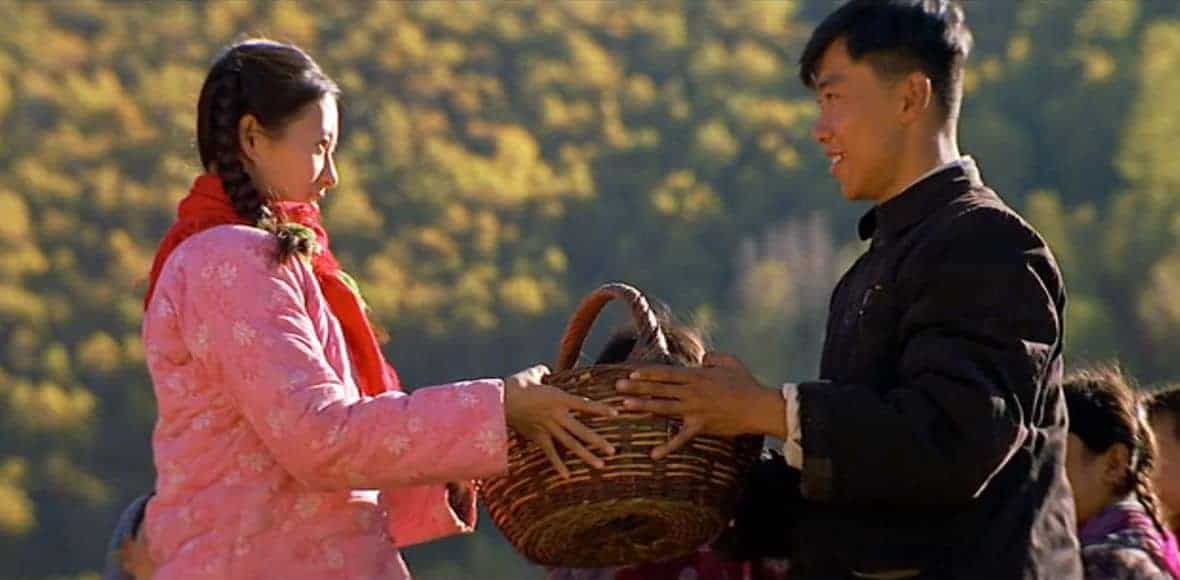
With "The Road Home," Zhang shifts to a more openly lyrical register, crafting a love story that feels like a cherished memory held together by color, ritual, and longing. Framed by a son’s return to his village after his father’s death, the film employs black and white for the present and luminous color for the past, an inversion that immediately signals memory as the realm of emotional truth. The central flashback recounts the courtship between the young village beauty Zhao Di and a new schoolteacher. While disarmingly simple on the surface, Zhang’s restraint imbues the story with profound power. Zhang Ziyi, in her debut, is radiant, carrying the film with a gesture, expression, and an almost elemental screen presence that makes Zhao Di’s innocence and devotion feel both archetypal and vividly real. Hou Yong’s cinematography, San Bao’s music, and Zhang’s delicate pacing combine to create a work of tenderness and nostalgia. Subtle hints of political and social friction—from educational stagnation to the lingering effects of the Cultural Revolution—are present in the background. The result is a film of unusual warmth in Zhang’s oeuvre, a visual delight whose emotional strength lies in its sincerity.
Hero (2002)
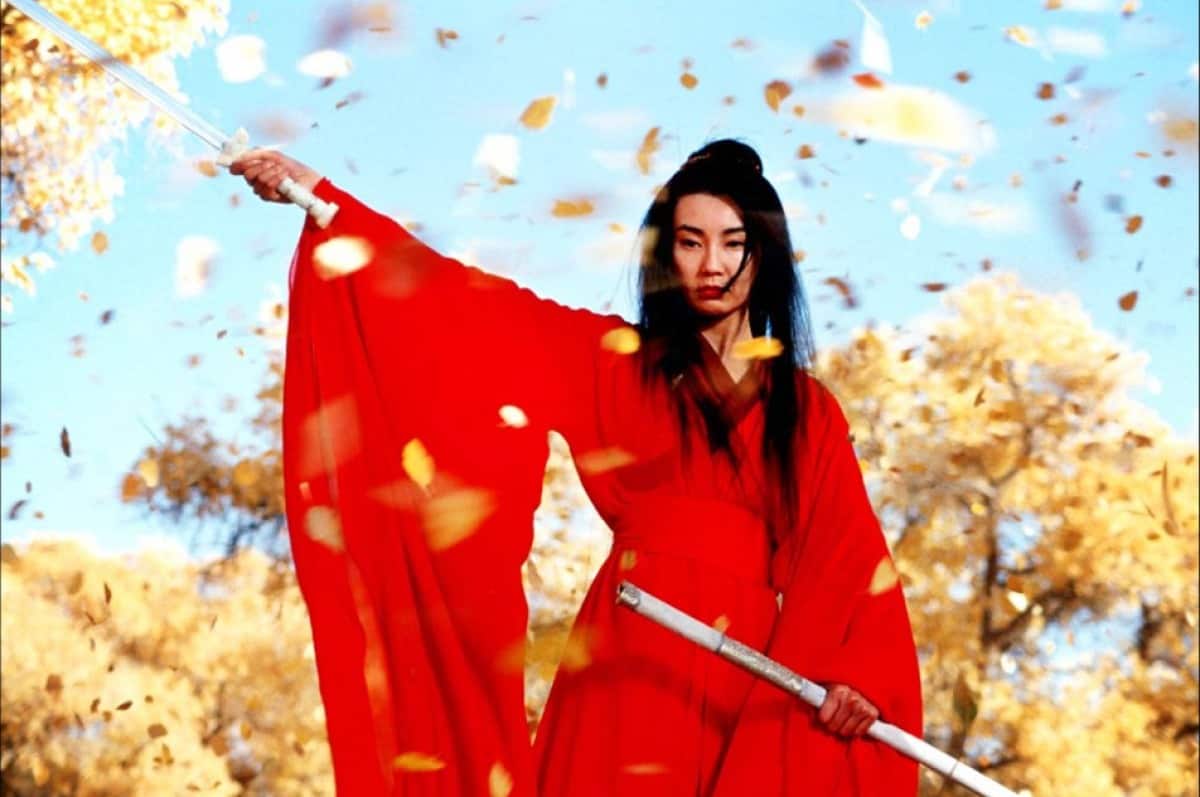
"Hero" marked a significant turning point in Zhang Yimou’s career, propelling him fully into the realm of the wuxia blockbuster while retaining his signature visual storytelling and thematic depth. The film’s deceptively simple premise—a nameless warrior recounts to the King of Qin how he defeated the realm’s greatest assassins—unfolds through competing versions of the truth, making deception, interpretation, and political ambition central to its design. What distinguishes "Hero" beyond its historical importance as a commercial breakthrough is Zhang’s innovative use of color not merely as decoration but as a narrative principle. Each shifting version of events is imbued with its own chromatic identity and emotional logic. Christopher Doyle’s cinematography transforms the film into a succession of painterly tableaux. Jet Li, Tony Leung, Maggie Cheung, Donnie Yen, Zhang Ziyi, and Chen Daoming anchor the spectacle with mythic gravitas. The action sequences are among the genre’s most beautiful, not just for their choreography but because each duel becomes a miniature drama of passion, betrayal, and philosophical conflict. "Hero" is entertaining in the grandest sense, yet far more intricate than its scale initially suggests, a film that helped inaugurate a new era of Chinese blockbuster cinema without sacrificing intelligence or beauty.
The Great Wall (2016)
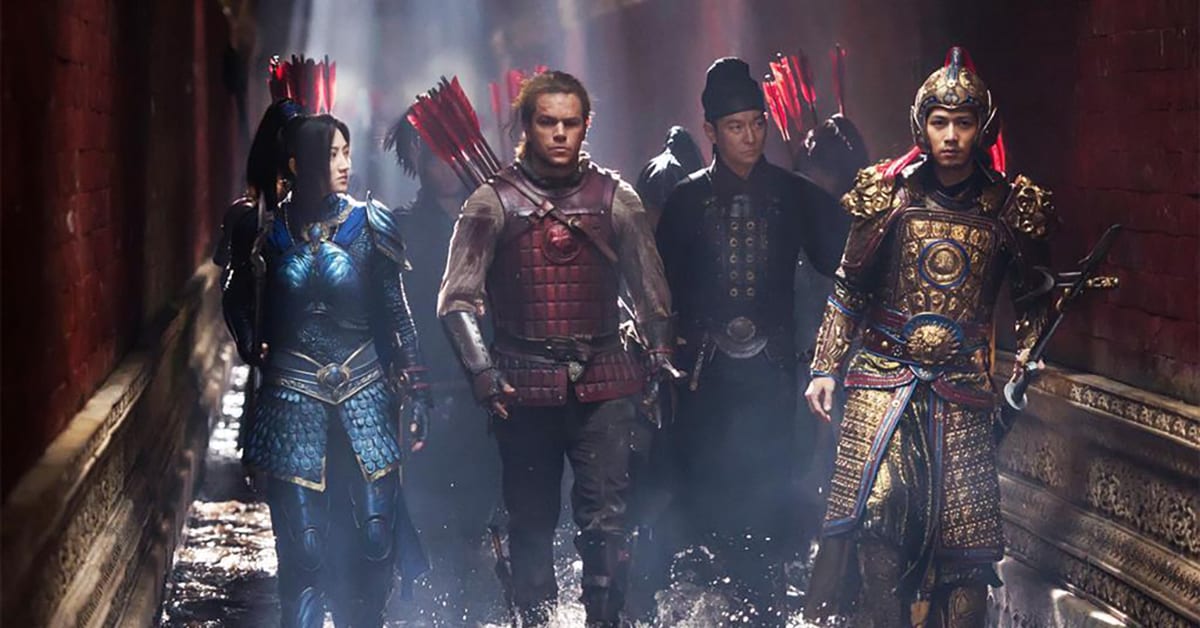
One of the most debated titles in Zhang Yimou’s filmography, "The Great Wall" stands as an ambitious but uneven experiment in transnational blockbuster filmmaking. Conceived as a major China-Hollywood collaboration and, at the time, the most expensive film ever made in China, it brought together a large Chinese cast and Matt Damon in a fantasy action narrative involving mercenaries, monsters, and the defense of the empire. Despite controversies surrounding its pre-release narrative, particularly accusations of white savior storytelling, the finished product is more nuanced. The Chinese military is clearly positioned as the central force of order and heroism, while the Western characters are portrayed as more opportunistic and morally compromised. However, the film’s more significant issues lie in its stiff and predictable script, thin characterization, and an emotional coldness that even Zhang’s formidable visual gifts cannot fully overcome. The battles are often striking, the color design unmistakably his, and there are flashes of the grandeur he brings to large-scale movement and spectacle. Yet, the film never quite achieves the narrative energy or dramatic involvement it requires. Ultimately, it remains an interesting industrial milestone and a watchable commercial product, more significant for what it represents than for what it artistically achieves.
Shadow (2018)
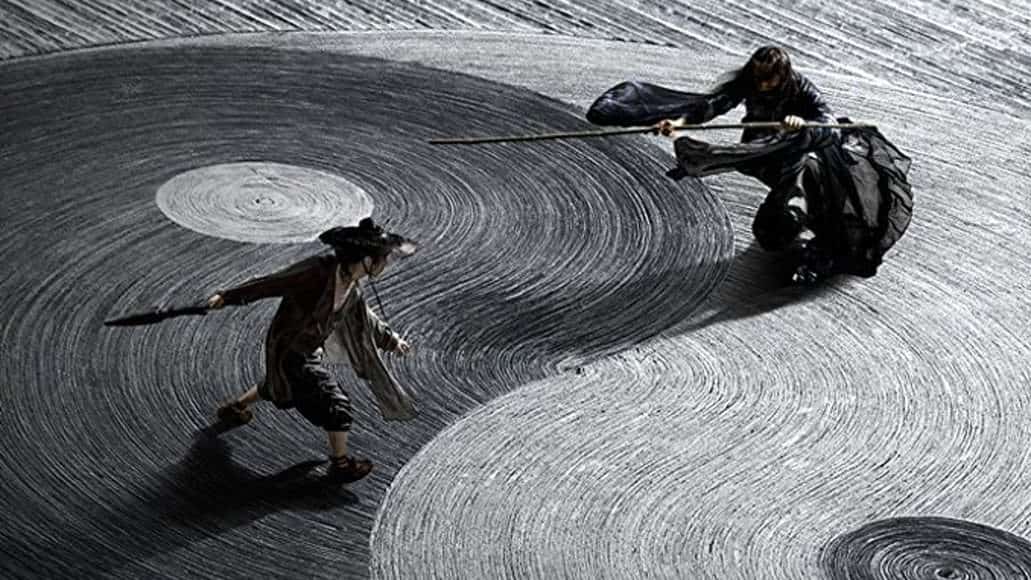
With "Shadow," Zhang Yimou returned to wuxia in a form that felt both classical and startlingly new, creating what may be the most visually radical film of his later career. The story of Commander Ziyu, his body double Jingzhou, the kingdom of Pei, and the contested city of Jingzhou unfolds as an intricate tale of conspiracy, identity, loyalty, and vengeance. However, what elevates it is the way every element is organized around duality: light and darkness, self and double, male and female, visibility and concealment. These are rendered through an astonishing monochromatic visual design that evokes ink-wash painting, punctuated only by blood, flashes of light, and the visceral textures of rain and steel. Deng Chao’s dual performance provides a strong dramatic center, while Sun Li and Zheng Kai add layers of emotional and political complexity. The film functions as both an action epic and a near-tragic meditation on power. The choreography, particularly the umbrella-based combat and the large battle sequences, is exhilarating, yet always tied to the narrative and symbolic stakes. "Shadow" is not merely a successful revival of wuxia form but one of Zhang’s true late masterpieces, an audiovisual poem where style and substance are inextricably linked.
One Second (2020)
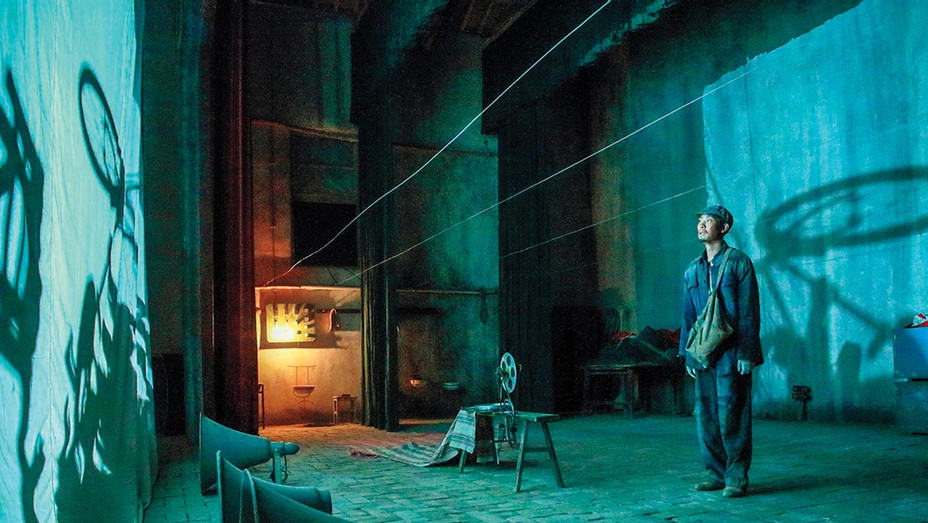
Following a troubled release history, including its abrupt withdrawal from the Berlin International Film Festival, "One Second" arrived with the aura of a compromised work. Yet, what remains on screen is deeply affecting. Set in 1975, the story follows an escaped convict desperate to see his daughter in a propaganda film, and a ragged orphan girl who steals the reel for her own practical reasons. Their paths converge, leading to conflict and eventually a fragile bond. Zhang divides the film between a road-movie pursuit and social drama, using desert landscapes and remote towns to depict a world of deprivation, absurdity, and longing. Simultaneously, the film becomes a loving reflection on cinema itself, not as an abstract concept, but as a communal event, a technological miracle, and an emotional necessity. The humor is gentle, the pathos controlled, and the sociopolitical observations—particularly regarding bureaucracy, poverty, and the cultural wreckage of the Cultural Revolution—are sharp enough to make one wonder what might have survived from a less compromised version. Zhang Yi is excellent as the desperate fugitive, Liu Haocun makes an immediate impression as the orphan girl, and Fan Wei delivers a memorable performance as the projectionist. "One Second" may not rank among Zhang’s greatest achievements, but it remains a moving and intelligent film, and one of his most personal love letters to the medium.
Cliff Walkers (2021)
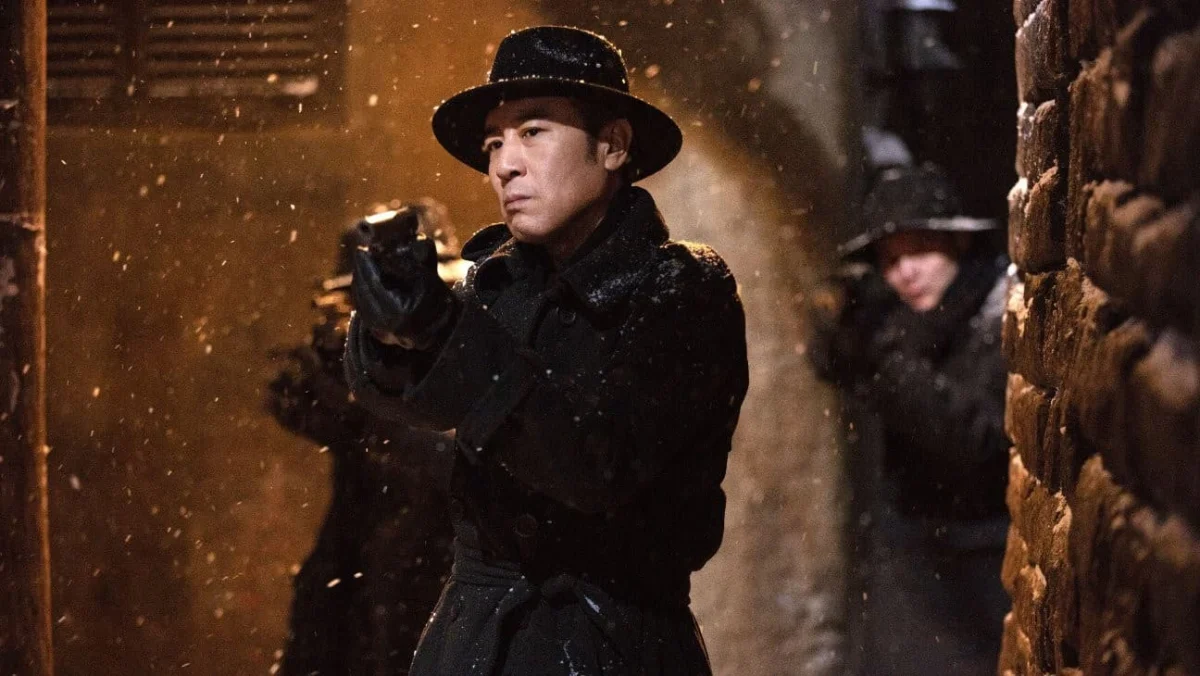
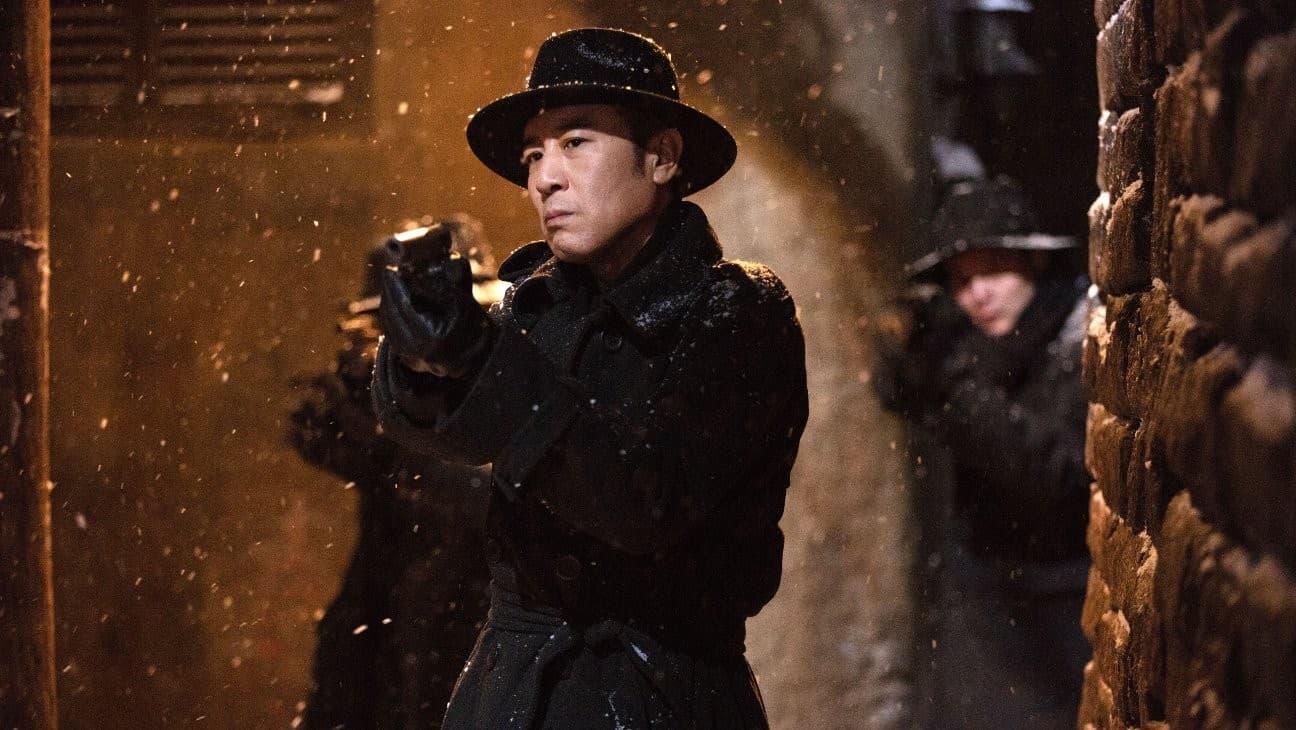
Zhang Yimou’s first true spy thriller is also one of the most accomplished genre works of his later period. It is an intricately plotted, lavishly mounted tale of communist agents, betrayals, and survival in snow-covered Manchukuo. The plot, involving four operatives arriving in Harbin for a secret mission after training in Russia, quickly escalates into a tense web of double-crosses, shifting loyalties, torture, pursuit, and sacrifice. Although the narrative can feel densely packed, it never loses momentum. What makes "Cliff Walkers" particularly impressive is not only its genre efficiency but its superb sense of atmosphere. Zhang meticulously rebuilds 1930s Harbin with extraordinary attention to detail, populating the film with noir-inflected streets, coats, hats, cars, and dim lighting, while making the snow itself feel like an active participant in the drama. Zhao Xiaoding’s cinematography is often stunning, particularly in its contrast of whiteness and darkness. Even quieter scenes, such as shared meals, become opportunities for characterization and tonal variation. The film confidently embraces melodrama, action, political commitment, and suspense, resulting in a blockbuster that is both visually rich and deeply entertaining—a handsome studio thriller that rewards theatrical viewing.
Snipers (2022)
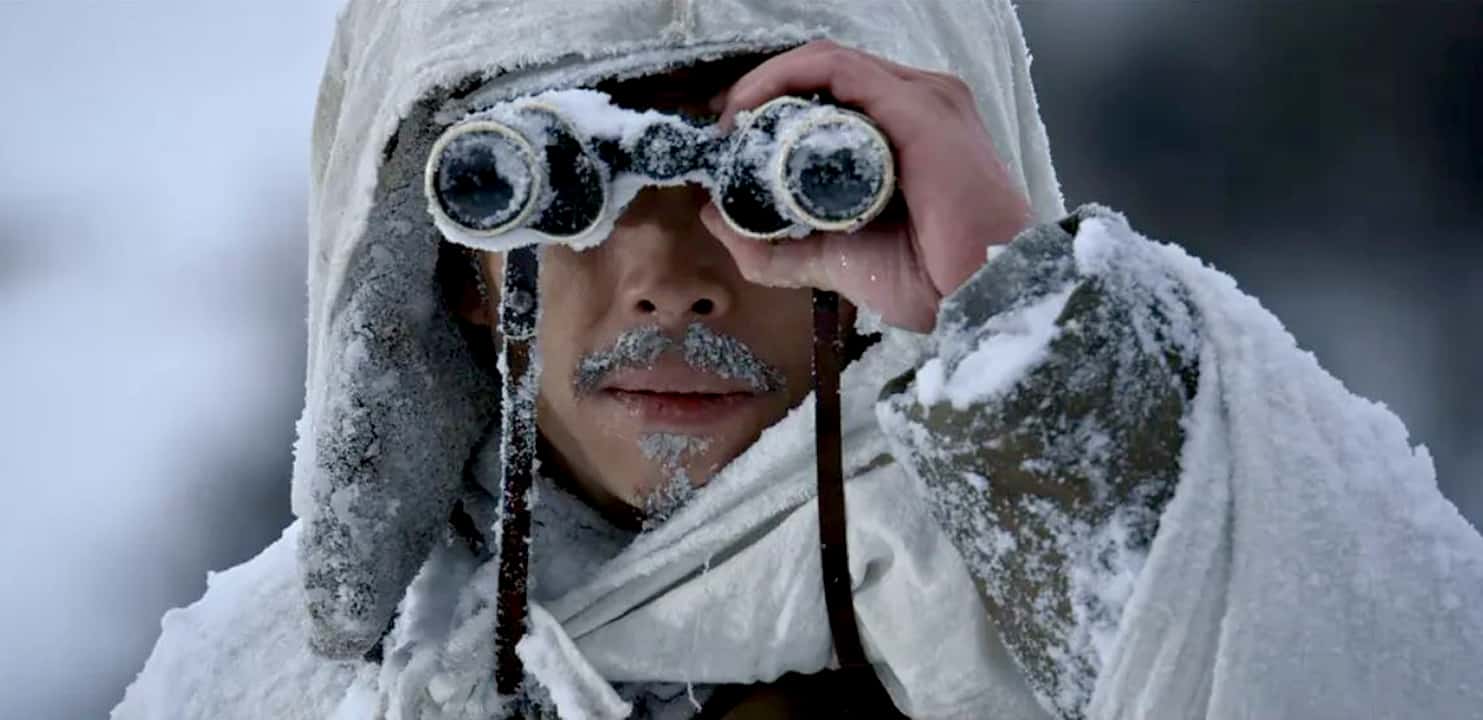
Co-directed with his daughter Zhang Mo, "Snipers" is a compact Korean War drama that largely eschews the scale of contemporary Chinese war epics in favor of a more concentrated conflict between two opposing sniper teams. Set during the 1952 "Cold Gun Movement," the film focuses on a Chinese squad attempting to rescue an intelligence agent while being hunted by American sharpshooters. This narrowed scope imbues the action with a degree of tactical tension that works in the film’s favor. Notably, the screenplay grants the American side more presence and relative humanity than one might expect, even if the Chinese characters, as is typical in such patriotic productions, remain the emotional core. Zhang Yu delivers a strong performance as the calm squad leader, and Chen Yongsheng brings sensitivity to the young marksman still finding his footing, though characterization remains somewhat thin overall. Zhao Xiaoding’s cinematography makes excellent use of the snowbound terrain, creating an eerie and attractive battlefield, though the use of slow motion and bullet-time can feel excessive. The film’s nationalist intent is clear and at times heavy-handed, but the action is often gripping, the runtime lean, and the craftsmanship solid enough to make "Snipers" a respectable minor work rather than a mere propaganda exercise.
Full River Red (2023)
One of the strongest films of Zhang Yimou’s recent years, "Full River Red" is a dazzling chamber mystery that begins as a period whodunit and gradually transforms into something far more intricate. It moves through political thriller, dark comedy, and historical revenge drama without ever losing its grip. Set in the Southern Song Dynasty, just before Qin Hui’s meeting with Jin delegates, the story centers on the murder of a diplomat and the search for a missing confidential letter. It draws in Deputy Commander Sun Jun, soldier Zhang Da, and an increasingly fascinating roster of suspects whose loyalties constantly shift. Zhang handles the real-time structure with remarkable assurance, allowing the plot to evolve continuously while maintaining tension across a lengthy runtime built largely on dialogue, intrigue, and revelation. Shen Teng and Jackson Yee anchor the film beautifully, Lei Jiayin is superbly hateful as Qin Hui, and the supporting cast lends the film essential depth. Visually, the film is exquisite, with blue-toned pre-dawn imagery, flashes of red, narrow corridors, and tightly controlled compositions creating a sense of pressure and movement. Han Hong’s inspired score, blending operatic and modern elements, becomes one of the movie’s secret weapons. At an age when many filmmakers settle into repetition, Zhang once again proves his ability to deliver something fresh, playful, and masterfully controlled.
Scare Out (2026)
If "Cliff Walkers" showcased Zhang Yimou’s flair for espionage in a historical setting, "Scare Out" relocates the thriller machinery to contemporary China, revealing both the strengths and limitations of his current phase. Centered on a National Security investigation into a potential mole within the system, the film possesses a workable cat-and-mouse premise and an appealing star cast. Zhu Yilong and Jackson Yee bring sufficient seriousness and charisma to sustain the procedural core, while Yang Mi nearly steals the film as the alluring and dangerous Bi Fan. On a purely functional level, the film operates effectively as a sleek urban thriller. The cityscapes, lighting, and polished surfaces are photographed with professional competence. However, the production never quite shakes the feeling of Zhang operating on autopilot, lacking much of the visual daring or emotional richness that characterized his best work. More crucially, the film seems constrained by its own ideological function, attempting to tell a story about infiltration and mistrust while simultaneously insisting on the incorruptibility of the patriotic apparatus it celebrates. This contradiction blunts the suspense and makes the twist-heavy ending feel cautious rather than provocative. "Scare Out" is not without entertainment value, but it ultimately plays like a carefully managed thriller that repeatedly approaches complexity only to retreat into safety, nationalism, and reassurance.
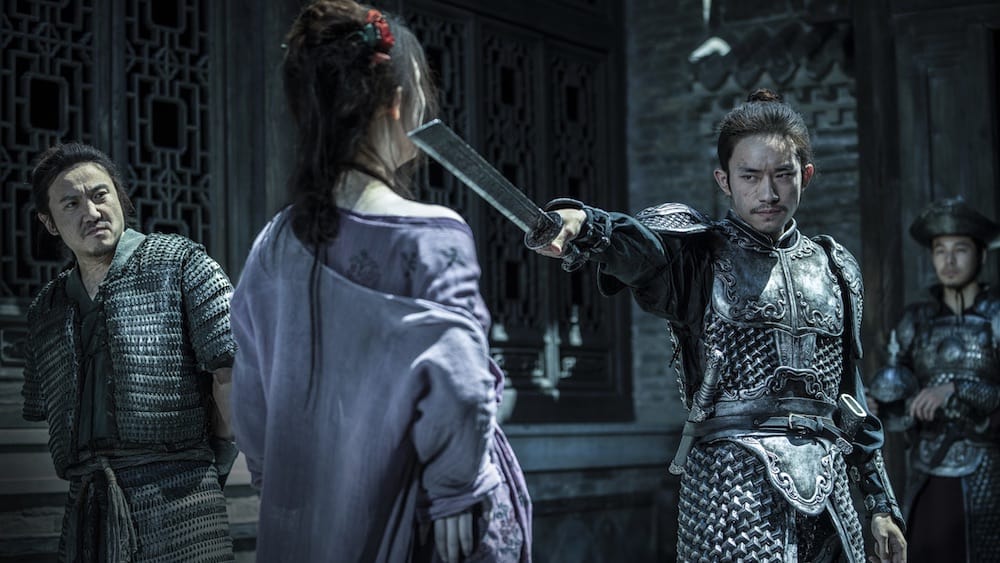
Zhang Yimou’s filmography is too vast and varied to be confined by any single label, and that remains a primary reason he continues to inspire considerable debate. He is a master of color and movement, yet equally adept at silence and stillness. He created some of the most important arthouse films to emerge from China, then helped define the era of the Chinese blockbuster, before moving into public spectacle on a scale few filmmakers have ever attempted. His work can be lyrical, abrasive, intimate, propagandistic, transcendent, compromised, and brilliant—sometimes all within the same decade. Yet, even these contradictions coalesce into a coherent portrait. Zhang Yimou is not merely one of the great Chinese directors; he is one of the central filmmakers of the last half-century, an artist whose career chronicles not only his own evolution but that of Chinese cinema itself. The results have not always been uniformly exceptional, but they have almost invariably been impossible to ignore.