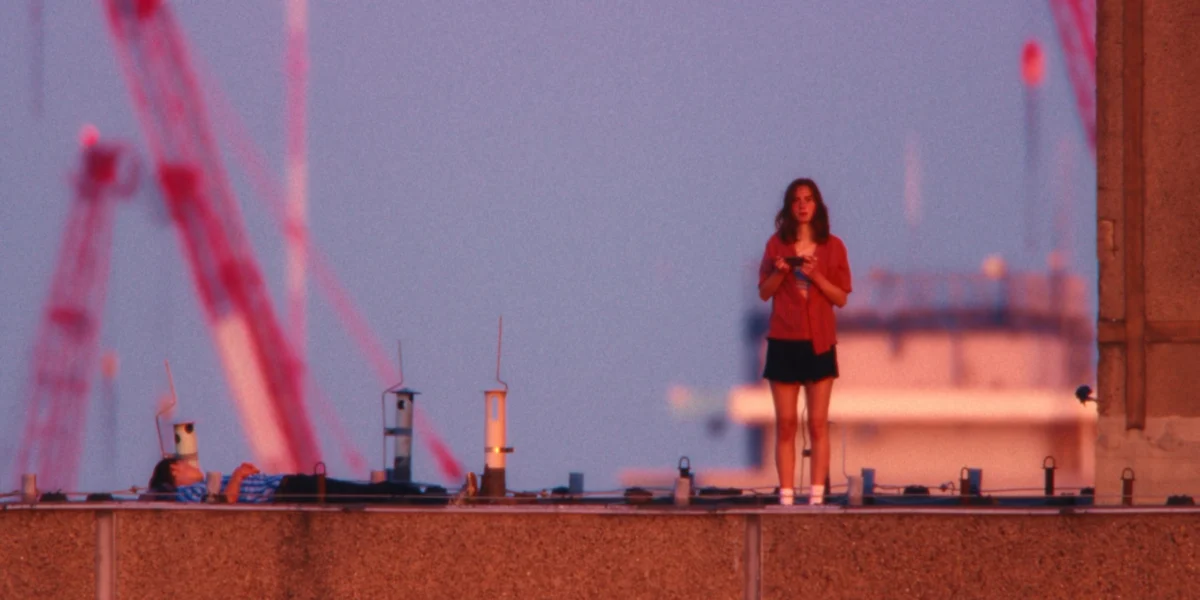
Sandra Wollner’s latest cinematic offering, "Everytime," emerges from the shadows of a turbulent global period, a poignant exploration of grief, forgiveness, and the unexpected bonds forged in the crucible of tragedy. This 121-minute feature, starring Birgit Minichmayr, Tristán López, Lotte Shirin Keiling, and Carla Hüttermann, navigates the delicate aftermath of a devastating event that irrevocably alters the lives of a mother and her two daughters, ultimately drawing in a teenage boy who becomes an unlikely participant in their journey toward healing. The film, penned and directed by Wollner, eschews overt melodrama for a quietly devastating portrayal of human resilience, set against the sun-drenched, yet emotionally charged, backdrop of Tenerife.
The genesis of "Everytime" can be traced, in part, to the controversial reception of Wollner’s previous film, "The Trouble With Being Born." Released in 2020 amidst the widespread disruption of the COVID-19 pandemic, which saw film productions halt and cinemas shutter worldwide, "The Trouble With Being Born" found itself at the center of an unexpected storm. The Melbourne International Film Festival, a prominent fixture on the international festival circuit, controversially withdrew the film from its official selection. This decision, citing concerns raised by forensic psychologists who theorized the film could potentially normalize sexual interest in children, sparked significant debate within the film industry and among critics. The film’s audacious examination of patriarchal abuse through the lens of artificial intelligence, specifically the exploitation of child-like androids by their sexually abusive fathers, had already positioned it as a provocative work. The subsequent censorship, despite being denounced by prominent Australian critics such as Peter Krausz, Tom Ryan, and David Stratton, highlighted the growing anxieties surrounding the depiction of sensitive themes in the digital age. This background of controversy and thematic daring undoubtedly informed Wollner’s subsequent creative endeavors, leading her to a different, yet equally profound, exploration of family and loss.
"Everytime" pivots from the dystopian near-future of "The Trouble With Being Born" to a contemporary, albeit emotionally fraught, present. The narrative initially establishes a semblance of normalcy within a German family. We are introduced to a matriarch and her two daughters, Melli and Jessie, whose interactions are characterized by the playful squabbles and affectionate antagonism typical of close sibling relationships. Melli’s youthful exuberance, often expressed through her piano playing, irks Jessie, who retaliates with sibling-like pranks, such as capturing Melli’s sleeping visage. These early scenes, rendered with an authentic tenderness by actors Carla Hüttermann and Lotte Keiling, effectively capture the deep-seated camaraderie and shared history that define sisterhood. Wollner’s directorial approach in these initial moments is marked by a deliberate pacing, a subtle elongation of shots that allows the on-screen emotions to resonate. This stylistic choice, described by critics as "poetic prolongation," serves as a quiet foreshadowing of the impending tragedy, creating a palpable sense of anticipation that underscores the fragility of domestic bliss.
The film’s deliberate visual language, a hallmark of Wollner’s directorial style, is further enhanced by the cinematography of Gregory Oke. The use of a vibrant color palette and immaculately choreographed compositions imbues the film with an expressionistic quality, allowing the visual elements to communicate emotional nuances that dialogue might otherwise explicitly state. This meticulous attention to visual storytelling complements the earnest performances of the cast, creating a cinematic experience that is both intellectually engaging and emotionally resonant. Wollner’s sustained, complex shots, often referred to as "oners," masterfully capture the authenticity of the performances, allowing the audience to immerse themselves in the characters’ lived experiences without the jarring interruption of frequent cuts.
The narrative pivot occurs with the devastating loss of one of the sisters, an event that irrevocably alters the family dynamic and sets in motion the film’s central themes of grief, blame, and the arduous path to forgiveness. The mother, portrayed with profound depth by Birgit Minichmayr, is left to grapple with an overwhelming sense of loss and the silent burden of guilt. Minichmayr’s performance is a masterclass in restrained emotion. In one particularly poignant scene, she encounters her deceased daughter’s former friends, a chance encounter that forces her to confront the tangible absence of her child. Her ability to mask her pain, to maintain a facade of composure while conveying the immense weight of her grief, is a testament to her skill and Wollner’s nuanced direction. This portrayal offers a complex and heartbreaking look at a woman navigating the labyrinthine terrain of loss and the arduous journey toward reconciliation with herself and her remaining daughter.
The film’s narrative then expands to include a teenage boy, Tristán López, whose connection to the family, though initially unclear, becomes central to their healing process. The emergence of this character suggests a pre-existing relationship, perhaps a friend of the deceased sister or a student of the mother, whose own grief and potential culpability become intertwined with the family’s. The presence of this external figure highlights the ripple effect of tragedy, demonstrating how loss can draw disparate individuals into a shared orbit of sorrow and, eventually, shared healing.
"Everytime" distinguishes itself through its deliberate avoidance of histrionics. Wollner opts for a subtle, implied approach to depicting the characters’ collective guilt and grief, allowing the audience to infer the depth of their emotional turmoil. This dramatic restraint is a key element in the film’s power, preventing the narrative from devolving into unnecessary melodrama and instead focusing on genuine pathos. The film explores the unspoken weight of "what ifs" and "if onlys" that often accompany profound loss. The mother and surviving daughter, alongside the teenage boy, form an unlikely trio bound by their shared connection to the lost sister. Their journey is one of quiet reconnection and mutual understanding, a slow process of finding closure in the shadow of absence.
Wollner demonstrates a remarkable ability to navigate tonal complexities, seamlessly blending moments of levity with profound emotional devastation. The inclusion of a "fart joke," an element that might seem incongruous in a film dealing with such heavy themes, serves a vital narrative purpose. It acts as a release valve, momentarily breaking the pervasive tension and underscoring the resilience of the human spirit, which can find moments of absurdity even in the darkest of times. This tonal tightrope walk is executed with precision, a testament to Wollner’s directorial acumen.
Furthermore, "Everytime" touches upon themes of technology and its role in human connection, a recurring motif in Wollner’s work. The film’s electronic soundtrack, composed by David Schweighart, is an integral part of this exploration. It masterfully blends gentle lullaby melodies with abstract tones, mirroring the characters’ journey towards self-actualization. As the characters find mutual understanding and acceptance, the score becomes increasingly melodic, reflecting their growing sense of peace and reconciliation. This sonic landscape serves as a digital companion to their emotional evolution, highlighting the intersection of technology and the human psyche.
However, the article notes a potential area for deeper exploration within the film: the integration of technology. While the screencapture of Minecraft gameplay footage offers a glimpse into a younger sibling’s coping mechanisms and use of the game as a personal escape, the film’s engagement with technological themes, particularly social media, is perceived as somewhat sidelined. The suggestion is made that incorporating social media platforms could have provided a more nuanced insight into the deceased sister’s mental state and internal world, potentially enriching her characterization before her untimely death. The absence of social media in a film depicting the daily lives of 21st-century teenagers is flagged as a "bewildering scripted choice," implying a missed opportunity to further explore the complexities of modern adolescent life and digital identity.
The film’s enigmatic third act embraces the inherent mysteries and miracles of existence. Nostalgia is not merely an abstract concept but a tangible force that shapes the characters’ perceptions of time and space. Wollner flirts with elements of magical realism, venturing into the liminal spaces of memory and perception. This expressionistic finale, while perhaps offering a convenient resolution, ultimately leans into the profound beauty and strangeness of life’s unresolved questions. Much like the family’s acceptance of their profound loss, the film concludes with an embrace of the unknown, finding peace not in definitive answers but in the shared experience of reconciliation and the enduring power of human connection.
"Everytime" is ultimately characterized as a luminous, life-affirming cinematic voyage. Its slow-moving yet absorbing pace, coupled with accomplished camera choreography and patient storytelling, creates a deeply moving and resonant experience. The film’s journey, from the initial portrayal of familial harmony to the profound depths of grief and the tentative steps towards healing, offers a testament to the enduring strength of the human spirit and the transformative power of shared experience. The film’s success lies in its ability to evoke a deep emotional response through its understated elegance and its profound understanding of the human condition, making it a significant entry in contemporary cinema. The intricate tapestry of its narrative, woven with threads of loss, love, and eventual acceptance, solidifies "Everytime" as a film that lingers long after the credits roll.