The flickering of Hollywood’s silver screen, often steeped in manufactured dread, has cast a long shadow over a profound cultural narrative, one rooted in the very soil of colonial Haiti. Maya Annik Bedward’s documentary, "Black Zombie," emerges not as another installment in the ever-expanding zombie canon, but as a vital act of historical excavation and cultural reclamation. Premiering at SXSW, the film meticulously unearths the buried origins of the zombie archetype, transforming it from a gratuitous symbol of fear into a potent emblem of survival, spiritual resistance, and the enduring legacy of enslaved peoples.
At its core, "Black Zombie" is a powerful testament to the resilience of the Haitian people, charting a centuries-long saga of hardship that began with the brutal realities of chattel slavery and continued through the imposition of foreign religions and the enduring impact of colonial oppression. The documentary challenges the Western cinematic portrayal of the zombie, which has largely divorced the creature from its Vodou roots and, in doing so, has perpetuated harmful stereotypes and obscured a rich spiritual practice. Bedward’s work serves as a critical counter-narrative, revealing how the evolution of the zombie in mainstream media has devalued and distorted a complex religious tradition, ultimately contributing to a globalized fear that has been historically racialized.
From Colonial Oppression to Hollywood Stereotypes
The historical roots of the zombie are inextricably linked to the horrific conditions of slavery in colonial Haiti. During this period, the concept of "zombification" was not a fantastical horror trope but a chilling metaphor for the dehumanizing reality of enslaved labor. Individuals forced into perpetual servitude, stripped of their autonomy and treated as mere automatons, were, in essence, living embodiments of the zombified state. This lived experience of profound subjugation and the loss of self became a potent symbol, one that would later be twisted and sensationalized by colonial narratives.
Following the Haitian Revolution, a monumental struggle for independence that concluded in 1804, Vodou, a syncretic religion born from the fusion of West African spiritual traditions and Catholicism, faced systematic suppression. The Haitian constitution, in its nascent stages of nationhood, even outlawed Vodou, a move that reflected the deep-seated influence of colonial powers and the fear they harbored towards indigenous spiritual practices. This suppression, coupled with a pervasive misunderstanding of Vodou, created fertile ground for misrepresentation.
The United States, in particular, exploited these cultural misunderstandings. As the documentary details, the U.S. military occupation of Haiti from 1915 to 1934 saw American forces actively engage in the suppression of Vodou and its practitioners. This occupation, often framed by the U.S. as a benevolent intervention aimed at bringing stability, was, in reality, a period of continued exploitation and the weaponization of cultural ignorance. The notion of the "zombie" became a tool in this arsenal of disinformation, used to paint Haitian culture as primitive, superstitious, and inherently dangerous. This narrative served to justify continued foreign interference and the perpetuation of forced labor systems, effectively equating the spiritual beliefs of the Haitian people with a state of mindless servitude.
The Literary and Cinematic Genesis of the Modern Zombie
The trajectory from Haitian reality to Hollywood horror is significantly marked by the publication of W.B. Seabrook’s 1929 novel, "The Magic Island." Seabrook, an American journalist, ventured into Haiti and, through his lens, presented a sensationalized and often inaccurate depiction of Vodou and its associated beliefs. His work, though influential, was deeply flawed, drawing heavily on existing colonial prejudices and contributing significantly to the burgeoning stereotype of the zombie as a monstrous, fear-inducing entity.
Seabrook’s novel provided the foundational narrative for the first major cinematic portrayal of the zombie: Victor Halperin’s 1932 film, "White Zombie." Starring Bela Lugosi, the film depicted a Haitian Vodou priest who uses a formula to control the minds of his victims, turning them into mindless slaves. While "White Zombie" is a landmark in horror cinema, it cemented the racialized and dehumanizing tropes associated with the zombie in the Western imagination. The film, and others that followed, largely divorced the zombie from its Haitian context, presenting it as a purely malevolent force devoid of its original spiritual and social significance. This cinematic legacy effectively transformed a symbol of resistance into a figure of abject terror, inextricably linking Blackness with something sinister and primal.
George Romero and the Shifting Sands of Zombie Mythology
The evolution of the zombie archetype took a significant turn with the release of George A. Romero’s groundbreaking 1968 film, "Night of the Living Dead." While this film is often credited with redefining the modern zombie genre, "Black Zombie" meticulously examines how even Romero’s seemingly post-Vodou creation carried echoes of the earlier racialized anxieties. Romero’s zombies were no longer under the direct control of a Vodou priest but were driven by an insatiable hunger for human flesh, representing a more primal, existential threat.
However, "Night of the Living Dead" was released at a pivotal moment in American history, amidst the fervent struggles of the Civil Rights Movement and widespread social unrest. The film’s depiction of a breakdown in societal order, the indiscriminate nature of the zombie threat, and the survival of a Black protagonist, Duane Jones, at its center, imbued the film with a potent political resonance. "Black Zombie" argues that while Romero moved away from explicit Vodou mythology, the film’s exploration of societal collapse and the fear of the "other" resonated with existing racial tensions. The presence of a Black hero navigating a world overrun by monstrous figures, even if those figures were no longer explicitly tied to Vodou, carried an undeniable emotional weight, hinting at the persistence of earlier stigmas and the complex relationship between race and fear in American culture.
A Rich Tapestry of Voices and Visuals
Maya Annik Bedward’s documentary employs a multifaceted approach to its subject matter, blending traditional documentary techniques with innovative storytelling. The film is enriched by a diverse array of voices, featuring interviews with Yves-Grégoire François, Anderson Mojica, Erol Josué, Mambo Labelle Dése Botanica, and Zandashé Brown – practitioners of Vodou and cultural custodians who offer firsthand insights into the religion’s true nature.
The film also draws upon the perspectives of those deeply involved in the evolution of the zombie genre itself. Collaborators of George Romero, such as the legendary special effects artist Tom Savini, and prominent horror author Tananarive Due, provide crucial context from within the film industry. This broad spectrum of interviews, encompassing academics, filmmakers, and cultural practitioners, creates a robust and nuanced exploration of the zombie’s journey.
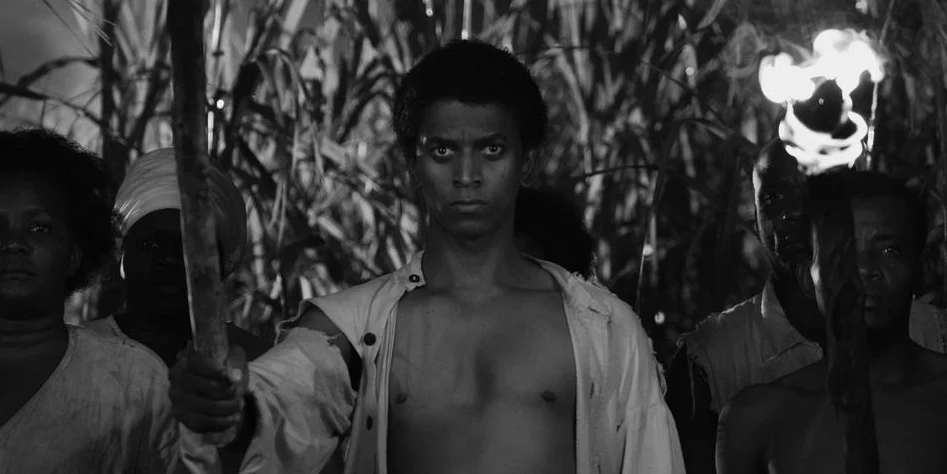
Visually, "Black Zombie" is as compelling as its narrative. Director Maya Annik Bedward, alongside cinematographers Duraid Munajim and Ricardo Diaz, masterfully employs evocative black-and-white cinematography for portions of the film. These sequences, which meticulously recreate the harsh realities of colonial Haiti and the grueling labor in the sugar cane fields, transport the viewer back in time, offering a visceral understanding of the historical context. The use of archival footage further grounds the documentary in historical fact, juxtaposing the stark realities of the past with the fantastical portrayals of the present. The inclusion of figures like Anderson Mojica and Erol Josué, alongside the commentary of figures like Tananarive Due and Zandashé Brown, ensures a comprehensive and deeply informed perspective. Even the inclusion of rock icon Slash, known for his own appreciation of horror, hints at the broad cultural reach of the zombie phenomenon and its potential for cross-disciplinary analysis.
Reclaiming the Narrative: Vodou as Resilience
"Black Zombie" fundamentally asserts that Vodou is not the sinister, fear-mongering force that Western media has so often portrayed. Instead, the film highlights its profound spiritual depth, its rich cultural heritage, and its role as a source of resilience for the Haitian people. Bedward’s work underscores how the persistent misrepresentation of Vodou and the zombie archetype has served to strip the Haitian identity of its dignity and complexity, reducing it to a caricature of fear and superstition.
The documentary’s journey ultimately circles back to Haiti, the origin point of the zombie narrative, bringing the conversation full circle. By centering the voices and experiences of Haitian people and practitioners of Vodou, Bedward reclaims the narrative, reframing the zombie not as a monster, but as a powerful metaphor for oppression and a symbol of the enduring human spirit’s capacity for survival and resistance. The film’s central thesis, eloquently captured by a quote from one of its interview subjects – "Zombification is living under someone’s thumb" – encapsulates this powerful reinterpretation, connecting the historical trauma of slavery to the broader concept of dehumanization.
The Enduring Legacy and Future of the Zombie
The ubiquity of the zombie in contemporary popular culture, evident in mega-franchises like "The Walking Dead" and critically acclaimed series such as "The Last of Us," suggests that this archetypal figure is far from fading from our collective consciousness. These modern iterations, while often distancing themselves from the Vodou origins, continue to tap into primal anxieties about survival, societal collapse, and the nature of humanity itself.
In this context, "Black Zombie" serves as an indispensable resource. It provides a vital historical and cultural corrective, urging audiences to look beyond the surface-level scares and understand the deeper, often painful, origins of the zombie phenomenon. By illuminating the cultural appropriation and misrepresentation that have shaped the zombie’s journey from Haitian spiritual practice to global horror icon, Bedward’s documentary offers a necessary foundation for appreciating the complex and enduring legacy of this powerful symbol. It is a call to recognize that stories not only shape our understanding of the past but also hold the power to reclaim what has been lost and to foster a more nuanced and respectful engagement with diverse cultural traditions. The film’s 90-minute runtime is packed with profound insights, making it a significant contribution to both documentary filmmaking and the ongoing discourse surrounding cultural representation and historical accuracy.