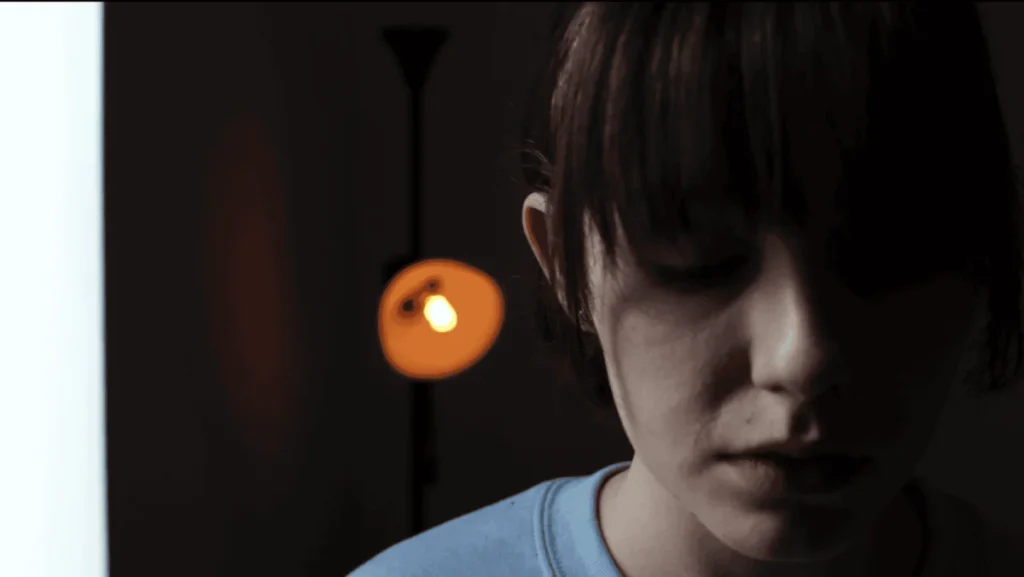



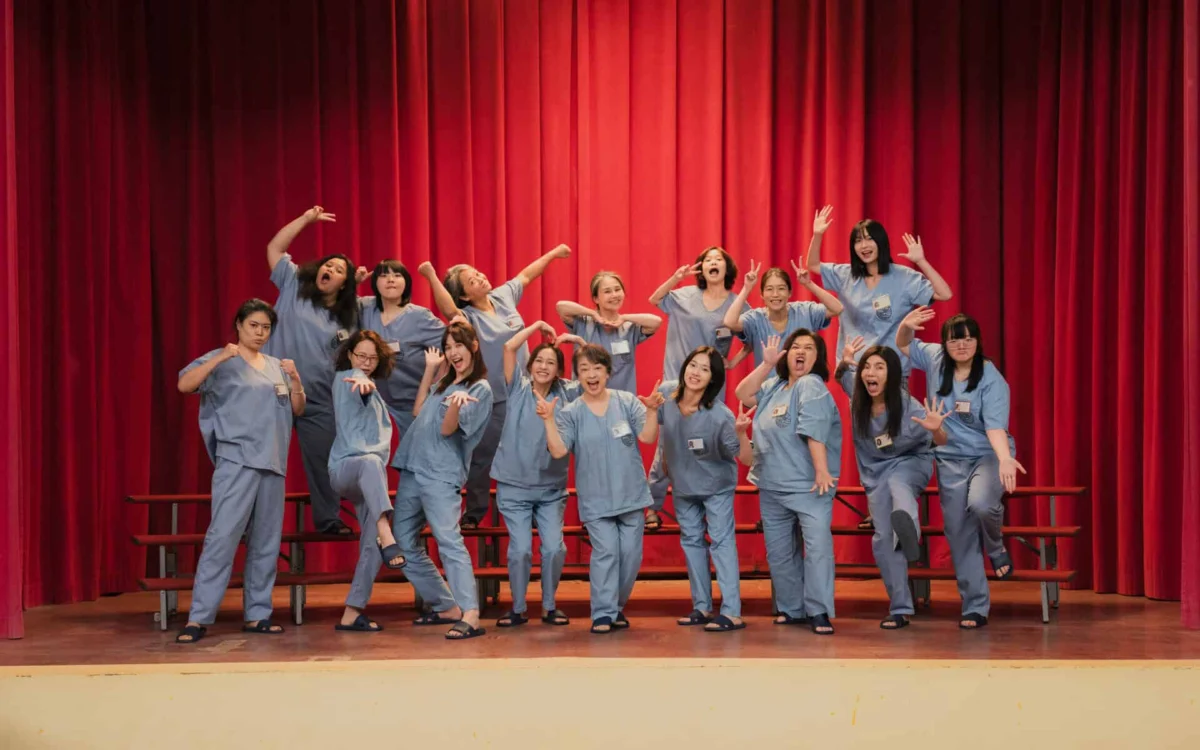
The highly anticipated Taiwanese Mandarin-language drama, "Sunshine Woman’s Choir," directed by Gavin Lin and co-written by Hermes Lu, has officially premiered in UK and Ireland cinemas on April 17th, courtesy of Central City Media. This marks a significant collaboration between Lin and Lu, following their critically acclaimed remake of "More than Blue." Released domestically on December 31, 2025, the film, inspired by real-life narratives and elements from Kang Dae-kyu’s 2010 Korean film "Harmony," intricately weaves a prison drama with compelling musical interludes. At its core, the story explores profound themes of redemption, the fierce bonds of motherhood, and the resilience of solidarity forged within the confines of a correctional facility. The production boasts an impressive ensemble cast, featuring standout performances from Ivy Chen, Sun Shu-mei, Amber An, Judy Ongg, and Ho Man-xi, who collectively breathe life into a diverse array of characters navigating the unique challenges of prison life.
A Record-Breaking Cinematic Achievement
"Sunshine Woman’s Choir" has not only captivated audiences but has also achieved an unprecedented level of commercial success in Taiwan. The film has shattered previous records, emerging as the highest-grossing local production in the island’s cinematic history. To date, it has amassed an astounding NT$545 million at the box office, eclipsing the long-standing benchmark set by Wei Te-Sheng’s "Cape No. 7" in 2008. The film’s dominance at the daily box office was evident from its rapid ascent to the number one position on January 12th, a feat it maintained with remarkable tenacity. For an extended period, "Sunshine Woman’s Choir" consistently generated daily earnings exceeding NT$10 million, a testament to its widespread appeal and enduring popularity among viewers. This sustained financial success underscores a growing appetite for authentic, character-driven narratives that resonate deeply with local audiences and offer a fresh perspective on societal issues.
Narrative Unfolding: A Symphony of Resilience
The narrative of "Sunshine Woman’s Choir" centers on Hui-zhen, an inmate who finds herself giving birth to her daughter, Yun-shi, while serving time. Within the stark realities of the women’s prison, Hui-zhen cultivates a surrogate family among her fellow inmates. These women, each carrying the weight of their own troubled pasts, form a unique bond. Among them is Pei-ying, a charismatic scam artist with a surprisingly warm heart; Xiu-lan, a woman known for her fiery temper; and the elder Yu-ying, a former music star whose past experiences lend a poignant gravitas to her presence. Their collective existence within the prison walls gradually transforms into a profound familial dynamic, particularly as they rally together to support Hui-zhen in raising her newborn under the unique circumstances permitted by the prison authorities.
The arrival of You-xin, a rebellious and initially disruptive newcomer, momentarily unsettles the established equilibrium. However, through shared experiences and the unifying purpose that emerges, she gradually integrates into the group. A critical turning point in the narrative arrives with the revelation that Yun-shi suffers from a degenerative eye condition. This news galvanizes Hui-zhen to find a way to create enduring, cherished memories for her daughter before she is eventually placed for adoption. This profound desire leads to the formation of a prison choir. Despite existing tensions and rivalries within the inmate population, the choir becomes a beacon of unity, drawing together disparate factions. Under the tutelage of Yu-ying, the women embark on a journey of musical preparation for a performance that transcends mere entertainment. It becomes a powerful, collective expression of hope, a testament to their interconnectedness, and a profound avenue for emotional release. Interwoven with the prison narrative are poignant glimpses into Yun-shi’s future, offering a broader perspective on the lasting impact of the bonds forged within these walls.
Directorial Vision: A Harmonious Blend of Genres
Director Gavin Lin demonstrates a masterful ability to fuse disparate mainstream cinematic styles, most notably comedy and melodrama. The inherent drama of the prison setting, coupled with the uplifting and cathartic element of music, further enriches this stylistic approach. Lin’s adeptness in transitioning between these tones is perhaps the most commendable aspect of his direction. While the seamless shifts are generally effective, there are instances where certain scenes, presented with a specific tonal emphasis, might have potentially resonated even more powerfully if explored with a different stylistic lens. This nuanced approach to genre blending allows the film to navigate the often-harsh realities of prison life while simultaneously offering moments of levity and profound emotional resonance.
The film powerfully embodies the quintessential "underdog" narrative, where characters strive for success against seemingly insurmountable odds. This theme is established from the outset with Hui-zhen’s courageous efforts to raise her infant daughter within the confines of her incarceration. This struggle extends to her fellow inmates and culminates in the formation of the choir, a diverse ensemble representing a cross-section of backgrounds and experiences. While the narrative unfolds in a manner that may not strictly adhere to strict realism, particularly in its depiction of the prison environment, the pervasive melodramatic undertones effectively temper any tendency towards excessive lightheartedness, ensuring that the story maintains its emotional weight despite the challenging circumstances.
A pronounced "girl-power" ethos permeates the film, with a significant majority of the inmates portrayed as victims of deeply abusive male figures, illustrating various forms of violence and exploitation. This theme is further reinforced by the gradual revelation of the female prison warden’s more compassionate side and the supportive role adopted by a police officer towards the film’s conclusion. Although this approach can occasionally verge on the exaggerated, the prevailing melodramatic tone, especially in the film’s poignant resolution, successfully maintains a sense of emotional equilibrium and narrative coherence.
An Inclusive Ensemble: The Power of Diversity
The selection process for the choir members is a particularly noteworthy aspect of the film, showcasing an intentionally inclusive approach that embraces a wide spectrum of personalities. The ensemble comprises a single mother, an older woman, an inmate with a larger physique, a model-esque figure, a tomboy, and a housewife, among others. This deliberate diversification not only reflects a broader representation of society but also facilitates deeper audience identification, thereby enhancing the film’s crowd-pleasing appeal. The manner in which these disparate individuals coalesce, and particularly how the choir forms while each character retains her distinct individuality, stands out as a significant strength. This achievement is attributable to both Gavin Lin’s insightful direction and Cheng-Shin Lin’s meticulous editing. The pacing of the film allows for the organic development of each character’s arc without feeling rushed, maintaining a brisk yet engaging tempo. Eric Chao’s bright and polished cinematography further elevates the film’s aesthetic, employing a darker palette during more dramatic moments, especially those delving into the characters’ pasts, thereby enhancing the overall atmosphere. The evocative music and dynamic choreography further contribute to the film’s immersive quality.
Stellar Performances: A Tapestry of Talent
The acting performances in "Sunshine Woman’s Choir" are consistently of a high caliber, forming the emotional bedrock of the film. Ivy Chen delivers a powerful and convincing portrayal of Hui-zhen, anchoring the central role with a multifaceted performance. She embodies the character as a devoted mother, a victim of circumstance, a nascent leader, a mentor, and even, at times, a figure of authority, all while maintaining a compelling and consistently engaging screen presence. Ho Man-xi is equally effective as You-xin, the troubled teenager who gradually unfolds and opens up through her interactions with the group. Her portrayal highlights her inherent beauty in a tasteful and nuanced manner. Chung Hsin-ling provides a significant source of humor as Mei-li, delivering a scene-stealing performance that injects levity and warmth into the narrative. Judy Ongg’s calm and composed portrayal of Yu-ying serves as the steady anchor for the entire ensemble, lending a sense of grace and wisdom to the proceedings.
Broader Impact and Audience Reception
While "Sunshine Woman’s Choir" may not necessarily provoke deep philosophical contemplation upon close examination, its enduring appeal lies in its effortless watchability and consistent engagement. The skillful blend of comedy and drama, coupled with its character-driven ensemble approach, culminates in a profoundly effective feel-good cinematic experience. The film’s success in Taiwan, a market that often celebrates culturally resonant stories, suggests a growing trend towards narratives that explore universal themes of human connection, resilience, and the pursuit of hope, even in the most challenging environments. The international release, facilitated by Central City Media, signifies the film’s potential to connect with a global audience, offering a poignant and uplifting story that transcends cultural boundaries. The critical and commercial triumph of "Sunshine Woman’s Choir" solidifies its position as a landmark achievement in Taiwanese cinema, demonstrating the power of storytelling to inspire, entertain, and foster a sense of shared humanity. The film’s ability to balance the harsh realities of its setting with moments of profound joy and solidarity offers a compelling testament to the enduring strength of the human spirit.