
The Supreme Court is poised to hear oral arguments in a pivotal case that could fundamentally alter the landscape of American citizenship, stemming from the Trump administration’s attempts to redefine the scope of the 14th Amendment’s guarantee of birthright citizenship. The case, Trump v. Barbara, centers on a January 2025 executive order issued by former President Donald Trump, which sought to curtail the amendment’s long-standing interpretation that any individual born on U.S. soil is automatically granted citizenship. This legal battle has ignited a national conversation about national identity, immigration, and the foundational principles enshrined in the Constitution.
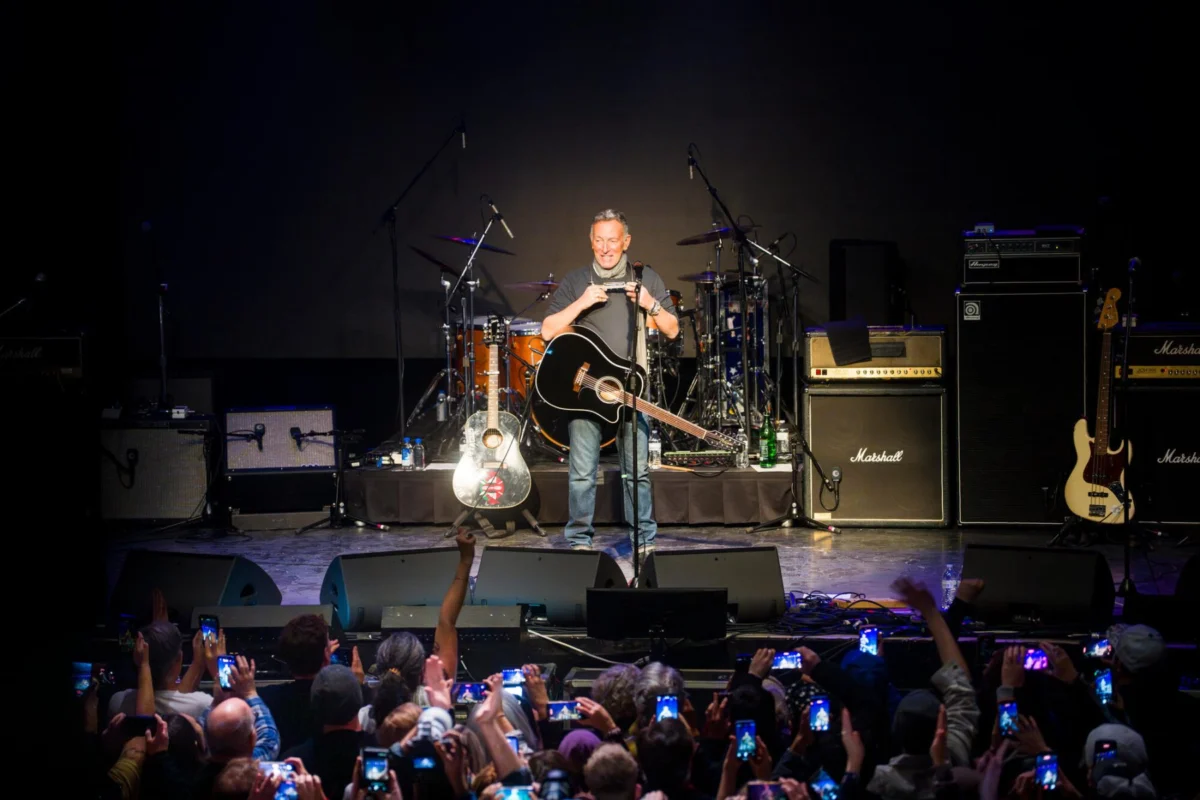
The urgency and significance of the case have been amplified by a high-profile campaign from the American Civil Liberties Union (ACLU), which has enlisted the support of iconic musician Bruce Springsteen. The ACLU, a key player in challenging the executive order, has released a 30-second video featuring Springsteen’s anthem "Born in the U.S.A." The video showcases a diverse array of American families, aiming to illustrate the broad impact such a ruling could have on millions of lives. The accompanying caption from the ACLU states, "We’re reminding President Trump what it means to be born in the U.S.A. We’re honored that the one and only Bruce Springsteen trusted us with use of his iconic anthem ahead of our landmark Supreme Court case Trump v. Barbara, where we’re challenging President Trump’s attempt to overturn birthright citizenship. The 14th Amendment speaks for itself."
The Genesis of the Legal Challenge
The legal battle began swiftly after the issuance of the executive order in January 2025. The ACLU filed a lawsuit within hours, challenging the administration’s authority to unilaterally alter the interpretation of a constitutional amendment through executive action. The case, Trump v. Barbara, along with related challenges, made its way through lower courts, with several of them issuing preliminary injunctions to block the executive order. The Supreme Court’s decision to hear the case signifies its recognition of the profound constitutional questions at stake.
The ACLU’s stance, articulated on its website, is unequivocal: "The Constitution, not the president, decides who is a citizen. President Trump has targeted immigrants since his first day in office, and his efforts to eliminate birthright citizenship are at the center of his cruel agenda to redefine who gets to be an American. But the 14th Amendment guarantees citizenship to children born in the United States – and President Trump is not above the Constitution."
Historical Context of Birthright Citizenship
The principle of birthright citizenship, often referred to as jus soli (right of soil), is deeply embedded in American legal tradition. It is explicitly codified in Section 1 of the 14th Amendment, ratified in 1868 in the aftermath of the Civil War. The amendment states: "All persons born or naturalized in the United States, and subject to the jurisdiction thereof, are citizens of the United States and of the State wherein they reside." This provision was intended to ensure that formerly enslaved people and their descendants were recognized as full citizens, thereby addressing one of the nation’s most profound historical injustices.
For over 150 years, this interpretation has been widely accepted and applied, forming the bedrock of citizenship for millions of Americans. The ACLU highlights that a repeal or significant alteration of this principle could have devastating consequences. They project that over the next two decades, five million children could be left without birthright citizenship, disrupting the lives of hundreds of thousands of families. These individuals, born and raised in the United States, would be relegated to a perpetual subclass of undocumented residents, denied the rights and opportunities afforded to their U.S.-born peers.

Springsteen’s Involvement and the "Born in the U.S.A." Campaign
The ACLU’s collaboration with Bruce Springsteen represents a strategic effort to galvanize public awareness and support for the defense of birthright citizenship. Springsteen’s "Born in the U.S.A.," released in 1984, has a complex legacy. While its powerful chorus is often misconstrued as a straightforward patriotic anthem, the song’s lyrics actually depict the struggles and disillusionment of a Vietnam veteran returning home to a society that offered him few opportunities. This nuanced message of patriotism, tempered by a critical examination of national realities, makes it a potent symbol for the ACLU’s campaign.
Anthony D. Romero, the Executive Director of the ACLU, shared the origin of the idea to collaborate with Springsteen. He recounted that shortly after President Trump’s inauguration in January 2017, he was interviewed by journalist Katie Couric about the then-president’s pledge to sign an order ending birthright citizenship. Romero stated, "This was among his first acts as president, and what it represented was breathtaking. Birthright citizenship is a sacred ground for those of us in the civil rights community. It’s how our nation addressed America’s original sin of chattel slavery, making citizens of the children of enslaved people. It’s also how a nation of immigrants ensured we would all be equal – out of many one."
During this interview, Romero found himself humming the chorus of "Born in the U.S.A." and immediately began conceptualizing a campaign. "We began brainstorming a campaign to remind ordinary folks what it truly means to be American. What people feel in their hearts when they wear their T-shirts with the American flag," he explained. "When they stand up for the national anthem at baseball and football games. When they gather with their communities on July 4, Memorial Day, Veterans Day. When, like me, they hang flags outside their homes."
Romero’s aim was to counter any attempts to co-opt or redefine patriotism and American identity by opponents. He envisioned a positive, patriotic message that would resonate with a broad audience, including those who might not typically engage with the ACLU’s work. He believes Springsteen’s song, when understood in its full context, compels listeners to "live up to its ideals" and evokes pride in being an American. "The brassy refrain of ‘Born in the U.S.A.’ makes you want to stand up straight and feel good about the country you live in, the communities you’re part of, and pay honor to the values that truly make America great," Romero remarked.
Springsteen’s Consistent Opposition to Trump Administration Policies
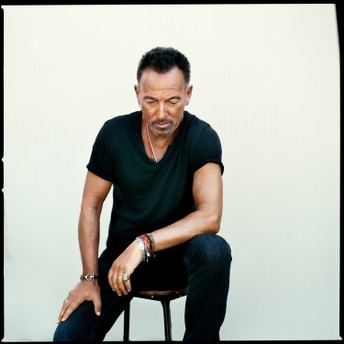
Bruce Springsteen has not shied away from publicly criticizing the Trump administration’s policies. Romero noted Springsteen’s onstage remarks, including his description of the Trump immigration crackdown as "disgusting, and a terrible tragedy" early in Trump’s term. Later, during a performance of his song "Land of Hopes and Dreams," Springsteen called it a "prayer for America, our community and no kings," a sentiment widely interpreted as a critique of what some perceive as autocratic tendencies.
When the ACLU approached Springsteen’s team with the idea of collaborating for the Trump v. Barbara case, they were reportedly "immediately on board" to support what Romero described as "one of the most consequential cases before the Court in a hundred years." The video campaign is designed to visually represent the diverse tapestry of American life that birthright citizenship helps to maintain, fostering a sense of shared belonging and national unity.
Broader Implications and Analysis
The Trump v. Barbara case carries profound implications for the United States. A ruling that undermines birthright citizenship could create a significant class of stateless individuals within the country, potentially leading to widespread social disruption, economic instability, and a deep erosion of civil rights. It could also set a precedent for further challenges to other constitutional rights and protections, fundamentally altering the balance of power between the executive branch and the bedrock principles of the Constitution.
Legal scholars and civil rights advocates have voiced concerns about the executive order’s legal basis. Critics argue that the President cannot unilaterally rewrite the interpretation of a constitutional amendment through an executive order, a power that would typically require congressional action or a constitutional amendment itself. The case presents a critical test of the judiciary’s role in safeguarding constitutional principles against executive overreach.
The ACLU’s campaign, leveraging the cultural resonance of "Born in the U.S.A.," aims to remind Americans of the historical context and the inclusive promise of the 14th Amendment. By showcasing diverse families and invoking a song that speaks to the complexities of the American experience, the campaign seeks to underscore that birthright citizenship is not merely a legal technicality but a fundamental element of American identity and a cornerstone of a just and equitable society.
The Supreme Court’s deliberations in Trump v. Barbara will undoubtedly be closely watched, as the outcome will shape the definition of citizenship and the future of millions of Americans for generations to come. The case serves as a critical reminder of the ongoing struggle to uphold and protect the constitutional rights that define the nation.
Below is the ACLU video: