


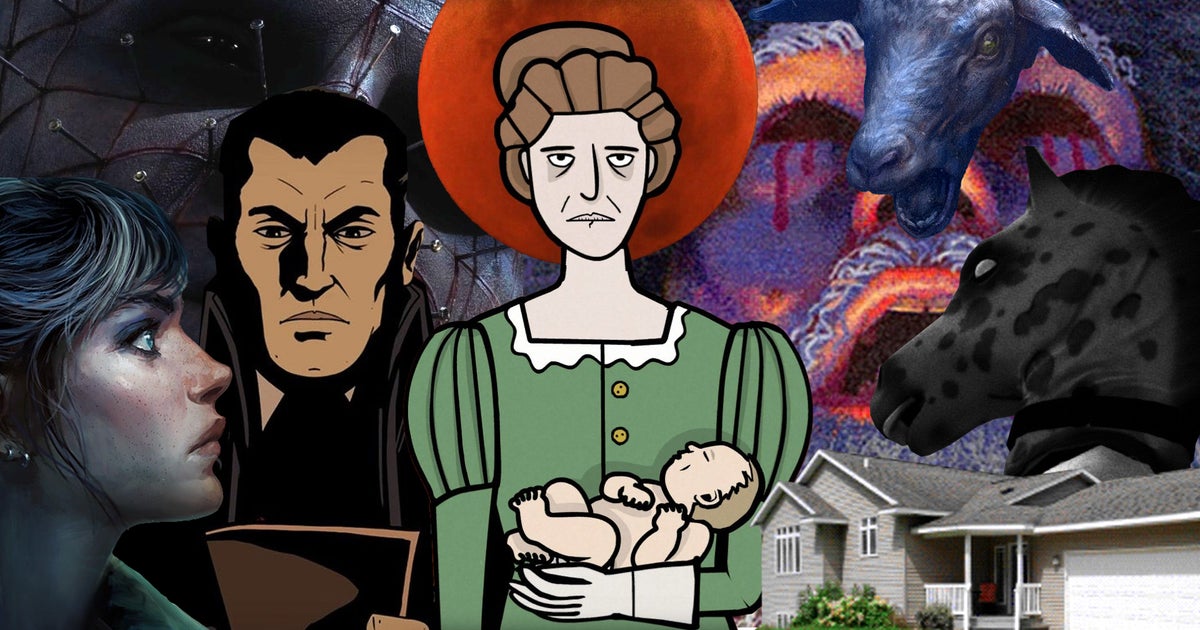
As the autumnal equinox passes and the nights grow longer, the gaming industry enters its most profitable and culturally significant period for the horror genre. Data from market research firms consistently indicates that consumer engagement with horror-themed digital media spikes by over 40% during the month of October. This year’s selection of titles reflects a sophisticated shift in the genre, moving away from purely jump-scare-reliant mechanics toward deep psychological tension, atmospheric immersion, and meta-narrative storytelling. From long-standing survival horror franchises marking milestone anniversaries to experimental indie projects that challenge the boundaries of interactive media, the following titles represent the current state of the art in virtual terror.
Resident Evil Requiem: A Thirty-Year Legacy
The survival horror landscape remains dominated by the Resident Evil franchise, which celebrates its 30th anniversary this year. The latest entry, Resident Evil Requiem, serves as a bridge between the series’ foundational roots and its modern action-oriented trajectory. Industry analysts suggest that the decision to split the narrative between the claustrophobic, first-person exploration of Grace Ashcroft and the high-octane, third-person combat sequences involving veteran character Leon S. Kennedy was a deliberate strategy to satisfy both long-term fans and a newer, broader demographic.
Set within the derelict Rhodes Hill Chronic Care Centre, the game utilizes advanced lighting and audio-spatial technologies to heighten player anxiety. The technical reception has been largely positive, with critics noting the game’s ability to maintain a consistent pacing that balances moments of extreme vulnerability with empowering action set-pieces. By honoring the franchise’s history while introducing new gameplay mechanics, Capcom has effectively solidified the series’ relevance for the next decade of development.

Silent Hill: Townfall and the Evolution of Psychological Horror
The Silent Hill series has long been regarded as the benchmark for psychological horror, a reputation maintained by its willingness to subvert player expectations. Developed by Screen Burn, Silent Hill: Townfall represents a departure from the traditional third-person perspective, opting for an intimate first-person viewpoint that prioritizes stealth over combat. This shift aligns with broader trends in indie development, where limiting player agency—specifically the ability to neutralize threats through force—is used as a primary tool to cultivate a sense of helplessness.
The game is set on a fictional, isolated Scottish island, utilizing a stark, bleak aesthetic that mirrors the narrative’s themes of systemic tragedy. By focusing on multiple, interconnected protagonists, the developers have moved the franchise away from singular heroic narratives, favoring a more fragmented, ensemble-based approach. This evolution demonstrates a clear intent to move beyond the tropes of the early 2000s, pushing the genre toward a more mature, literary form of interactive storytelling.

Tarsier Studios and the Rise of Bleak Artistry
Following their departure from the Little Nightmares franchise, Tarsier Studios released Reanimal, a title that has garnered attention for its uncompromisingly grim atmosphere. The game utilizes a cooperative multiplayer framework, which, paradoxically, serves to heighten the sense of dread rather than alleviate it. By placing two players within a hostile, visually arresting world, the studio has created a dynamic where the presence of another person emphasizes the vulnerability of the protagonists.
The artistic direction in Reanimal draws heavily from European gothic influences, moving away from the more whimsical, Burton-esque designs of the developers’ previous work. Industry observers have noted that this transition signifies a maturation of the studio’s signature style, emphasizing a more visceral, violent, and mature form of environmental storytelling that resonates with the current market demand for "prestige" horror.

Technical Innovation: Iron Lung and Found Media
The success of David Szymanski’s Iron Lung—and its subsequent film adaptation—highlights a growing trend in "lo-fi" horror. The game’s premise, which traps the player in a windowless submarine, forces reliance on primitive instrumentation and grainy, low-resolution visual feedback. This approach leverages the "uncanny valley" effect, where the lack of clarity forces the player’s imagination to fill in the blanks.
The technical implications of this design are significant. By intentionally limiting visual fidelity, developers can allocate resources toward superior sound design and complex AI behaviors, creating a more immersive experience without requiring high-end hardware. This strategy has proven highly effective for smaller independent teams, allowing them to compete with AAA studios by focusing on core gameplay loops rather than graphical spectacle.

The Return of the Mansion Mystery: The 7th Guest
The resurgence of The 7th Guest, through both a VR remake and a subsequent flatscreen release, underscores the enduring appeal of the "haunted house" trope when paired with modern technological refinements. By utilizing volumetric video, the developers were able to integrate live-action performances into a 3D space, bridging the gap between traditional FMV (full-motion video) games of the 1990s and contemporary gaming. This title serves as a case study in how historical intellectual property can be revitalized for modern platforms by preserving the original aesthetic while upgrading the underlying engine to meet current expectations for interactivity and exploration.
Found Media and Meta-Horror: Forbidden Solitaire
Forbidden Solitaire represents the cutting edge of "meta-horror," a subgenre that blurs the lines between the game and the player’s own digital environment. By simulating a 1990s-era CD-ROM title and framing it within a contemporary narrative of urban legends and "cursed" media, the game taps into a potent vein of internet culture. The inclusion of authentic-looking police records, news reports, and VHS-style video clips provides a layer of realism that elevates the experience from a simple puzzle game to a complex piece of interactive true-crime fiction. This type of narrative design, often referred to as "ARG-lite" (Alternate Reality Game), is increasingly popular among younger audiences who prefer stories that require active participation and cross-referencing of external data.

Future Outlook and Industry Impact
The current wave of horror games, ranging from the lunar-industrial tension of Routine to the tactical, grid-based puzzles found in Servant of the Lake, suggests a robust future for the genre. These games are not merely seasonal novelties; they are sophisticated works that utilize the unique affordances of the medium to explore themes of isolation, loss, and the human condition.
The industry’s commitment to this genre is clear. Major hardware manufacturers continue to highlight horror titles in their promotional showcases, recognizing that these games often serve as the most effective demonstrations of new haptic, visual, and spatial audio technologies. As we look toward the next year, the trajectory suggests that horror will continue to diverge into two distinct streams: the high-budget, cinematic spectacle represented by the Resident Evil series, and the experimental, atmospheric indie projects that prioritize innovation in narrative and mechanical design. For the player, this variety ensures that whether one prefers the visceral, adrenaline-fueled pursuit of a robot in a lunar base or the quiet, creeping dread of a cursed solitaire game, the current gaming market offers a depth of experience that is both chilling and professionally crafted.