


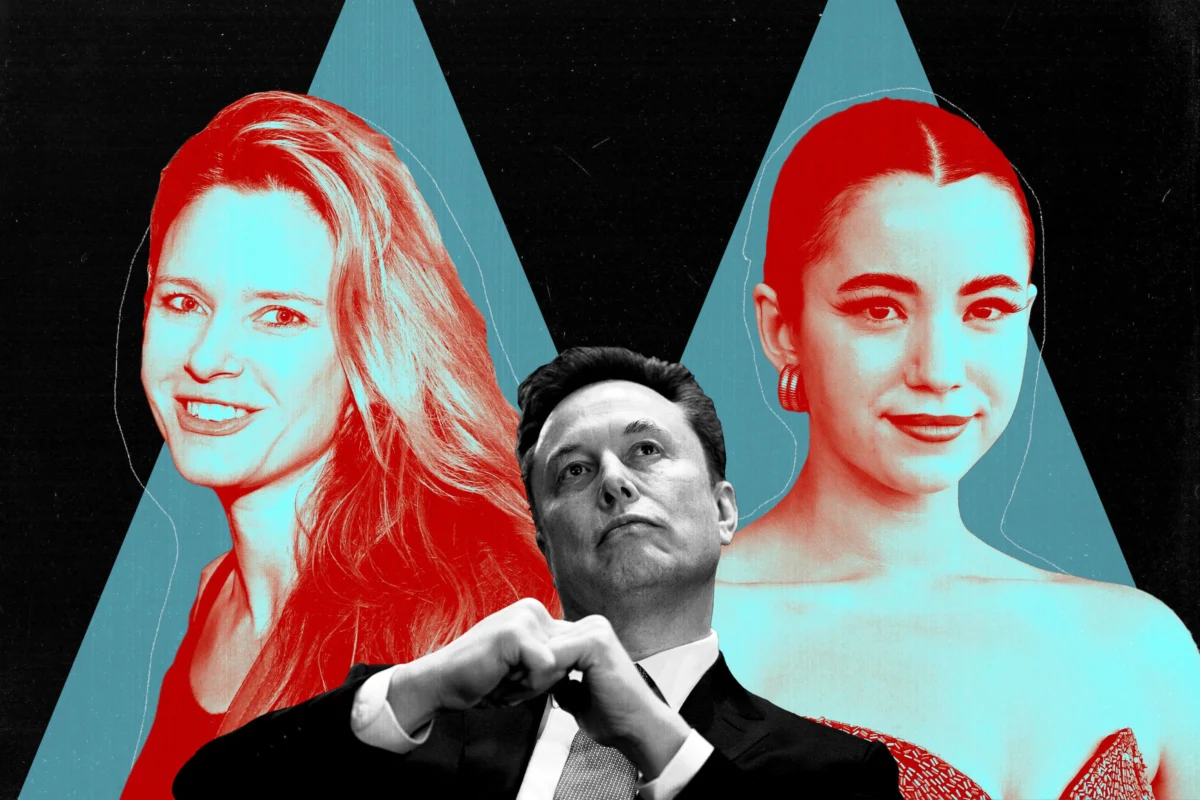
The intricate intersection of Silicon Valley ambition, political influence, and deeply personal family dynamics came to the forefront following a public revelation by Shivon Zilis, a high-ranking executive at Neuralink and mother of four of Elon Musk’s children. Zilis took to the social media platform X to announce an abrupt and unexpected shift in her relationship with the billionaire entrepreneur. Sharing a screenshot from the automated account @BigTechAlert, which tracked that Musk had unfollowed her, Zilis detailed the sudden end of their romantic connection. Her remarks highlighted a recurring theme in Musk’s life: the fragile boundary between his professional inner circle and his complex, highly publicized family structure.
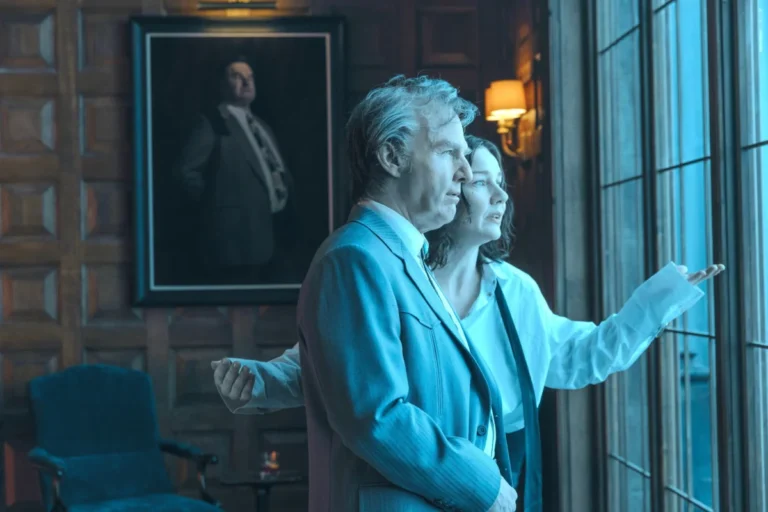
This development arrives concurrently with the theatrical release of Musk, an expansive four-hour documentary directed by acclaimed filmmaker Alex Gibney. Set to screen at major cultural and technological showcases, the film features candid and often critical testimonies from several women who share children with Musk, including his first wife, Justine Wilson, and former conservative influencer Ashley St. Clair. Together with archival footage, investigative journalism, and interviews with tech insiders, the documentary provides a comprehensive examination of Musk’s ascension to global economic and political power, contrasted against a deeply critical portrait of his interpersonal relationships.
Chronology of a Publicly Unfolding Private Life
To understand the current scrutiny surrounding Musk’s personal life, it is necessary to examine the timeline of his relationships and the public disclosures made by his former partners. Musk’s high-profile family history spans decades, beginning with his marriage to Justine Wilson in 2000. Following their divorce, Wilson became an increasingly vocal critic of how their marriage was managed, detailing experiences that she characterizes as emotionally taxing.
Years later, Musk’s relationships with musician Claire Boucher (known as Grimes), Shivon Zilis, and Ashley St. Clair further expanded his family tree, bringing the total number of his known children to 14. Over the past several years, the mothers of his children have increasingly utilized social media platforms—predominantly X—to counter narratives presented by Musk or to air grievances regarding custody and communication.
The timeline accelerated sharply entering 2025, when St. Clair publicly revealed that she and Musk had fathered a child, subsequently entering into a tumultuous custody and public relations battle. This revelation was followed closely by investigative reporting in outlets like The Wall Street Journal, detailing Musk’s broader familial ambitions and communications with various public figures regarding family planning. The sequence culminated in Zilis’s public announcement regarding her relationship status and the nationwide rollout of Gibney’s documentary, which synthesizes these disparate threads into a unified narrative.
Supporting Data and Revelations from the Documentary
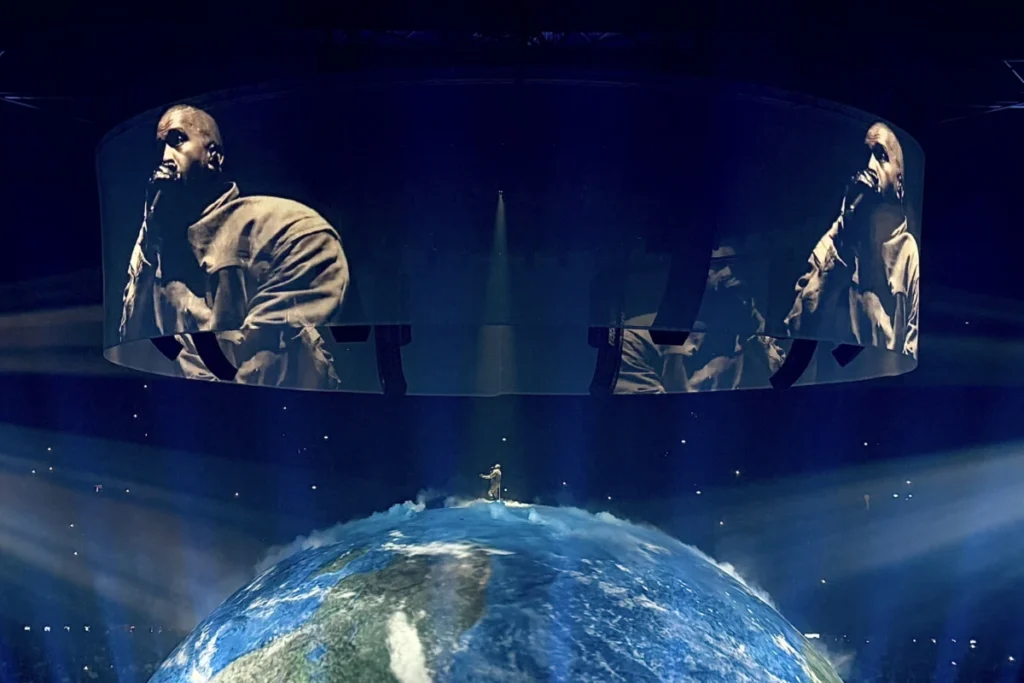
Clocking in at nearly four hours, Alex Gibney’s Musk is a monumental undertaking that covers an immense breadth of material. The film explores Musk’s foundational ambitions—ranging from the colonization of Mars and the expansion of Tesla and SpaceX to corporate transformations in Texas. It also addresses significant controversies, such as fatal collisions involving Tesla’s driver-assistance technology and Musk’s involvement in government efficiency initiatives during the early stages of political transitions.
However, the documentary’s most distinct contribution lies in the testimony of Musk’s former partners. Wilson shares poignant reflections on the tragic loss of their firstborn child to Sudden Infant Death Syndrome (SIDS), contrasting her memories with public statements made by Musk regarding the event. Wilson also addresses the profound alienation caused by public commentary concerning their transgender daughter, Vivian Jenna Wilson, whom Musk publicly claimed was affected by cultural ideologies—comments Wilson describes as unconscionable given their shared history.
St. Clair’s participation in the documentary includes allegations that she was offered, and rejected, a non-disclosure agreement valued at $40 million designed to secure her silence regarding her relationship with Musk. Furthermore, the film explores the broader context of Musk’s stated philosophies on birth rates and population growth. Both Wilson and St. Clair articulate discomfort with what they perceive as an instrumentalized view of family, where partners and children are viewed through the lens of ideological or demographic objectives rather than traditional familial bonds.
Official Responses and Industry Context
Throughout the production of the documentary and the subsequent media coverage, requests for comment directed at Musk and his representatives have largely gone unanswered or resulted in limited public engagement. Musk has historically utilized X to address controversies directly, often bypassing traditional public relations channels to dispute claims made by journalists or former associates.
However, the inability of substantial financial agreements—such as the reported multi-million dollar non-disclosure offers declined by St. Clair—to secure total privacy indicates a shifting paradigm in how high-tech oligarchs manage public relations crises. Legal battles, including settled custody disputes with Grimes and ongoing legal maneuvers involving St. Clair, illustrate that financial resources do not entirely insulate public figures from internal dissent.
Industry analysts and legal experts note that the public airing of grievances by high-ranking corporate insiders, such as Zilis remaining at Neuralink while publicly detailing her personal separation, introduces unique governance challenges. While Zilis appears to maintain her roles as a director of operations and special projects at the brain-computer interface company, the public nature of the separation underscores the porous barrier between personal dynamics and executive leadership within Musk’s corporate portfolio.
Broader Impact and Implications
The convergence of Gibney’s cinematic investigation, the vocal testimonies of Musk’s former partners, and real-time social media revelations carries significant implications for the public perception of modern technology leaders. For over a decade, Musk successfully cultivated a public persona centered on the archetype of the visionary inventor-king—a narrative driven by rapid technological disruption and self-mythology.
The critique presented in Musk and amplified by the women who have shared his orbit challenges this carefully constructed image. By shifting the focus from corporate valuations and engineering milestones to interpersonal conduct, emotional intelligence, and familial accountability, the narrative humanizes the debate surrounding unaccountable corporate power.
As regulatory scrutiny increases across Musk’s various enterprises—ranging from aerospace and automotive safety to neurotechnology and social media governance—the personal dimensions of his leadership style are increasingly viewed by critics as indicative of broader systemic risks. Whether these cumulative disclosures will permanently alter public or institutional trust in Musk’s leadership remains to be seen. Nonetheless, the events underscore a fundamental reality of the modern digital age: the private lives of the world’s most influential individuals are no longer easily shielded by wealth, corporate insulation, or nondisclosure agreements.