


The long-running hack-and-slash franchise Dynasty Warriors, a cornerstone of Koei Tecmo’s portfolio since the late 1990s, has recently returned to the spotlight with the release of Dynasty Warriors 3: Complete Edition Remastered. While the title celebrates the series’ 25th anniversary, it has also sparked a candid conversation regarding the creative direction of the franchise’s leadership. Producer Tomohiko Sho, a veteran architect of the Musou genre, has publicly expressed a desire to shift his focus away from revisiting past titles, emphasizing a preference for developing original intellectual property and new sequels during the remaining years of his career.
A Career-Defining Milestone and the Remaster Dilemma
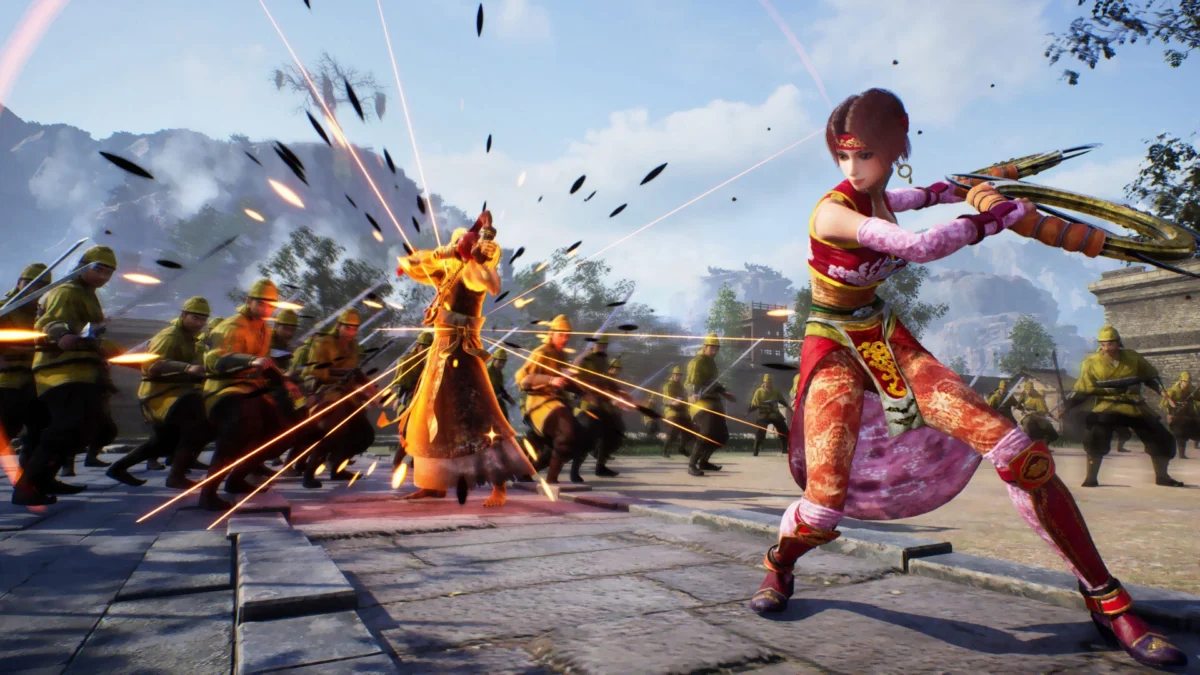
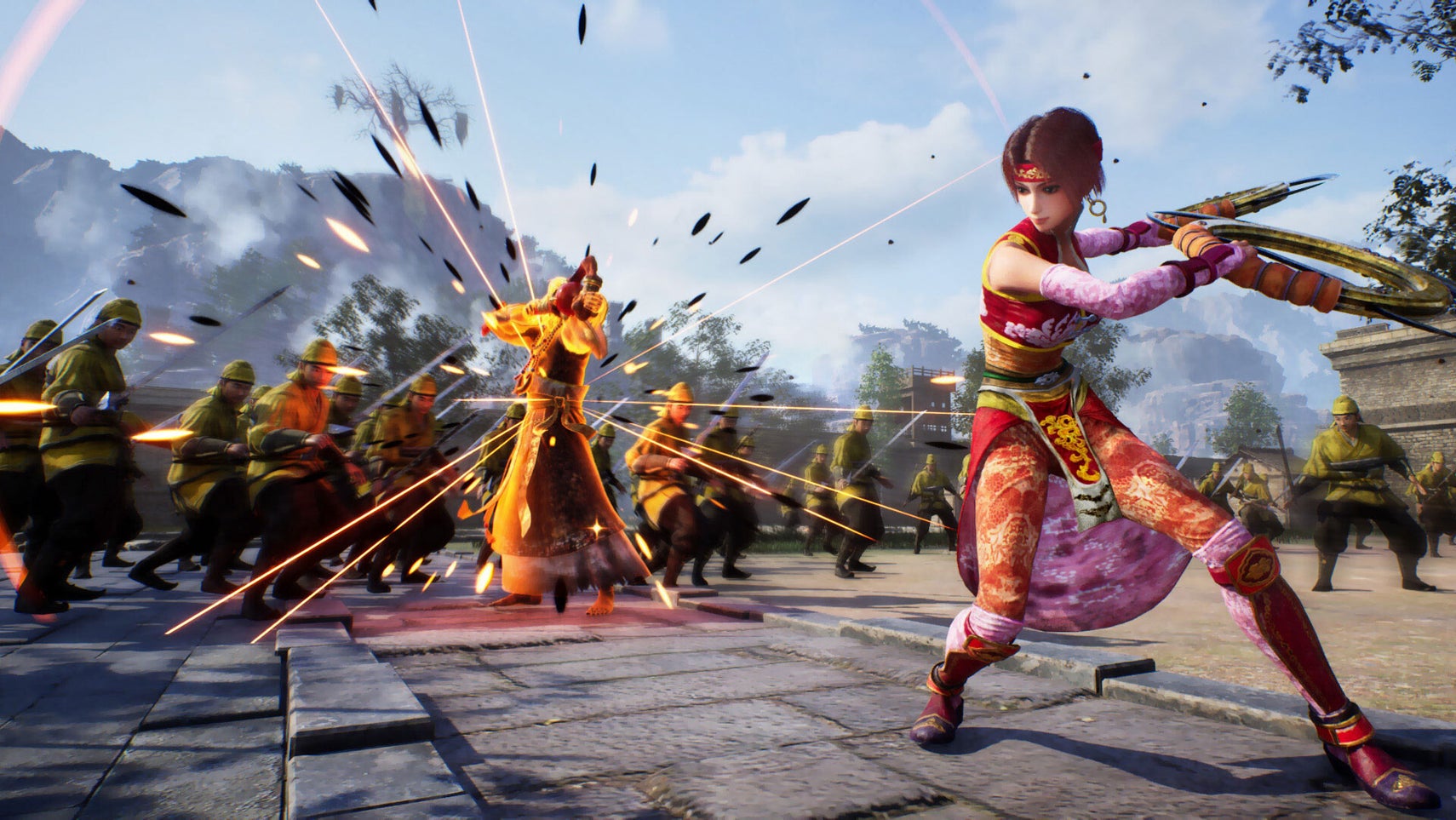
The launch of the remastered edition of Dynasty Warriors 3 on current-generation platforms—including the Nintendo Switch 2, PC, PlayStation 5, and Xbox Series X/S—serves as both a nostalgic tribute and a technical showcase. By migrating the original PlayStation 2 code into Unreal Engine 5, the development team sought to bridge the gap between 2001-era game design and modern visual standards. The project was intended to honor the title that arguably defined the "One Versus One Thousand" sub-genre of action games.
However, in an interview with the Japanese publication 4Gamer, Sho provided an introspective look at the toll such projects take on creators. Addressing the potential for further remasters of older entries currently unavailable on modern digital storefronts like Steam, Sho was notably hesitant. He stated that while the possibility is not entirely ruled out, the logistical and emotional labor required to modernize legacy code is significant.
"To be honest, I don’t want to do it," Sho remarked. "It would be almost a complete remake, and even this time I sometimes thought, ‘Why am I remaking something I made myself?’ I’m in my fifties now, and I sometimes think about ‘how many more games can I make before I retire,’ so I’d rather make new games or sequels."
Historical Context: The Evolution of the Musou Genre
To understand the weight of Sho’s comments, one must consider the historical trajectory of the Dynasty Warriors series. The franchise originated from the 1997 title Sangokumusou, a fighting game that differed significantly from the third-person action series that followed. The transition to the "Musou" format in 2000 with Dynasty Warriors 2 established the mechanical blueprint—massive battlefields, thousands of enemies on screen, and a focus on superhuman character abilities—that Koei Tecmo would refine for over two decades.
The series reached a cultural zenith in the mid-2000s, spawning numerous spin-offs, including Samurai Warriors, Warriors Orochi, and high-profile collaborations with major intellectual properties such as The Legend of Zelda, Fire Emblem, Persona, and One Piece.
The decision to remaster Dynasty Warriors 3 specifically is not without merit. Many longtime fans view the early PlayStation 2 entries as the "golden era" of the series, citing the brutal difficulty, the specific tactical flow of the maps, and the iconic soundtrack as elements that have been diluted in later, more streamlined iterations. By bringing this specific title to the current generation, Koei Tecmo was testing the market’s appetite for retro-modernization.
Supporting Data and Market Performance
The financial and critical reception of the remaster is expected to dictate the future of such projects. Currently, the Steam user reviews for the title are categorized as "Very Positive," indicating that the core audience remains deeply attached to the foundational entries of the series.
However, market data in the gaming industry suggests that while remasters are reliable revenue generators, they often lack the long-term engagement metrics associated with original titles. For a studio like Koei Tecmo, which relies heavily on the "Omega Force" development team to maintain a consistent output of titles, the opportunity cost of assigning senior talent to remasters is high. With the average development cycle for a modern AAA title now spanning four to six years, Sho’s urgency to dedicate his remaining time to new projects reflects a broader trend among veteran developers who wish to leave a legacy of innovation rather than iteration.
Implications for the Franchise and Leadership
Sho’s comments imply a potential structural shift in how Koei Tecmo may handle its back catalog. If the producer is unwilling to helm future remaster projects, the studio faces two primary options: either abandon the practice of updating older games, or delegate these tasks to younger, less-tenured production teams.
Delegation is a common strategy in large-scale game development, but it carries the risk of alienating fans who perceive the "original" vision as being tied to the specific creative leadership of the past. If the studio chooses to prioritize new sequels, they may be forced to leave older, non-Steam-compatible titles in a state of digital limbo, effectively ending the legacy of those specific games for the modern consumer.
Furthermore, the pressure to maintain the series’ relevancy in an era of "Games as a Service" (GaaS) and high-fidelity open-world gaming is immense. The traditional Musou formula has faced criticism for its repetitive nature. Sho’s desire to innovate suggests that he may be looking to integrate new gameplay mechanics or narrative structures that would be stifled if he remained tethered to the constraints of a 25-year-old game engine.
Future Outlook and Industry Reactions
Industry analysts suggest that Sho’s transparency is a refreshing, if blunt, take on the current industry trend of "nostalgia-baiting." By being vocal about his professional goals, Sho is managing the expectations of a vocal fanbase that often demands remasters of every entry in the series.
The reaction from the broader development community has been one of understanding. Many senior developers in the industry—facing similar career milestones—have expressed exhaustion with the "remake culture" that has dominated the last half-decade of console gaming. While players may clamor for the return of childhood favorites, the creative burnout involved in recreating one’s own past work is a reality that is rarely discussed in promotional cycles.
As for the immediate future of the franchise, Koei Tecmo has not announced plans for further remasters following the release of Dynasty Warriors 3: Complete Edition. Instead, all eyes are on the company’s next original project. Whether this will involve a radical departure from the established Musou formula or a refined continuation of the existing series remains to be seen.
Ultimately, Tomohiko Sho’s stance serves as a reminder that behind every piece of corporate software is a team of human beings with limited creative windows. While the Dynasty Warriors brand will likely continue to thrive through new iterations, the era of the producer personally curating the resurrection of the past appears to be drawing to a close. For the fans, the message is clear: the focus is shifting forward, and the next twenty-five years of the series will be defined by what is built next, rather than what is polished from behind.