
The landscape of the film industry continues to undergo a period of intense transformation, as underscored by the latest installment of the Next Best Picture Podcast. Episode 510 brings together a panel of expert voices—Ema Sasic, Giovanni Lago, Nadia Dalimonte, Sara Clements, and Tom O’Brien—to dissect the dual pressures of the current festival circuit and the structural consolidation redefining Hollywood’s corporate hierarchy. As the New York Film Festival (NYFF) progresses, industry observers are closely monitoring how both high-profile premieres and shifting corporate alliances will influence the trajectory of the upcoming awards season.
The New York Film Festival: A Mid-Festival Assessment
The New York Film Festival, an annual pillar of the North American cinematic calendar, remains a critical proving ground for films seeking both critical prestige and long-term Oscar viability. This year’s edition has already presented a robust slate, with Episode 510 providing detailed analysis of the world premieres of Behemoth! and A Statement. These screenings serve as indicators of the current thematic trends in independent and international cinema, often signaling which narratives will gain traction during the forthcoming Academy Awards voting cycle.
Beyond the world premieres, the panel evaluated high-profile screenings that have dominated critical discourse, including You Can See Everything, All Of A Sudden, Club Kid, and Tender Loving Care. The NYFF has historically functioned as a gatekeeper for prestige films; by curating a diverse selection of auteur-driven works, the festival effectively filters the overwhelming volume of annual releases into a concentrated list of "must-watch" contenders. The reception of these specific titles at the Lincoln Center-based event provides a necessary barometer for the broader critical community, often dictating the conversation for the next several months.
Corporate Consolidation and the Warner Bros. Legacy
A significant portion of the recent discourse, both on the podcast and across industry trade publications, has focused on the seismic shift involving the merger of Warner Bros. and Paramount Pictures into the Skydance entity. This move marks the end of an era for two of the most storied studios in cinema history. The integration of these massive film libraries and production capacities into a single corporate structure under Skydance represents a paradigm shift in how intellectual property is managed, distributed, and monetized.
To mark this transition, the panel initiated an inquiry into the collective legacy of Warner Bros., asking: "Which Is Your Favorite Warner Bros. Best Picture Nominee?" This question invites reflection on a century of filmmaking that has defined the studio system. From the golden age of Hollywood to the modern blockbuster era, Warner Bros. has been a consistent presence at the Academy Awards. Analyzing the studio’s best picture nominees serves as a case study in the evolution of cinema, reflecting shifts in audience taste, technological capability, and narrative ambition.
The Alejandro González Iñárritu Retrospective
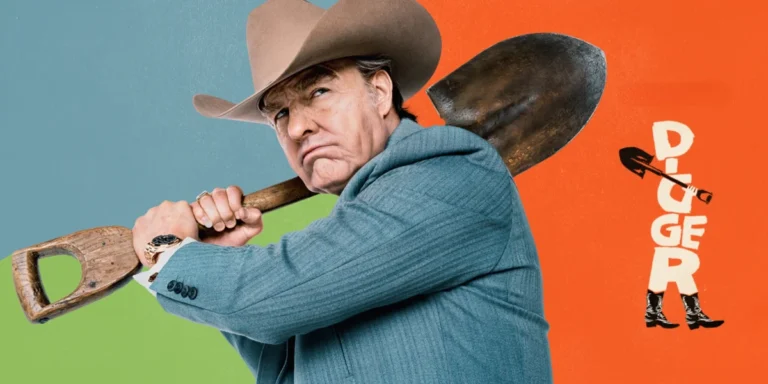
In conjunction with the recent release of Digger, the podcast panel conducted a retrospective poll on the filmography of Alejandro González Iñárritu. The director, a multiple Academy Award winner, has played a pivotal role in shaping contemporary global cinema through his exploration of human fragility and interconnectedness. By analyzing Iñárritu’s body of work—which includes Birdman, The Revenant, and Babel—critics can better contextualize the current standards of directing excellence. This retrospective highlights the technical precision and emotional weight that characterize Iñárritu’s output, providing a framework for evaluating the new wave of directors currently vying for industry recognition.

Anticipation Through Cinematic Trailers
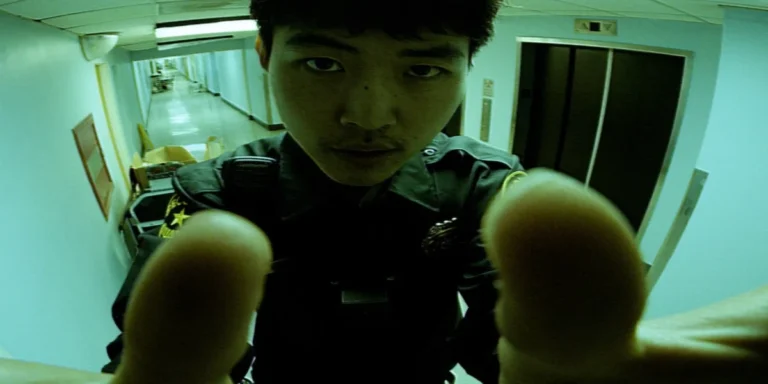
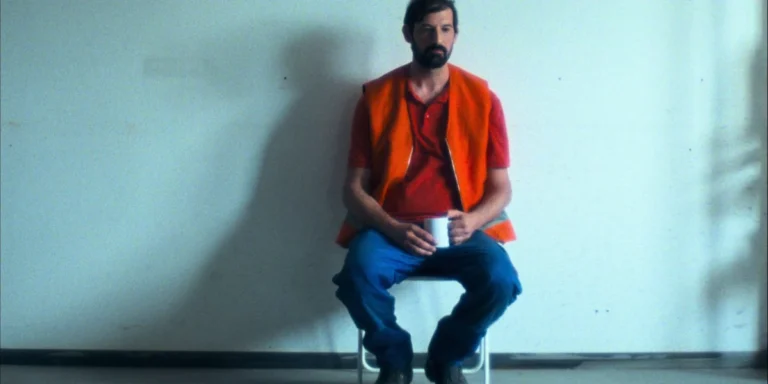
The discussion extended to the preview circuit, where trailers for upcoming projects—Elsinore, La Bola Negra, Rose, and Clarissa—offered a glimpse into the next cycle of feature film releases. Trailer analysis is a fundamental component of modern film journalism, as these short-form advertisements frequently reveal the tone, visual language, and intended audience for upcoming projects. By dissecting these early looks, industry analysts can identify potential sleeper hits or high-budget gambles, allowing the public to gauge the anticipation levels surrounding these films before they hit theaters or streaming platforms.
Strategic Shifts in Industry Journalism
As the podcast continues its coverage of the awards season, it has implemented a structural change to its delivery of content. The decision to separate fan-submitted questions into a dedicated, follow-up show titled Mailbag Monday signals a maturation in how digital media outlets handle audience engagement. This strategic pivot ensures that deep-dive analytical segments remain focused on the primary subject matter—the films and the industry—while still maintaining a robust connection with the listener base.
This evolution in programming mirrors the broader industry shift toward specialized content delivery. By segregating editorial commentary from community interaction, the podcast ensures a cleaner, more professional listening experience, which is increasingly essential as the awards race accelerates and the demand for rapid, high-quality analysis intensifies.
The Broader Impact on the Awards Season
The implications of these developments are far-reaching. The merger of major studios suggests a future characterized by fewer, higher-budget "tentpole" films, potentially creating a vacuum in the middle-market sector. This, in turn, influences the types of films that are produced and subsequently honored by the Academy. Independent festivals like the NYFF are, therefore, more critical than ever; they provide the only venue for projects that do not fit the narrow, corporate-mandated mold of a studio blockbuster.
Furthermore, the focus on historical studio legacies—as seen in the discussions surrounding Warner Bros.—reminds the industry of the cultural weight that these institutions hold. As legacy names are folded into new corporate structures, the preservation of their artistic history becomes a matter of public interest. Critics and journalists play a crucial role here, ensuring that the contributions of these studios are not lost in the shuffle of balance sheets and quarterly earnings reports.
Conclusion
The confluence of the New York Film Festival’s ongoing screenings, the structural upheaval of the studio system, and the continuous output of new cinematic trailers creates a complex environment for film enthusiasts and industry professionals alike. Through rigorous analysis and critical discourse, platforms such as the Next Best Picture Podcast serve as essential guides for navigating this terrain. As the industry moves forward, the focus will undoubtedly remain on the balance between commercial viability and artistic integrity. Whether through the lens of a historical retrospective or the excitement of an upcoming trailer, the primary objective remains the same: to document and understand the evolution of the moving image in a rapidly changing world.
The contributions of the panel members—Ema Sasic, Giovanni Lago, Nadia Dalimonte, Sara Clements, and Tom O’Brien—underscore the importance of collaborative critical thought in an era of information overload. As the podcast continues its work within the Evergreen Podcasts Network, it remains a vital touchstone for those interested in the intricacies of film production, distribution, and the subjective beauty of the medium itself. The upcoming weeks, as the awards season reaches its zenith, will surely provide further clarity on how these current trends will culminate in the year’s final cinematic awards. For now, the discourse provided by Episode 510 serves as a necessary roadmap, ensuring that audiences remain informed and engaged with the most pressing topics in modern film history.